“how much more shall the blood of Christ, who through the eternal Spirit offered Himself without spot to God, cleanse your conscience from dead works to serve the living God?” Hebrews 9:14 NKJV
Dead works are what people do to try to work themselves to Heaven. We are dead in our trespasses and sins! Dead people don’t work! There is no way for you to earn your salvation by works…
The word serve in this passage actually means to worship-“To worship the living God.”
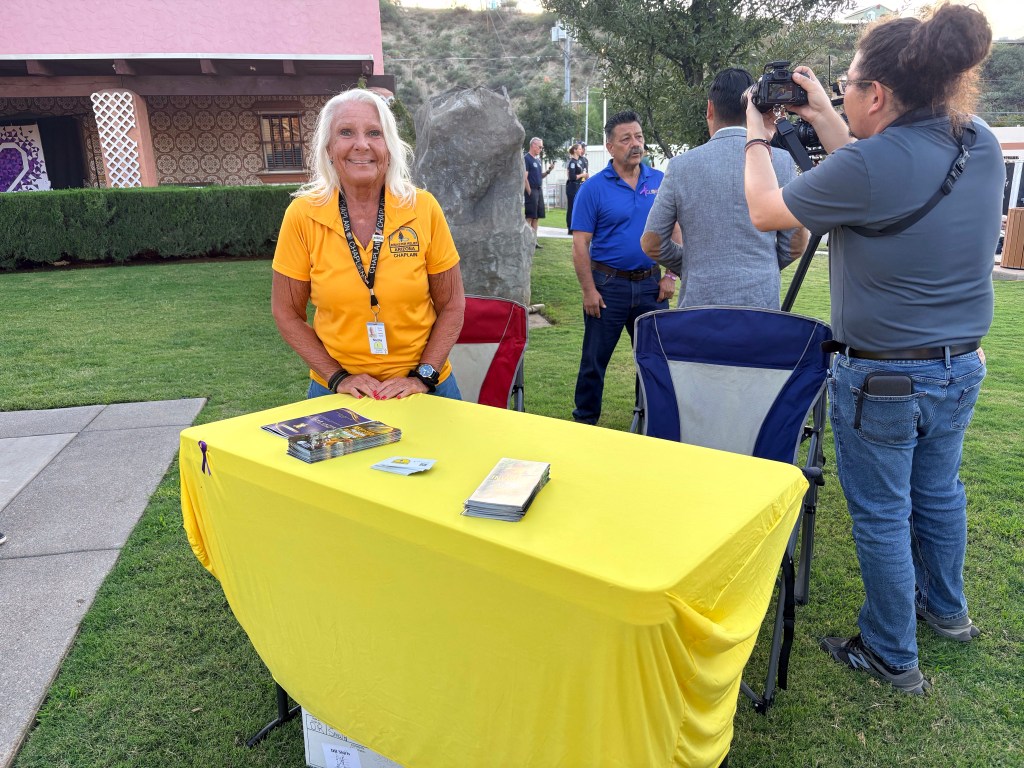
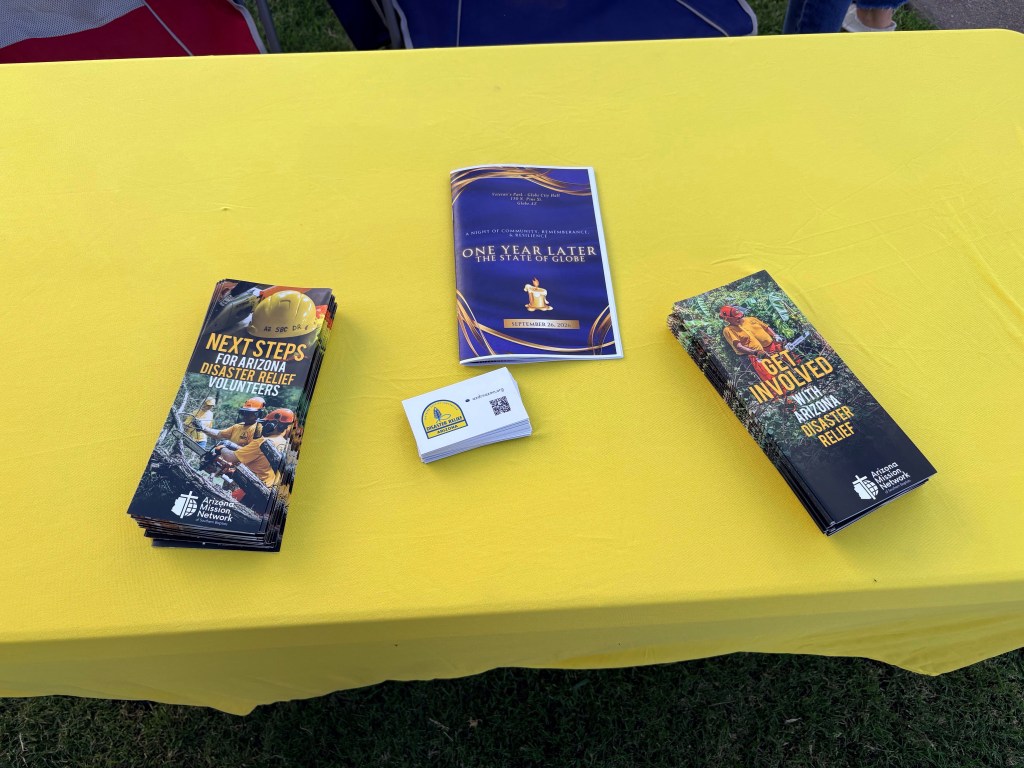
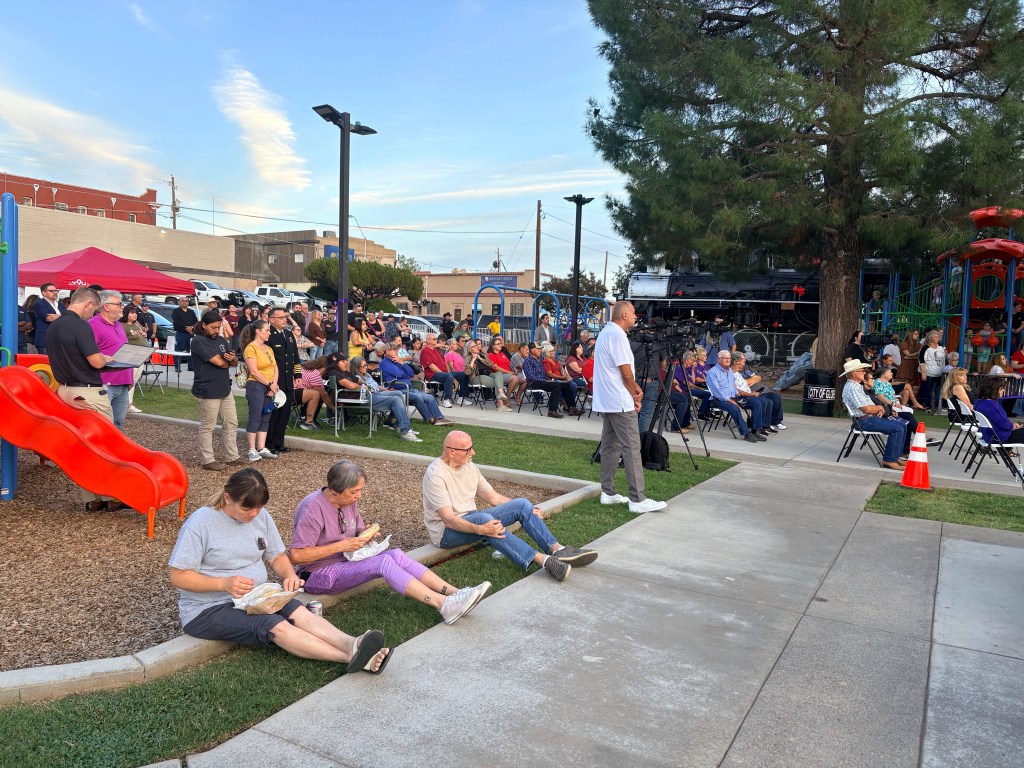
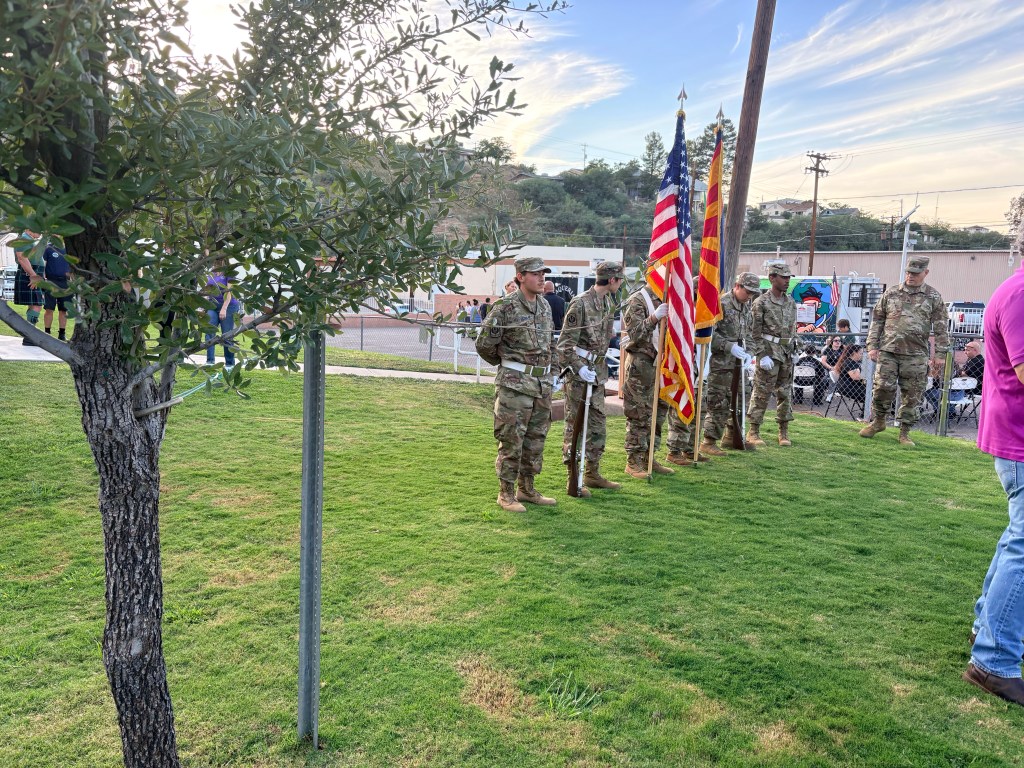
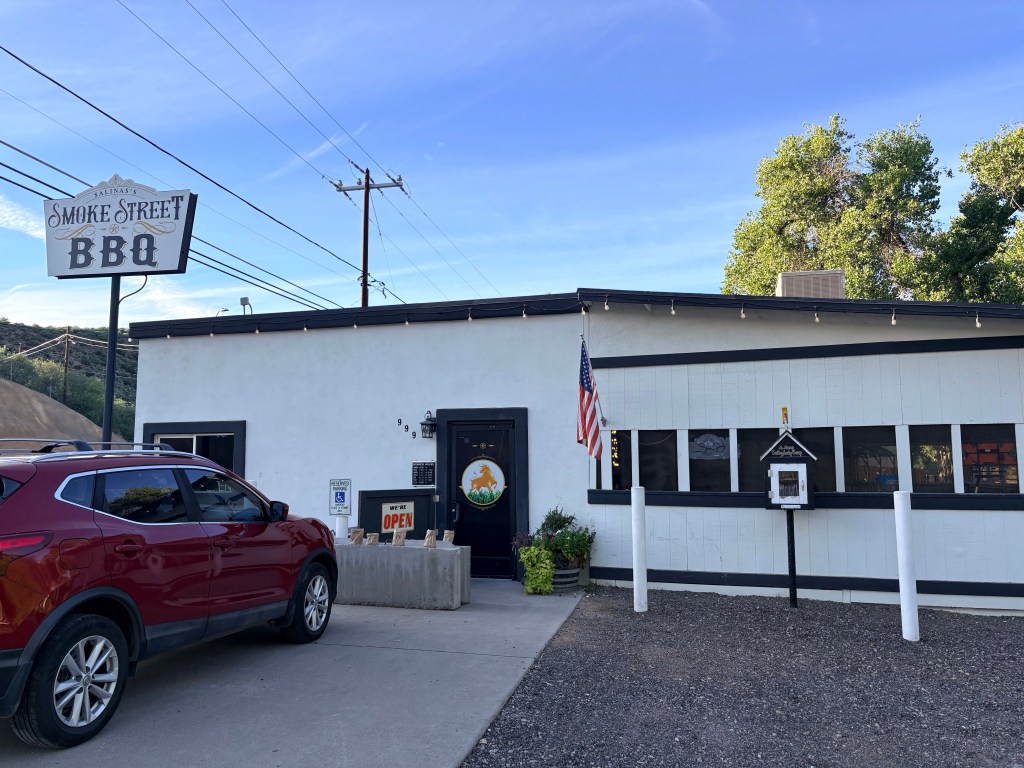
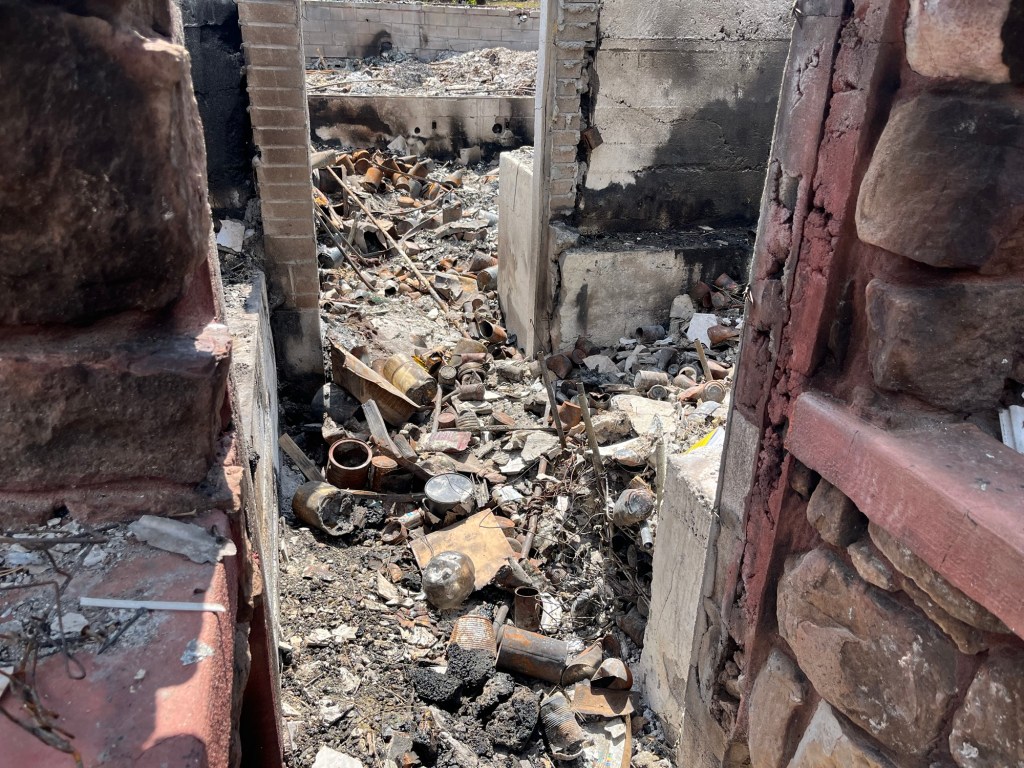
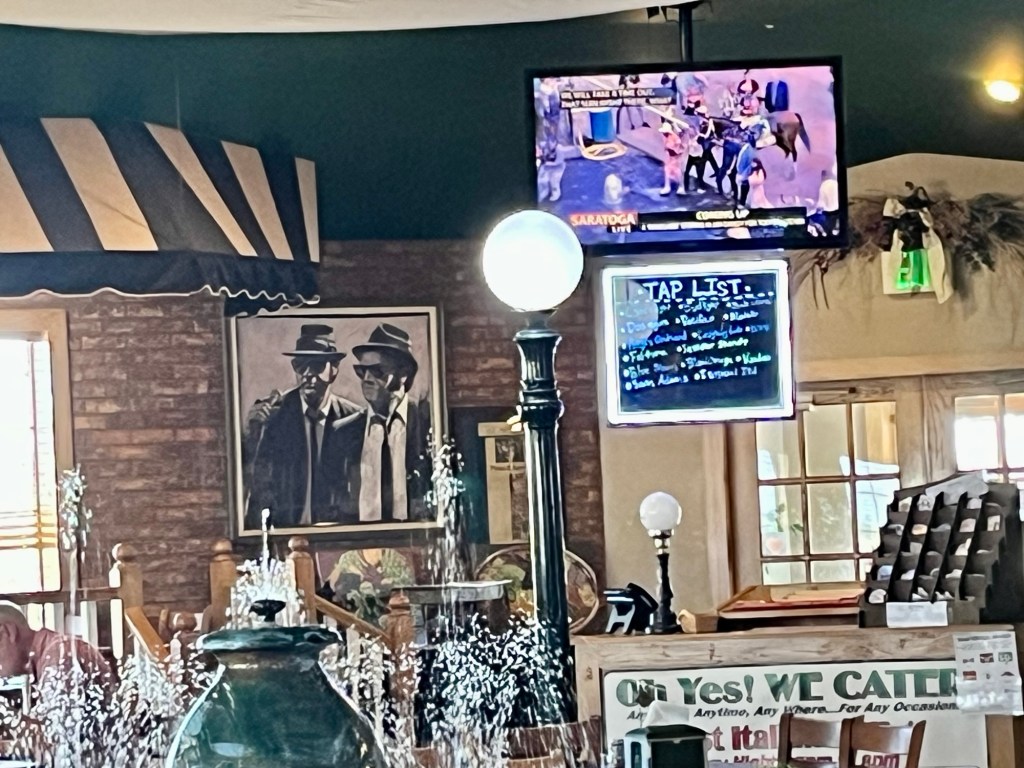
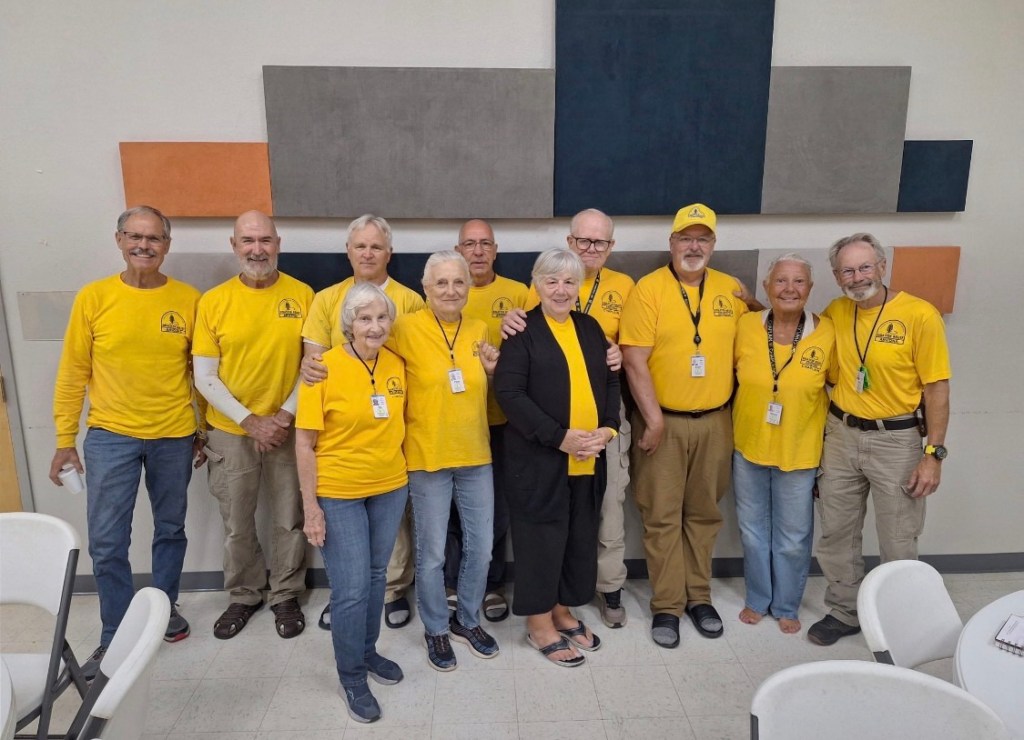
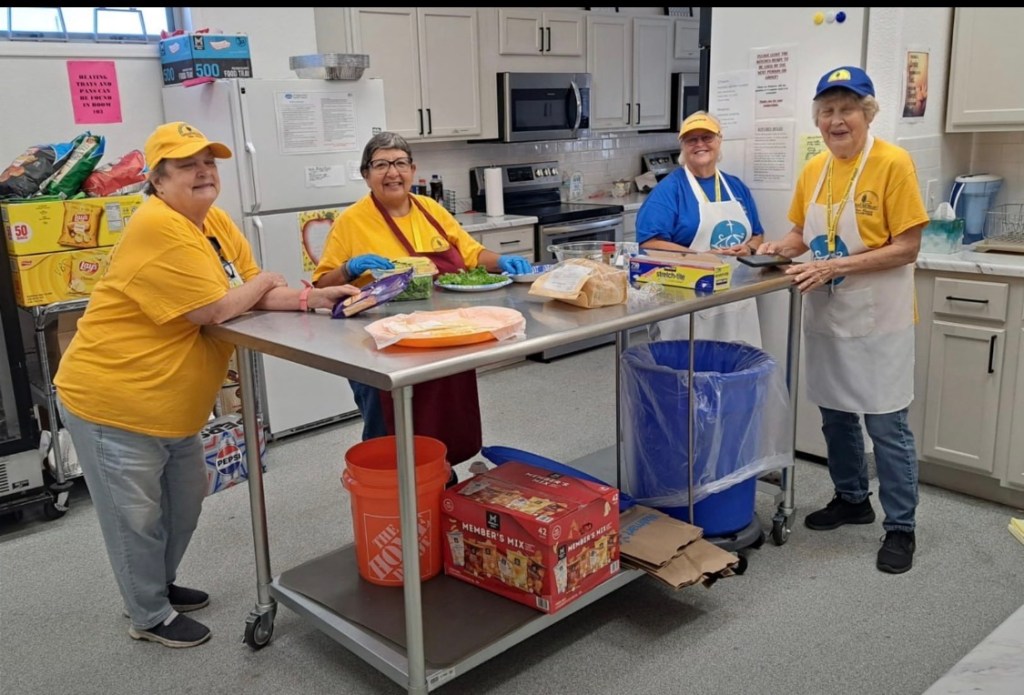
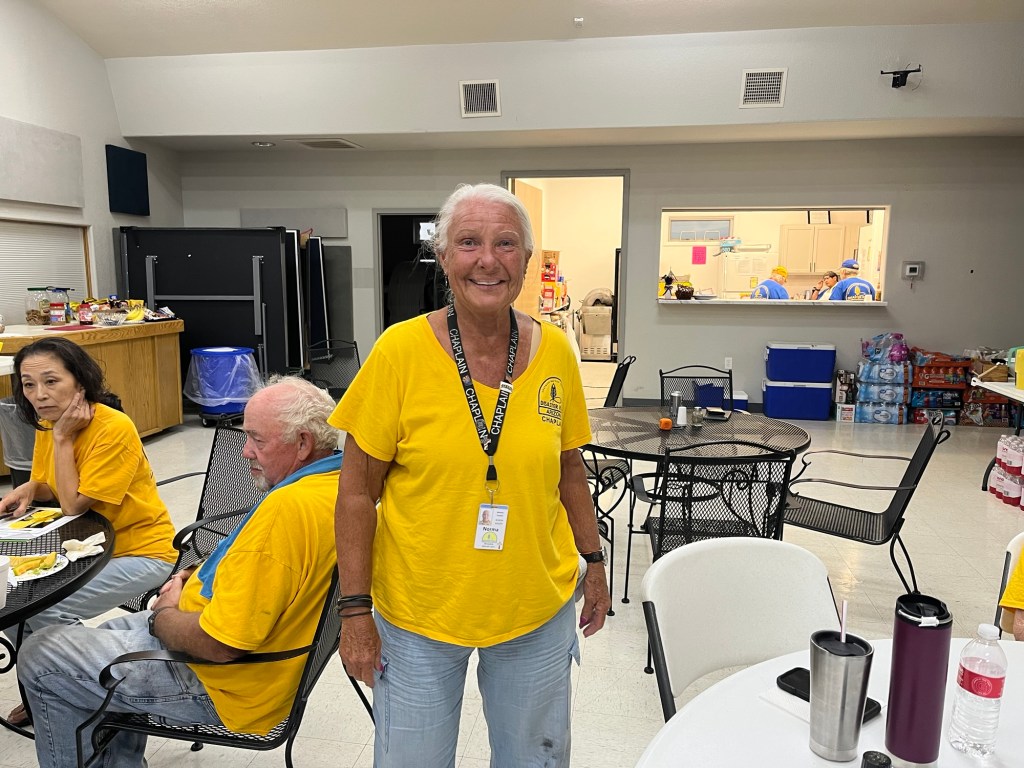
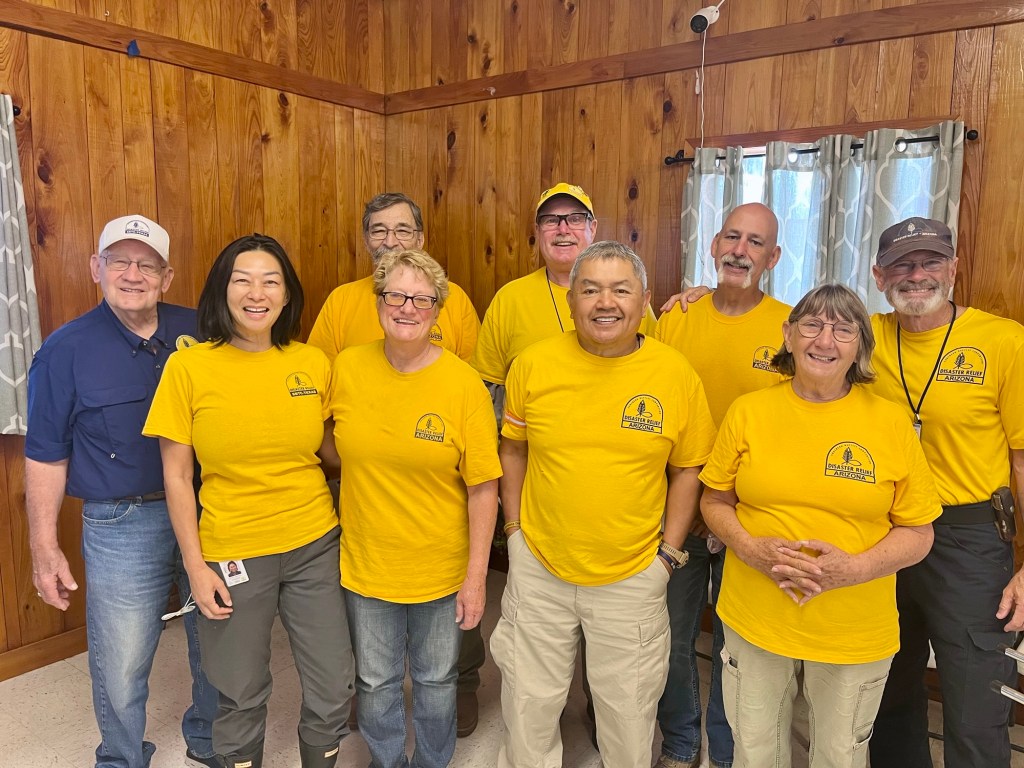
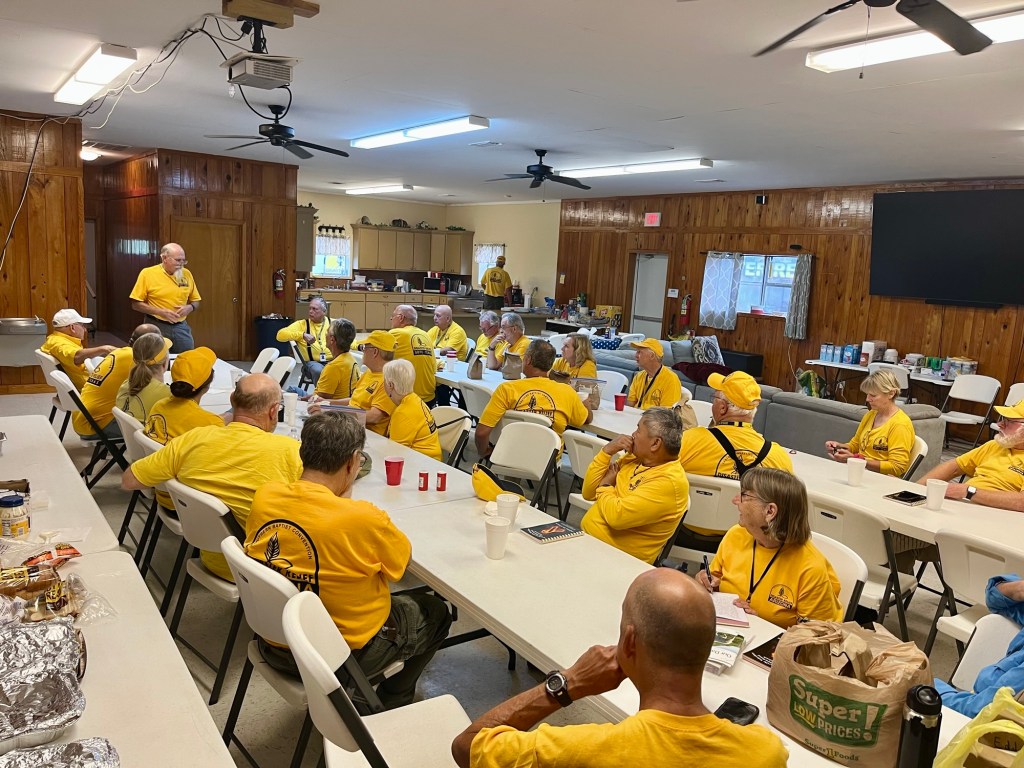
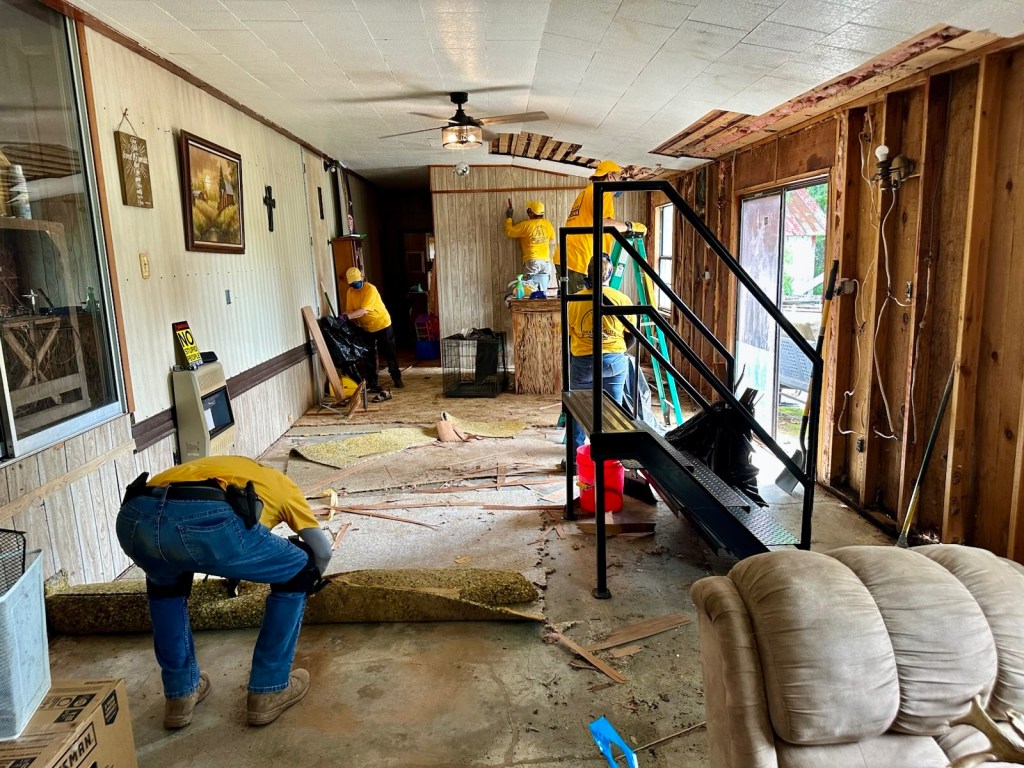
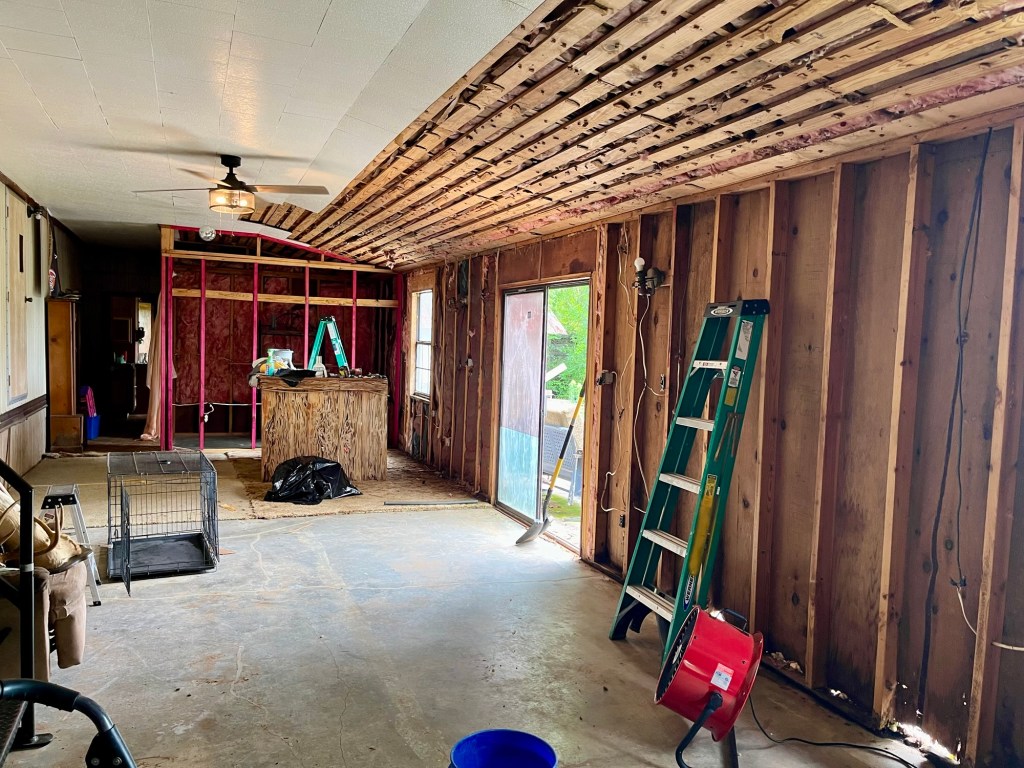
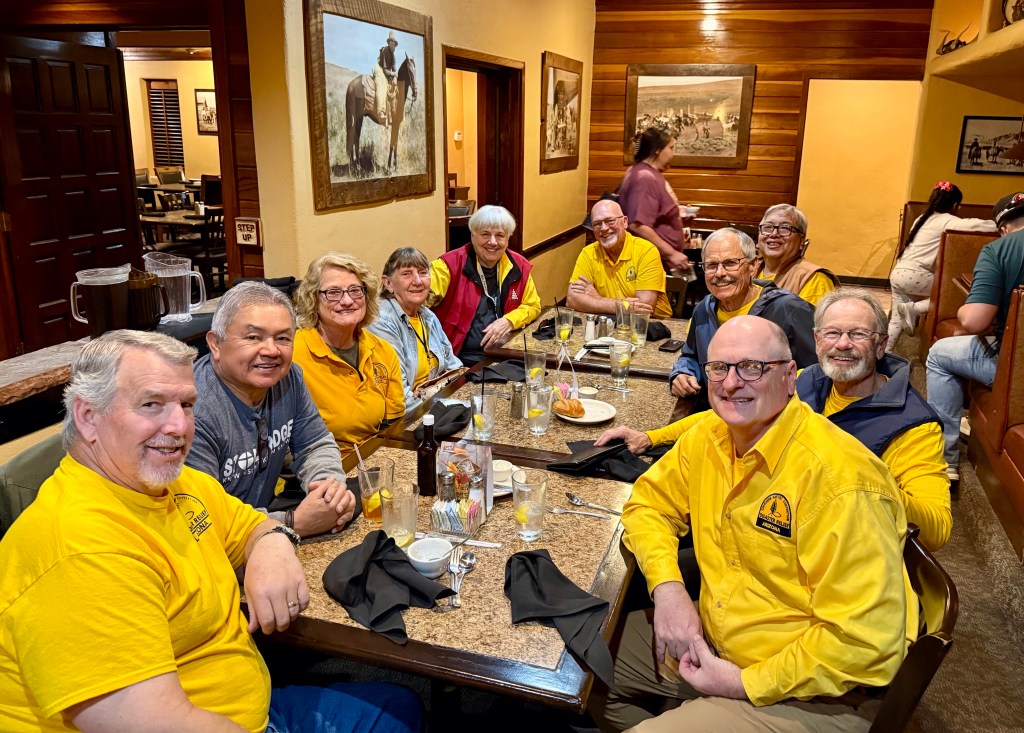
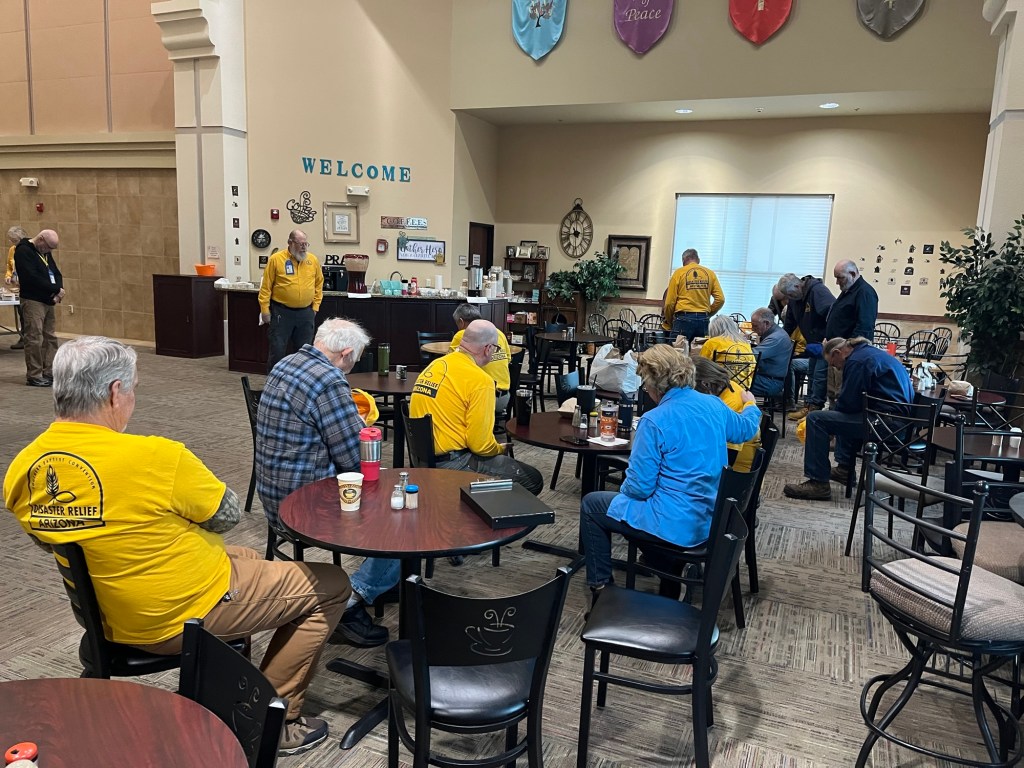
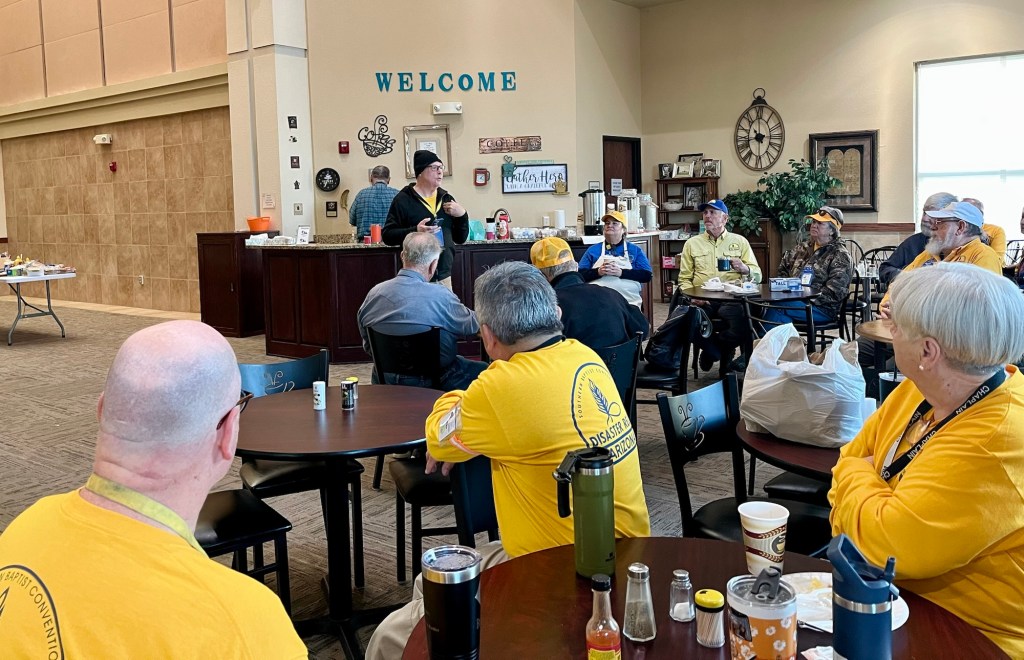
Arizona SBC Disaster Relief served the residents of Globe after the city suffered from a deadly flood. We had the privilege to represent AZDR at their celebration. I have to admit I didn’t want to go, but Norm was part of the recovery team that served the Lord in 2025 here in Globe, so I went and was, of course, blessed by the Lord…As you can see in this photo, we had the best looking table …The celebration just getting started…Preparing to present the colors…The Bag-Piper (🤷♂️) led the way on a memorial walk…A year ago this restaurant was flooded…We enjoyed a good dinner 😎
“For I can do everything through Christ, who gives me strength.” Philippians 4:13 NLT
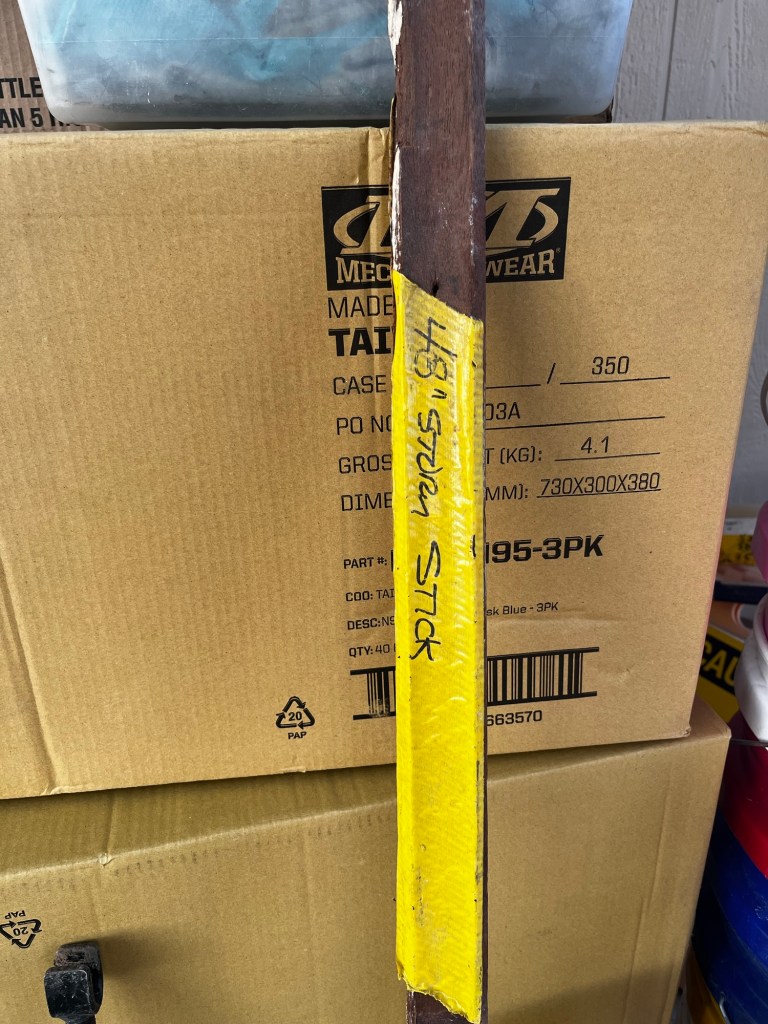
Yes Norm, it is 😎From the old days of flood recovery, before we could afford a measuring tape…
“It shall greatly help thee to understand Scripture if thou mark not only what is spoken or written, but of whom to whom, with what words, at what time, where, and to what intent, under what circumstances, considering what goeth before and what followeth.”
“but grow in the grace and knowledge of our Lord and Savior Jesus Christ. To Him be the glory both now and forever. Amen.” II Peter 3:18 NKJV
True knowledge is to know Jesus Christ as He is revealed to us by the Word of God, the Bible. This is the secret of life and Christian living.
The Apostle Peter obeyed Him as Lord, Peter loved Jesus as Savior, Peter adored Jesus as the greatest human, Peter worshipped Jesus Christ as the mighty anointed Son of God,
Thou art the Christ, the Son of the Living God…
We mutter and sputter;
We fume and we spurt;
We mumble and grumble;
Our feelings get hurt.
We can’t understand things;
Our vision grows dim,
When all that we need
Is a moment with Him
— Mary Helen Anderson
We must spend time with Him, as He is revealed in His word- that is how we grow in our knowledge of Jesus Christ!!!
A sheep gets lost. The shepherd finds the sheep. The shepherd has to find it because it cannot walk home.
In Luke 15, Jesus is answering the religious leaders who are furious with Him, He is eating with sinners. Jesus tells them a story- a shepherd has 100 sheep. One of them wanders off. The shepherd leaves the 99, and goes after the one, and He finds it.
“The shepherd goes after the lost sheep, God pursues you.” that is what we usually hear or read. This is true, but we can miss the moment that the sheep is finally found.
Luke 15:5. “And when He hath found it, He layeth it on His shoulders, rejoicing.” Read that again, verse 5. Jesus dosen’t point the sheep home. He dosen’t nudge it forward, He carries the sheep.
This is how real shepherding worked at the time the Scripture was written. A sheep that has been lost is not wandering. It’s exhausted, disoriented, and often stuck in brush, stranded on a ledge, or so wasted and tired, it cannot stand.
A sheep can become ‘cast.’ It would be flipped or pinned in a position that it cannot recover from alone. Left that way, a cast sheep dosen’t recover with time. Gas will build in their stomach, the circulation to their legs gets cut off. Without help, it will die within hours. Not from an attack, but from not being able to save itself.
That’s the animal the Shepherd finds. Not a sheep that needs directions. He finds a sheep that needs lifted. There is only one thing the Shepherd can do to save this sheep. He puts it on His shoulder. The place of strength. Jesus is able to save to the uttermost.
The full weight of the animal, carried the entire way back, across the same rough terrain that got it lost in the first place.
The sheep contributes nothing to the return trip. It just stays on His shoulders.
Who is Jesus telling this to? Tax collectors. Sinners. People the religious leaders considered too far gone, too stuck, not worth the effort.
Jesus is not describing a God who waits at the finish line for you to find your way back. He’s describing one who carries the weight of the return Himself.
This reframes what “coming back to God” was ever supposed to look like. Not gritting your teeth and finding your own way out of the mess. Not proving you can walk the road back before you’re allowed near Jesus. The picture is Jesus, a body slung over His shoulder, being carried the whole distance.
What happens when He gets home? Verse 6, “He calleth together his friends and neighbors, saying unto them, rejoice with me.” Not relief that the sheep finally made it. Joy that He got to carry it. The rejoicing isn’t over the sheep’s effort. It’s over the finding.
The lost sheep never finds it’s own way home. It’s too lost, too stuck, too spent physically to ever be the plan. The Shepherd goes out and lifts the full weight and carries on His shoulders, home.
That was never a story about you finding your way to God. It was always about being carried.
In the Old Testament, the high priest of Israel wore an ephod and on each shoulder were stones, one on the left and one on the right engraved with the 12 tribes of Israel. The high priest carried the children of Israel on his shoulders. Our Great High Priest is Jesus. Jesus carries us on His shoulders, and we will not become lost. When He starts out with 100 sheep, He will come through with 100 sheep.
Vs.6 …”for I have found my sheep which were lost.” Psalm 119:176, “I have gone astray like a lost sheep; seek thy servant; for I do not forget thy commandments.
As long as the Word of God is in your heart, as long as there is a longing deep within you to come to God, the Shepherd is out looking for you. He will put you on His shoulder and bring you back into the fold…
“The servant-leader is servant first. It begins with the natural feeling that one wants to serve. Then conscious choice brings one to aspire to lead. The best test is: do those served grow as persons; do they, while being served, become healthier, wiser, freer, more likely to become servants?”
Robert K. Greenleaf
“And now, a word to you who are elders in the churches. I, too, am an elder and a witness to the sufferings of Christ. And I, too, will share in his glory when he is revealed to the whole world. As a fellow elder, I appeal to you: Care for the flock that God has entrusted to you. Watch over it willingly, not grudgingly—not for what you will get out of it, but because you are eager to serve God. Don’t Lord it over the people assigned to your care, but lead them by your own good example. And when the Great Shepherd appears, you will receive a crown of never-ending glory and honor. In the same way, you who are younger must accept the authority of the elders. And all of you, dress yourselves in humility as you relate to one another, for “God opposes the proud but gives grace to the humble.” So humble yourselves under the mighty power of God, and at the right time he will lift you up in honor.” 1 Peter 5:1-6 NLT
It visualizes tens of thousands of cross-references throughout the Bible. Every arc connects one passage of Scripture to another – sometimes written hundreds of years apart.
Genesis connects to the Prophets.
The Prophets connect to the Gospels.
The Gospels connect to the Epistles.
And it all comes together in Revelation.
The Bible opens with the Tree of Life in Genesis and closes with the Tree of Life in Revelation.
Different writers.
Different centuries.
Different cultures.
Yet one voice.
How?
Because behind the human hands was a divine Author.
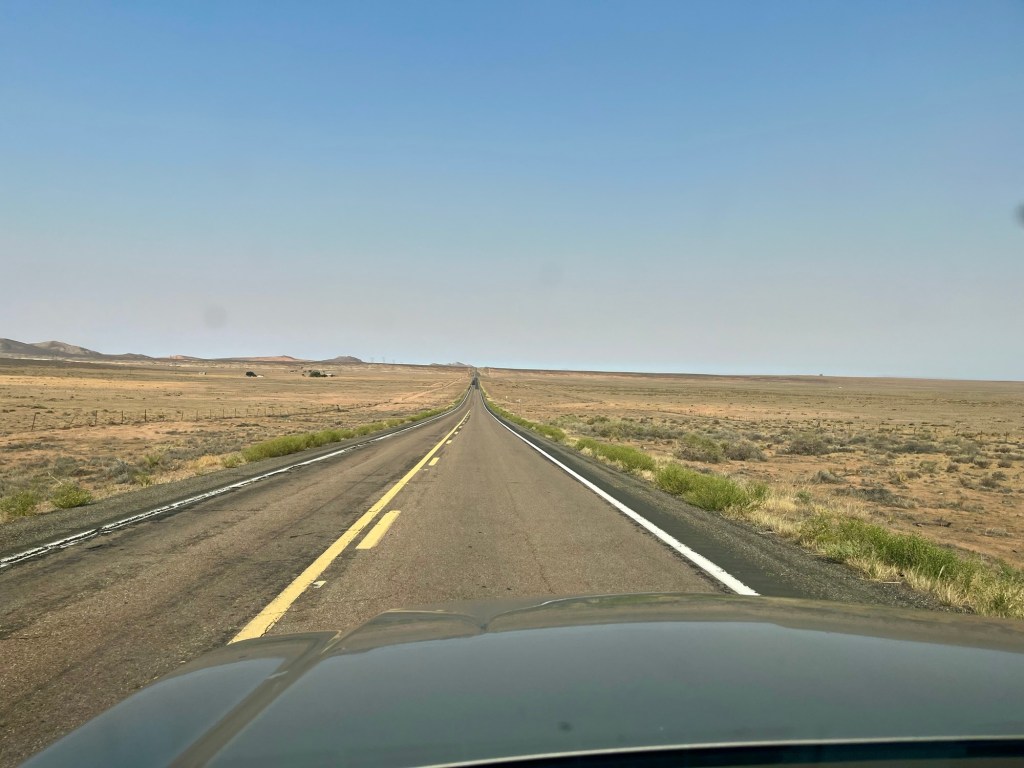
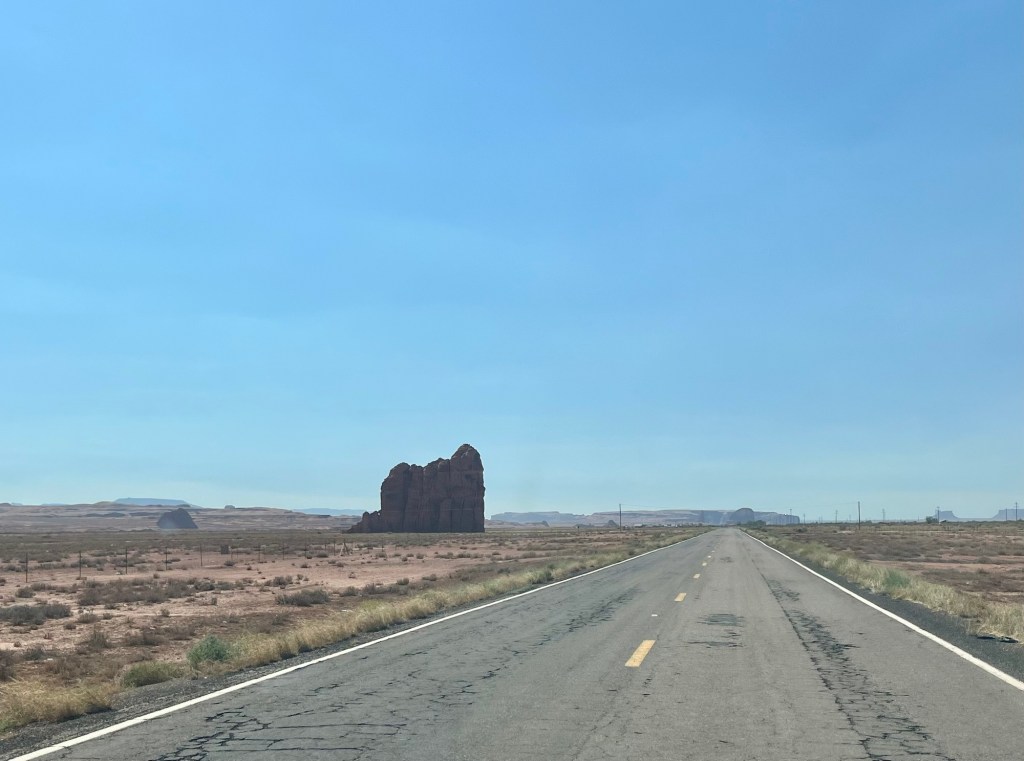
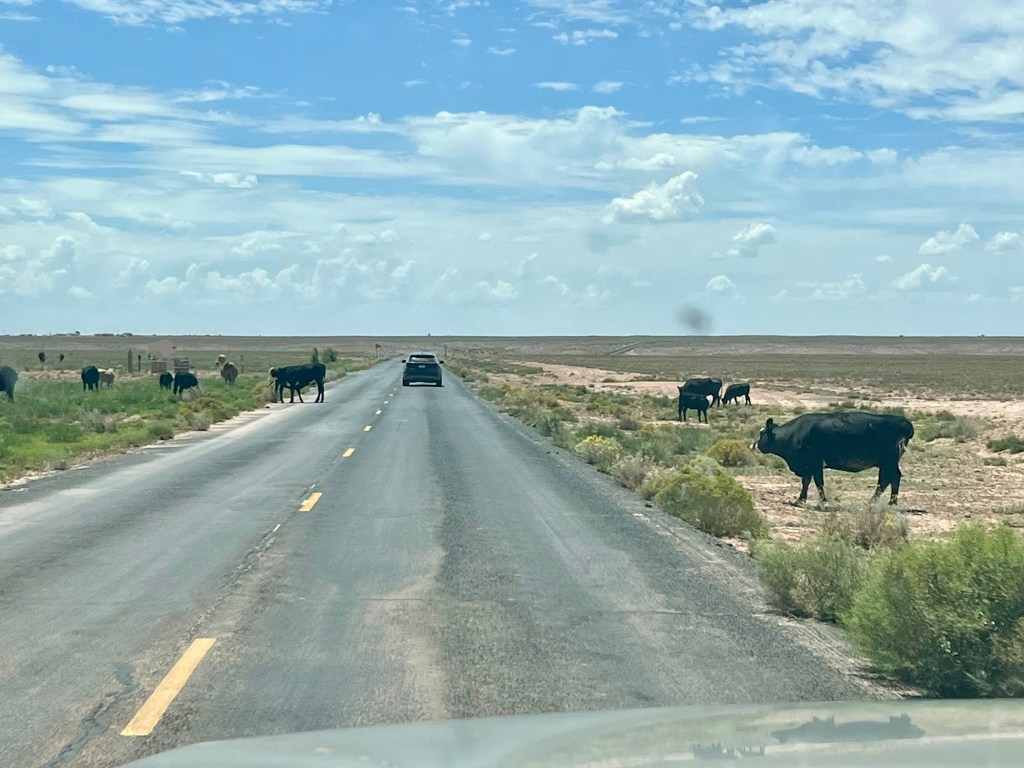
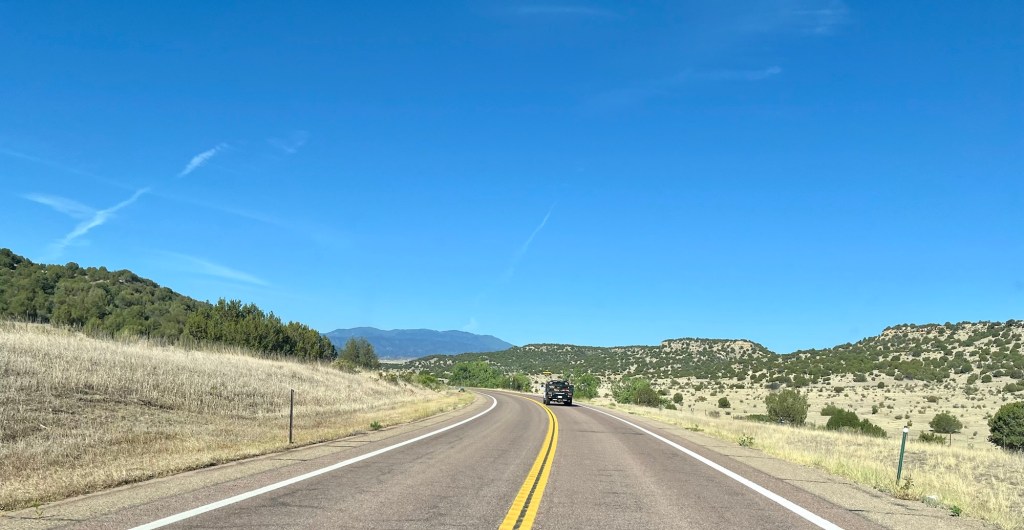
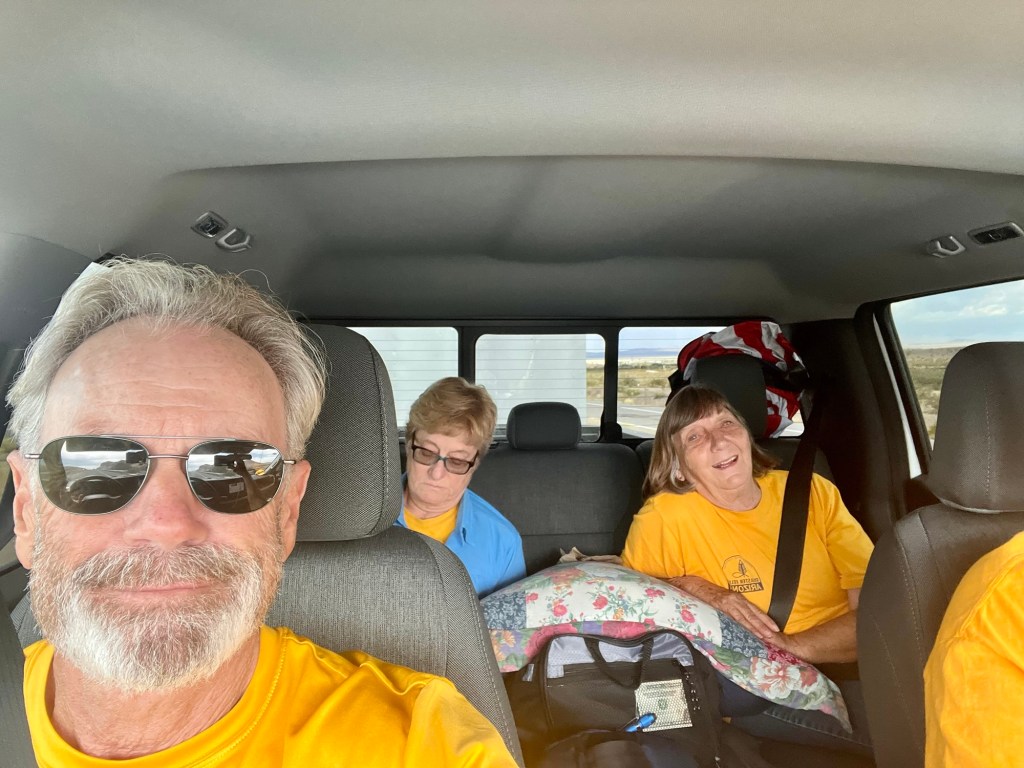
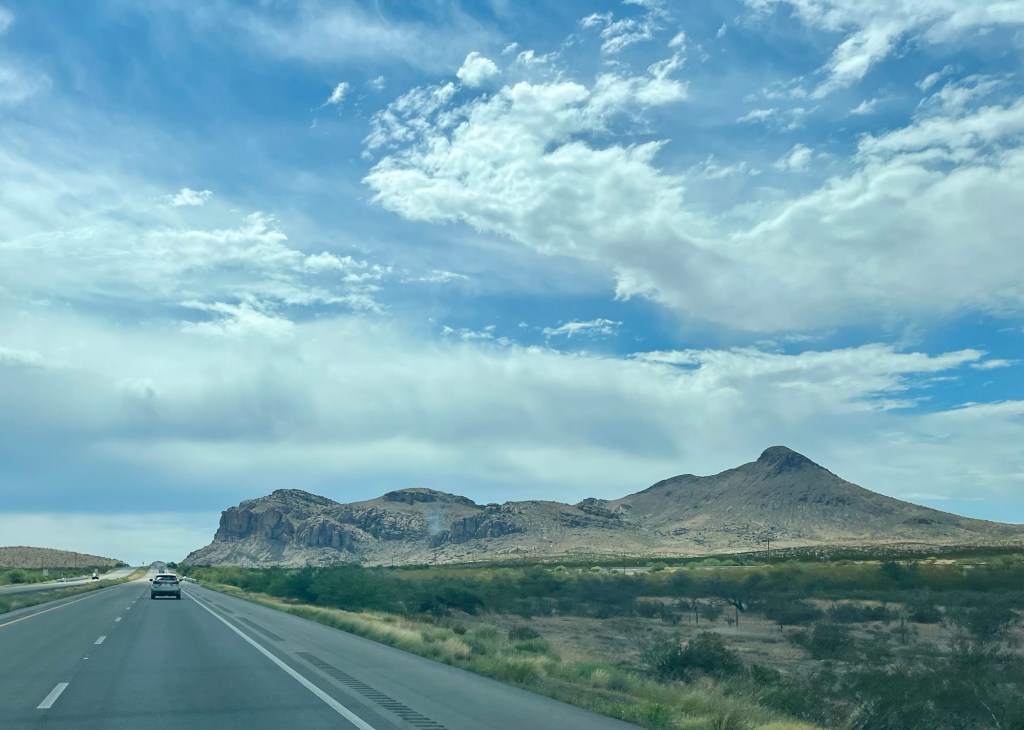
We traveled from Cortez Colorado to Congress Arizona, with a stop in Prescott…We cruised through the Navajo Nation. Great scenery but the roads are terrible…Cows on the highway. We had an outstanding two day road trip…praise God we are home safe!
“But the word of God grew and multiplied.” Acts 12:24 NKJV
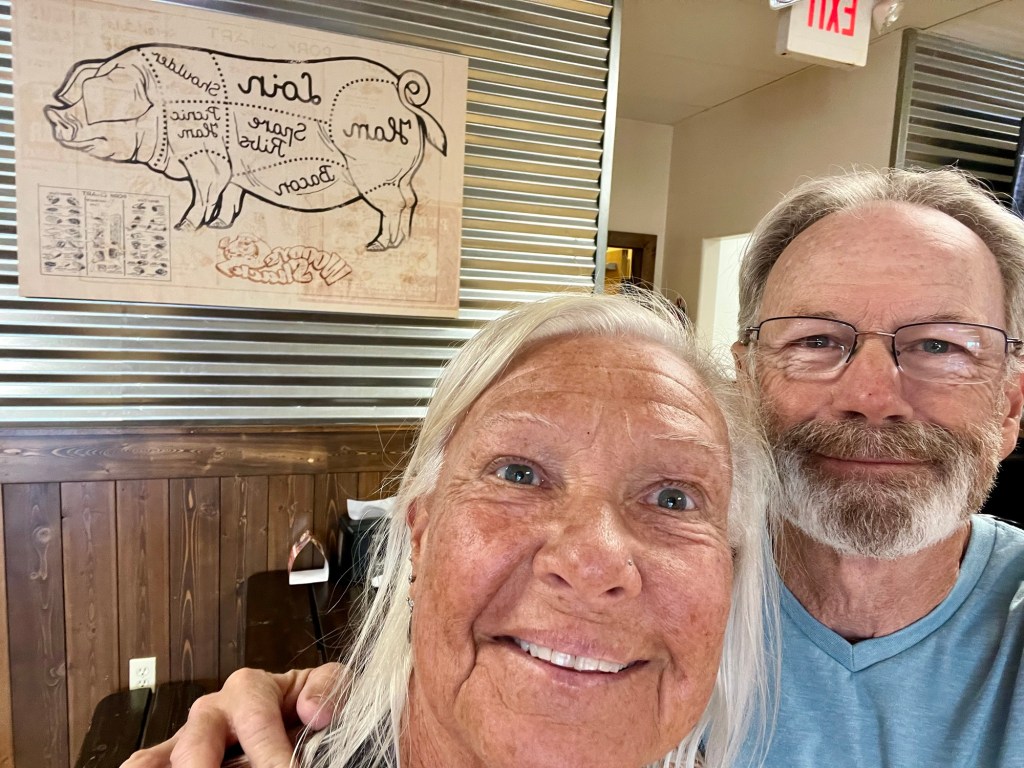
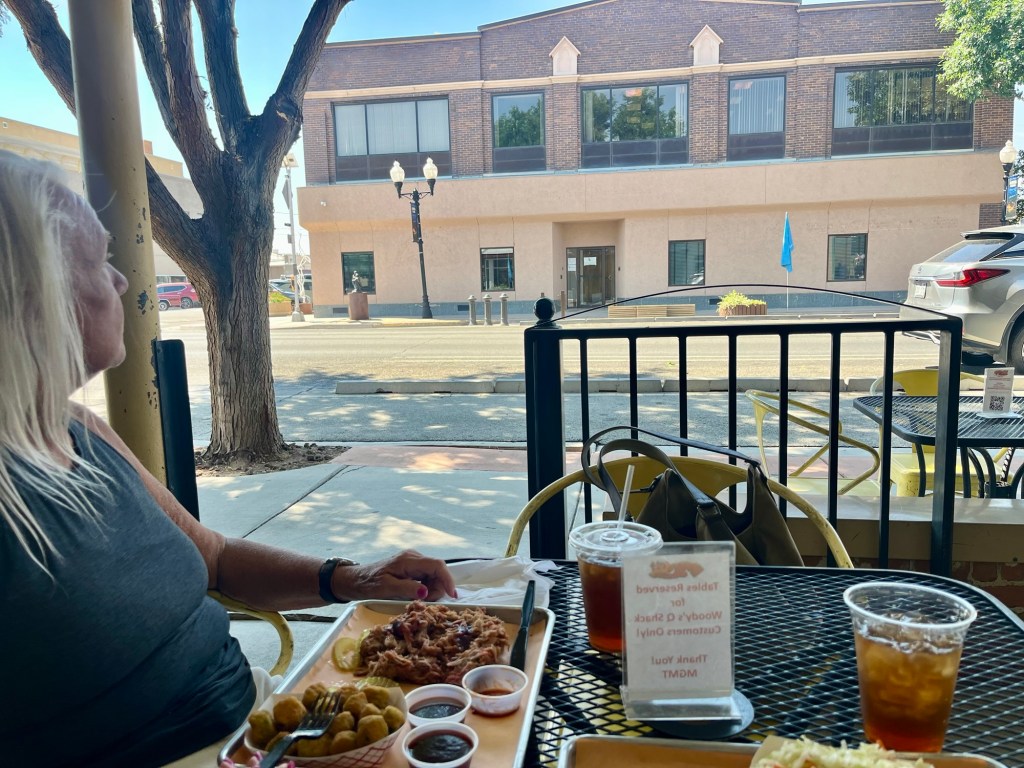
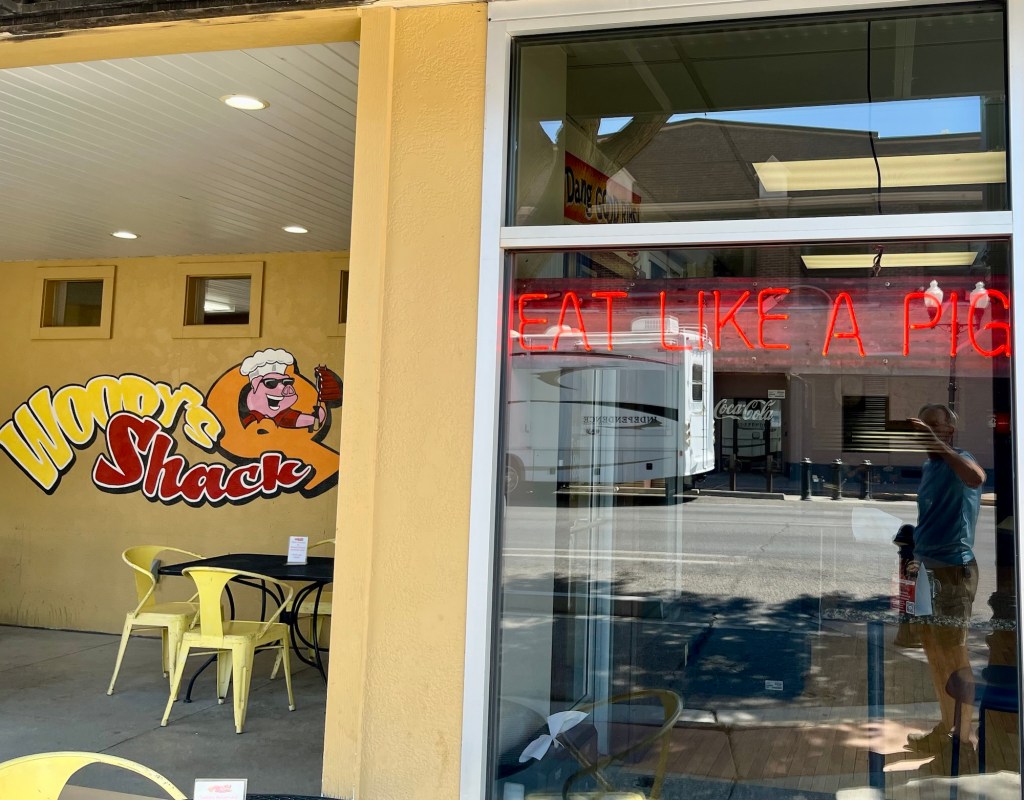
It’s always kind of sad, happy, hoping when it’s time to roll out after our mission trips serving the Lord in Disaster Relief. I always feel I could have done a better job. The teams still at work are from Arizona, California and Colorado. Our first meal on the road was BBQ, of course…Downtown Alamosa…We didn’t exactly, but it was good…We are at the Retro Inn in Cortez Colorado. Terrific drive on Highway 160 westbound…All from our room…
“And the hand of the Lord was with them, and a great number believed and turned to the Lord.” Acts 11:21 NKJV
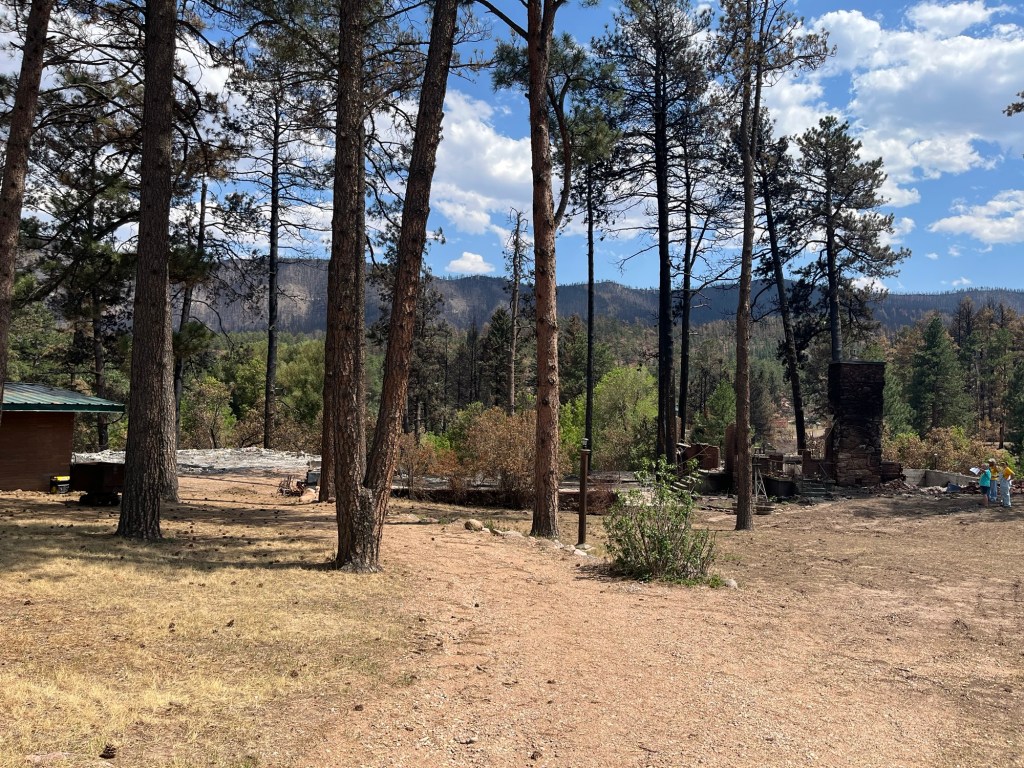
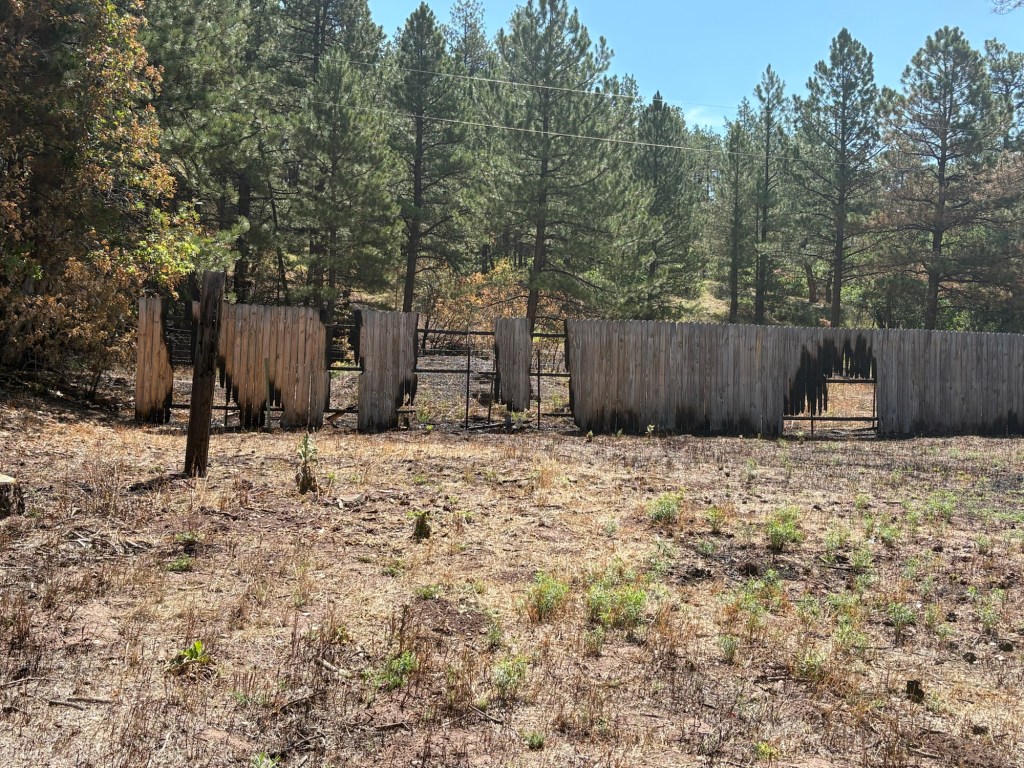
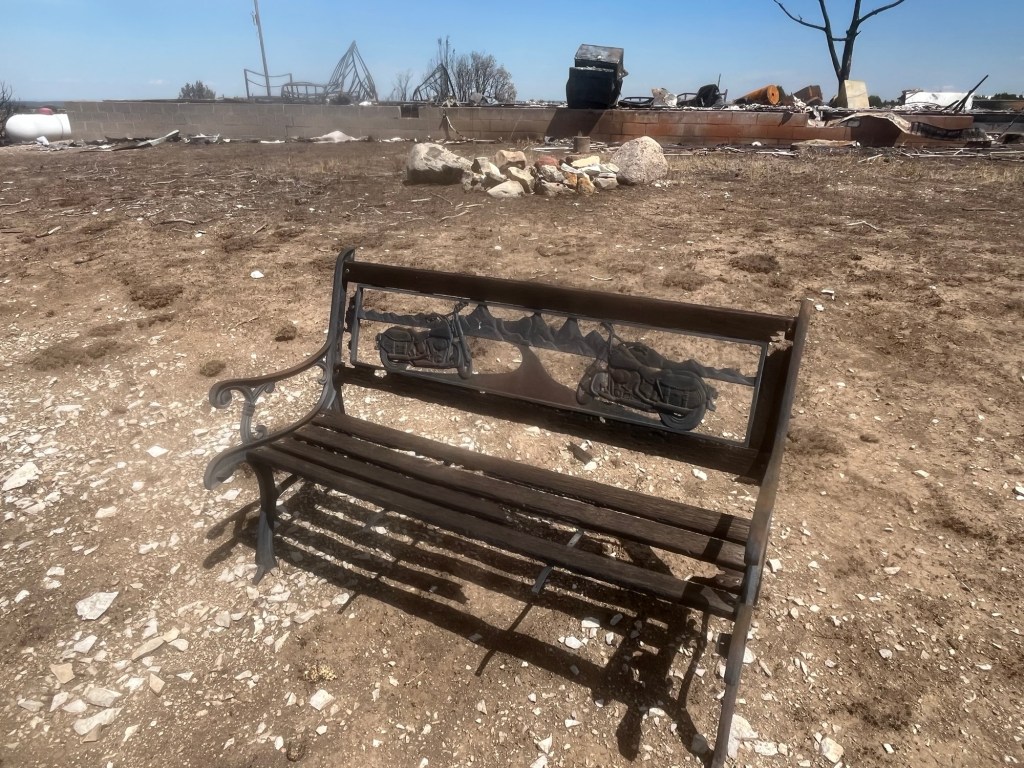
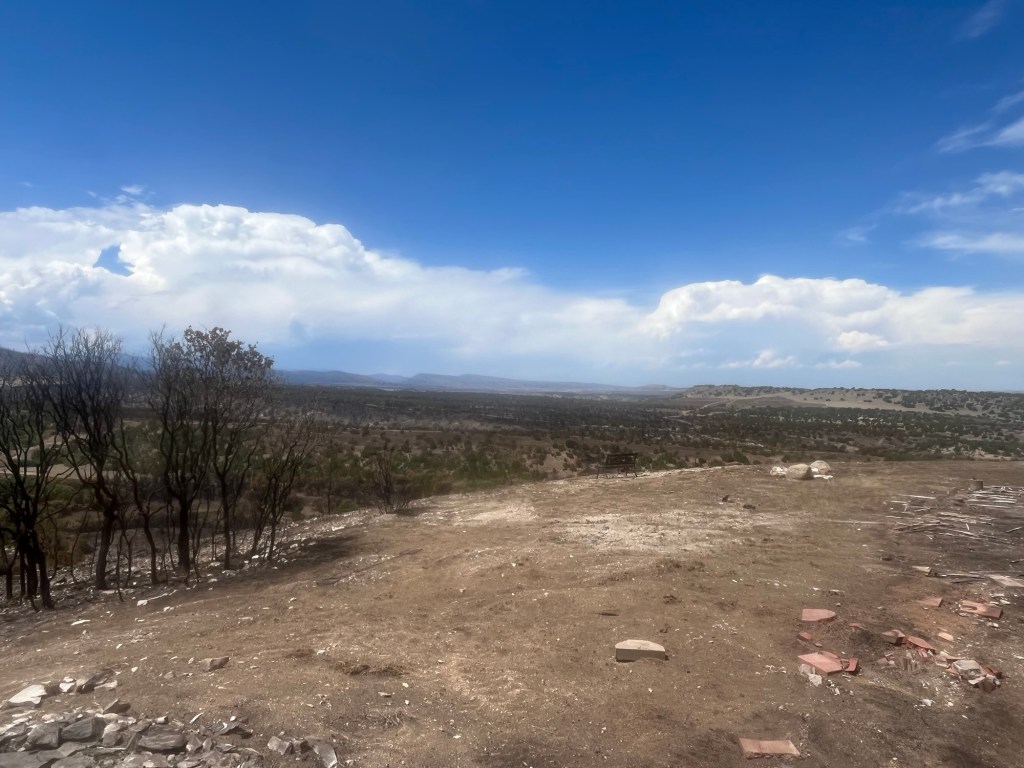
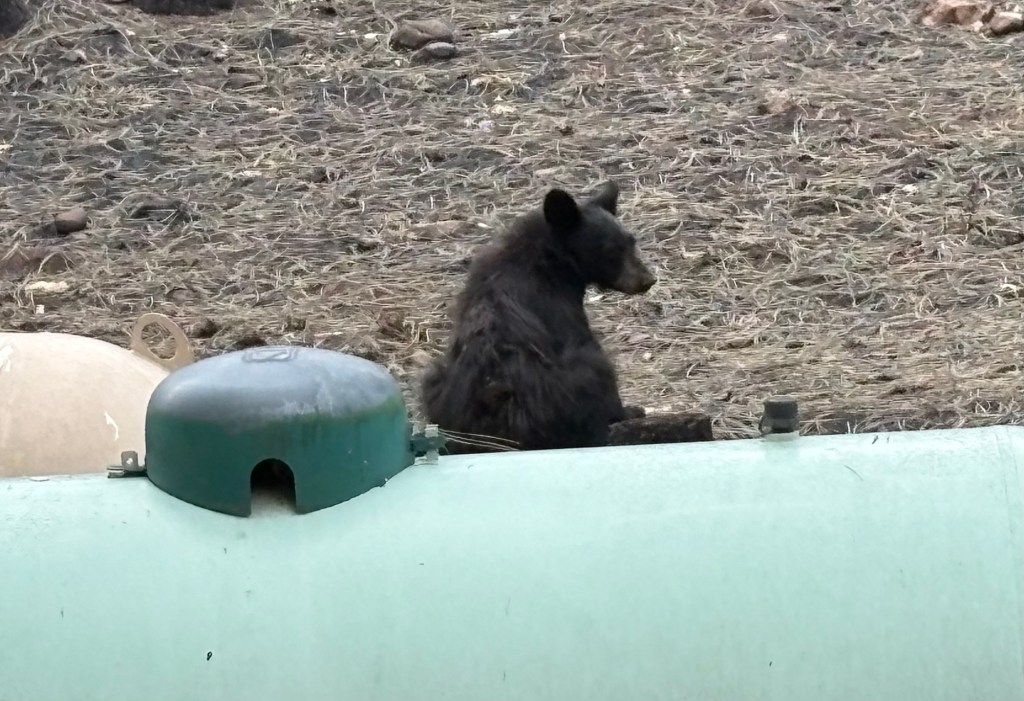
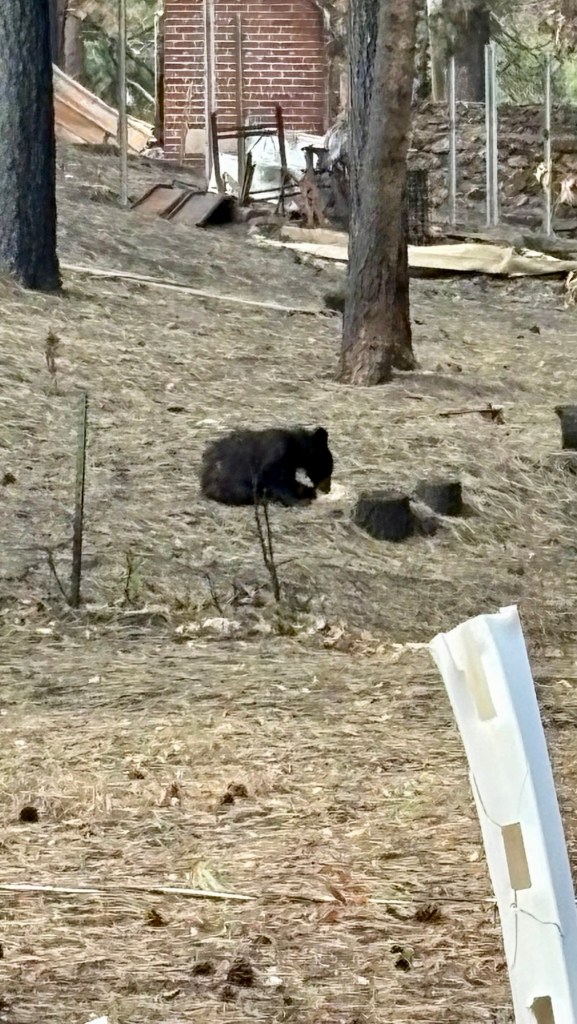
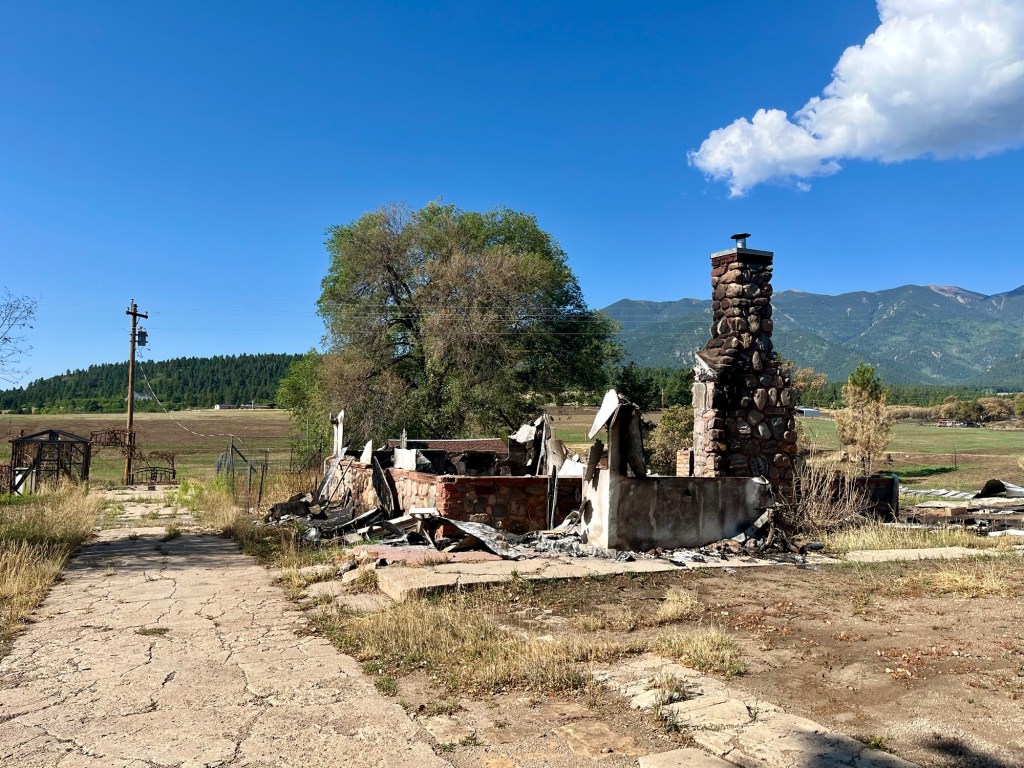
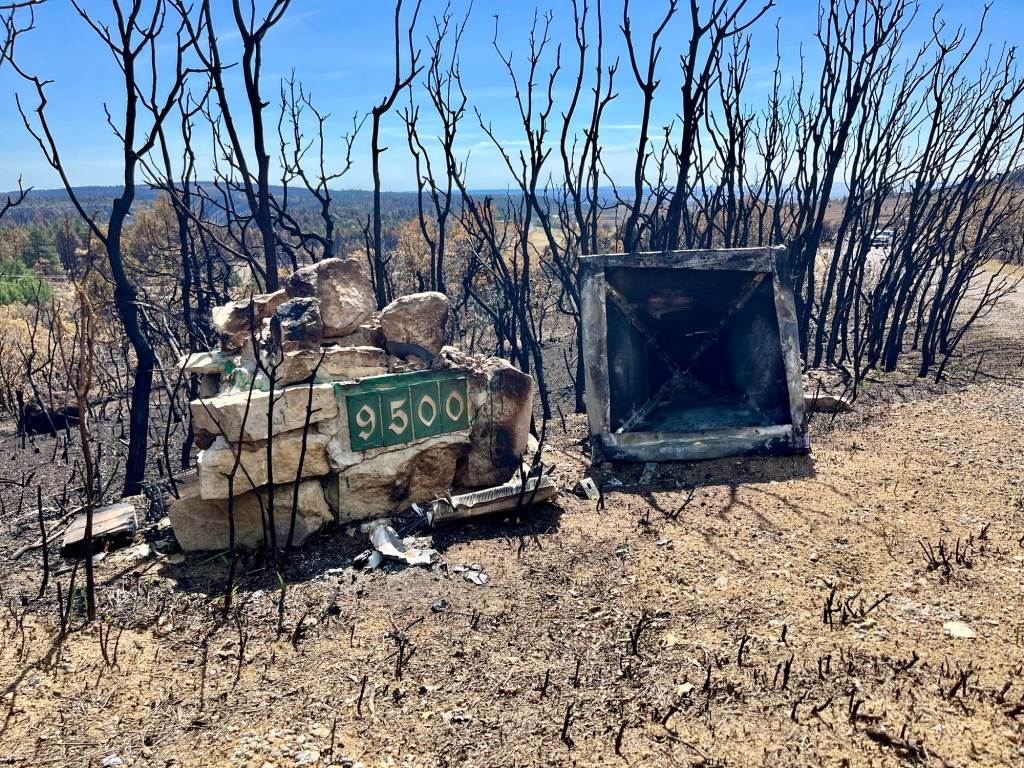
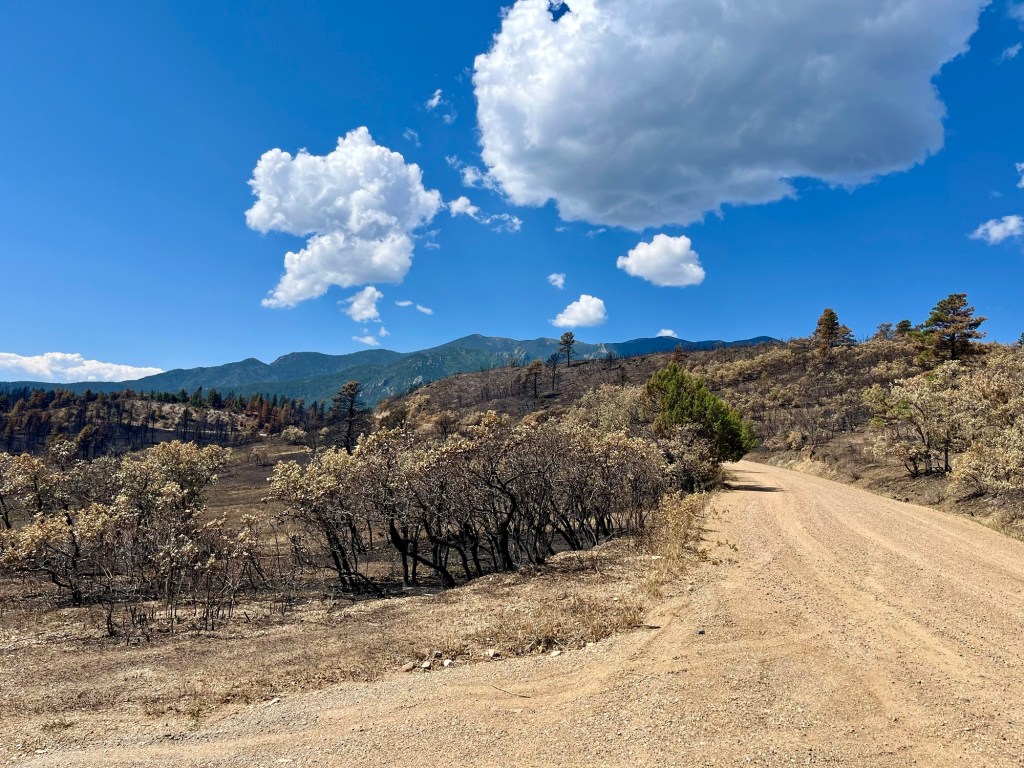
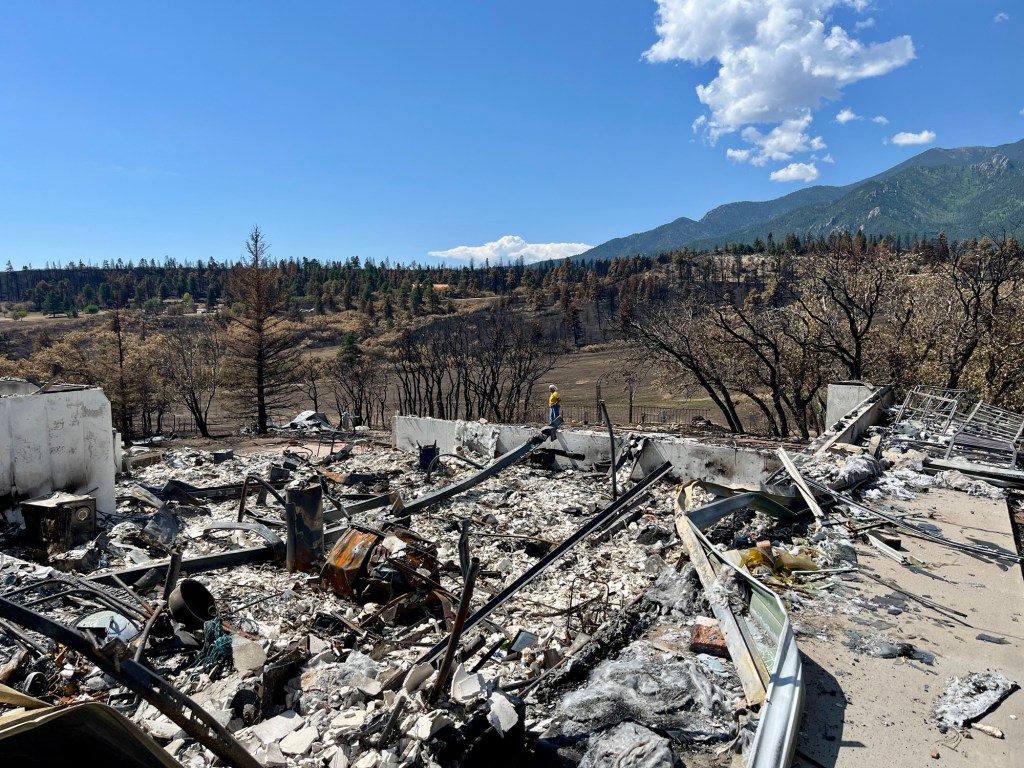
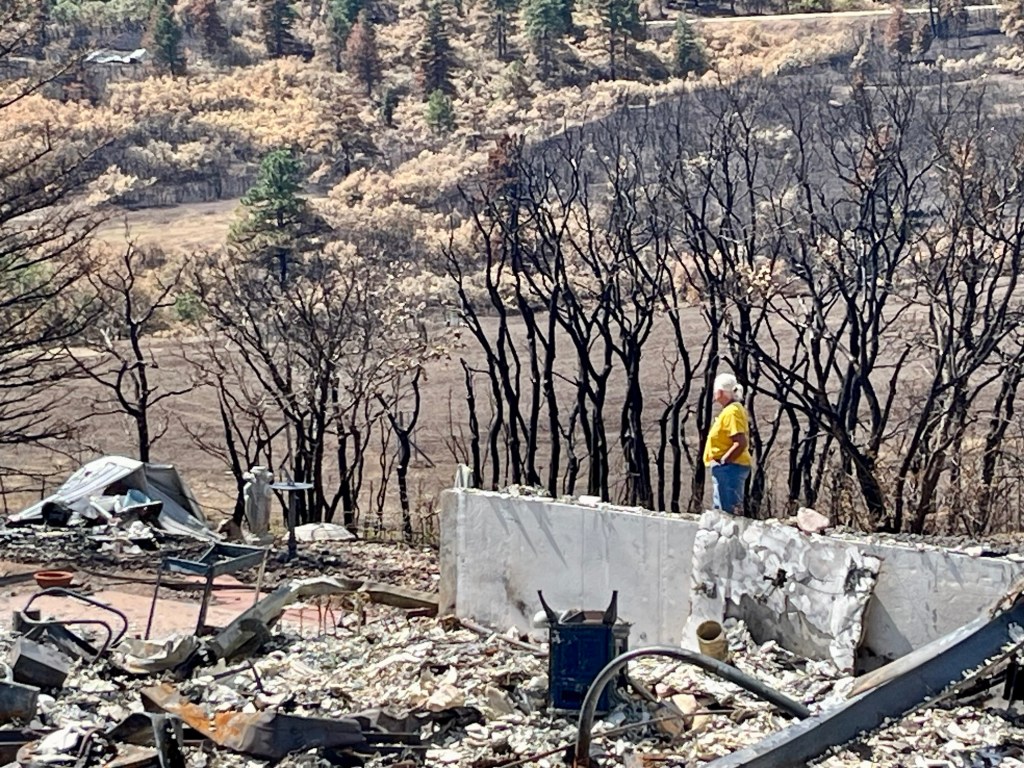
Hawaii DR Stef, gave our morning devotion and it was a good one- “We need daily to be filled with the Holy Spirit because we leak.”My new friend Silas, we talked dirt bikes, wrestling and computers. His house was destroyed by the fire…Six months of canned food has become a favorite for the local bears
“But the voice spoke again: “Do not call something unclean if God has made it clean.”” Acts of the Apostles 10:15 NLT
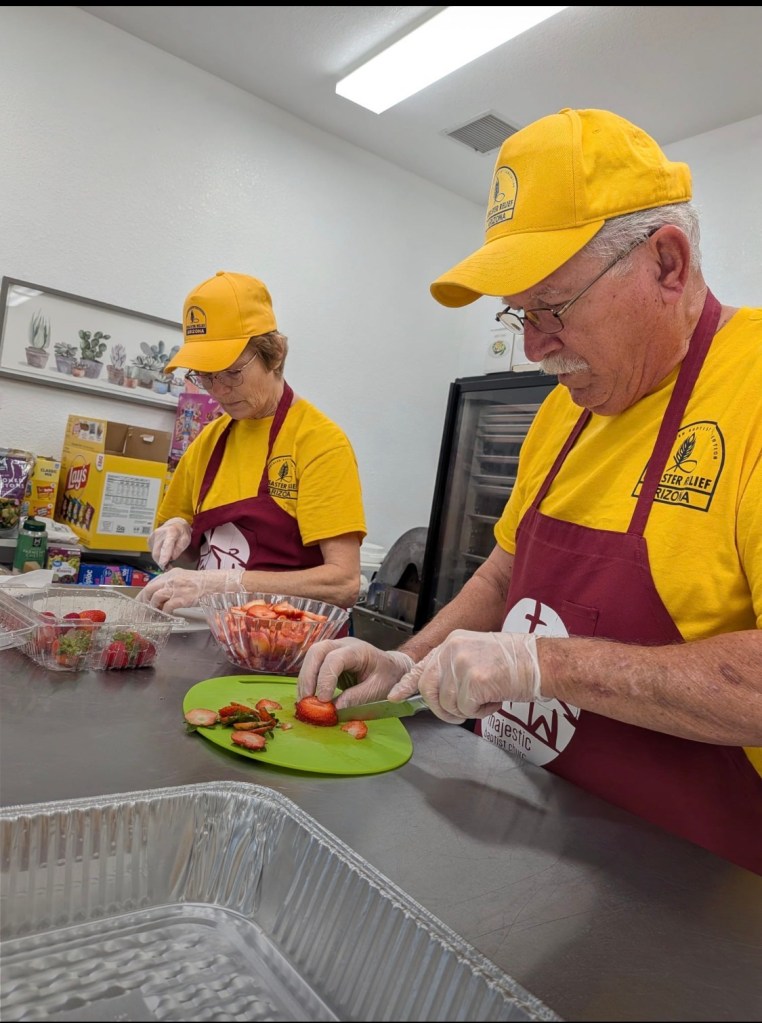
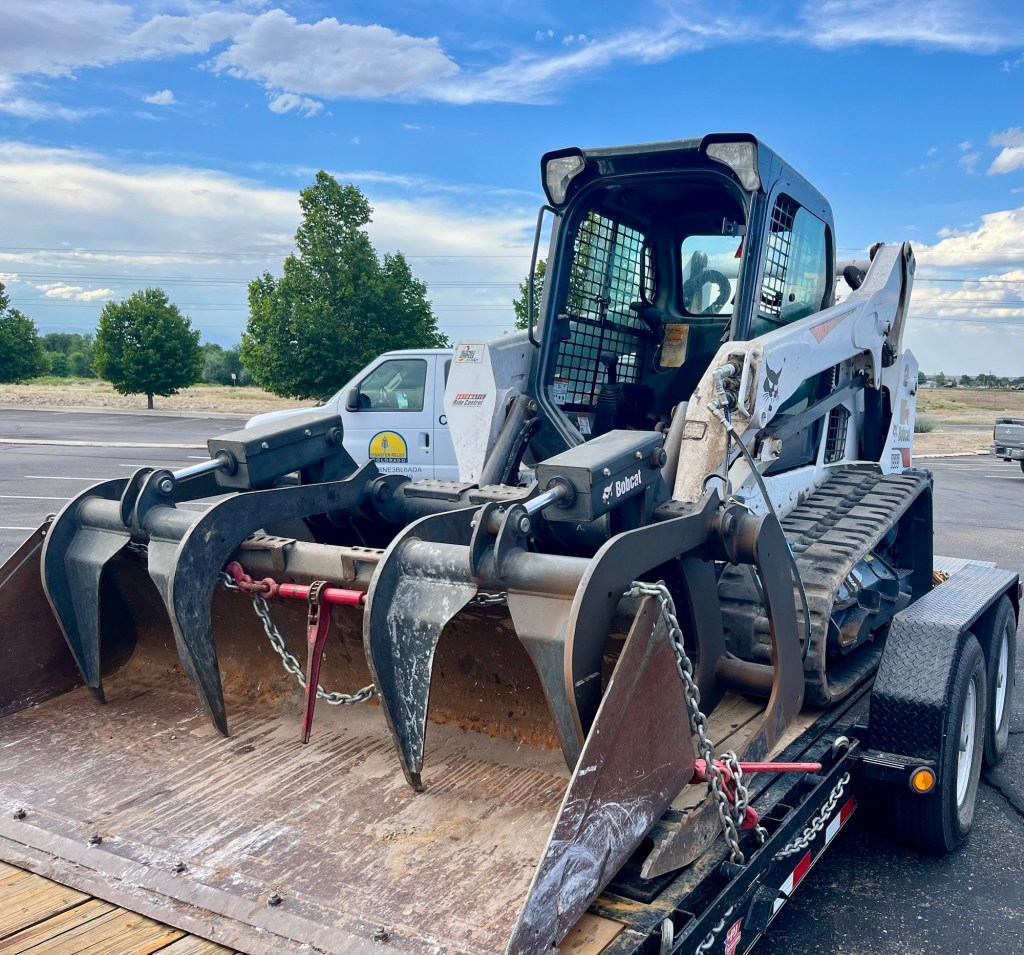
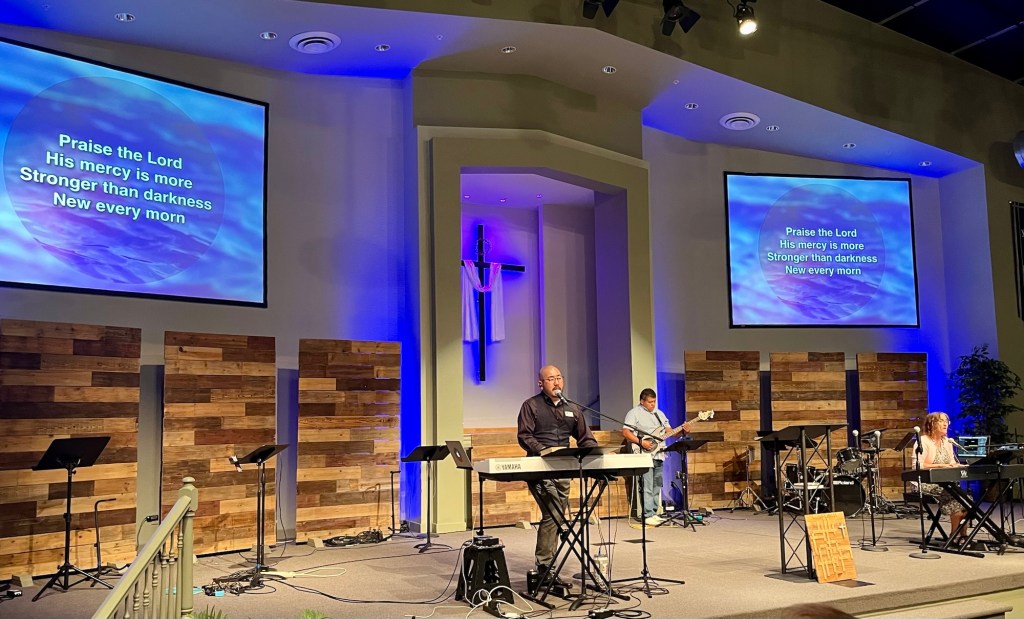
Today we took Sunday off and attended a great worship service at Majestic Baptist church. This was our eating place today as the kitchen team is also off today…A church member made us these cool sifters. I think they are going out in the field tomorrow…This was the Arizona team from a few days ago…This is the New Mexico Disaster Relief kitchen team that just rolled out. They fed us well…AZDR Feeding is now on site…One of our two Oklahoma Disaster Relief skid steer operators. They are the best…
““Who are you, Lord?” Saul asked. And the voice replied, “I am Jesus, the one you are persecuting! Now get up and go into the city, and you will be told what you must do.”” Acts of the Apostles 9:5-6 NLT
“You contribute nothing to your salvation except the sin that made it necessary.” – Jonathan Edwards
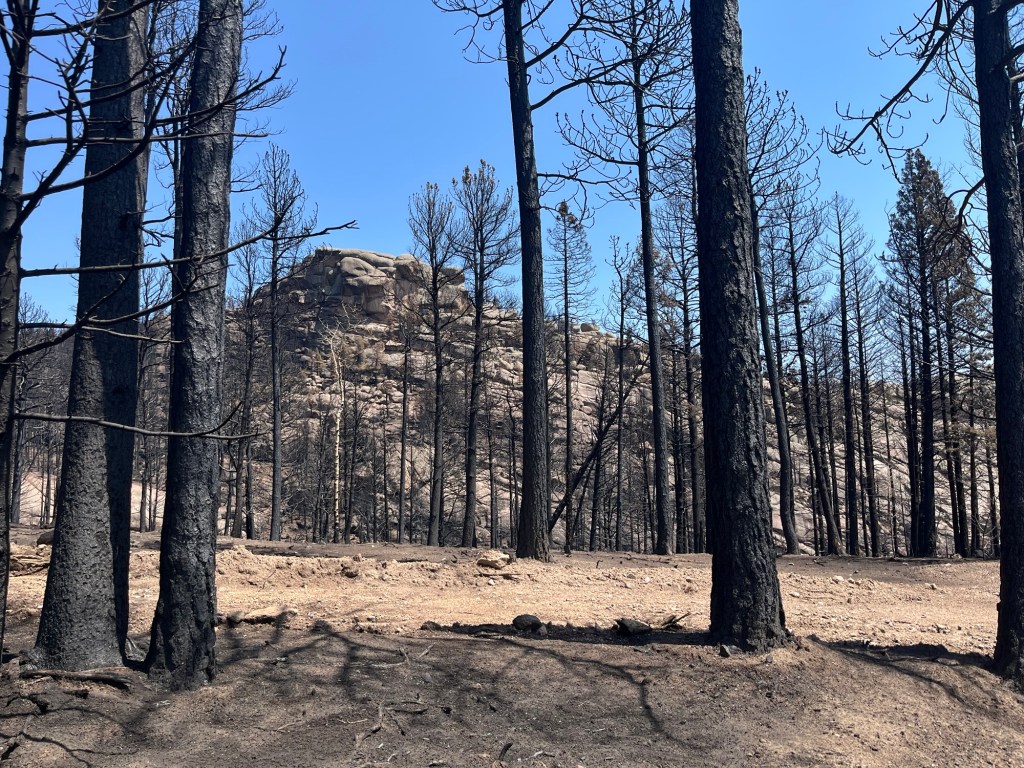
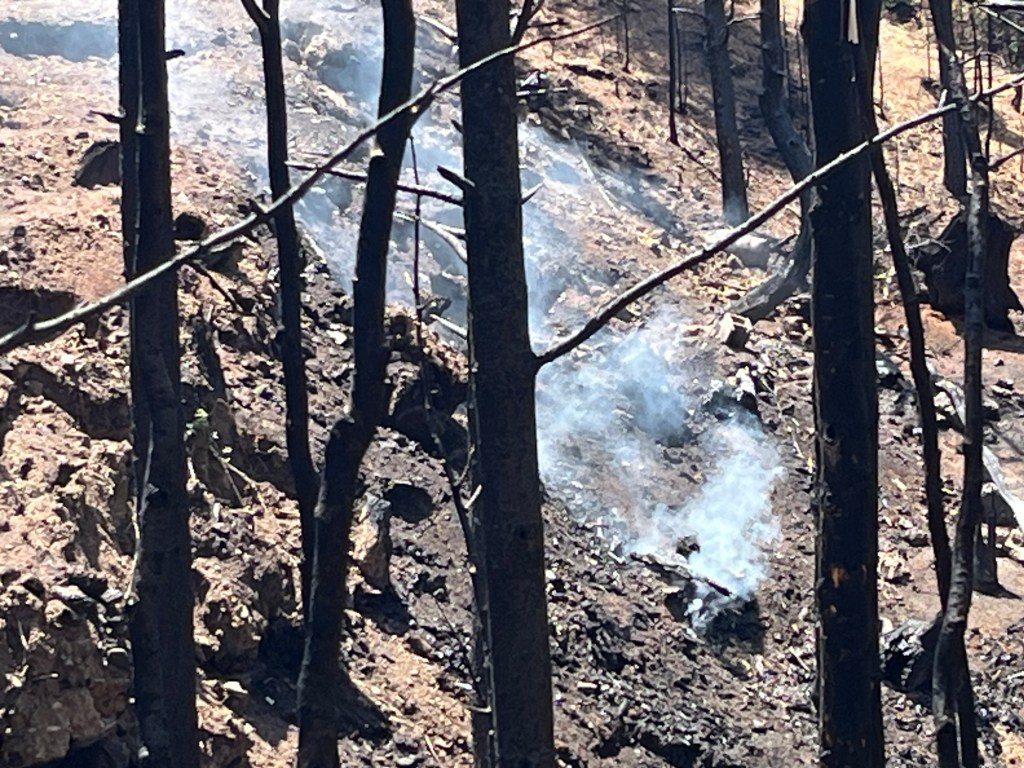
I forgot to mention that Norm caught up with her special friend from our Morgan City callout, Oklahoma Alan, a skid steer Master…This was a hot fire…Norm draws trees…We found a hot spot…We did 6 jobs today!!!
““Who are you, Lord?” Saul asked. And the voice replied, “I am Jesus, the one you are persecuting! Now get up and go into the city, and you will be told what you must do.”” Acts of the Apostles 9:5-6 NLT
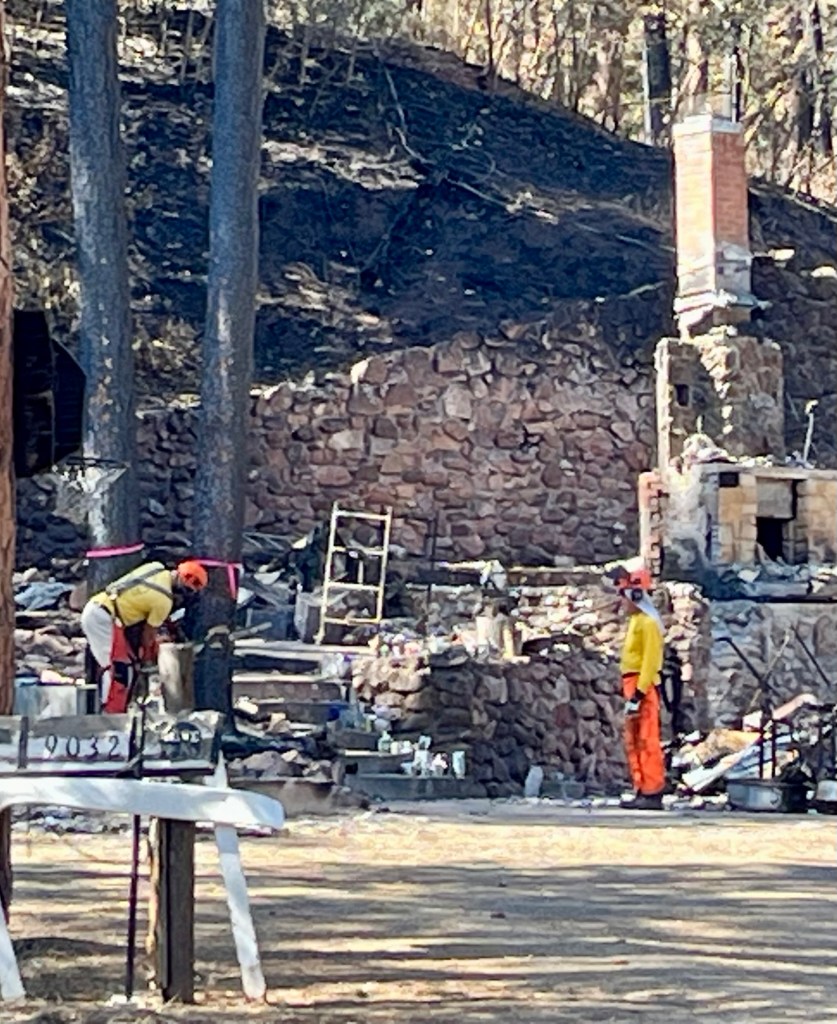
Just a couple of properties away, this fella was enjoying his breakfast…We did a sifting, personal property recovery job today. This is Norm in her normal search position. She is pretty incredible in her ability to find treasure out of rubble…Norm is on the left and Colorado Majestic Church volunteer Sherry is on the right. She was a great asset and we were glad that God sent her to help us. Some perspective…Sherry, Norm and myself, just before jumping in the truck because of lightning…
“As for Philip, an angel of the Lord said to him, “Go south down the desert road that runs from Jerusalem to Gaza.” So he started out, and he met the treasurer of Ethiopia, a eunuch of great authority under the Kandake, the queen of Ethiopia. The eunuch had gone to Jerusalem to worship, and he was now returning. Seated in his carriage, he was reading aloud from the book of the prophet Isaiah. The Holy Spirit said to Philip, “Go over and walk along beside the carriage.” Philip ran over and heard the man reading from the prophet Isaiah. Philip asked, “Do you understand what you are reading?” The man replied, “How can I, unless someone instructs me?” And he urged Philip to come up into the carriage and sit with him. The passage of Scripture he had been reading was this: “He was led like a sheep to the slaughter. And as a lamb is silent before the shearers, he did not open his mouth. He was humiliated and received no justice. Who can speak of his descendants? For his life was taken from the earth.” The eunuch asked Philip, “Tell me, was the prophet talking about himself or someone else?” So beginning with this same Scripture, Philip told him the Good News about Jesus. As they rode along, they came to some water, and the eunuch said, “Look! There’s some water! Why can’t I be baptized?” He ordered the carriage to stop, and they went down into the water, and Philip baptized him. When they came up out of the water, the Spirit of the Lord snatched Philip away. The eunuch never saw him again but went on his way rejoicing. Meanwhile, Philip found himself farther north at the town of Azotus. He preached the Good News there and in every town along the way until he came to Caesarea.” Acts of the Apostles 8:26-36, 38-40 NLT
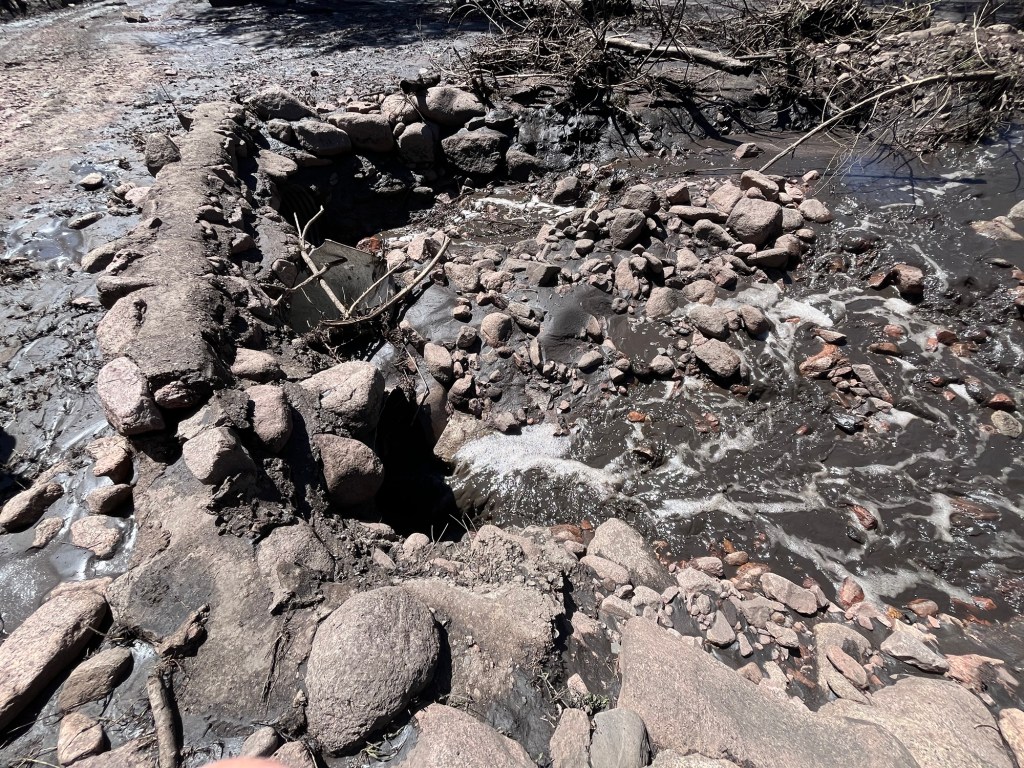
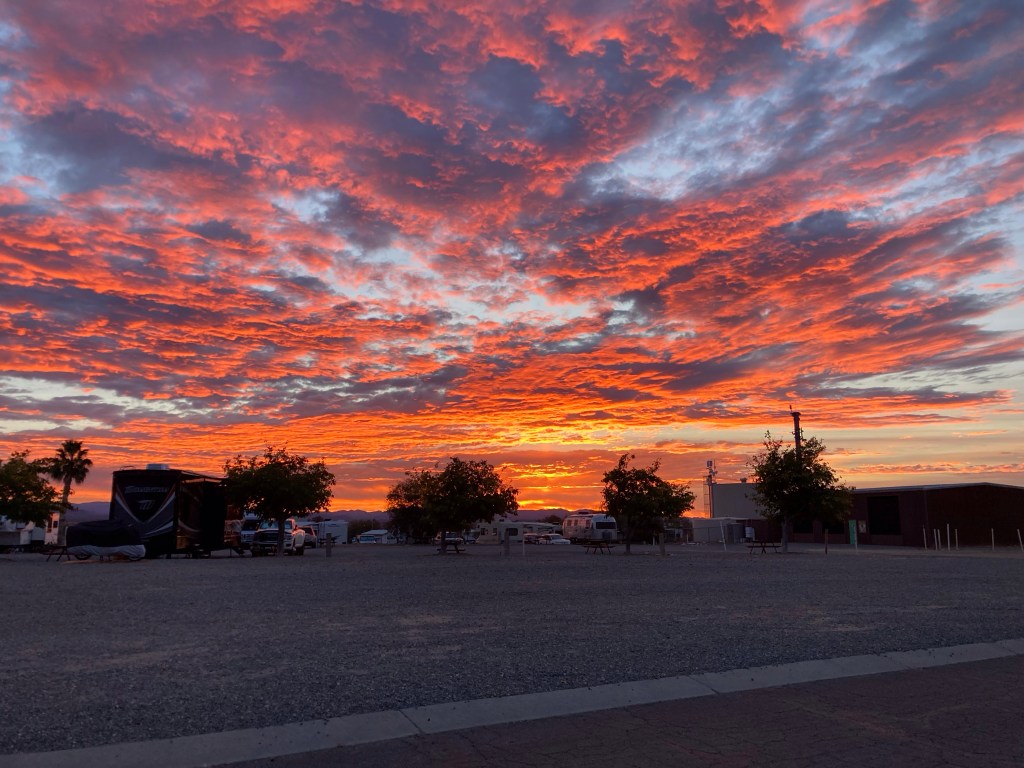
We now have flooded homes in the burn scar…The water washed this trailer down to these trees…New life…Norm in her office…I often ponder what you do when your truck overheats above 9000 feet elevation, a mile back a dirt road, uphill with no cell service???The three of us made a good team…A beautiful Colorado sunset, thanks Bruce…
“So God’s message continued to spread. The number of believers greatly increased in Jerusalem, and many of the Jewish priests were converted, too.” Acts of the Apostles 6:7 NLT
“‘Heaven is my throne, and the earth is my footstool. Could you build me a temple as good as that?’ asks the Lord. ‘Could you build me such a resting place? Didn’t my hands make both heaven and earth?’” Acts of the Apostles 7:49-50 NLT
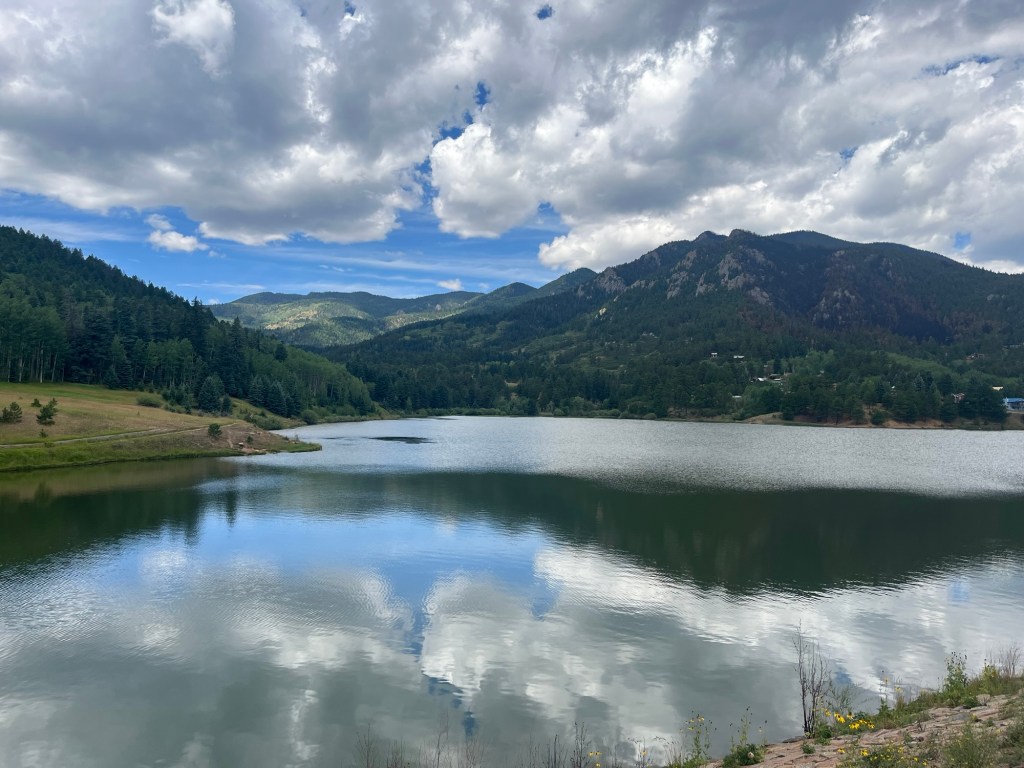
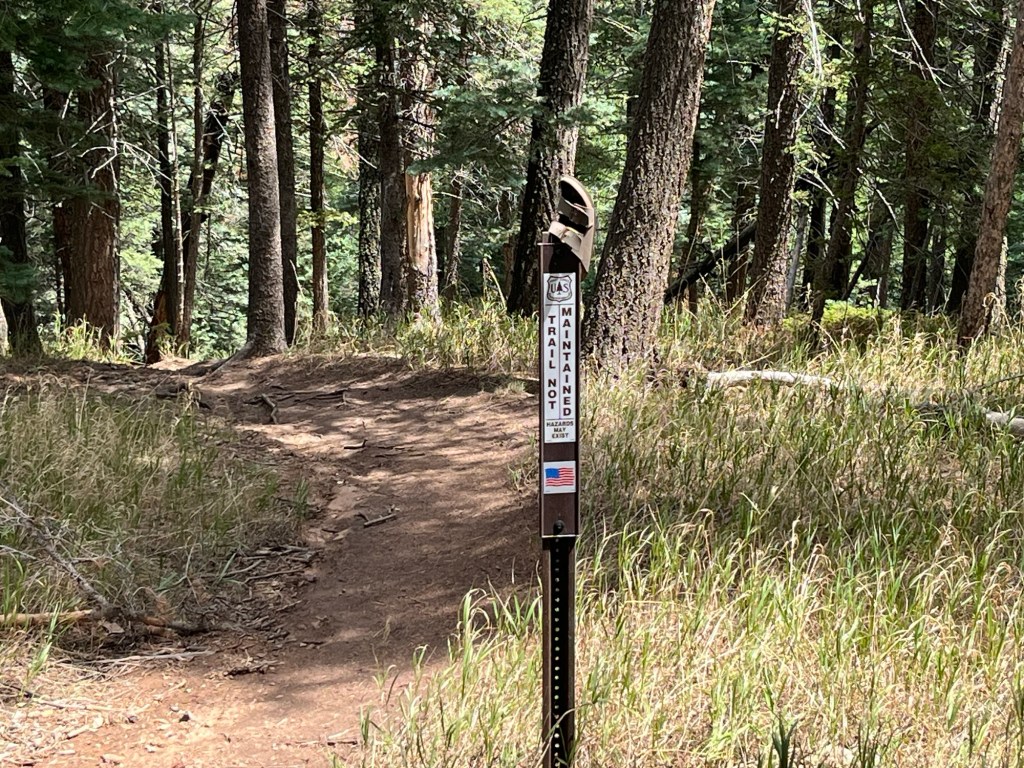
Our work site today…My crazy Chaplain…All of the Arizona team that are here and soon to rotate out with new members arriving…It would not be a call out without some sort of trailer/equipment failure. I was blessed to have my favorite motorcycle, contractor, fix or frabicate anything best buddy Bruce here…This was the property I assessed today. Did a great job on the drawings and descriptions. Only it was the wrong house. No cell service and it started to rain with a half mile dirt road we raced back to the highway and drove 15 miles to find a signal to make calls…Our lunch view, Lake Isabel…This must be a rough hike as the National Forest Service has provided a spare shoe…
At the church…
“And every day, in the Temple and from house to house, they continued to teach and preach this message: “Jesus is the Messiah.”” Acts of the Apostles 5:42 NLT
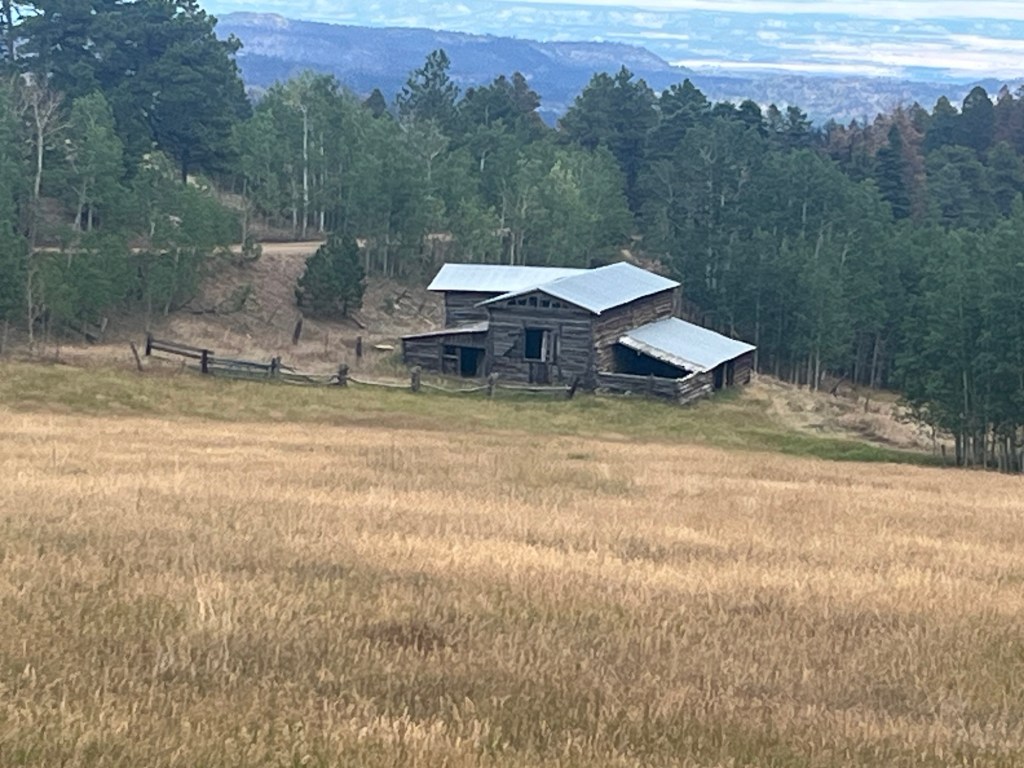
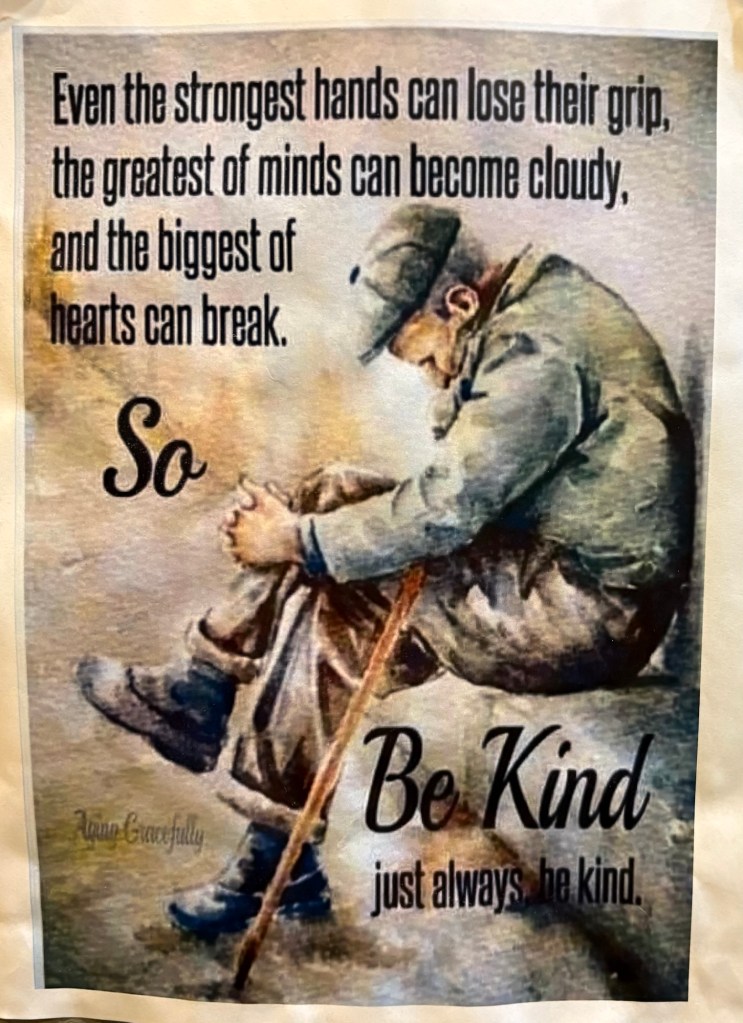
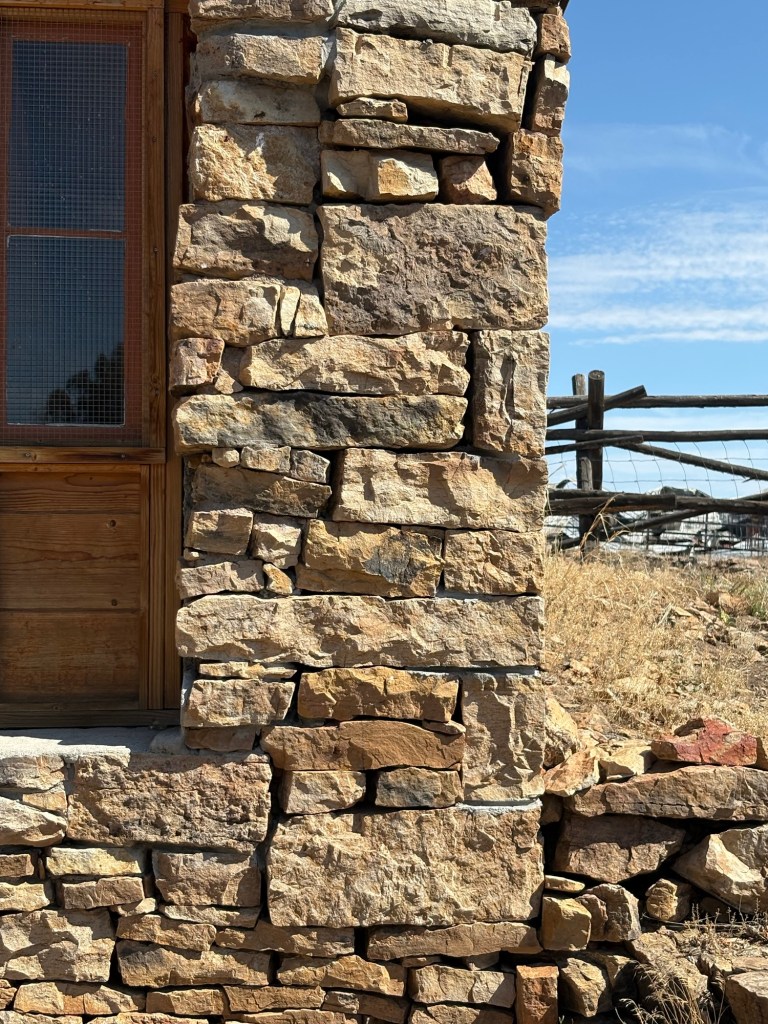
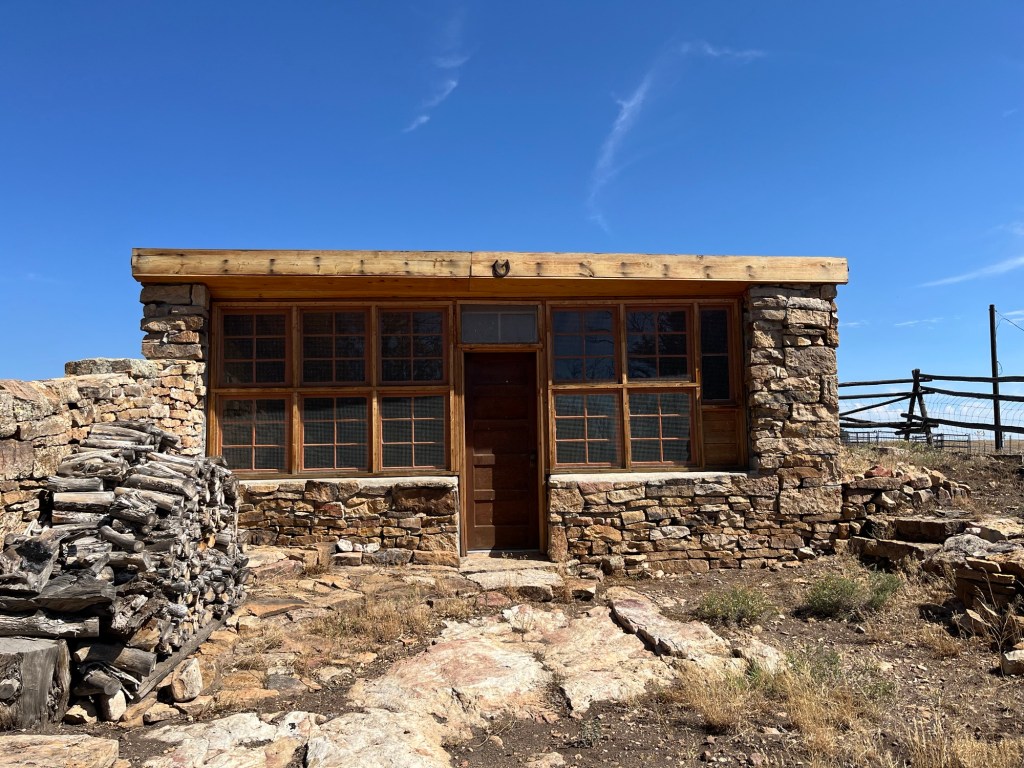
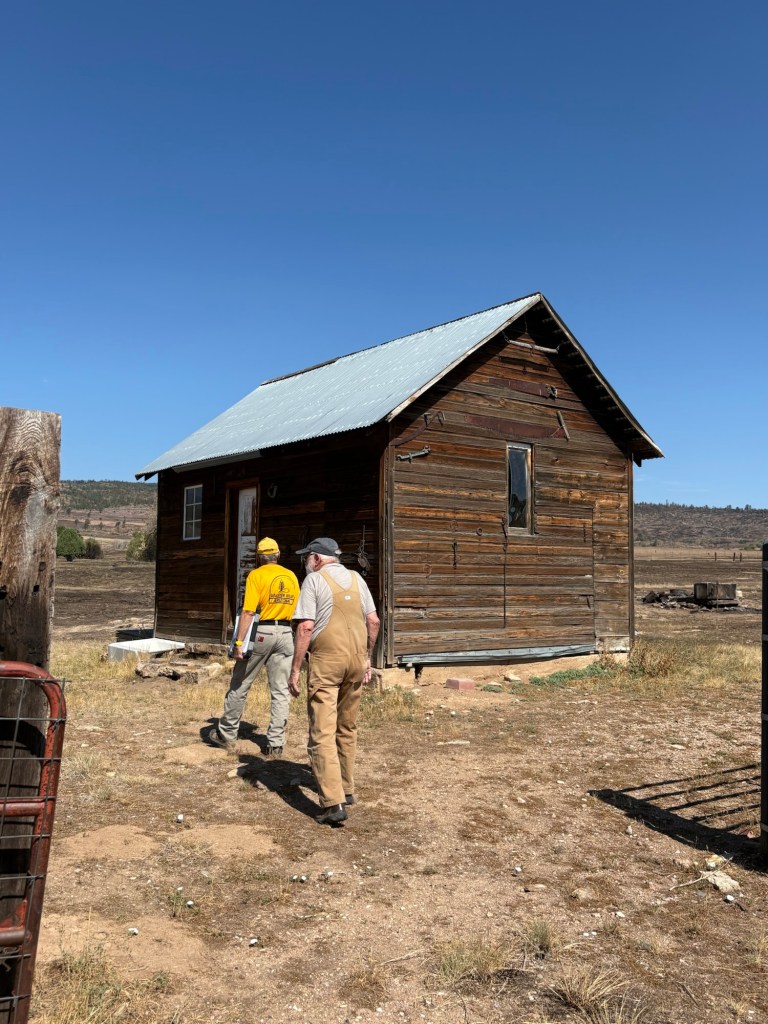
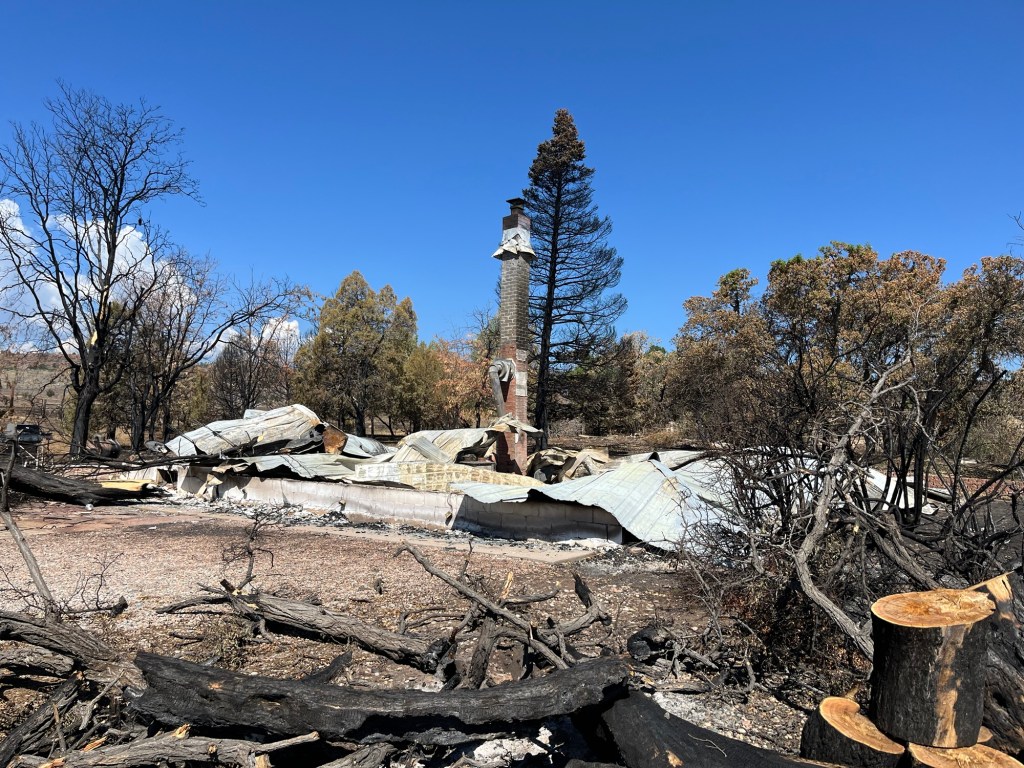
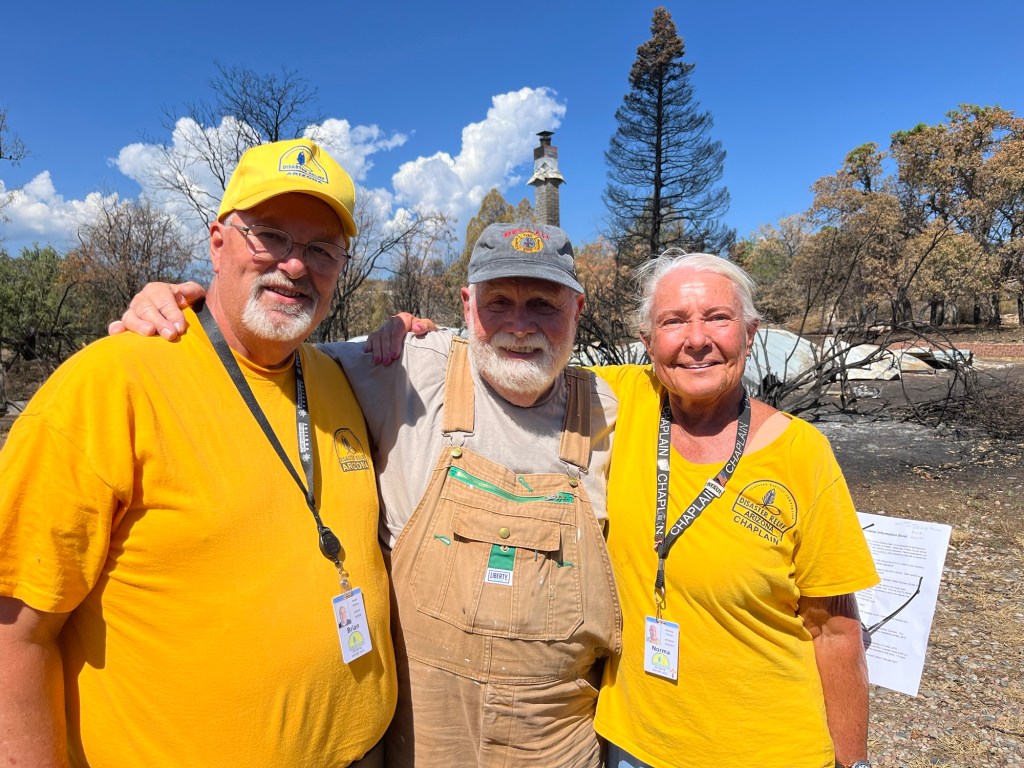
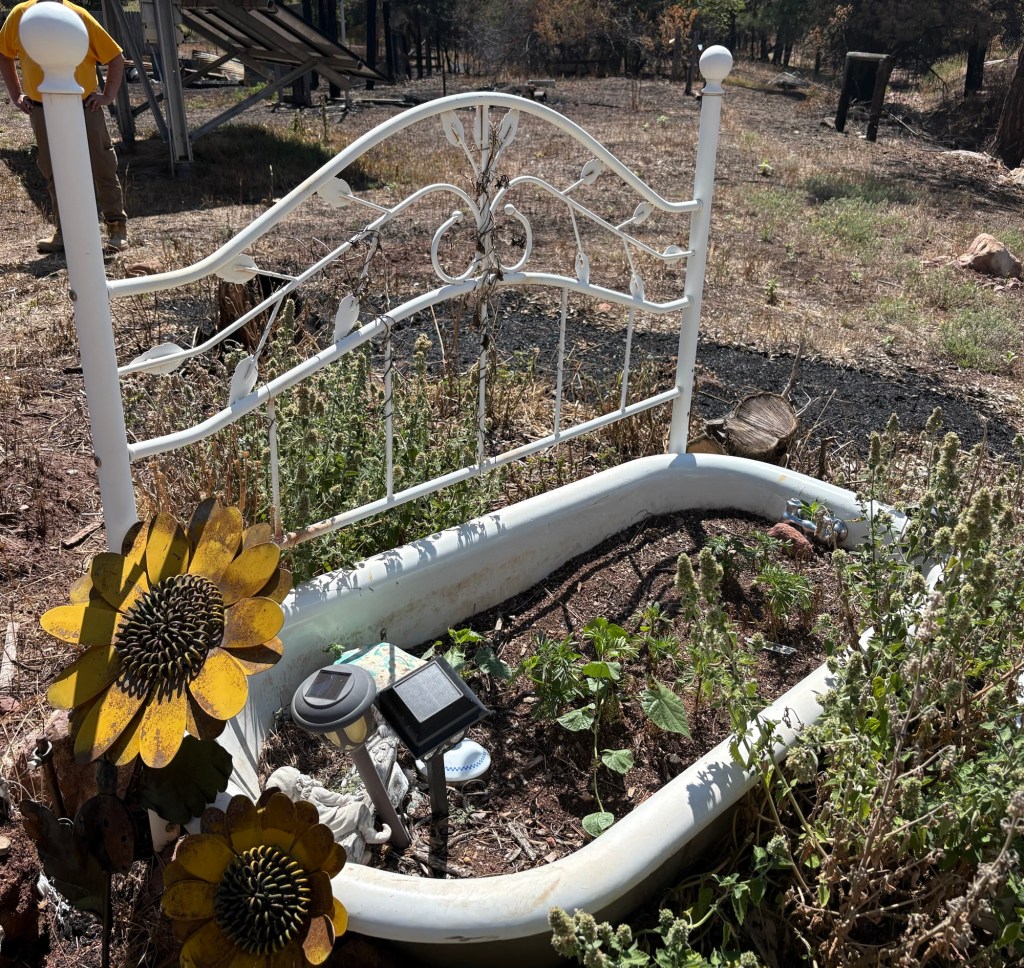
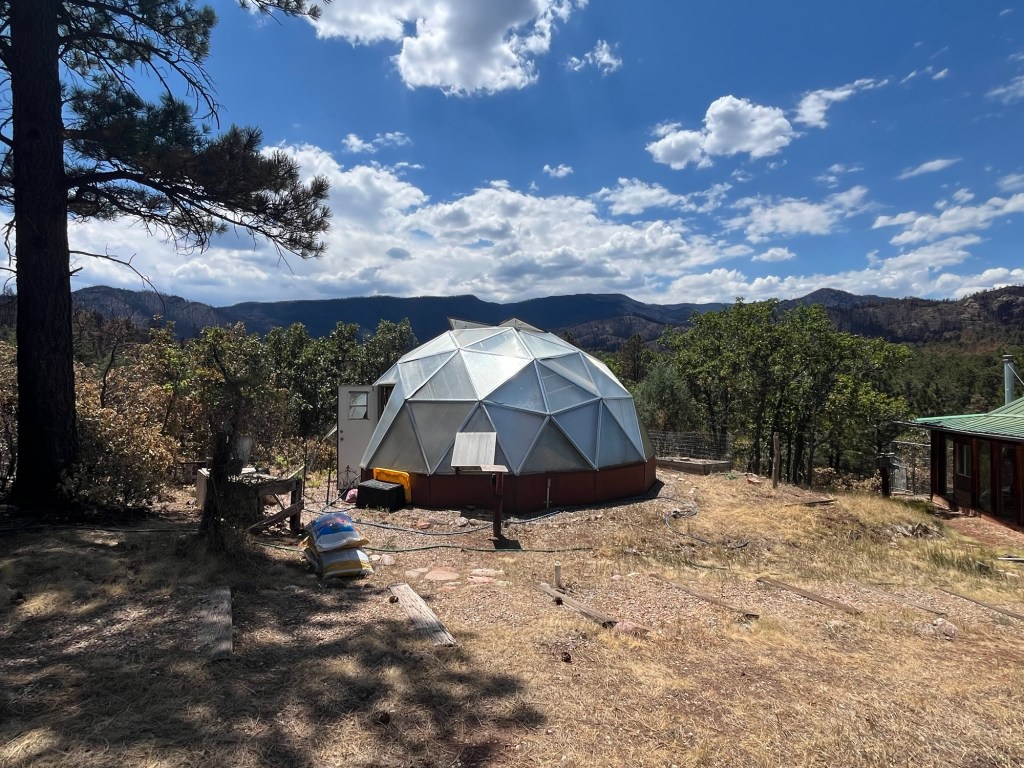
In a world full of choices, Choose Kindness…Thanks Majestic Baptist Church for hosting us…Late 1800-1920 homestead construction…Another historic building that survived the fire…Just sadness…Our AZDR Chaplains are absolutely the best! Property owner Steve is an amazing man at 80 years young…
“There is salvation in no one else! God has given no other name under heaven by which we must be saved.”” Acts of the Apostles 4:12 NLT
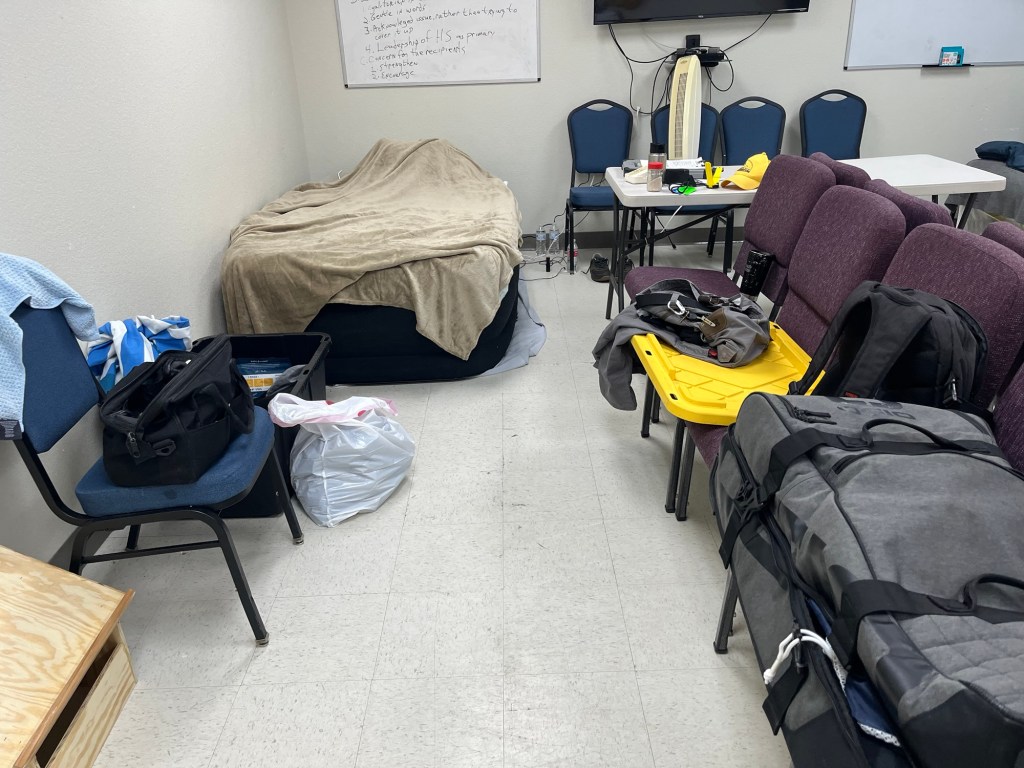
First thing this morning on the way to our first job…Some people (really no one) wonder about where we stay and how we sleep. This is my setup…Property owner getting his first roll off for metal removal…Our afternoon assessment…Chaplain Brian and Chaplain Norm minister with the fire victim…We had our first day with the California Disaster Relief skid steer, let’s just say it was an expensive day…
“And a certain man lame from his mother’s womb was carried, whom they laid daily at the gate of the temple which is called Beautiful, to ask alms from those who entered the temple; who, seeing Peter and John about to go into the temple, asked for alms. And fixing his eyes on him, with John, Peter said, “Look at us.” So he gave them his attention, expecting to receive something from them. Then Peter said, “Silver and gold I do not have, but what I do have I give you: In the name of Jesus Christ of Nazareth, rise up and walk.” And he took him by the right hand and lifted him up, and immediately his feet and ankle bones received strength.” Acts 3:2-7 NKJV
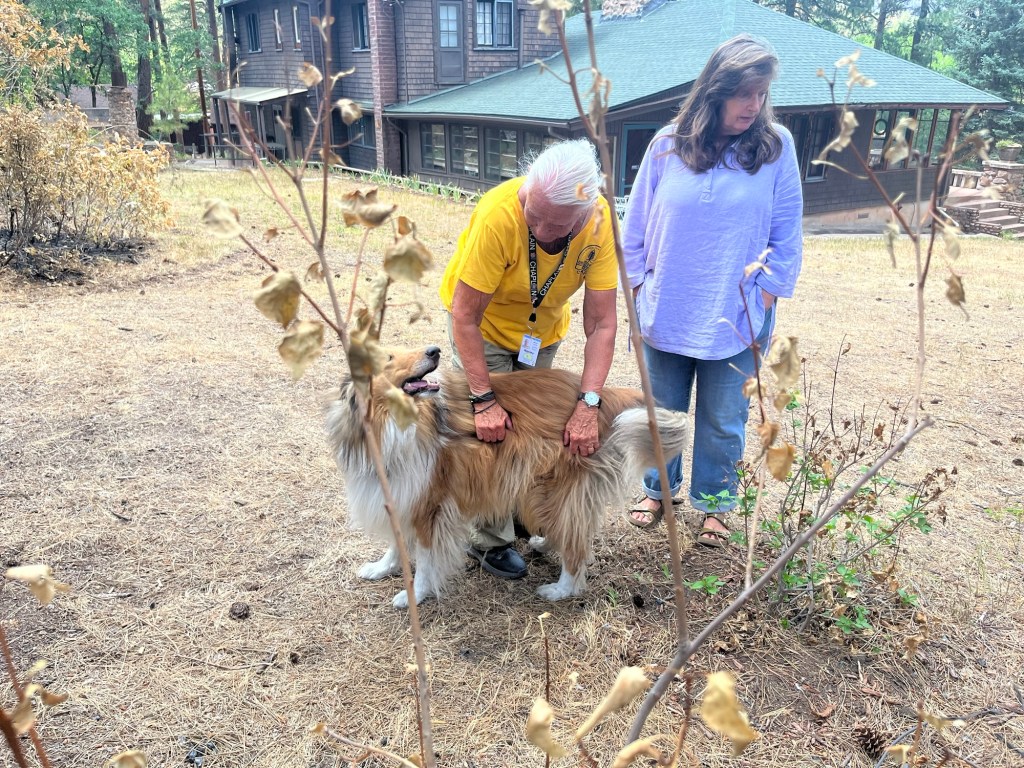
Praise and worship this morning at Majestic Baptist Church…A nice lunch and return to work…A couple of survivors…Norm is getting the skinny on fish that made it through the fire…Dogs love us…
“But everyone who calls on the name of the Lord will be saved.’” Acts of the Apostles 2:21 NLT
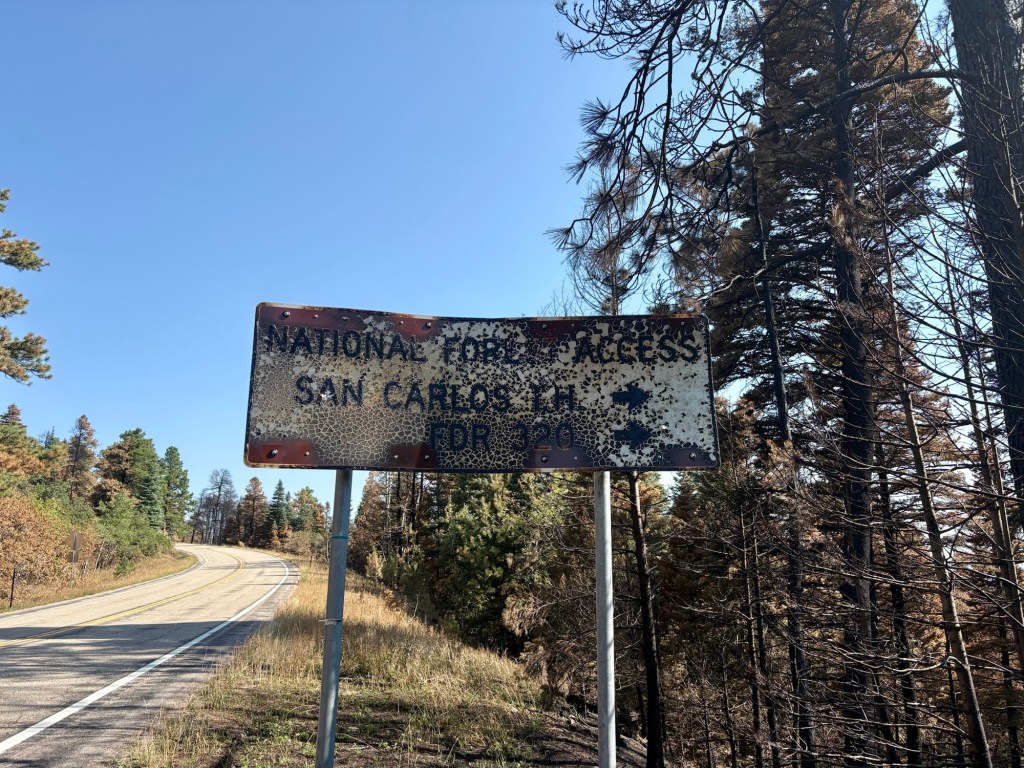
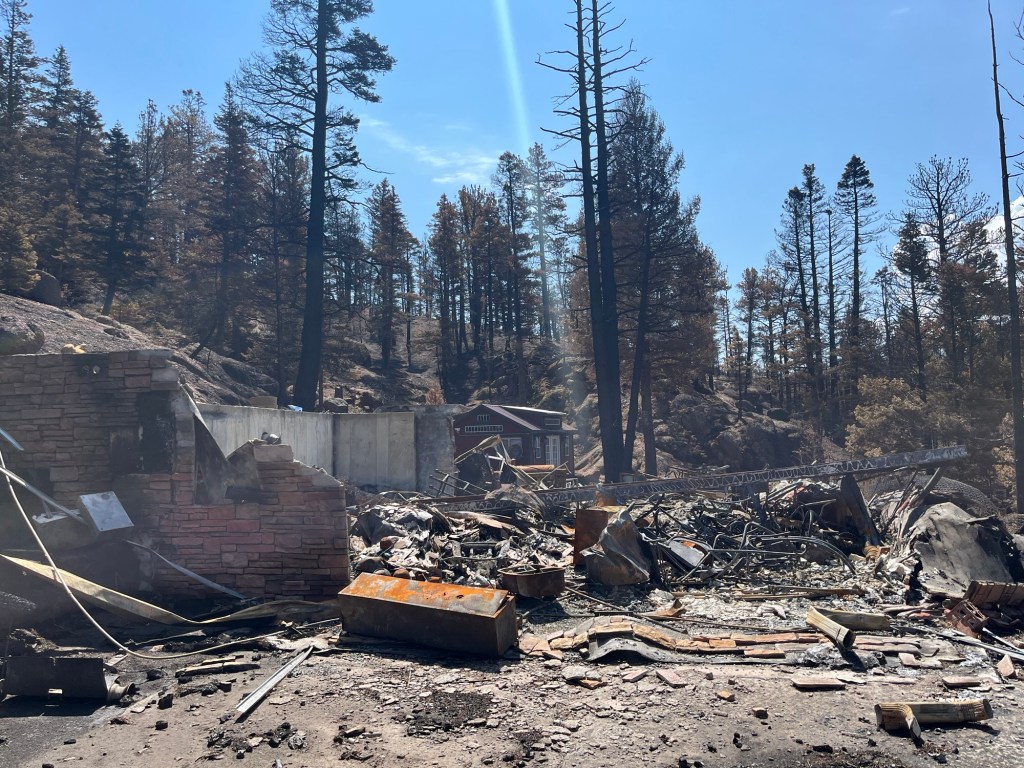
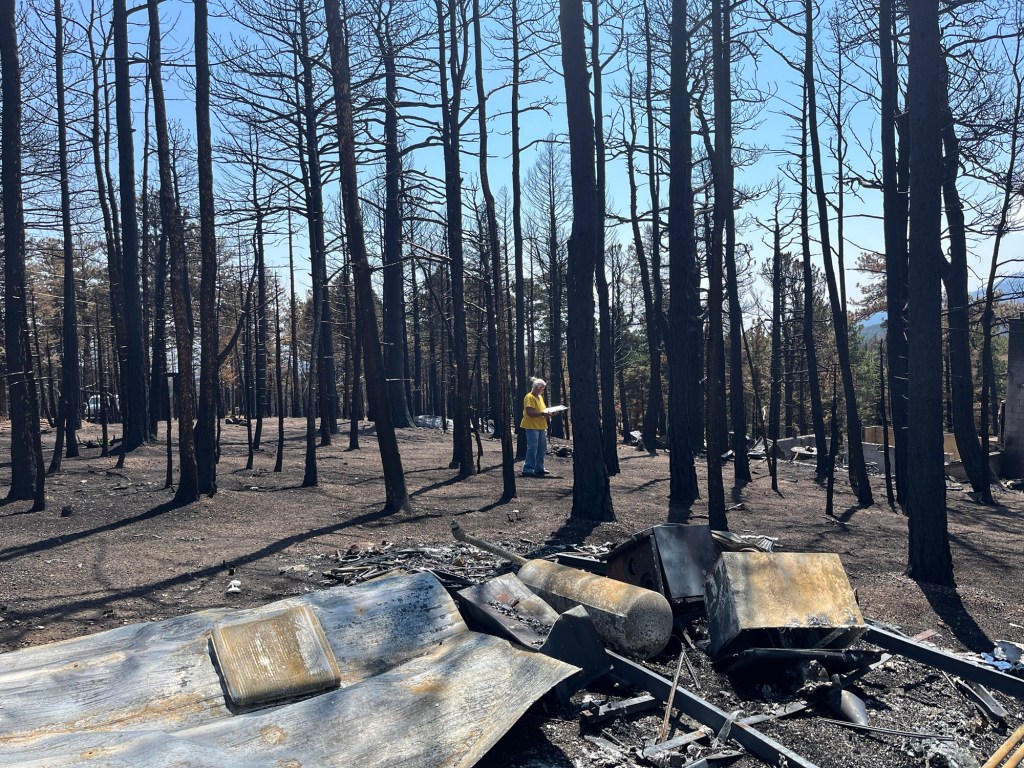
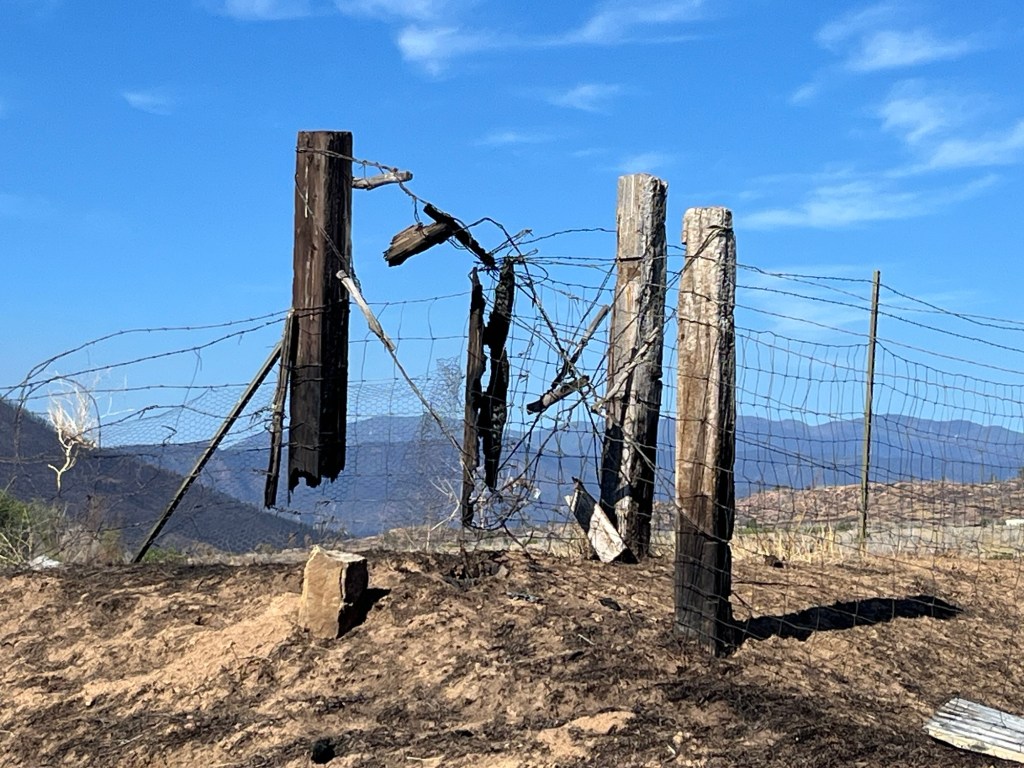
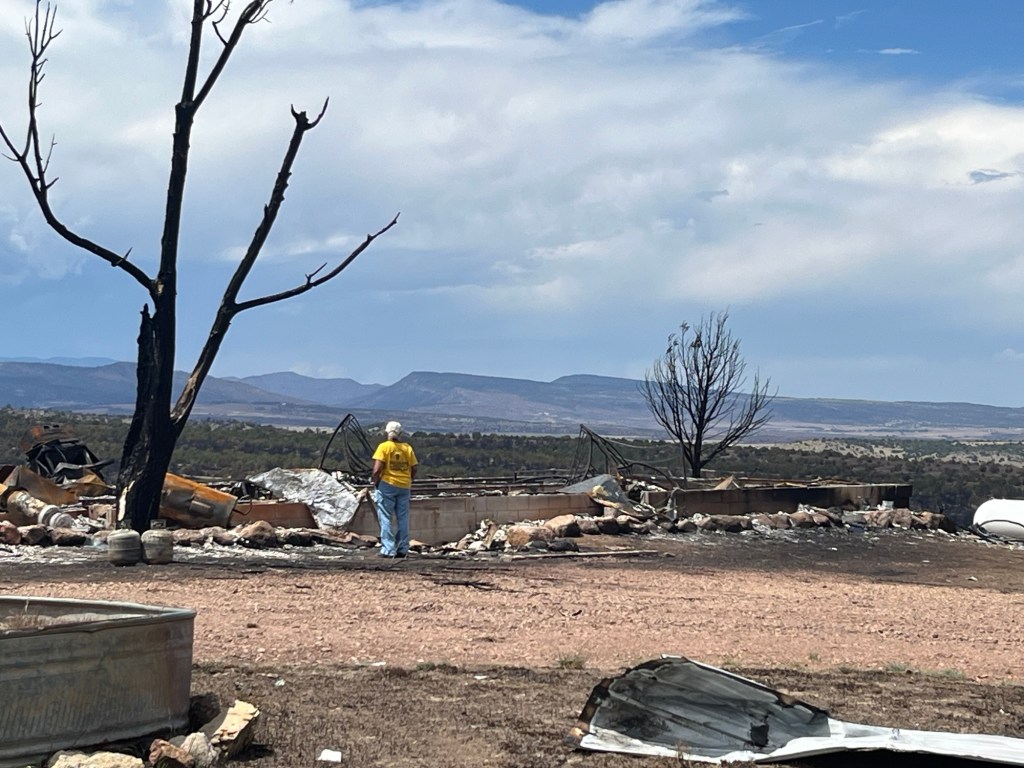
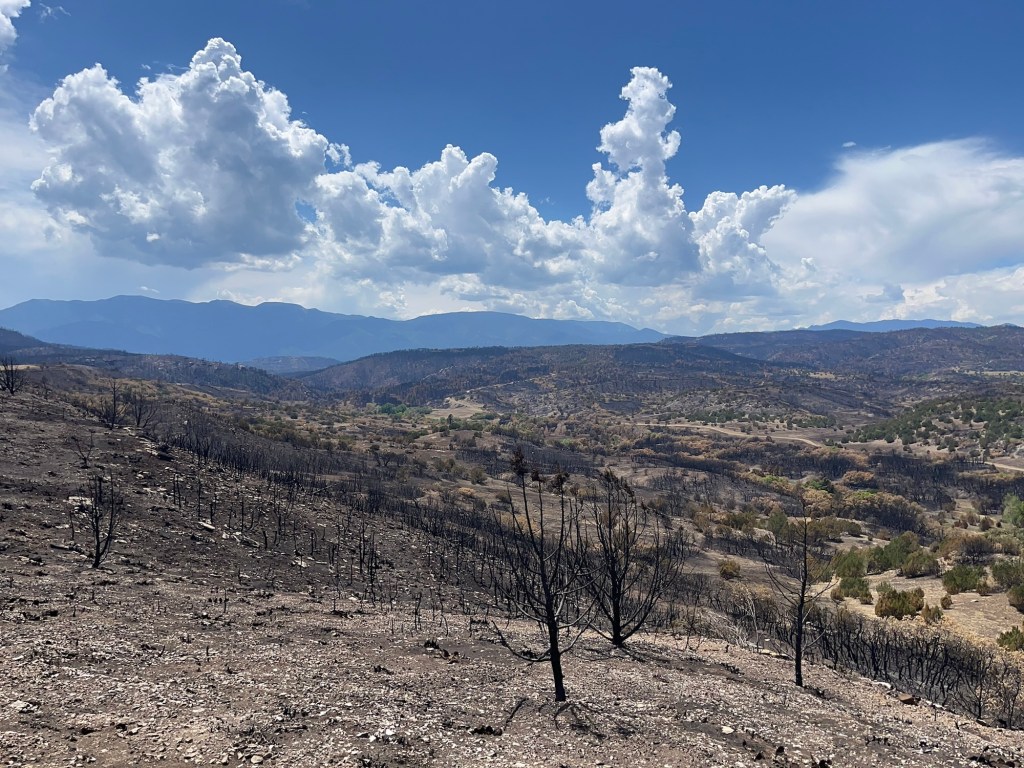
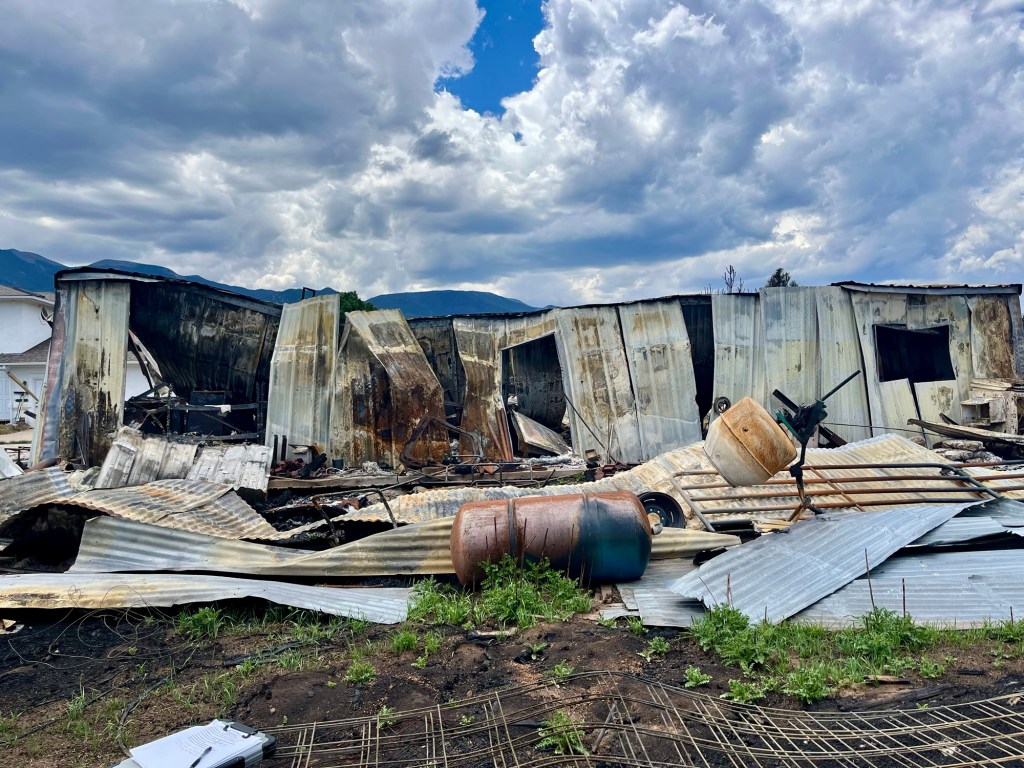
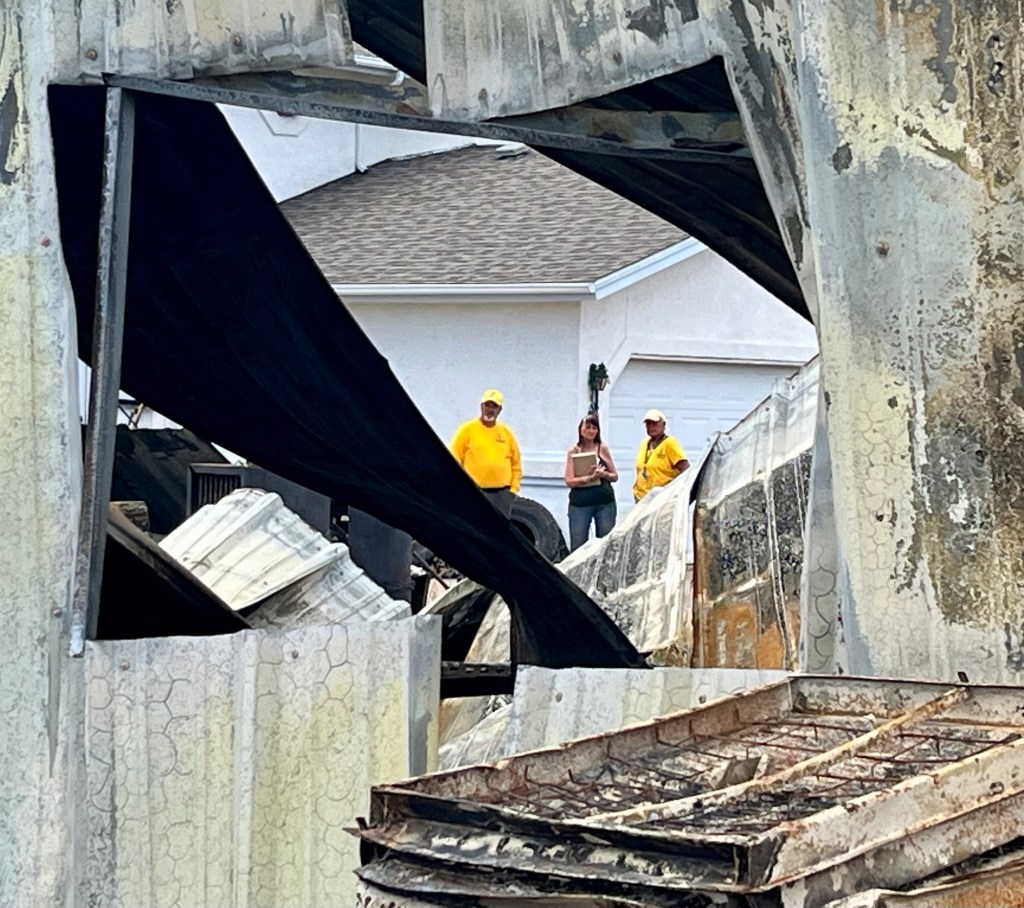
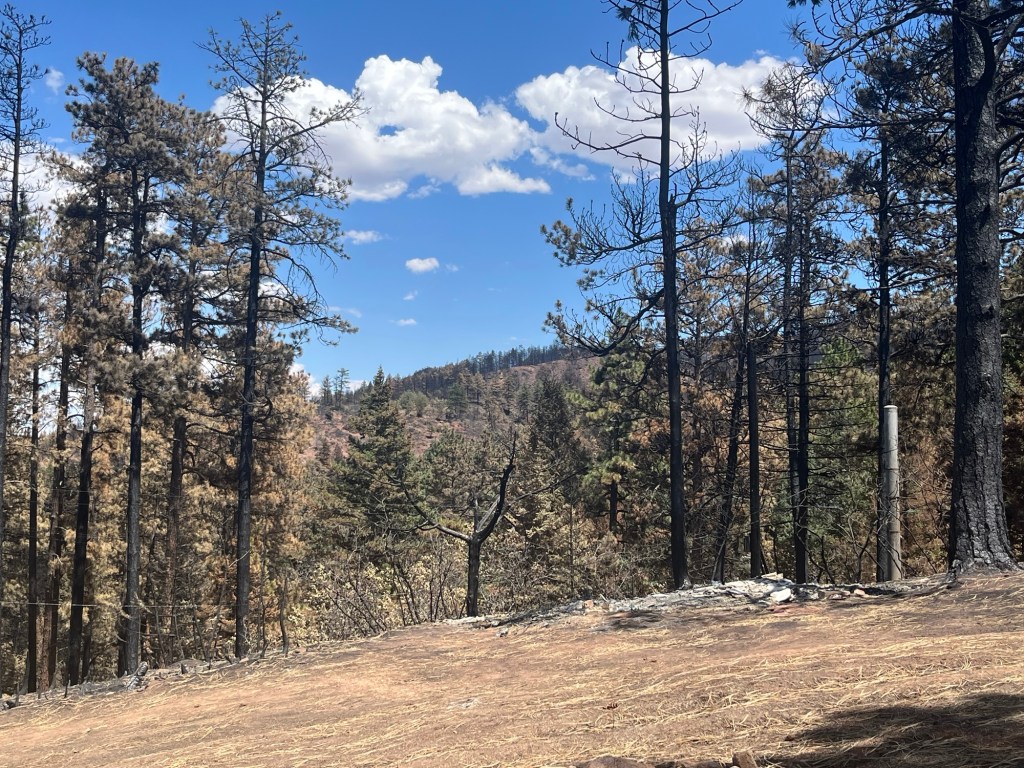
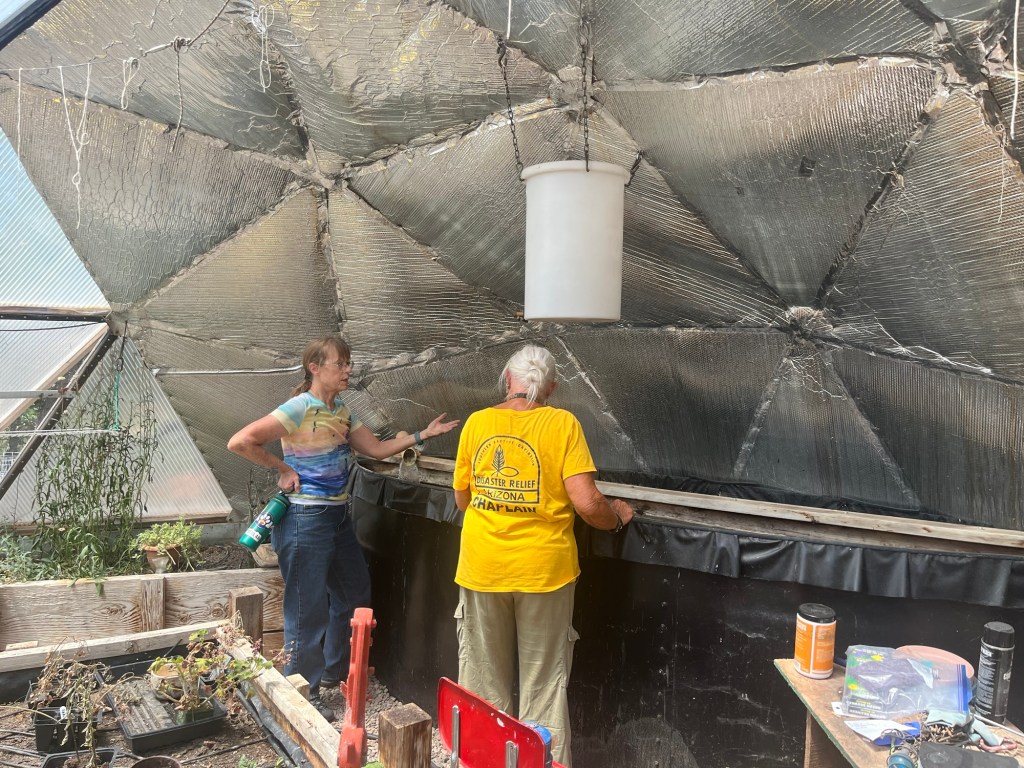
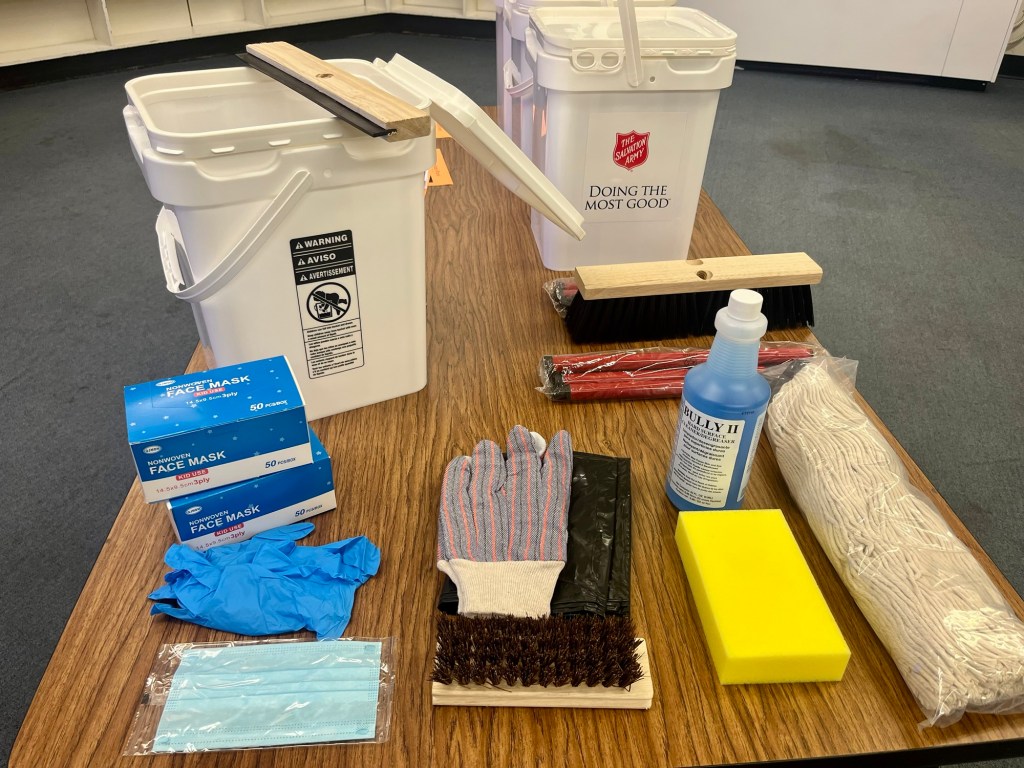
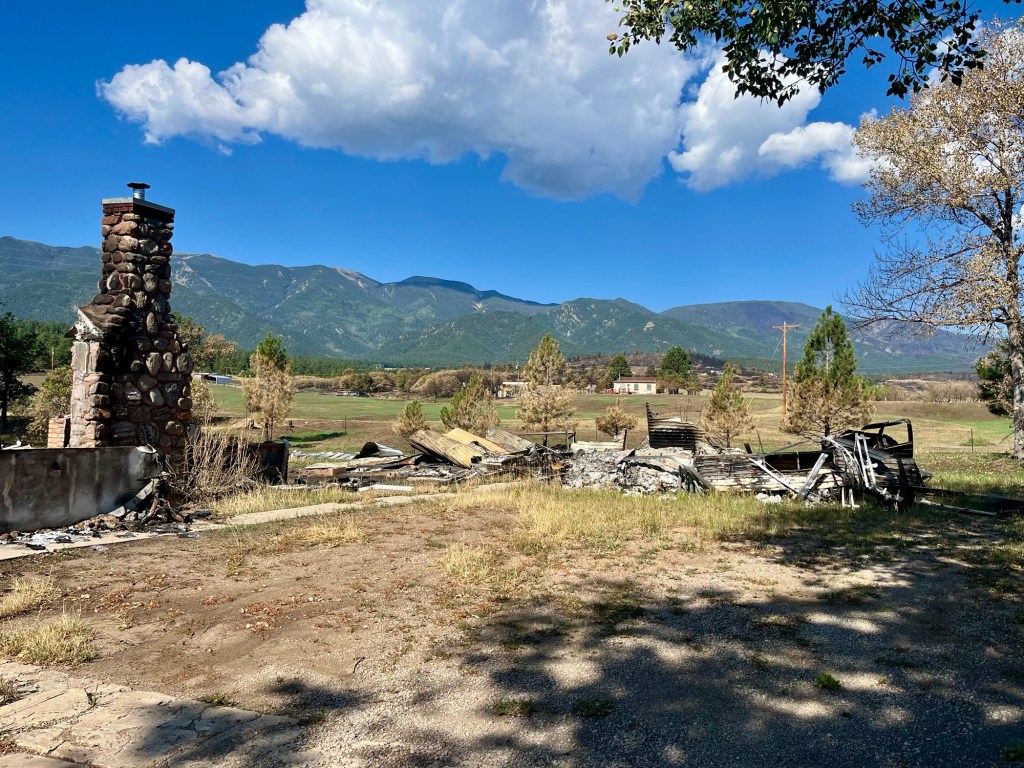
Salvation Army, sorry but this cleanup bucket is a fail! Our first real assessment…Norm is way over there…A fire is a very sad experience…If you are in a burn area, do not be this person…Scorched earth…Having some chow…
““Men of Galilee,” they said, “why are you standing here staring into heaven? Jesus has been taken from you into heaven, but someday he will return from heaven in the same way you saw him go!”” Acts of the Apostles 1:11 NLT
“Walk in wisdom toward those who are outside, redeeming the time. Let your speech always be with grace, seasoned with salt, that you may know how you ought to answer each one.” Colossians 4:5-6 NKJV
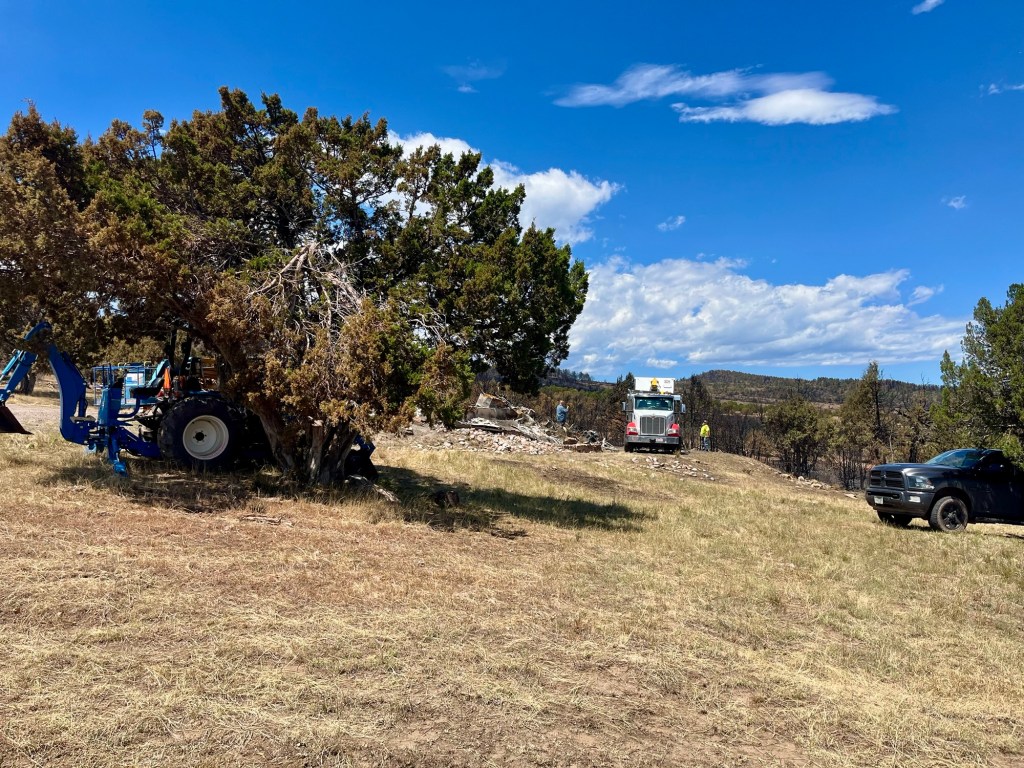
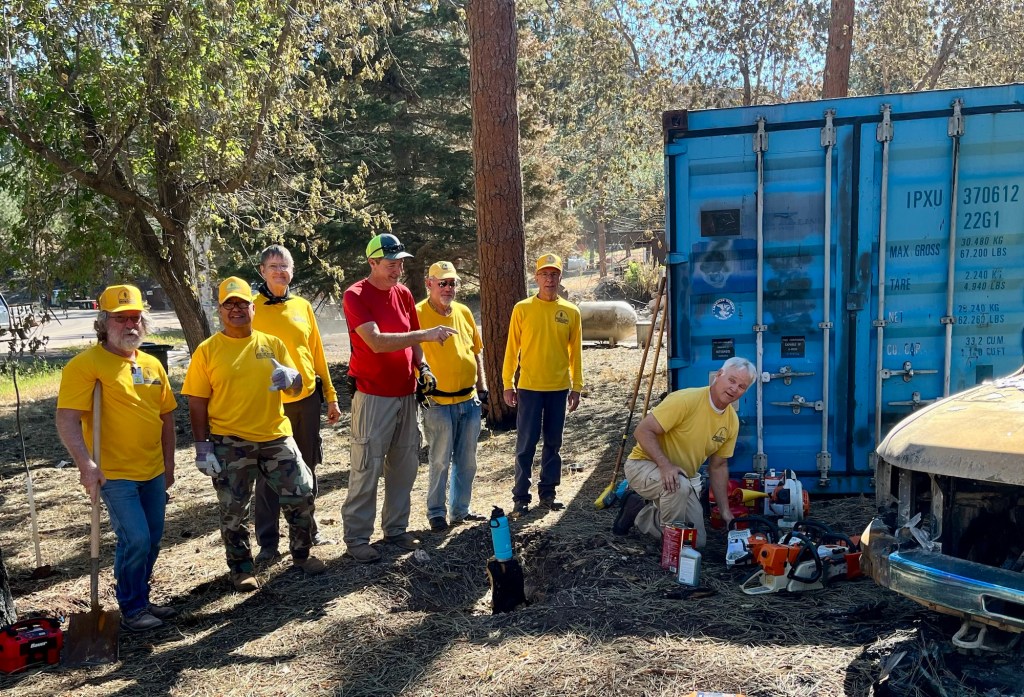
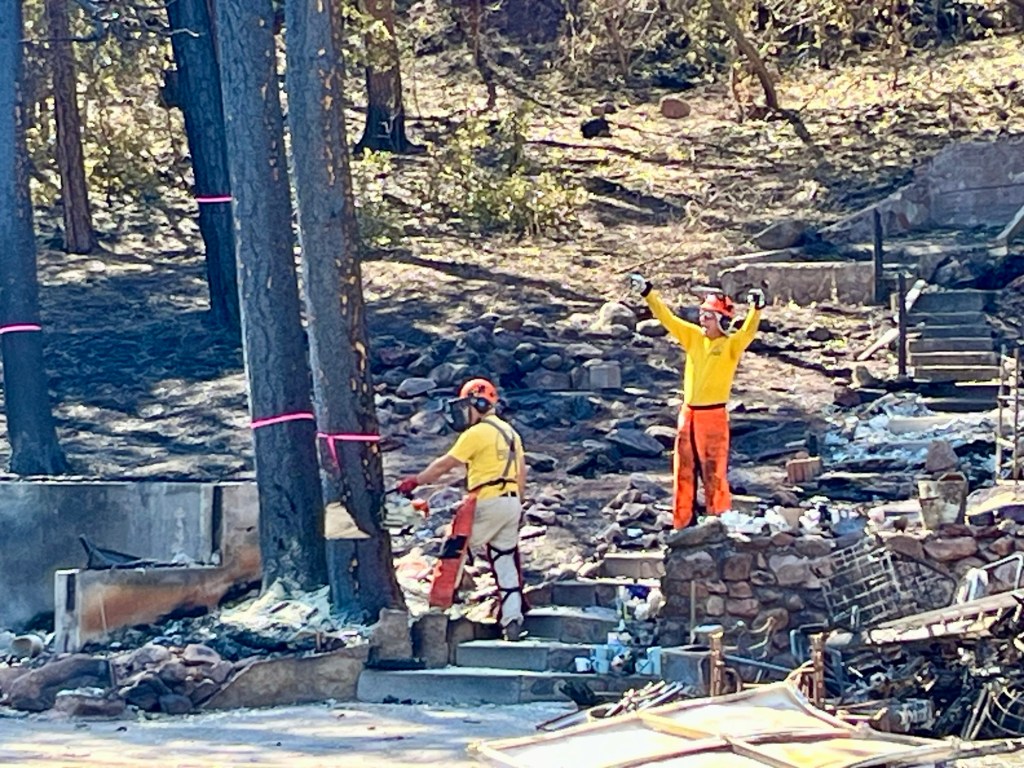
Preparing for my first journey into the burn area…DR Mark (kneeling) and his team prepare to drop some burned trees.We aired up the tires on this trailer and I hooked to it and pushed it out of the danger zone…DR Bob checks the drop zone is clear and all of the team are in the correct positions, as Mark is ready to perform his final cut…
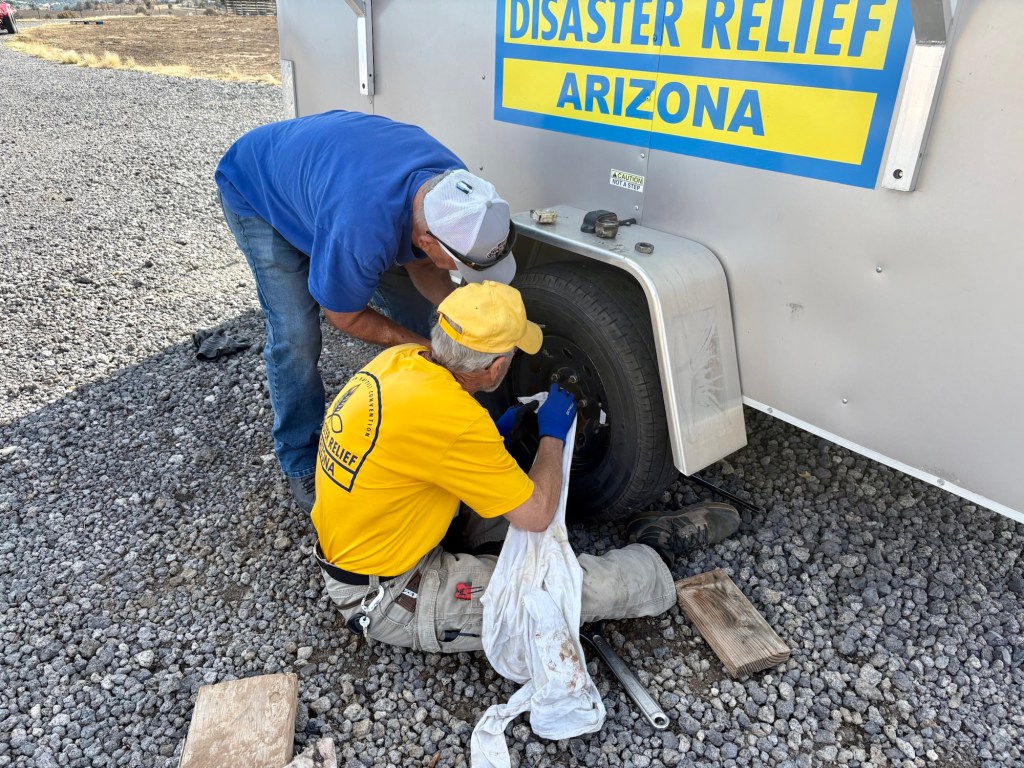
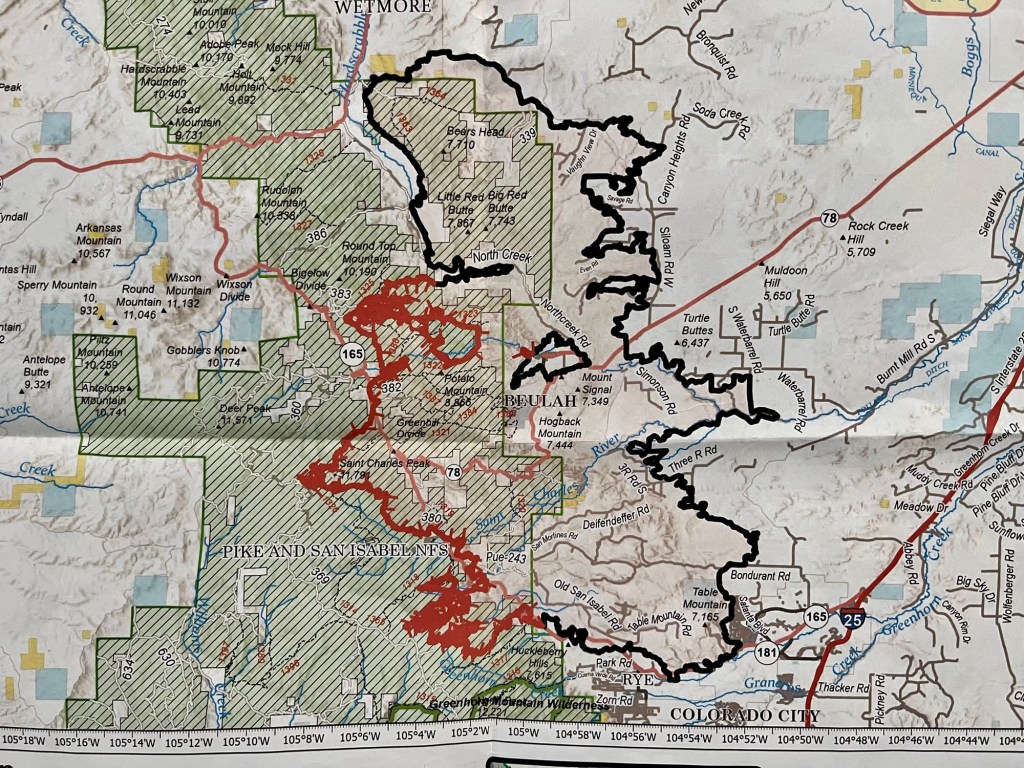
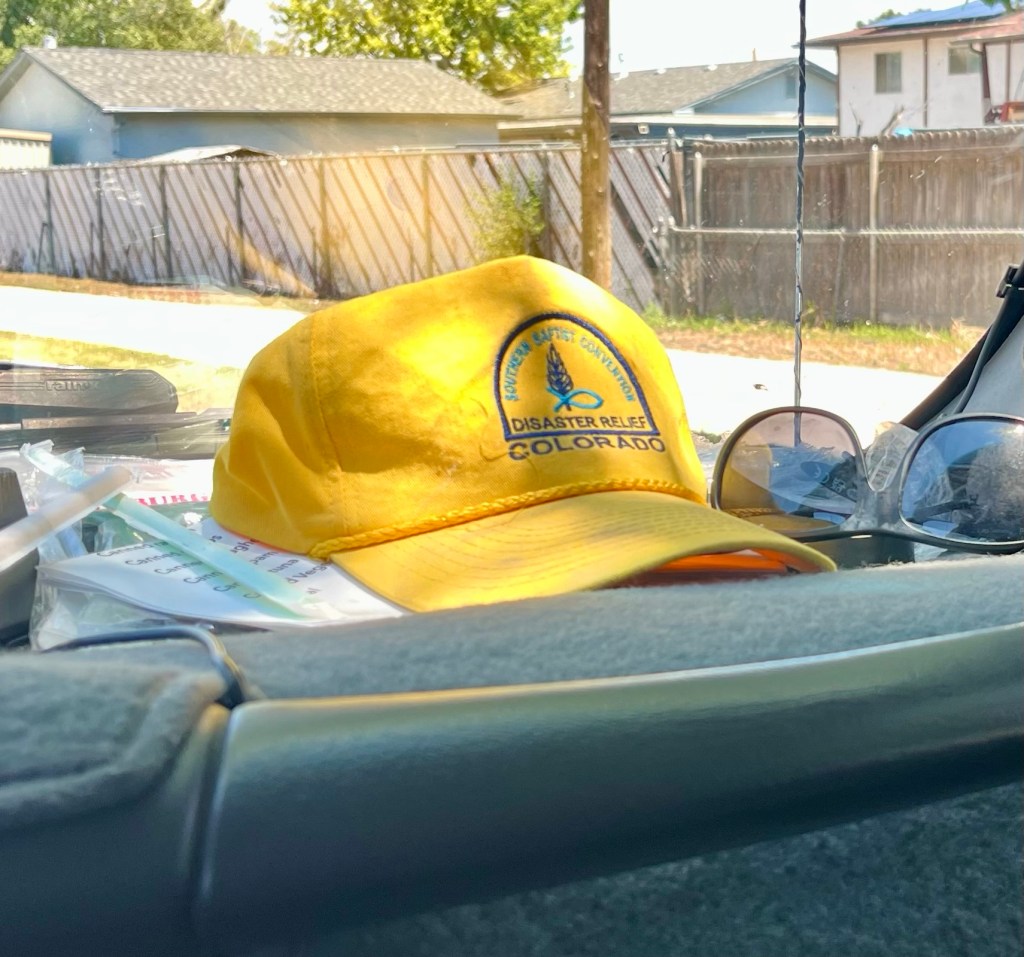
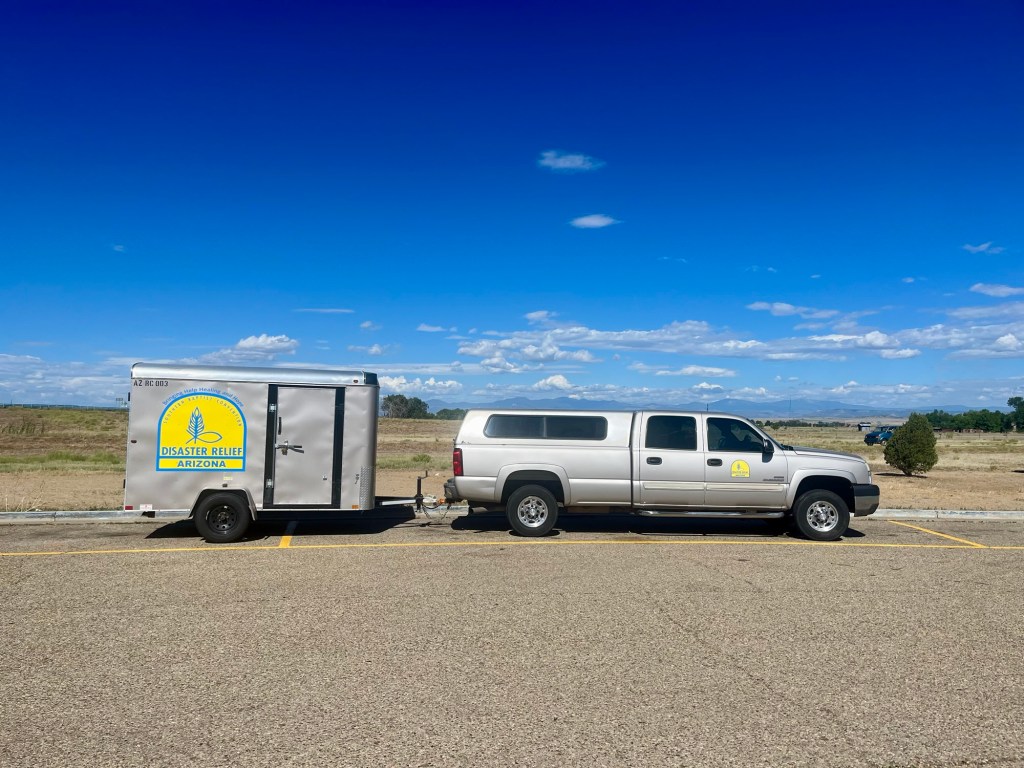
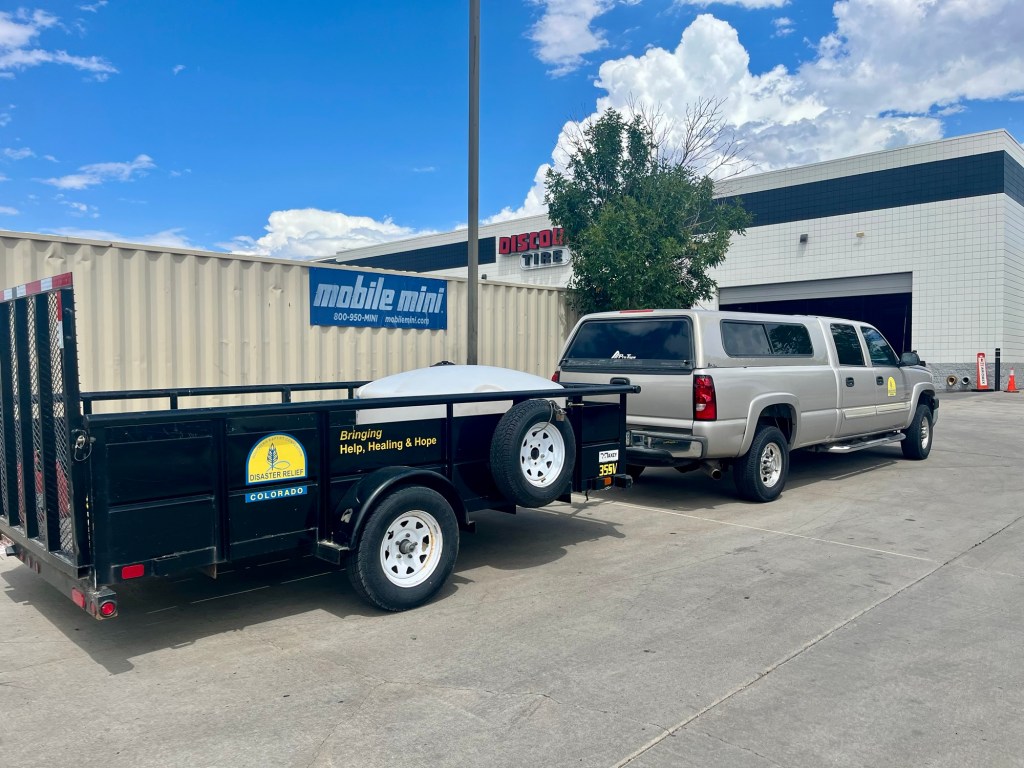
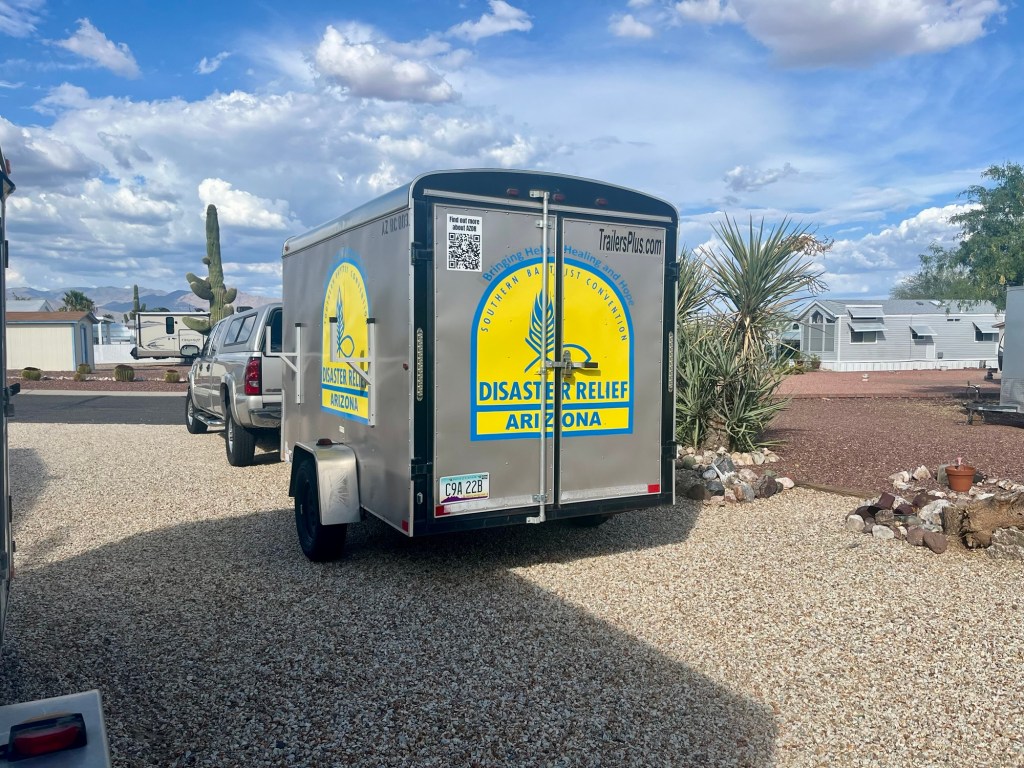
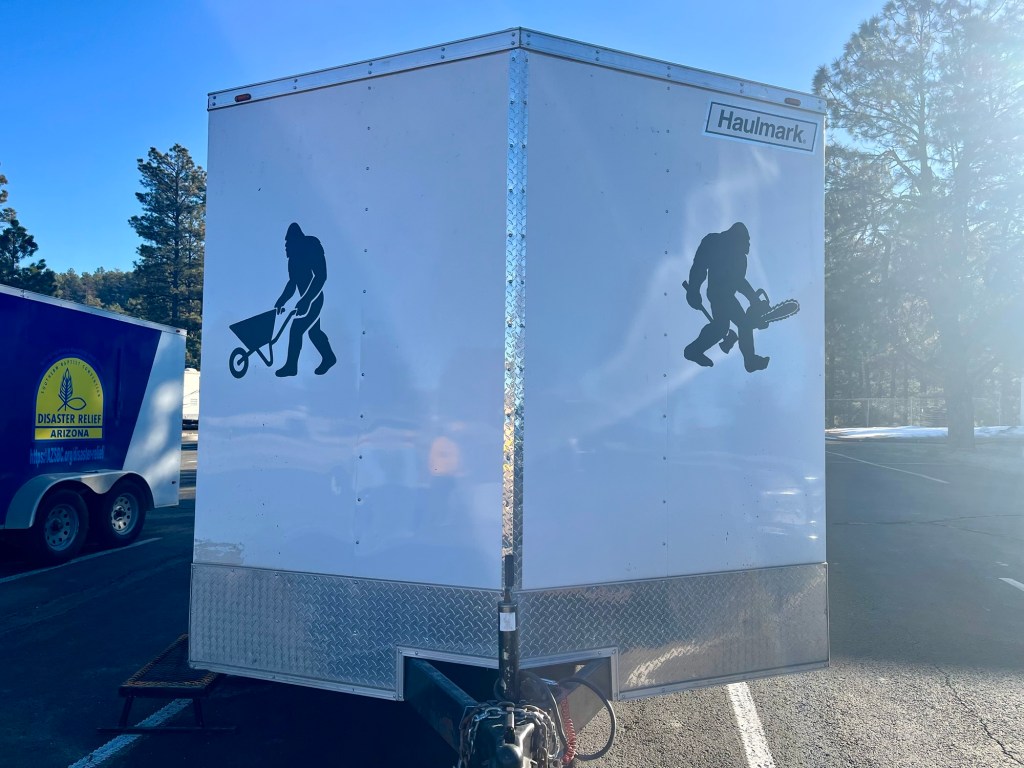
Brilliant Colorado sky. The best looking AZDR trailer is shining in the sunlight…We arrived around noon and we all hit the ground running. Patty got up to speed as the new White Hat. Norm and Patsy headed to the resource center to do chaplain things and I towed a Colorado DR trailer to Discount Tire for some much needed new rubber…After dinner delight provided by God Almighty…
“If then you were raised with Christ, seek those things which are above, where Christ is, sitting at the right hand of God. Set your mind on things above, not on things on the earth. For you died, and your life is hidden with Christ in God.” Colossians 3:1-3 NKJV
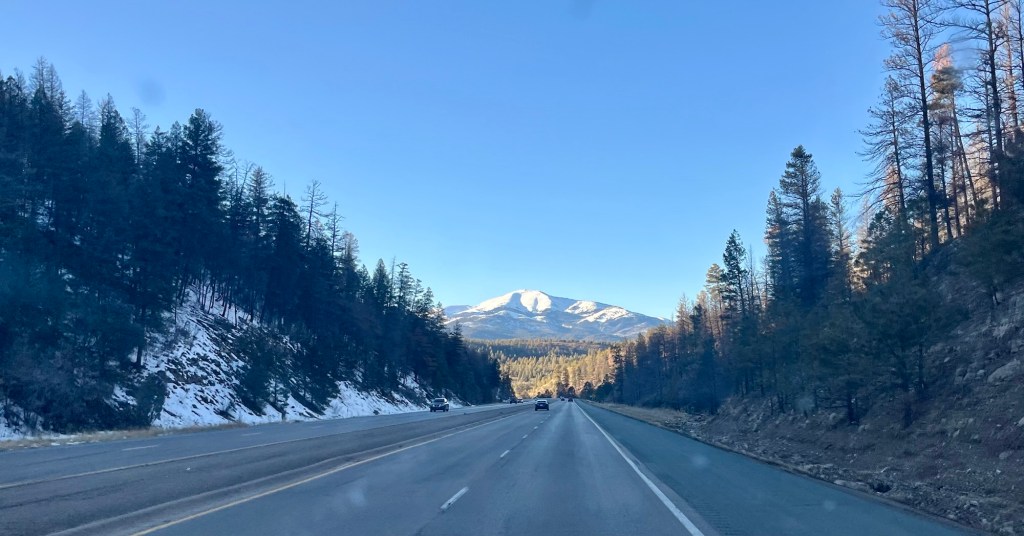
We left home this morning around 0630 and it was 81 degrees. A little over two hours later we encountered the coolest temperature in a long time.
We are spending the night in Santa Fe New Mexico and will travel to Pueblo Colorado tomorrow…
“As you therefore have received Christ Jesus the Lord, so walk in Him, rooted and built up in Him and established in the faith, as you have been taught, abounding in it with thanksgiving.” Colossians 2:6-7 NKJV
Spent the day swapping trucks and picking up trailers. Got the fire recovery unit all sorted to depart for Pueblo Colorado bright and early tomorrow morning.
We are addicted to the spectacular. We want the wind that splits the rocks, the earthquake that shakes the mountains, the fire that rains from heaven. And we assume the most gifted, the most charismatic, the most intelligent, the most powerful person is the one whom God will use the most. But watch what happened to Elijah in 1 Kings 19. God was not in the wind. God was not in the earthquake. God was not in the fire. God came in a still small voice. Read that again. The same man who had just called down fire from heaven in front of a nation now had to lean in and strain to hear a whisper. Here is the truth almost no one wants to hear. The loudest and most powerful prophet, the one with the most literal and figurative fire in his ministry, could not take one more step until he had a quiet moment alone with God. It’s all about the whisper. All the gifting in the world cannot substitute for the silent moment in which God recalibrates your soul. In a screaming culture that lives at full volume from every screen you own, the voice of God is still quietly speaking to you. The most dangerous thing you can do is get so caught up in the world’s loud and in the busyness of doing the work of God that you can no longer hear the God of the work.
Amir Tsarfati
“For I am not ashamed of this Good News about Christ. It is the power of God at work, saving everyone who believes—the Jew first and also the Gentile. This Good News tells us how God makes us right in his sight. This is accomplished from start to finish by faith. As the Scriptures say, “It is through faith that a righteous person has life.”” Romans 1:16-17 NLT
For sure!We dropped Pat off at his house and met two of his neighbors…
We are all safe at our homes in different parts of Arizona. Grateful to serve God as members of the Southern Baptist Disaster Relief ministry…
“And I am praying that you will put into action the generosity that comes from your faith as you understand and experience all the good things we have in Christ.” Philemon 1:6 NLT
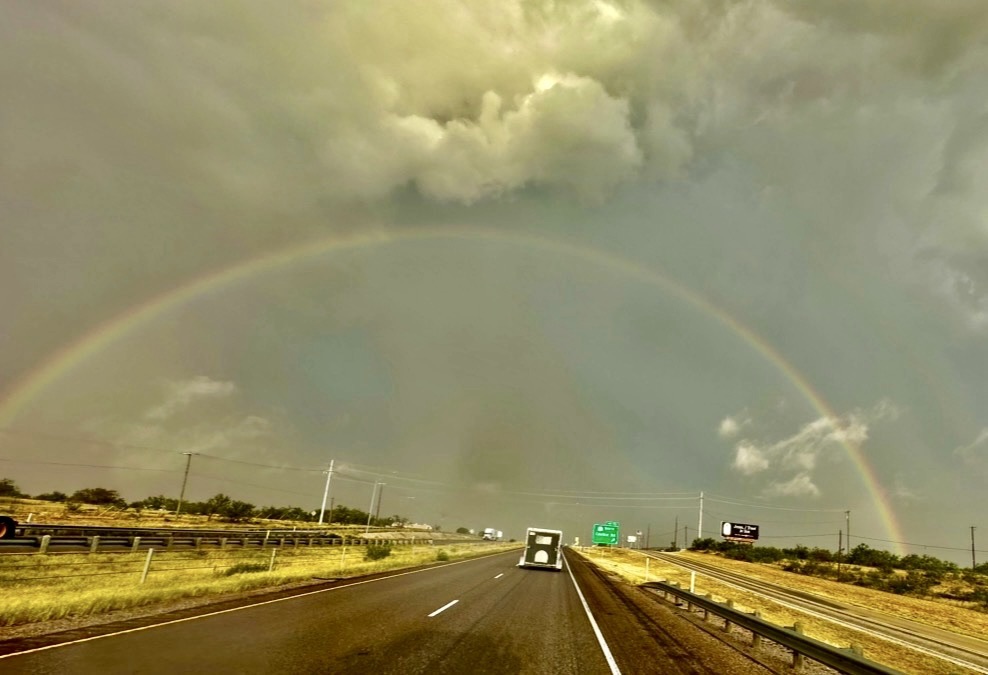
Thanks to Robbie for this fantastic photo as we started west bound from Big Spring Texas…And then promptly drove into a rain storm…Our Chaplain, Pat is an excellent navigator and provides thought provoking conversations…Driving my two ‘Miss Daisy’s.’Welcome to Arizona…A wreck on I10 put us on a side road detour, only to find another candidate for a Darwin award having driven into a large water hole…Our last day, the crew prepares to depart…Looking at this photo, it is hard to imagine just a few days ago that Diana was soaked in sweat working on a mold, cat urine, cockroach and rat poop infested house. Just another day at the office for AZRC01…
“As you therefore have received Christ Jesus the Lord, so walk in Him, rooted and built up in Him and established in the faith, as you have been taught, abounding in it with thanksgiving.” Colossians 2:6-7 NKJV
Jesse, on the left with the white hat, is our white hat and his assistant Krystine, with a K. Two of the very best we have worked with. On behalf of our team, thanks!!!
Jesse, Pat and myself visited the last to sort things, as the rest of our team packed up all of our gear.
Around 1000 we left Bayou Des Glaises church and drove to Big Spring Texas. Of course, that included a stop at Buc-es’s.
“Him we preach, warning every man and teaching every man in all wisdom, that we may present every man perfect in Christ Jesus. To this end I also labor, striving according to His working which works in me mightily.” Colossians 1:28-29 NKJV
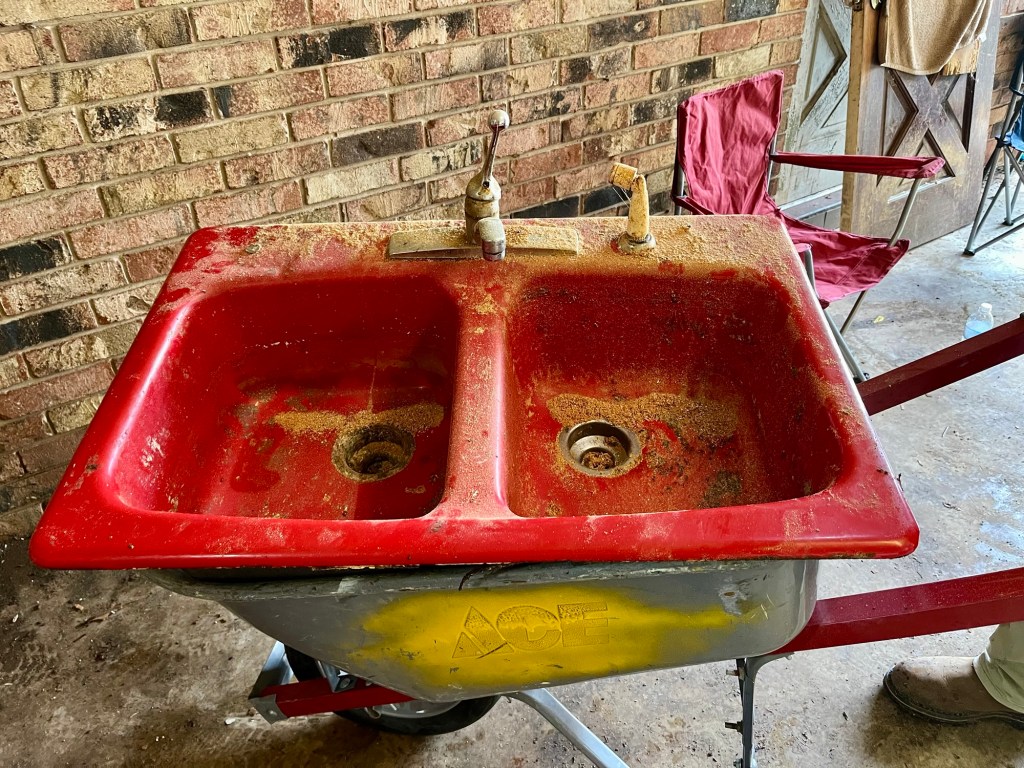
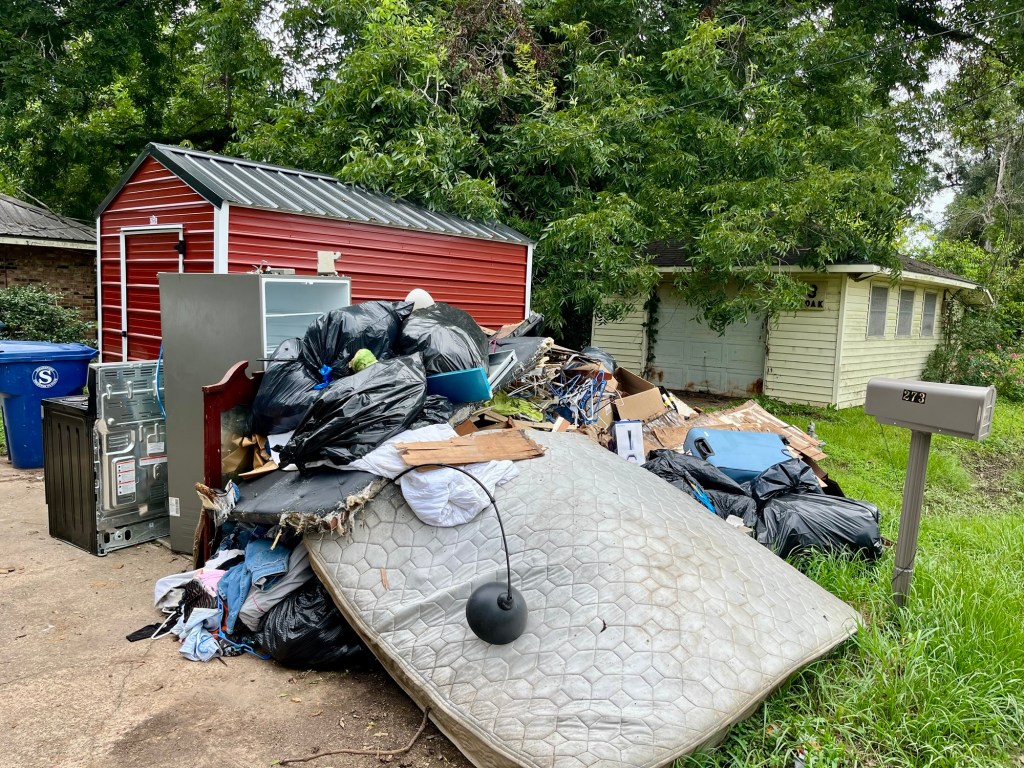
We start every morning with lots of grub and a good word from the White Hat. Always, devotion and prayer…Sunrise over our port-a-potties…Morning activity Our last house…When you work hard, you deserve a break…This is one of the worst houses I have seen in quite a while…This is a galvanized sink- heavy…We made these…
“Be anxious for nothing, but in everything by prayer and supplication, with thanksgiving, let your requests be made known to God; and the peace of God, which surpasses all understanding, will guard your hearts and minds through Christ Jesus.” Philippians 4:6-7 NKJV
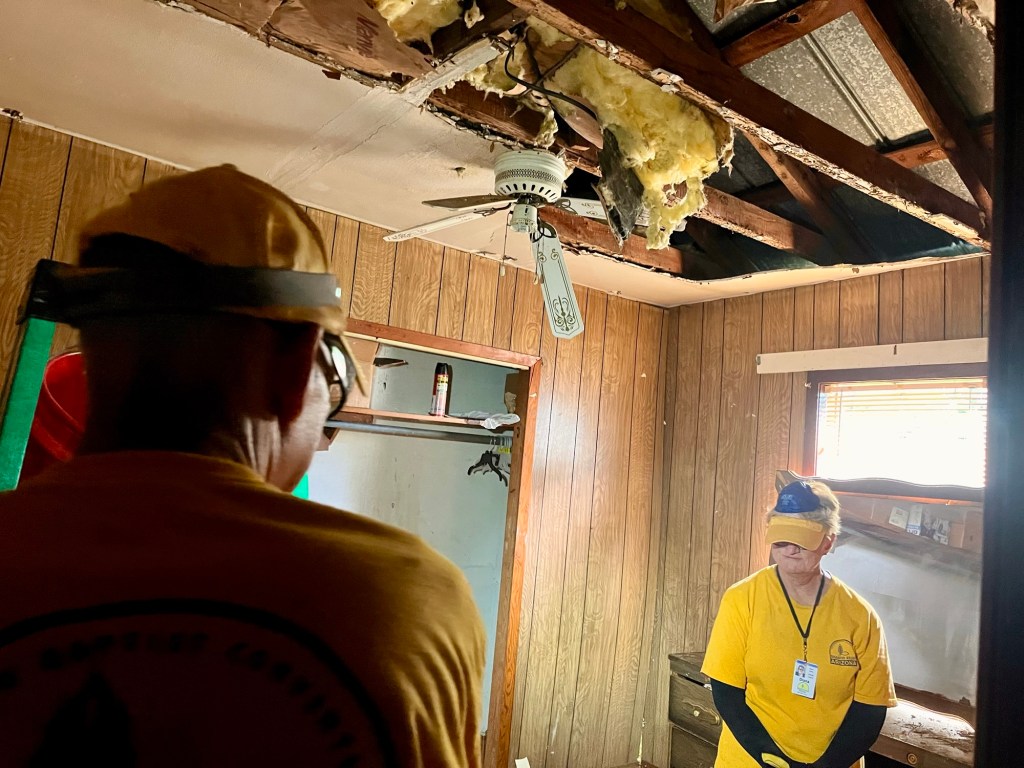
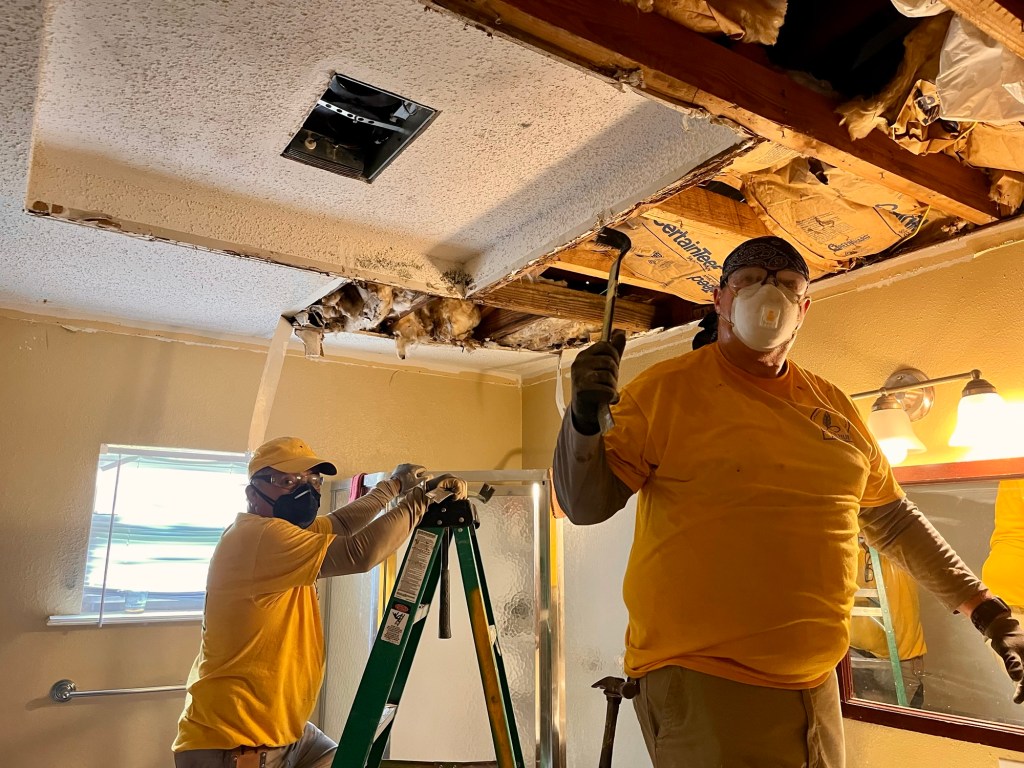
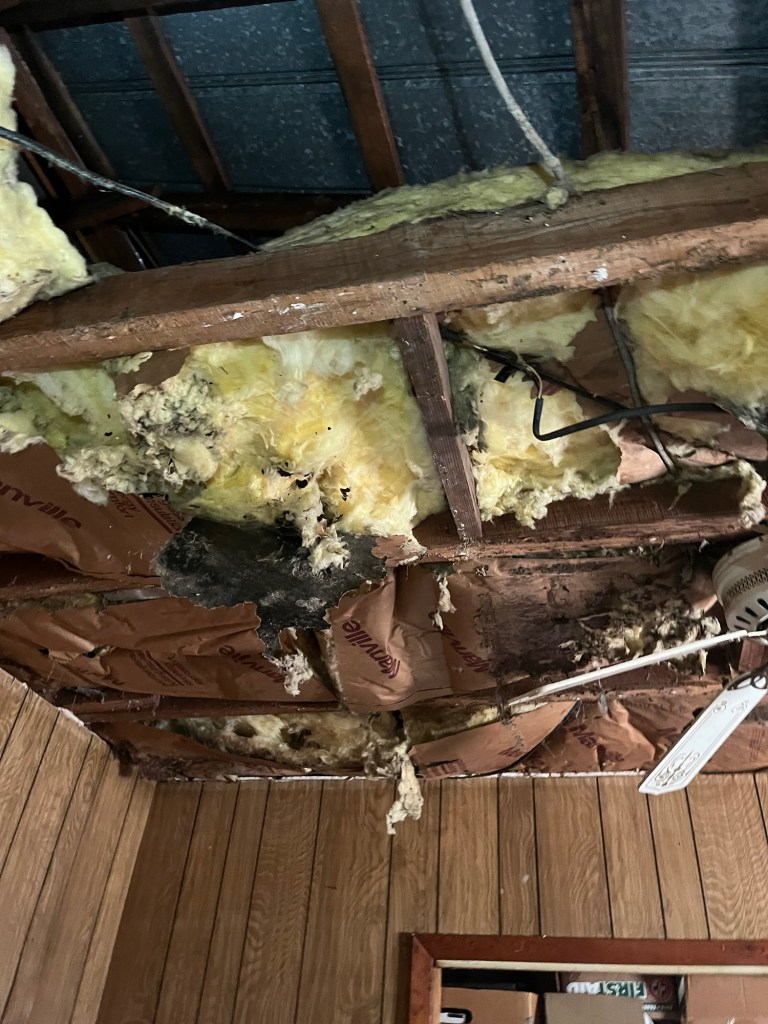
Sometimes we just have to gaze at a project for a few minutes…Mike and Robbie made short work of the ceiling in this home…I thought this was a cool picture…The ceiling in this room was really bad…Finishing this one up…This is tomorrow’s home, we will be here for a while…We had to clear a path so we could demo the house…
“For our citizenship is in heaven, from which we also eagerly wait for the Savior, the Lord Jesus Christ, who will transform our lowly body that it may be conformed to His glorious body, according to the working by which He is able even to subdue all things to Himself.” Philippians 3:20-21 NKJV
Morning devotions…This guy was checking on our work…We are just getting started…About halfway through…
“Therefore, God elevated him to the place of highest honor and gave him the name above all other names, that at the name of Jesus every knee should bow, in heaven and on earth and under the earth, and every tongue declare that Jesus Christ is Lord, to the glory of God the Father.” Philippians 2:9-11 NLT
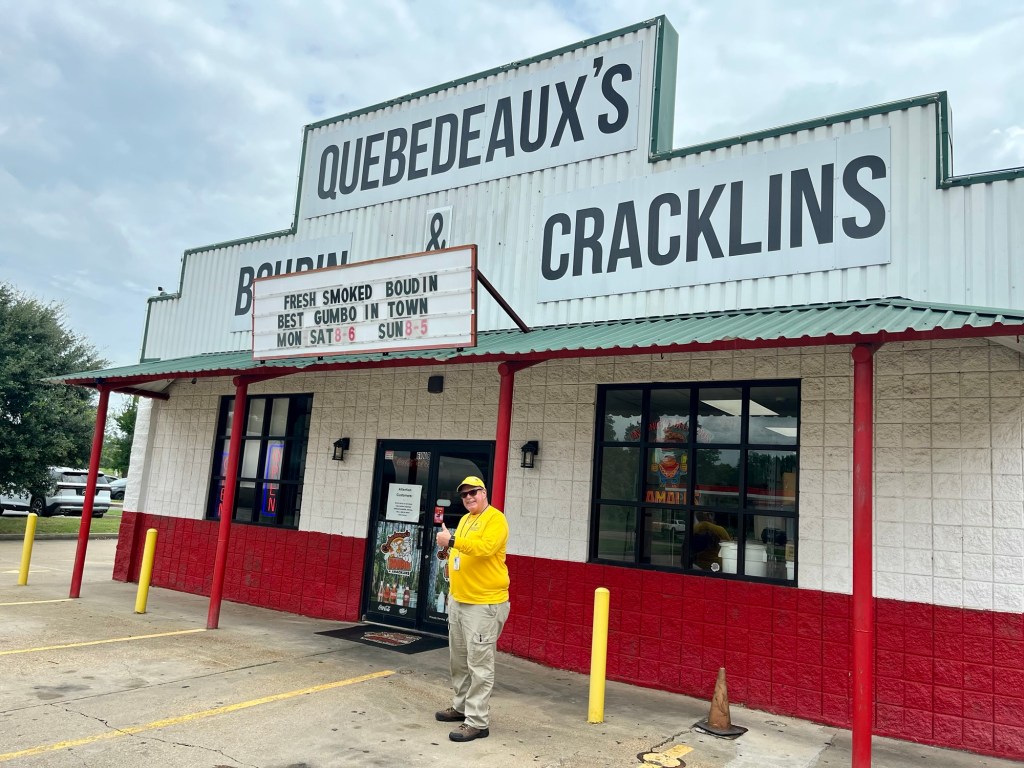
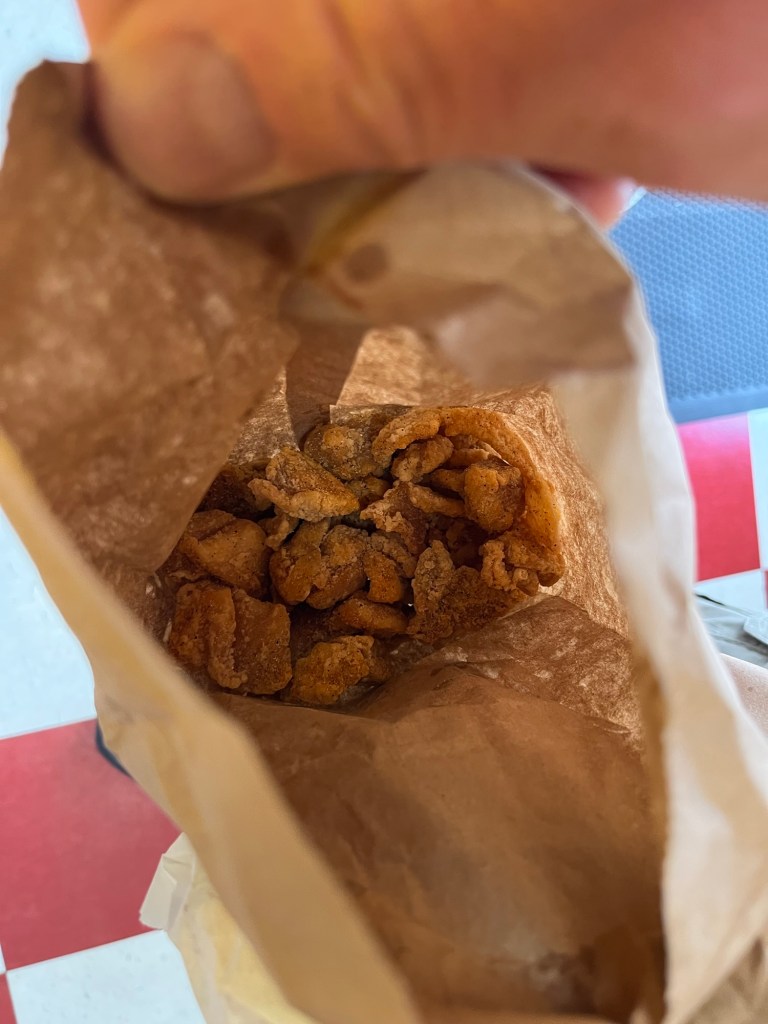
This morning started off with a continuation of last with heavy rain…Our first decent meal in days…You have to get cracklins when you’re in Louisiana…
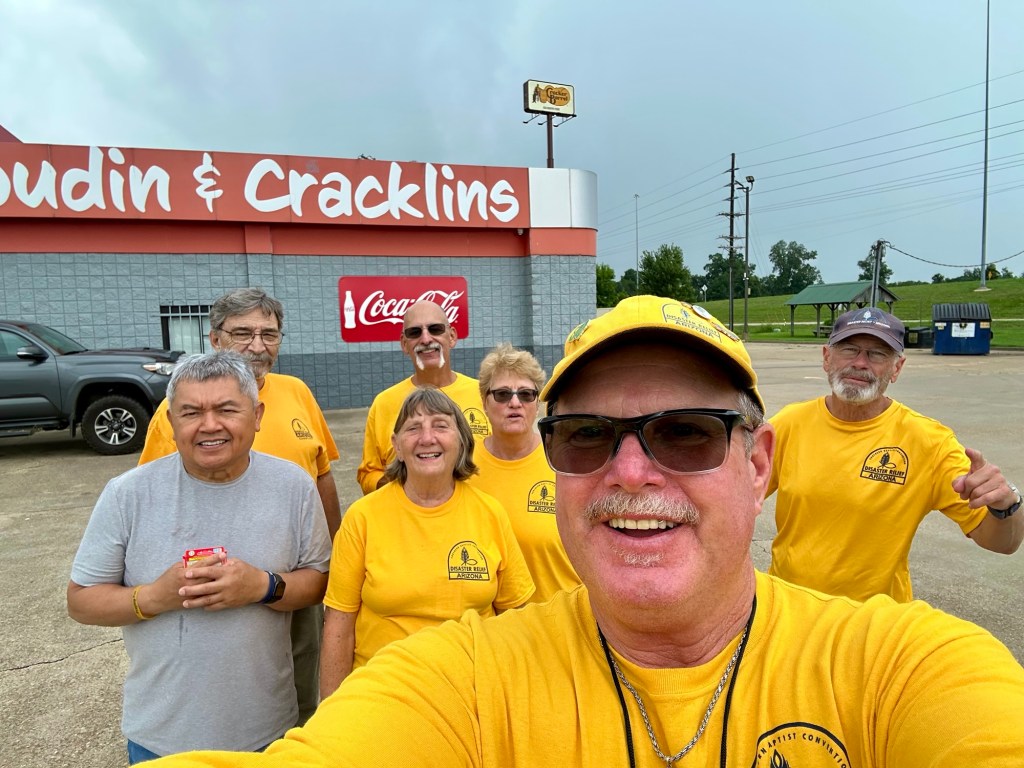
Our crew, from left to right, Pat, Russ, Mike, Robbie, Michelle and Diana. We have all worked together on numerous callouts…
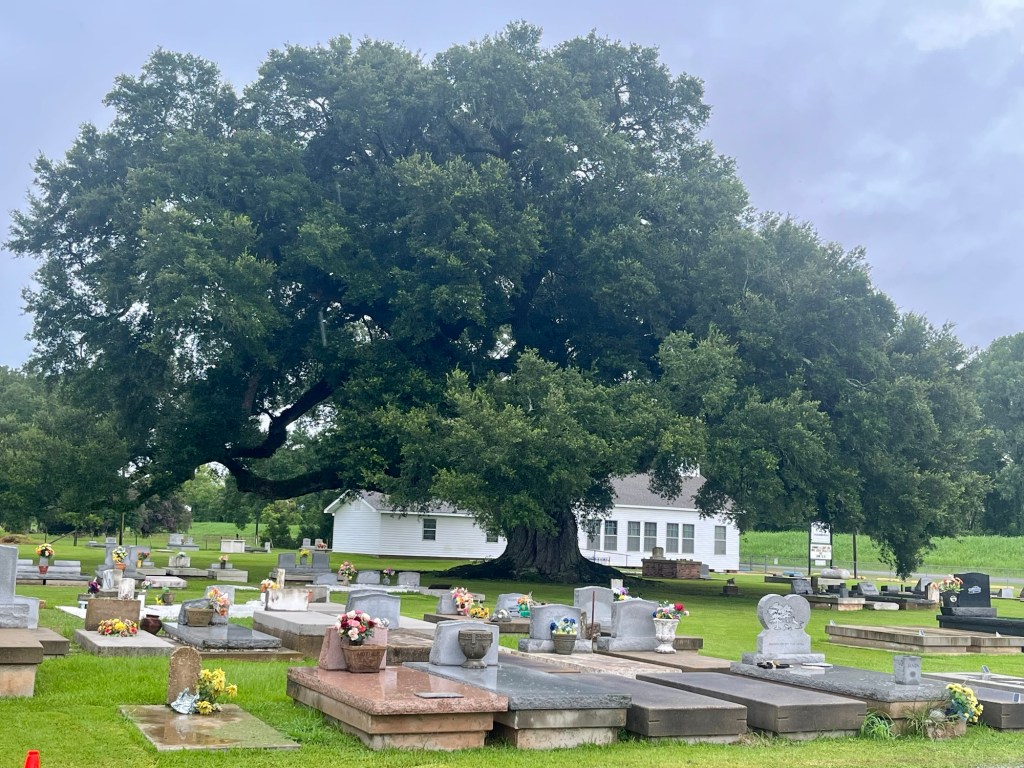
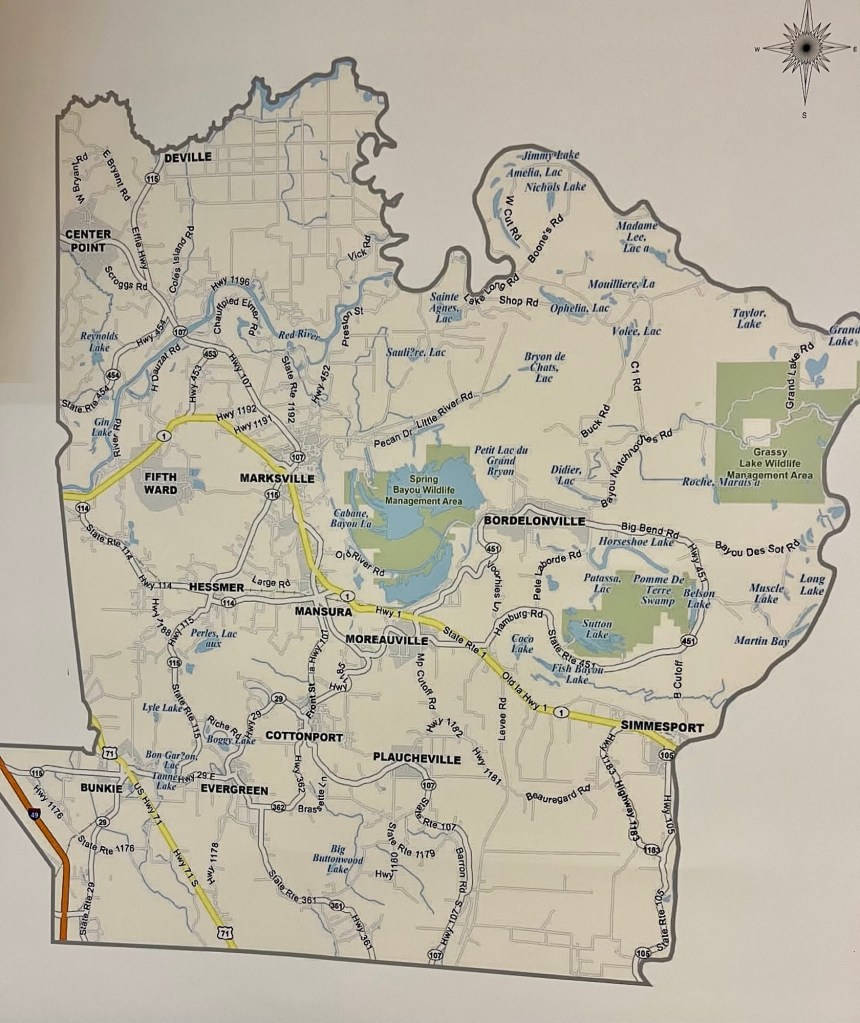
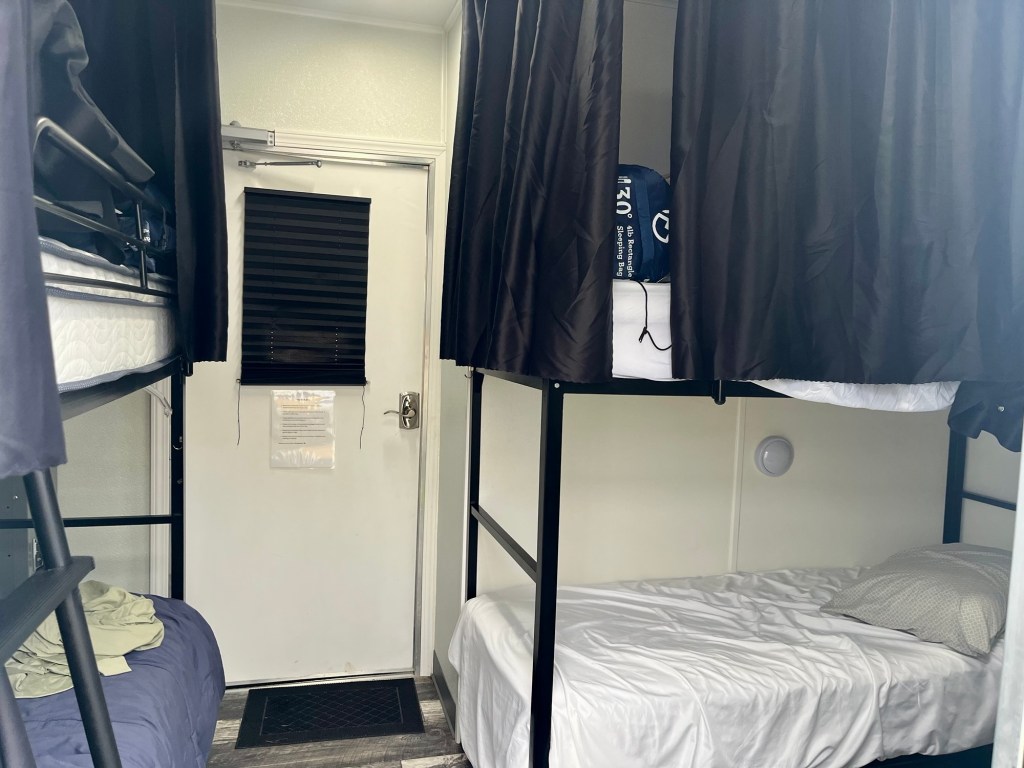
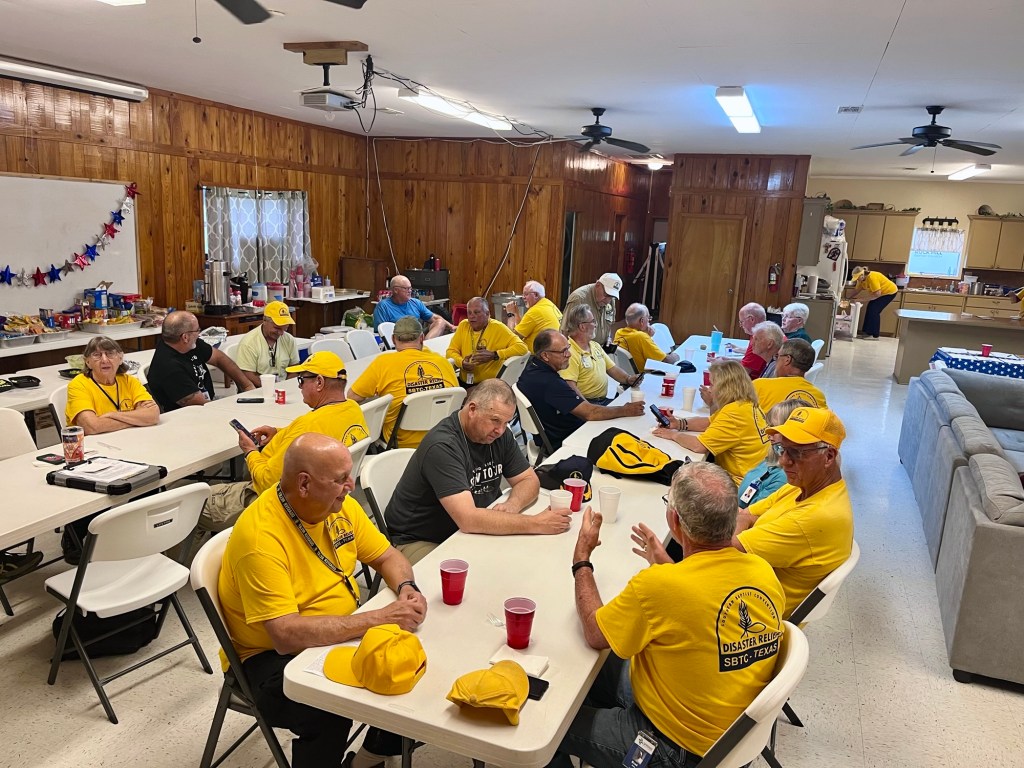
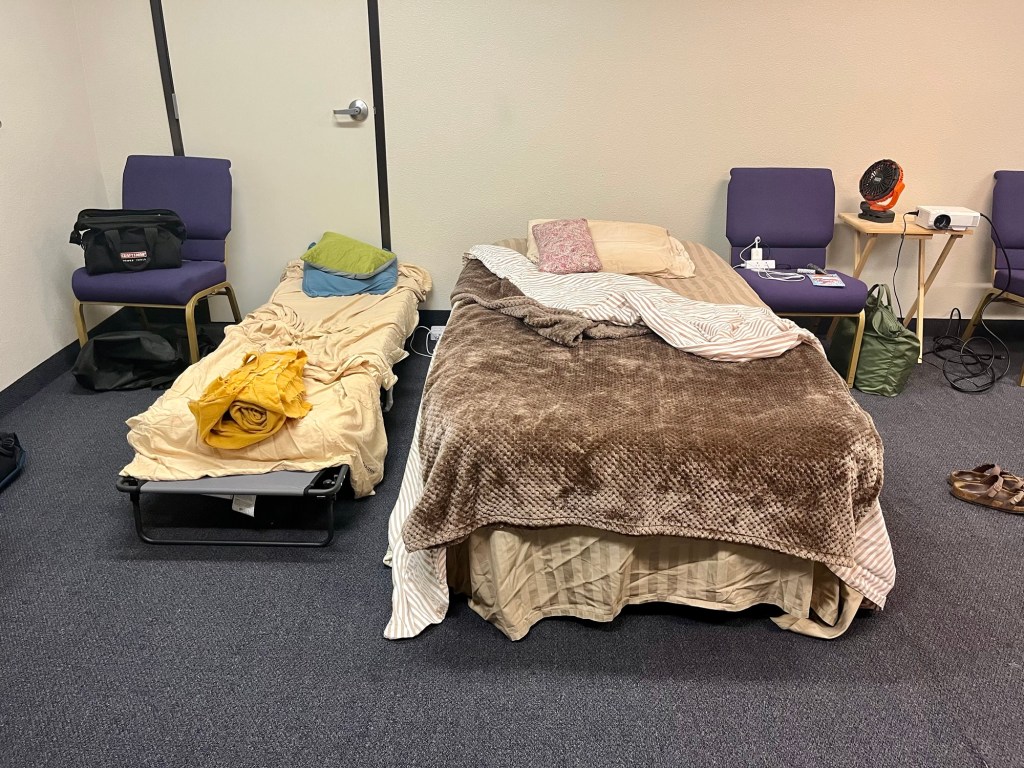
The church and cemetery right next to where we are staying…The parish we are serving…My sleeping quarters, not exactly accommodating…Teams from Texas, Georgia and Arizona…
“And I am certain that God, who began the good work within you, will continue his work until it is finally finished on the day when Christ Jesus returns.” Philippians 1:6 NLT
“May you always be filled with the fruit of your salvation—the righteous character produced in your life by Jesus Christ—for this will bring much glory and praise to God.” Philippians 1:11 NLT
I almost bought this, I might be someone’s…Fuel and food in Texas…A lady at one of our gas stops gave us a few of these. We are hoping to find some kids to share them with…
“Pray in the Spirit at all times and on every occasion. Stay alert and be persistent in your prayers for all believers everywhere.” Ephesians 6:18 NLT
We hit some bad weather and this instruction came in handy as Russ and I had many praying for us.
“May God’s grace be eternally upon all who love our Lord Jesus Christ.” Ephesians 6:24 NLT
Thanks to Big O tires in Wickenburg, our unit is sitting in a restaurant parking lot in Las Cruces New Mexico.
Sadly, this establishment had run out of food, but the owner directed us to a Mexican restaurant down the road and from what my teammates shared, it was delicious! The best thing is that we prayed for our server as she said she was a tough time as of late. We prayed and shared about God’s love. Remember her in your prayers, Melissa…
“This is my command—be strong and courageous! Do not be afraid or discouraged. For the Lord your God is with you wherever you go.”” Joshua 1:9 NLT
This is one sweet ride! Our newest DR truck and we get to drive it all the way to Louisiana…The tires on the recovery trailer are just not going to make the trip…So, no early start for us. I have 4 tires lined up for purchase tomorrow morning at 0730…One side is ready for new rubber…
“Get rid of all bitterness, rage, anger, harsh words, and slander, as well as all types of evil behavior. Instead, be kind to each other, tenderhearted, forgiving one another, just as God through Christ has forgiven you.” Ephesians 4:31-32 NLT
“Now it came to pass, as He was praying in a certain place, when He ceased, that one of His disciples said to Him, “Lord, teach us to pray, as John also taught his disciples.” So He said to them, “When you pray, say: Our Father in heaven, Hallowed be Your name. Your kingdom come. Your will be done On earth as it is in heaven. Give us day by day our daily bread. And forgive us our sins, For we also forgive everyone who is indebted to us. And do not lead us into temptation, But deliver us from the evil one.””
God help us to be men and women of prayer. We don’t need more preachers, churches, or missionaries, we need more believers that know how to pray…
The mind of God is revealed in the Word of God, and the mind of the Christian NEEDS to know the Word of God in order to be guided by it.
“Then you will experience God’s peace, which exceeds anything we can understand. His peace will guard your hearts and minds as you live in Christ Jesus.” Philippians 4:7 NLT
“Behold, I stand at the door and knock. If anyone hears My voice and opens the door, I will come in to him and dine with him, and he with Me.” Revelation 3:20 NKJV
Christ stands without your door and gently knocks,
“And the same day, when the even was come, he saith unto them, Let us pass over unto the other side. And when they had sent away the multitude, they took him even as he was in the ship. And there were also with him other little ships. And there arose a great storm of wind, and the waves beat into the ship, so that it was now full. And he was in the hinder part of the ship, asleep on a pillow: and they awake him, and say unto him, Master, carest thou not that we perish? And he arose, and rebuked the wind, and said unto the sea, Peace, be still. And the wind ceased, and there was a great calm. And he said unto them, Why are ye so fearful? how is it that ye have no faith? And they feared exceedingly, and said one to another, What manner of man is this, that even the wind and the sea obey him?” Mark 4:35-41 KJV
“He will not be afraid of evil tidings; His heart is steadfast, trusting in the Lord.
His heart is established; He will not be afraid, Until he sees his desire upon his enemies.” Psalms 112:7-8 NKJV
If the Lord be with us, we have no cause to fear. His eye is upon us, His arm over us, and His ear open to our prayer—His grace sufficient, His promise unchangeable. John Newton
The entire AZDR team spent our final evening at a local steakhouse. Great meal and great fellowship…We cleared our room and cleaned up after ourselves…The last cold morning in Ruidoso…One of the prettiest rest areas in Arizona…Back to my favorite foods, it’s good to be home…AZDR Michelle was welcomed home by her flowers…
The last twelve days have been such a great gift from the Lord. Our team worked so well together, we had many close calls but managed to come home with all of our digits.
“I have been crucified with Christ; it is no longer I who live, but Christ lives in me; and the life which I now live in the flesh I live by faith in the Son of God, who loved me and gave Himself for me.” Galatians 2:20 NKJV
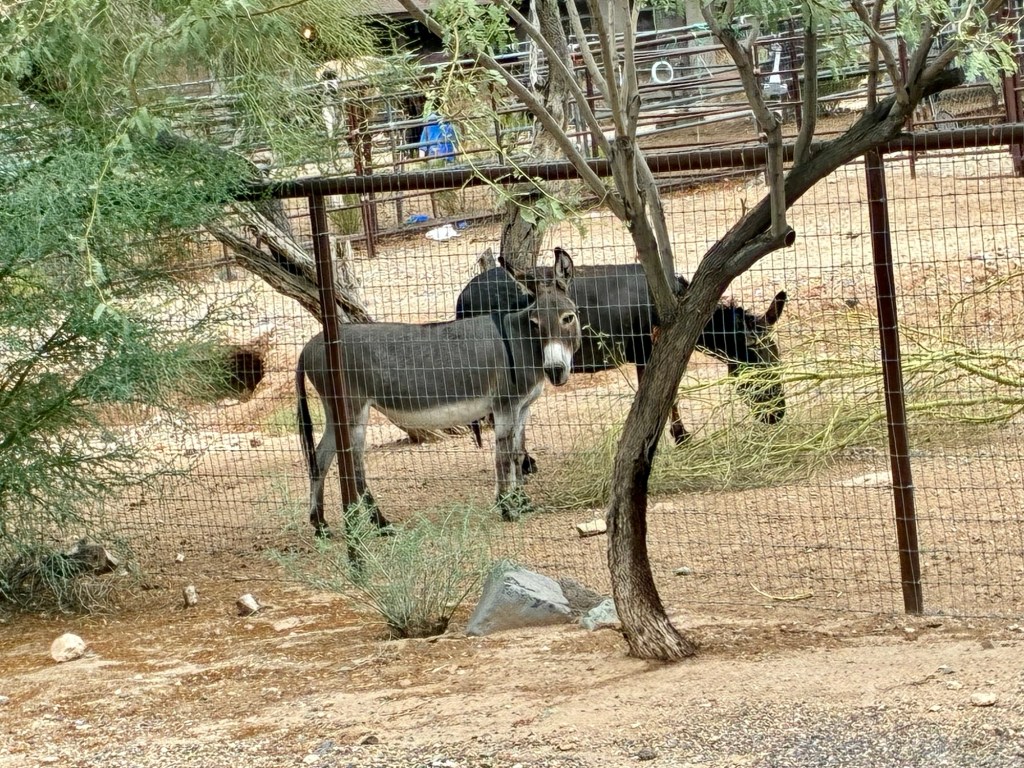
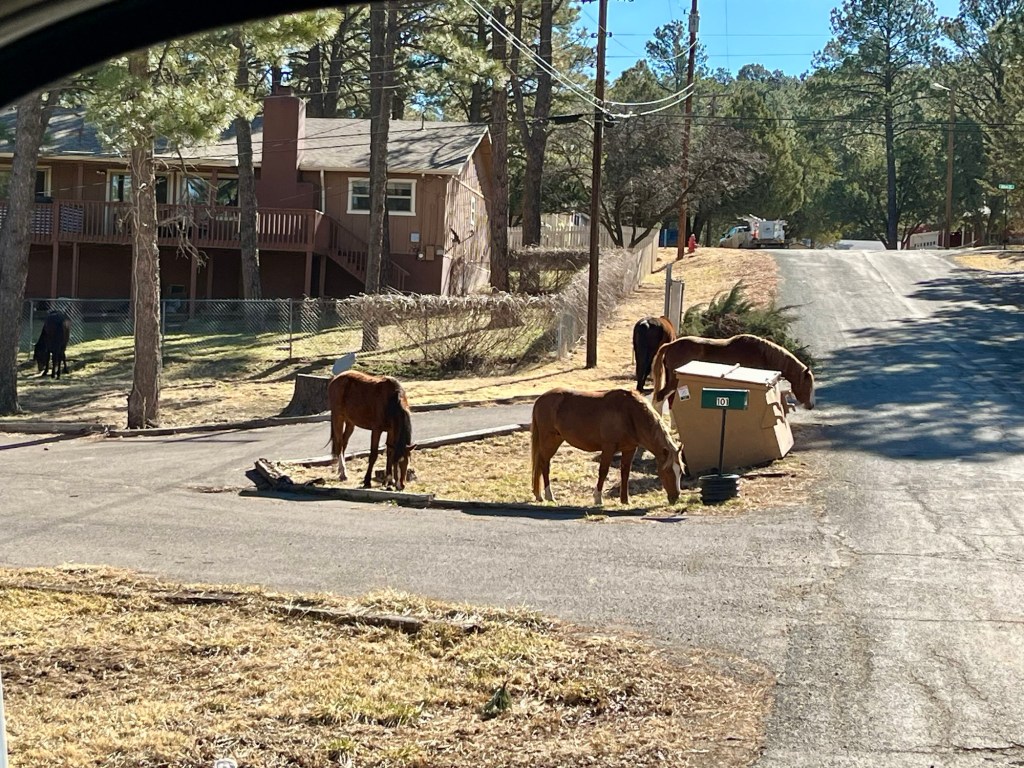
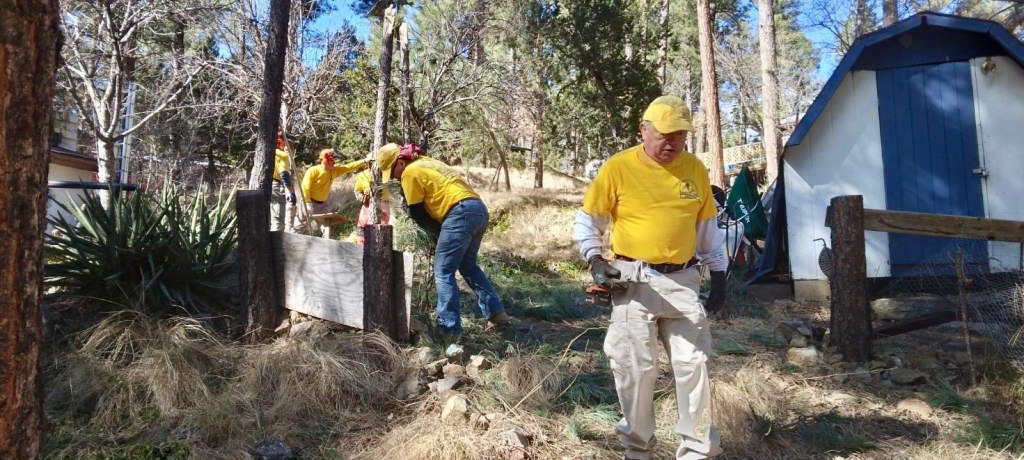
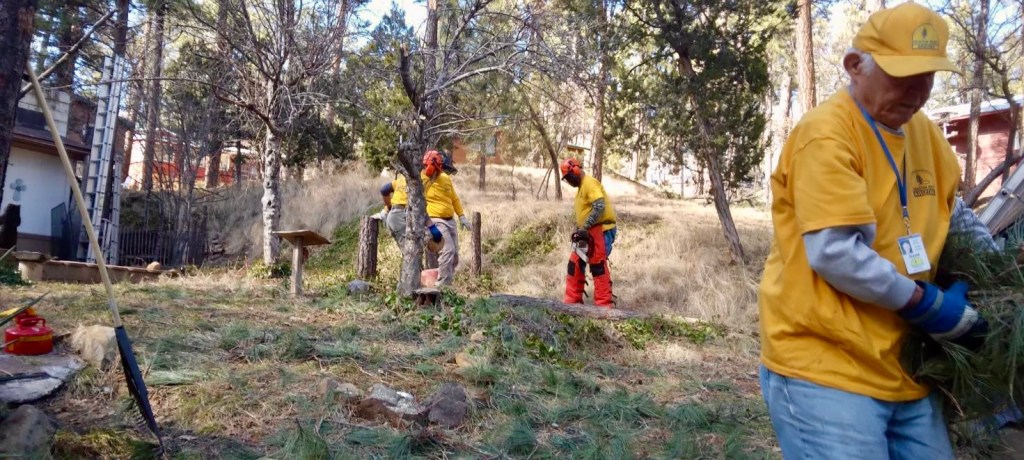
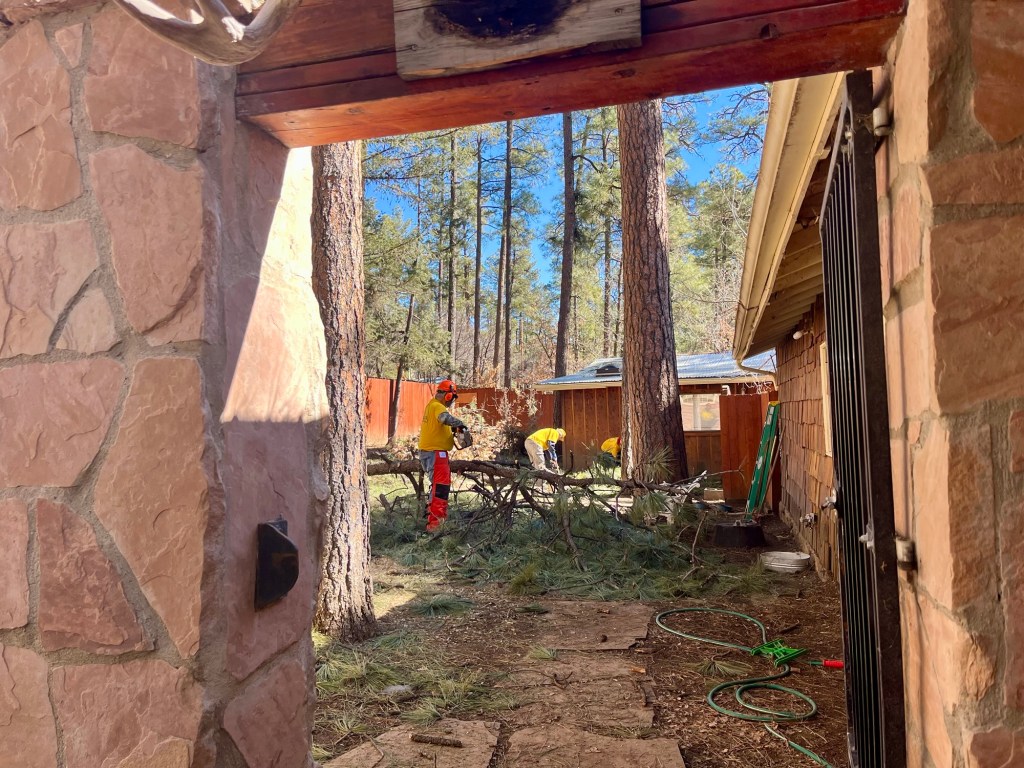
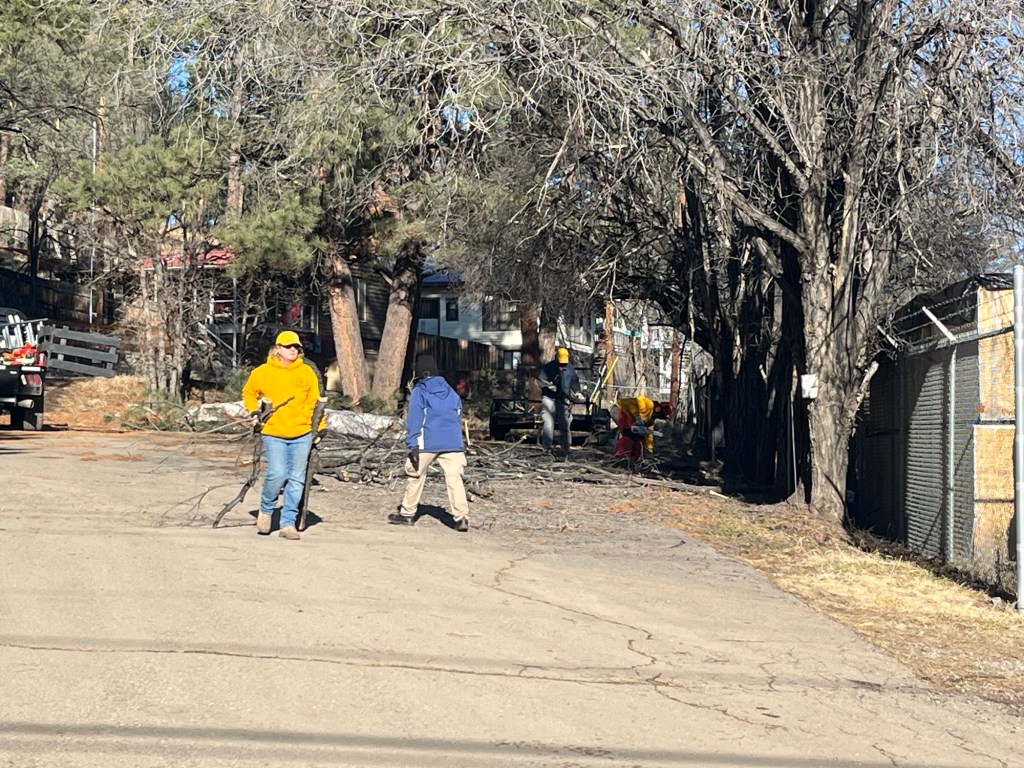
Always a good start to the day when we see the wild horses…Cut trees, pull branches, rinse and repeat…And again…
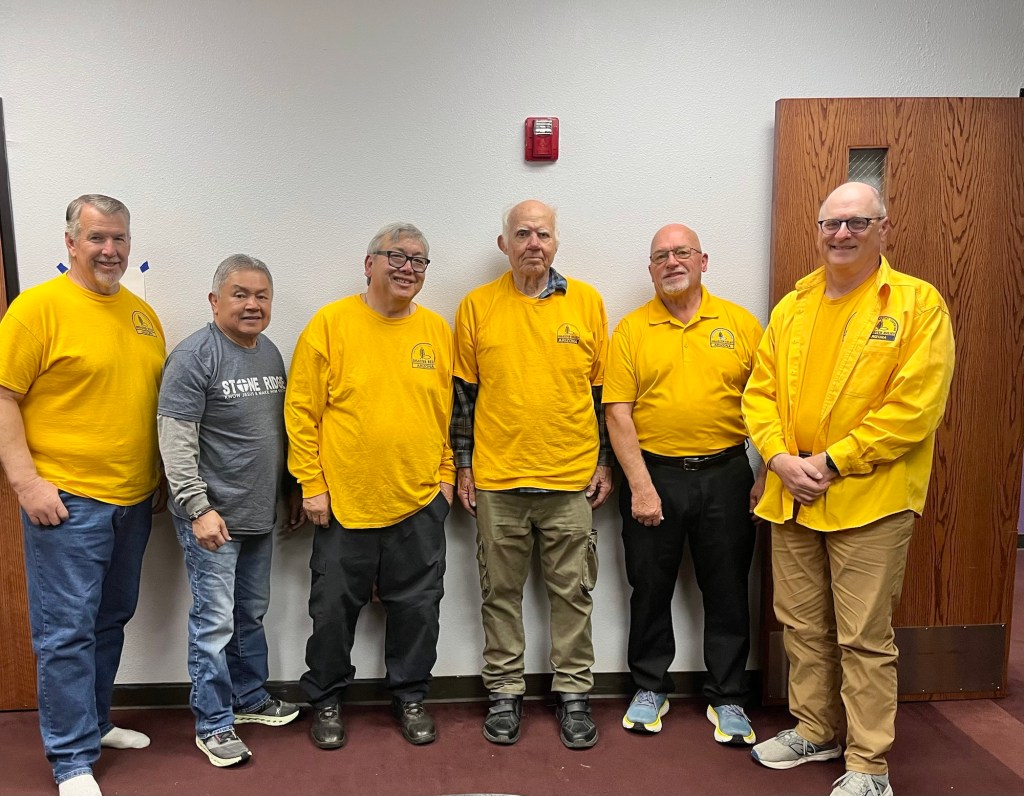
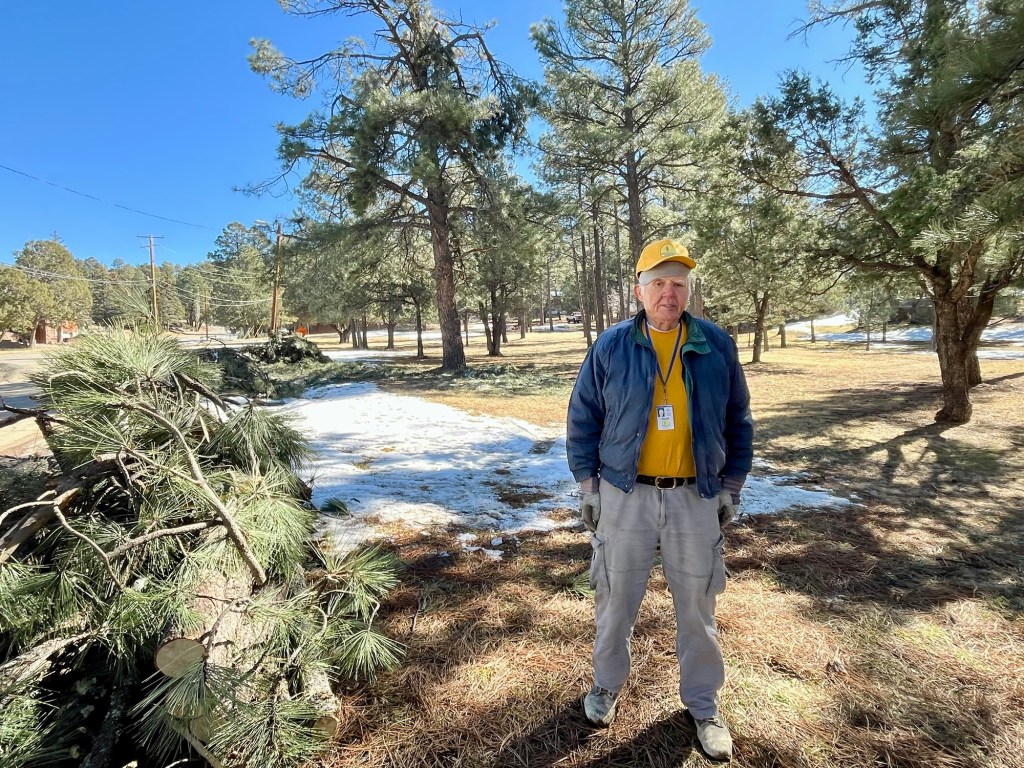
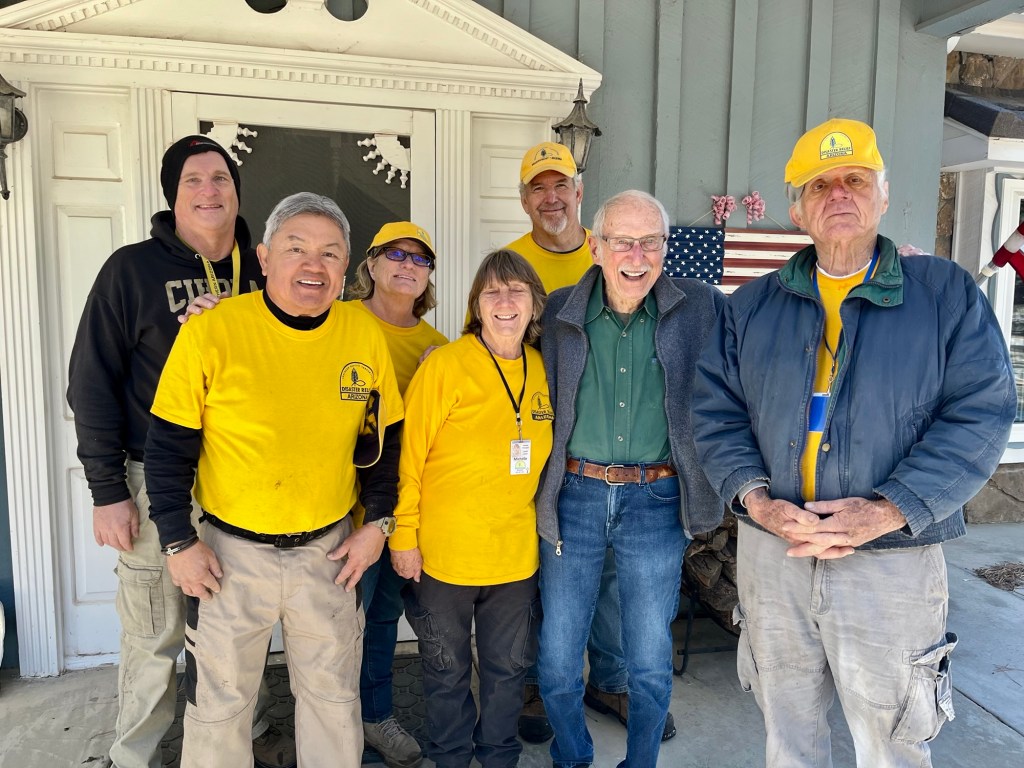
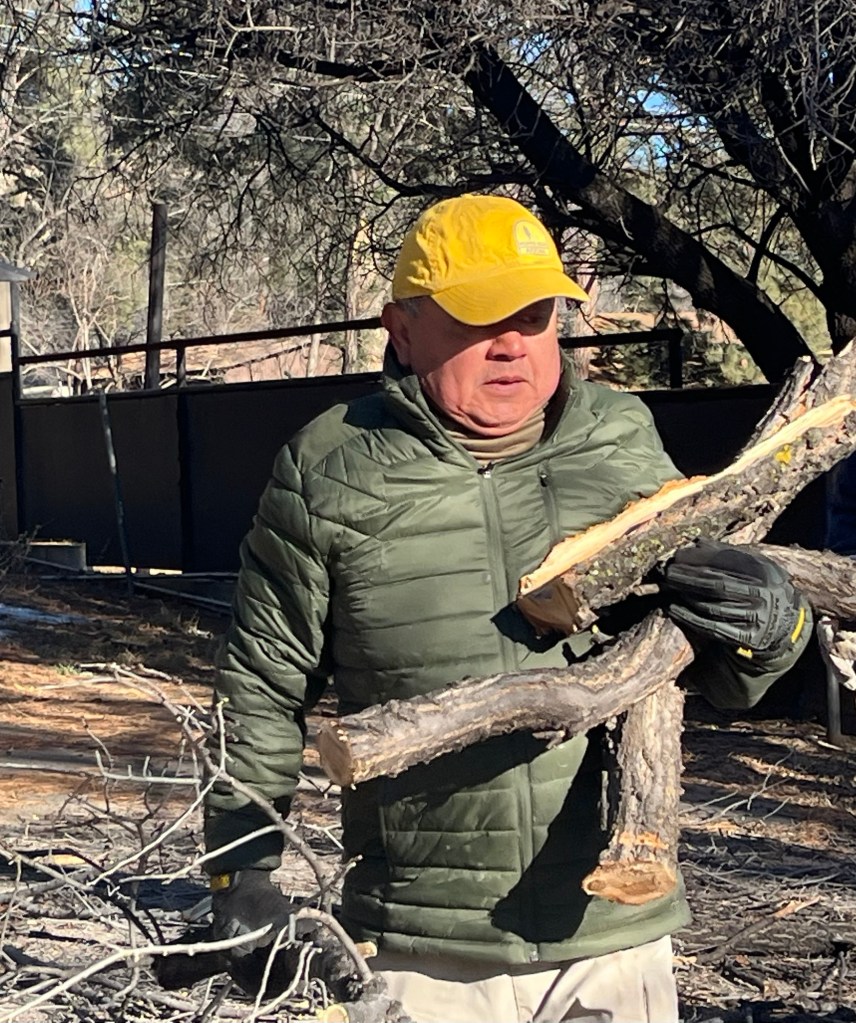
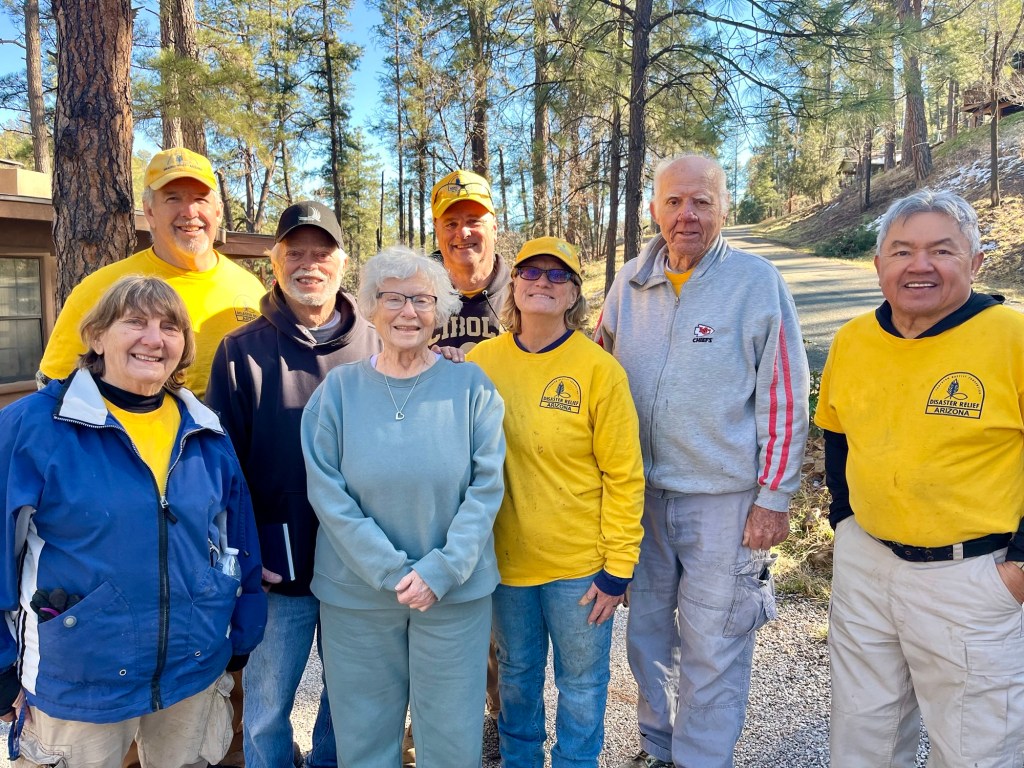
We take down a large broken branch…Our team mate AZDR David left earlier today. David is third from the right and at 85 was an inspiration to his whole team. He worked hard everyday and was a pleasure to be around…
“Come now, you who say, “Today or tomorrow we will go to such and such a city, spend a year there, buy and sell, and make a profit”; whereas you do not know what will happen tomorrow. For what is your life? It is even a vapor that appears for a little time and then vanishes away. Instead you ought to say, “If the Lord wills, we shall live and do this or that.” But now you boast in your arrogance. All such boasting is evil.
Therefore, to him who knows to do good and does not do it, to him it is sin.” James 4:13-17
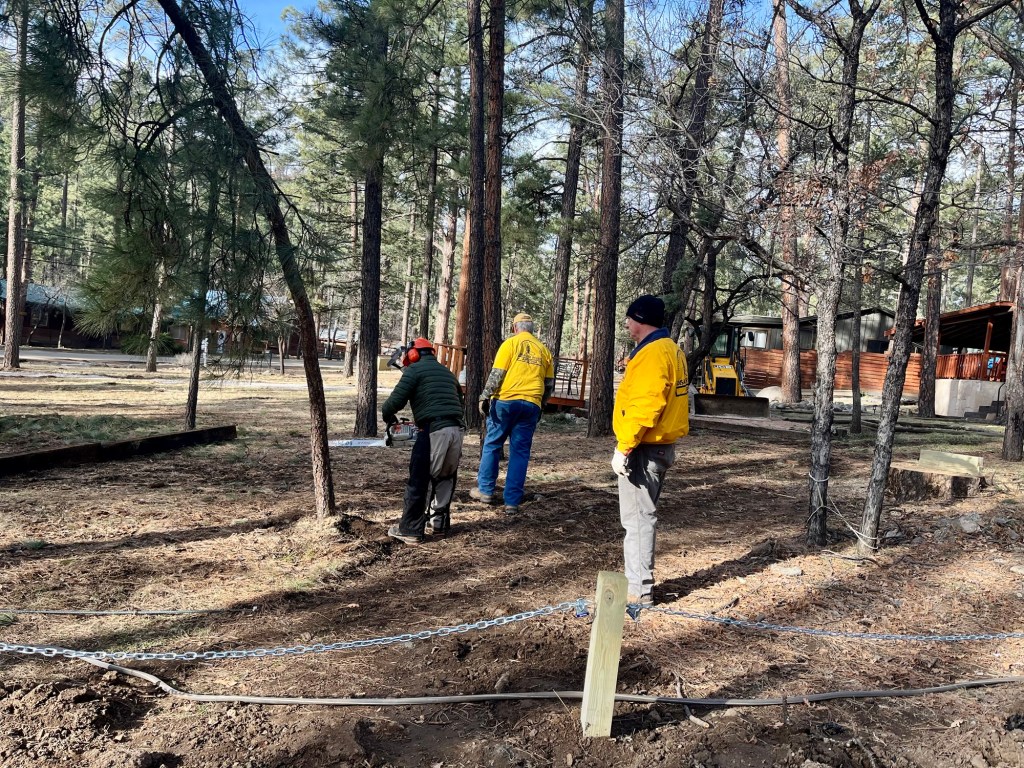
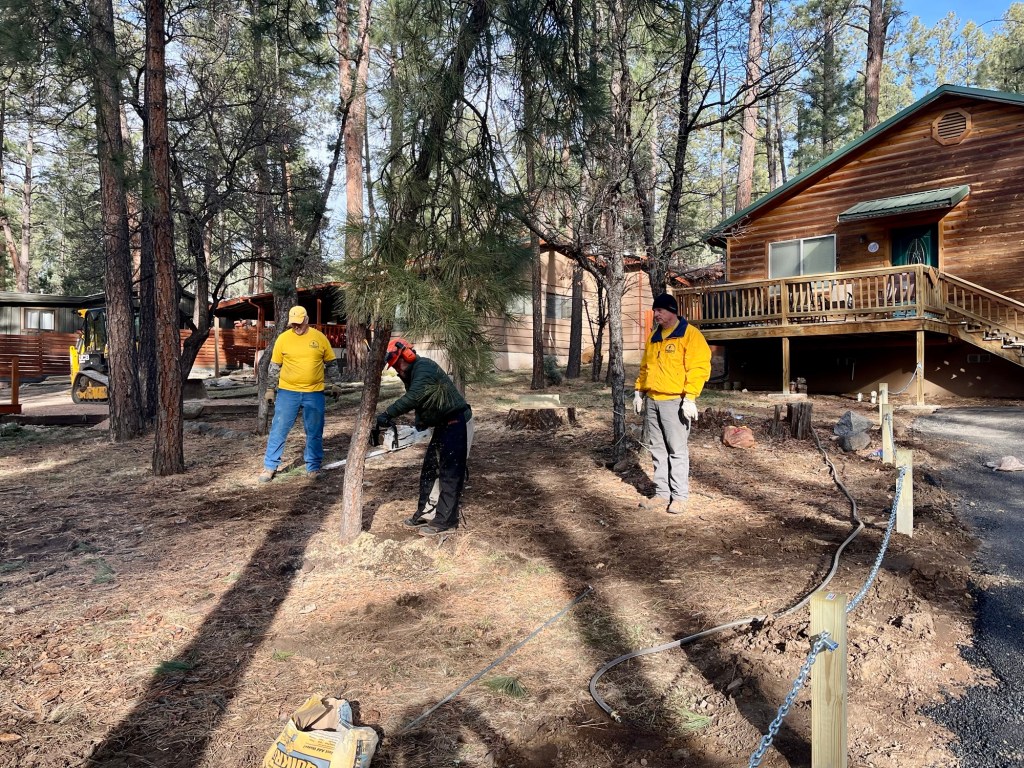
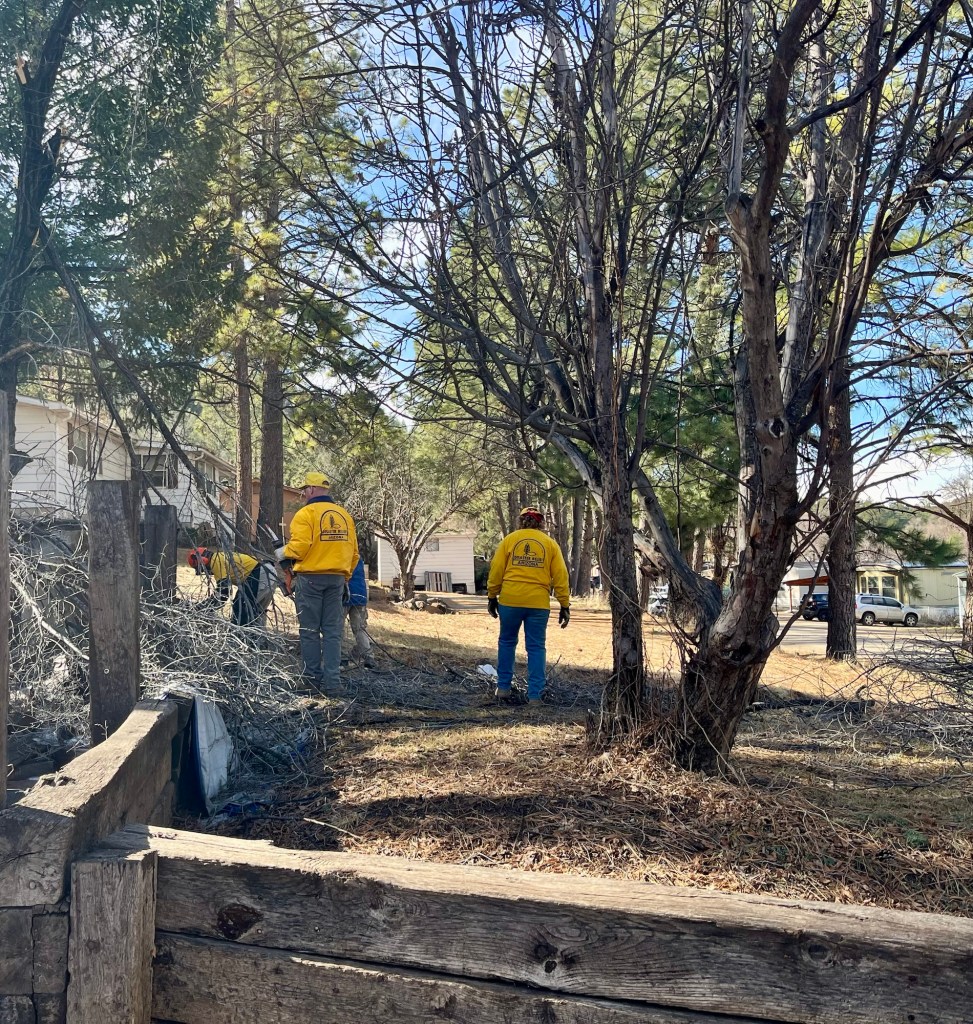
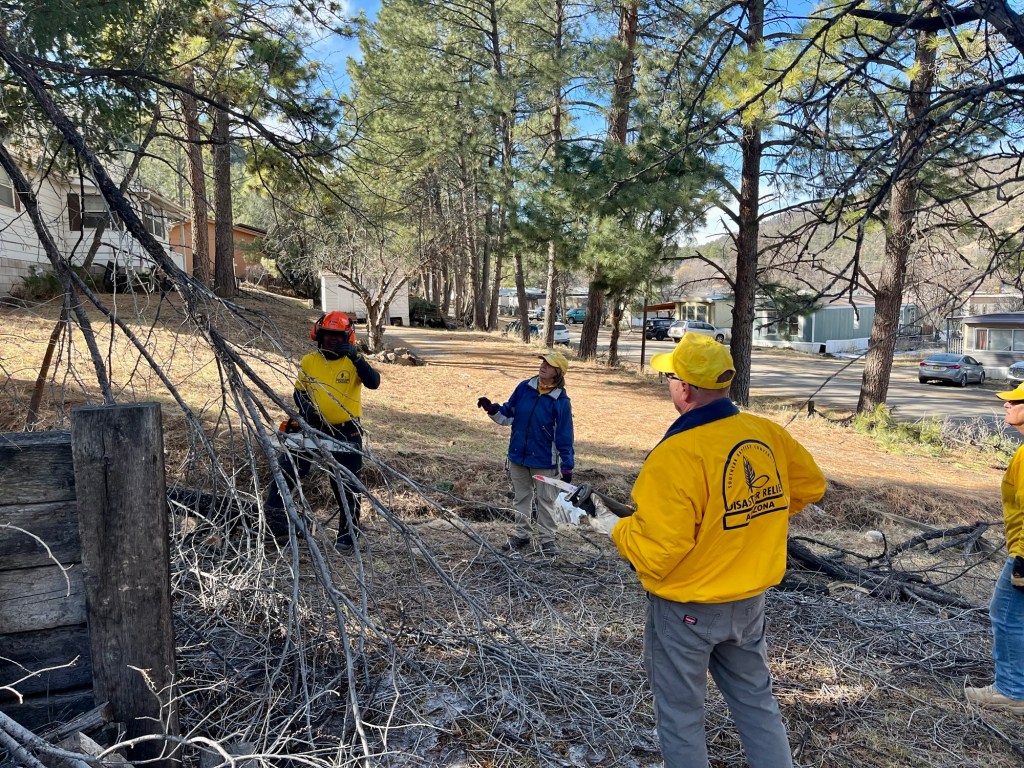
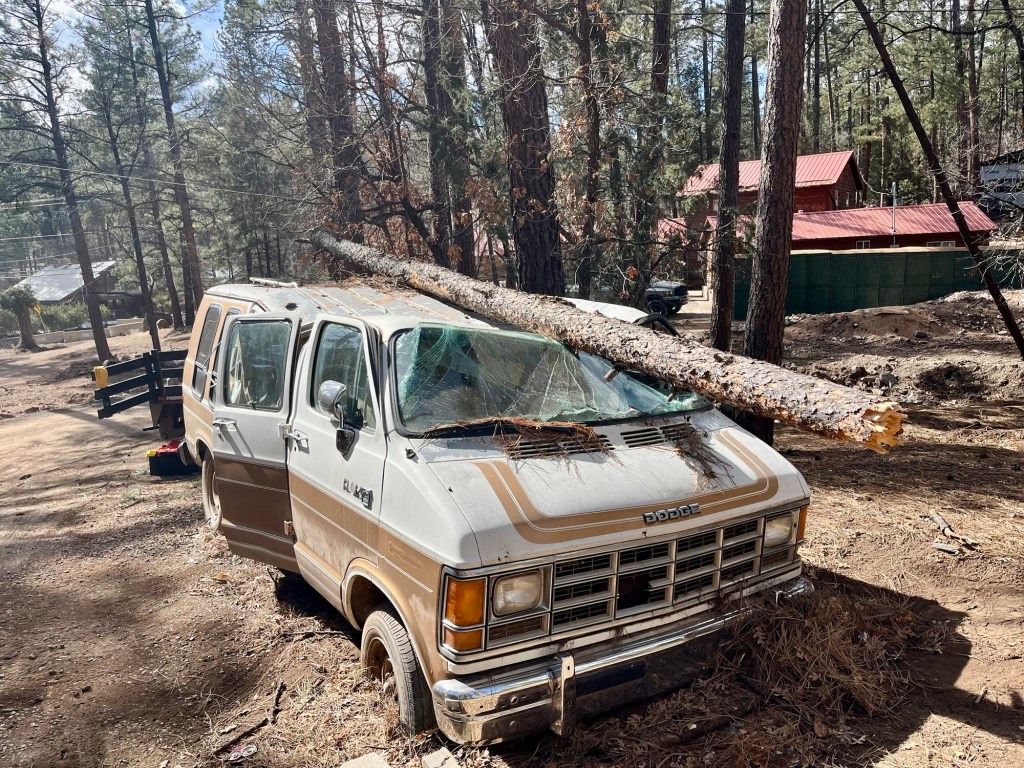
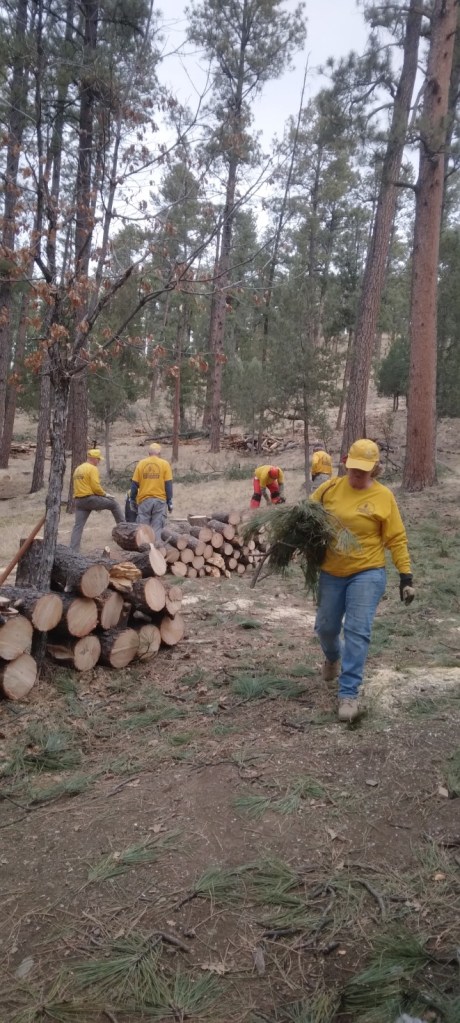
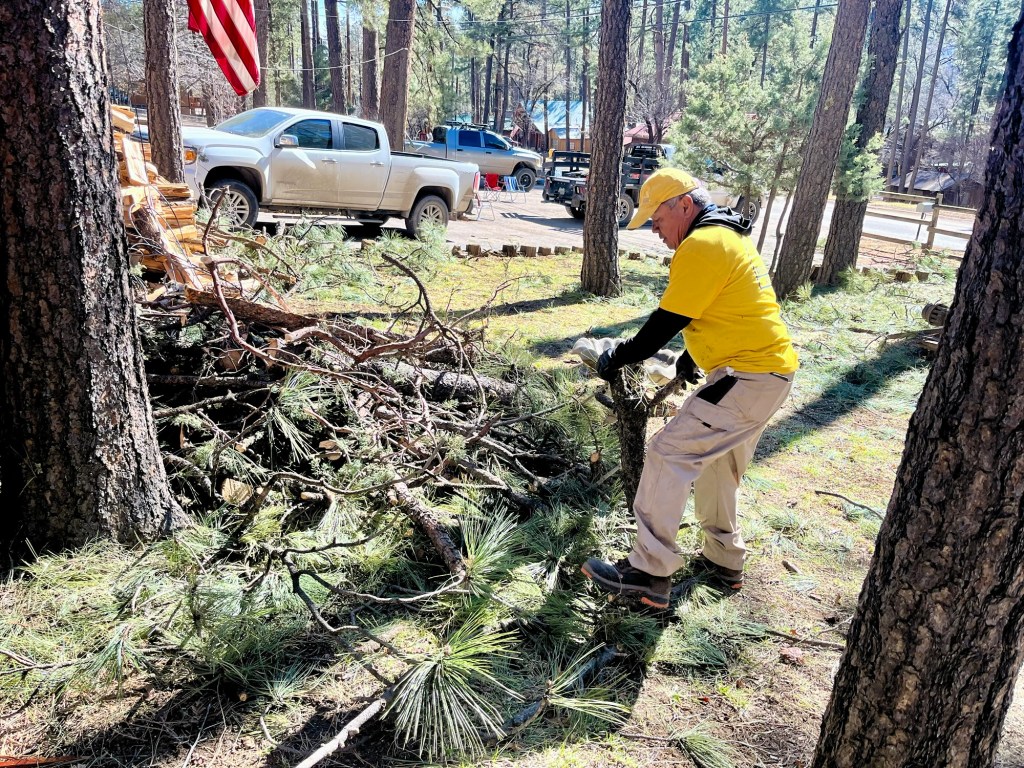
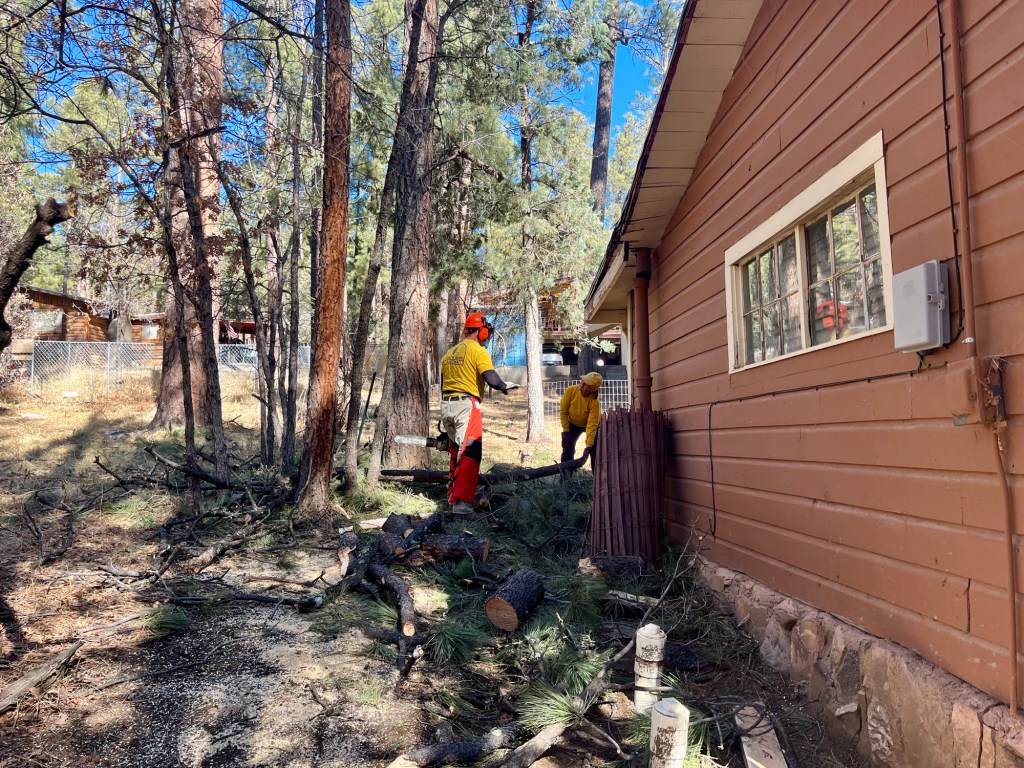
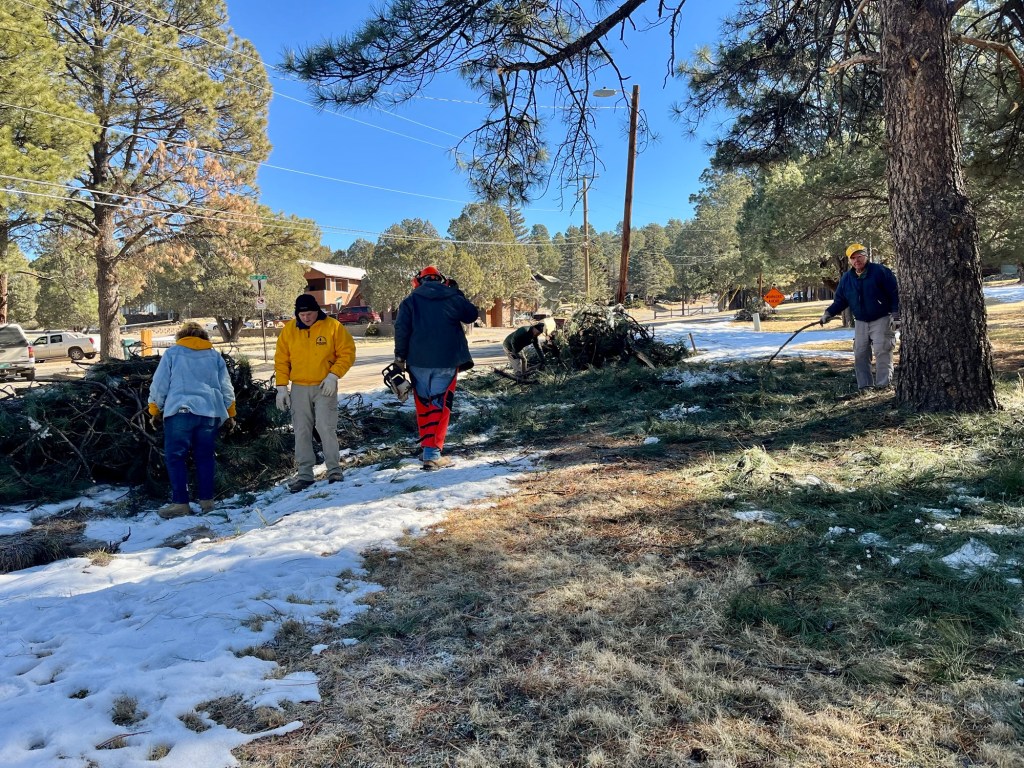
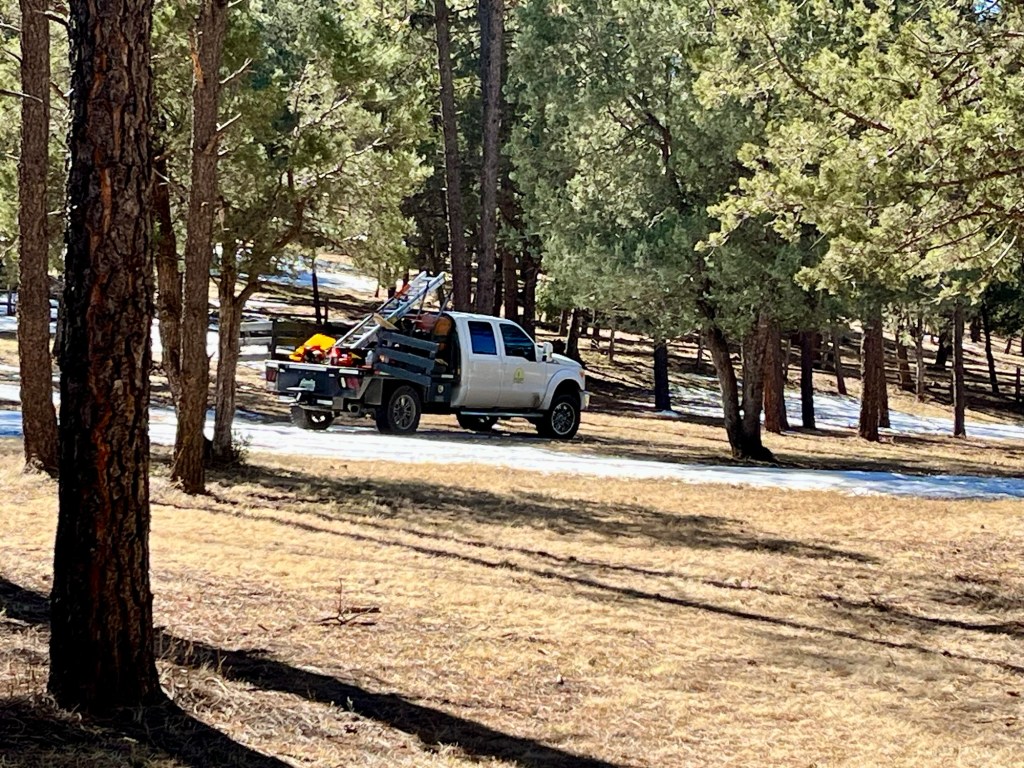
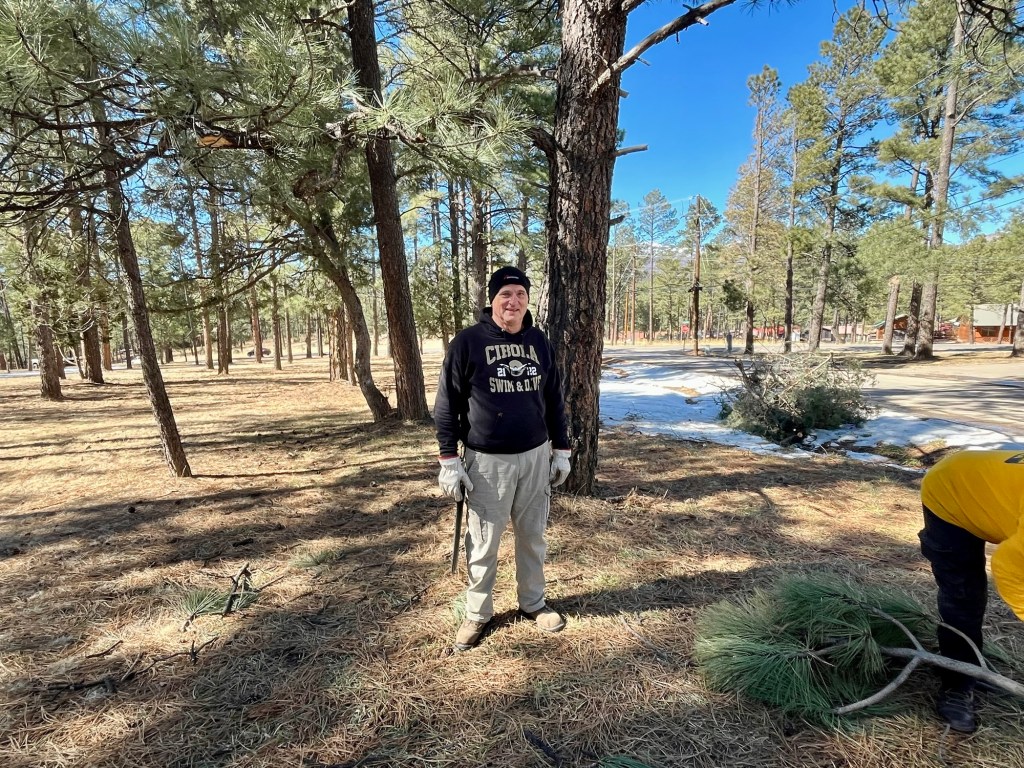
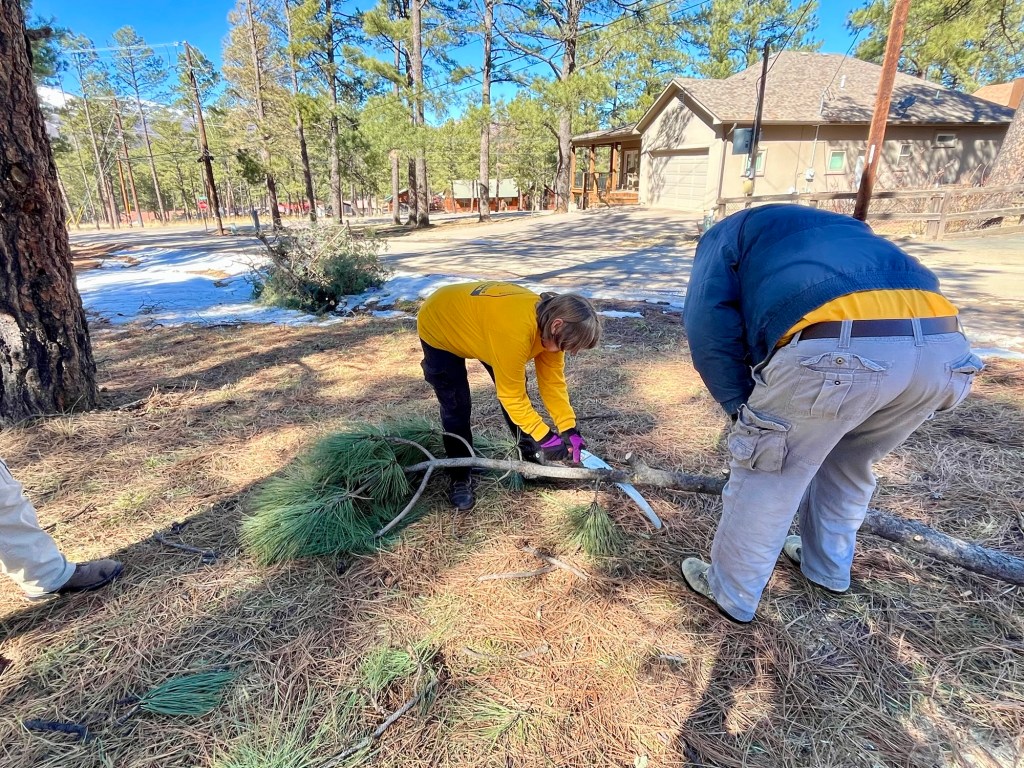
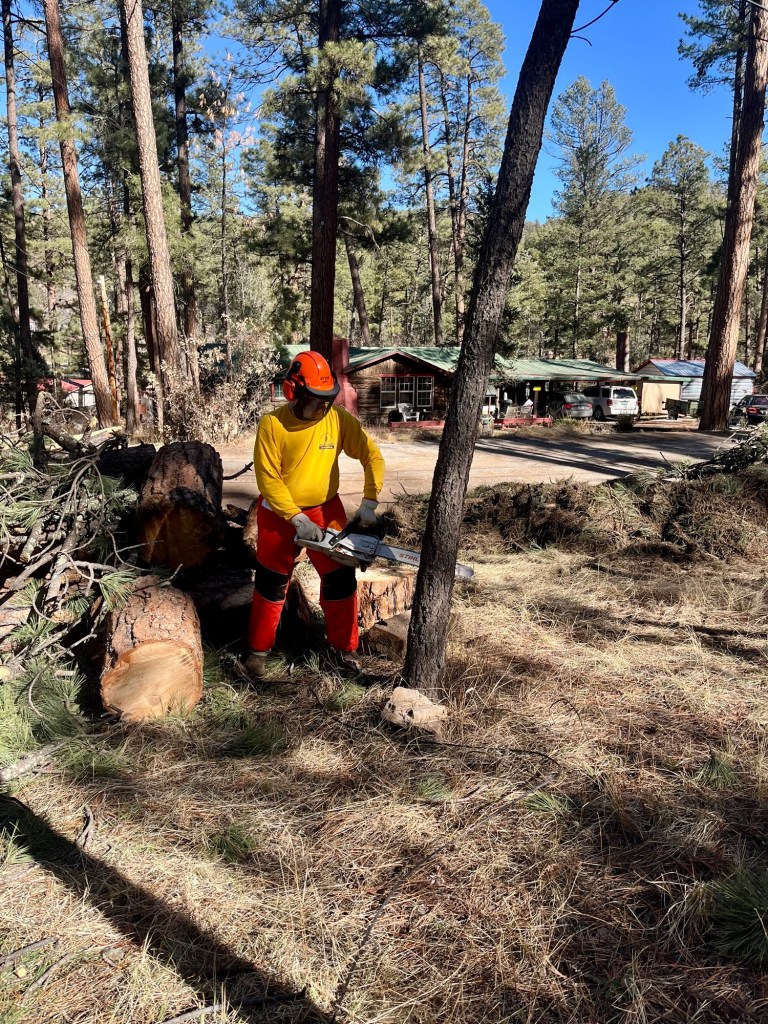
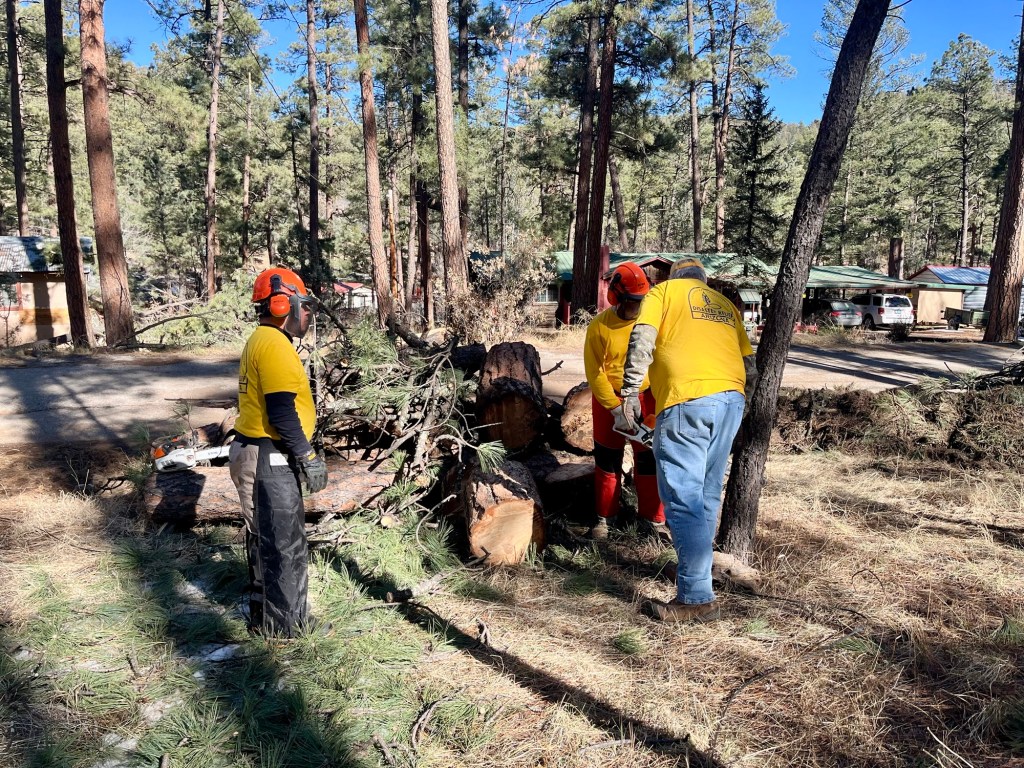
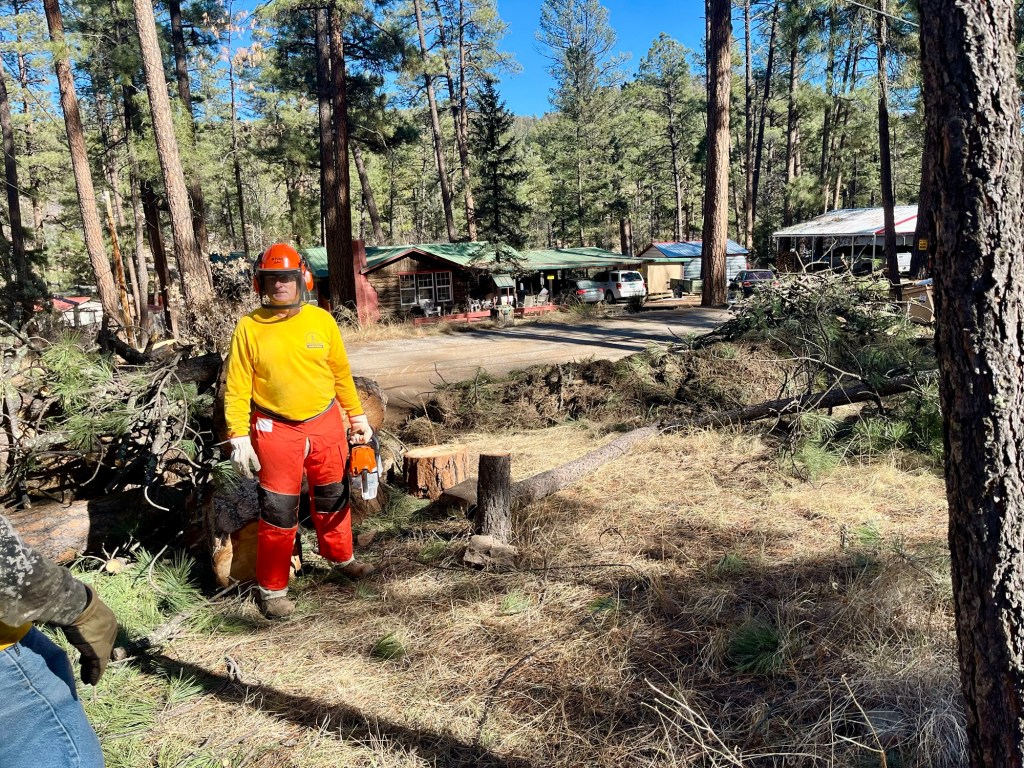
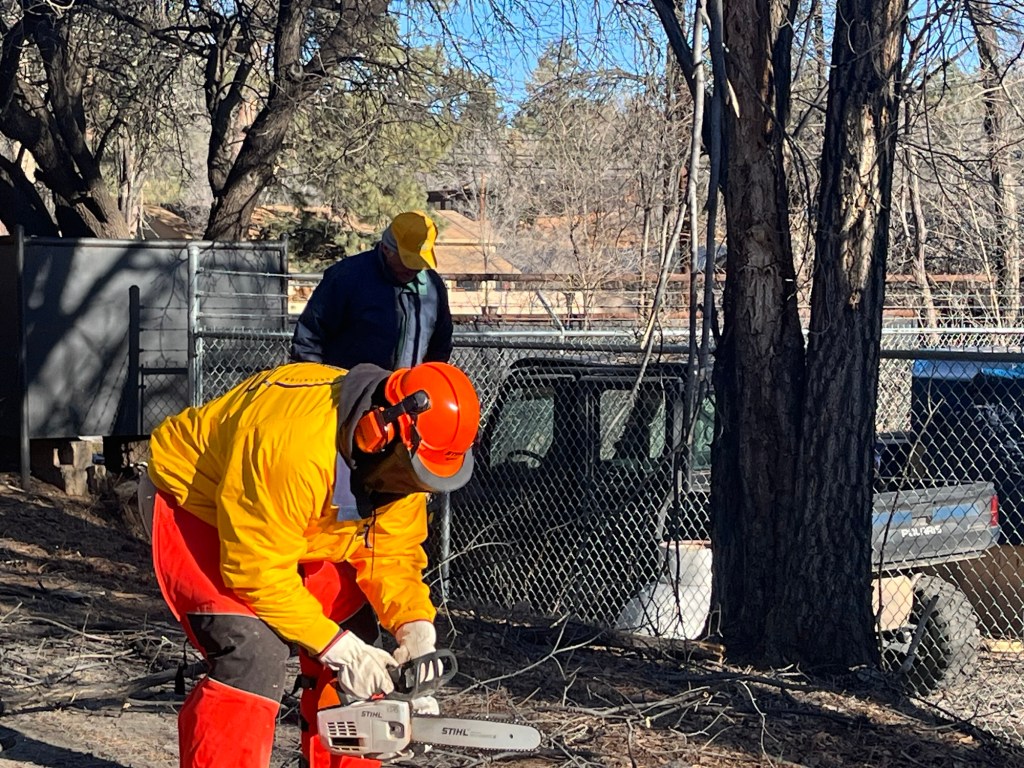
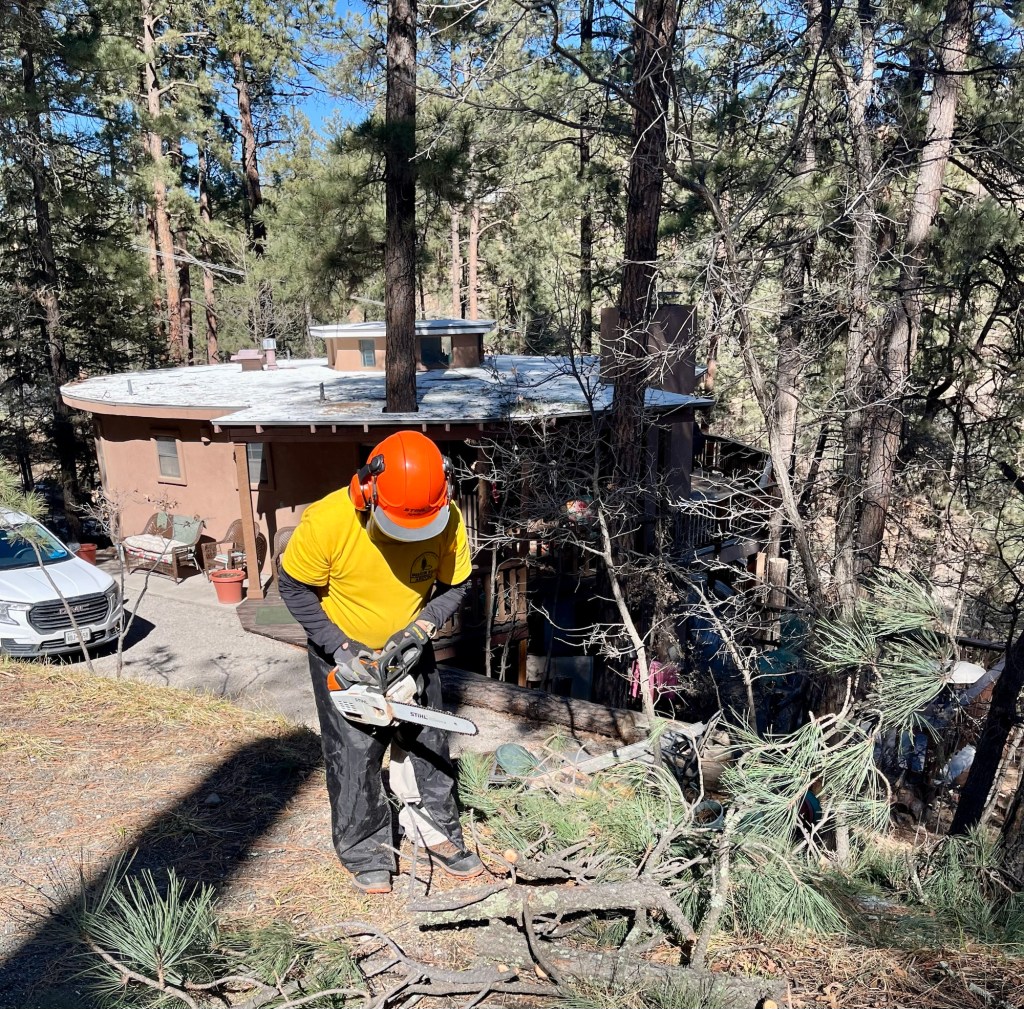
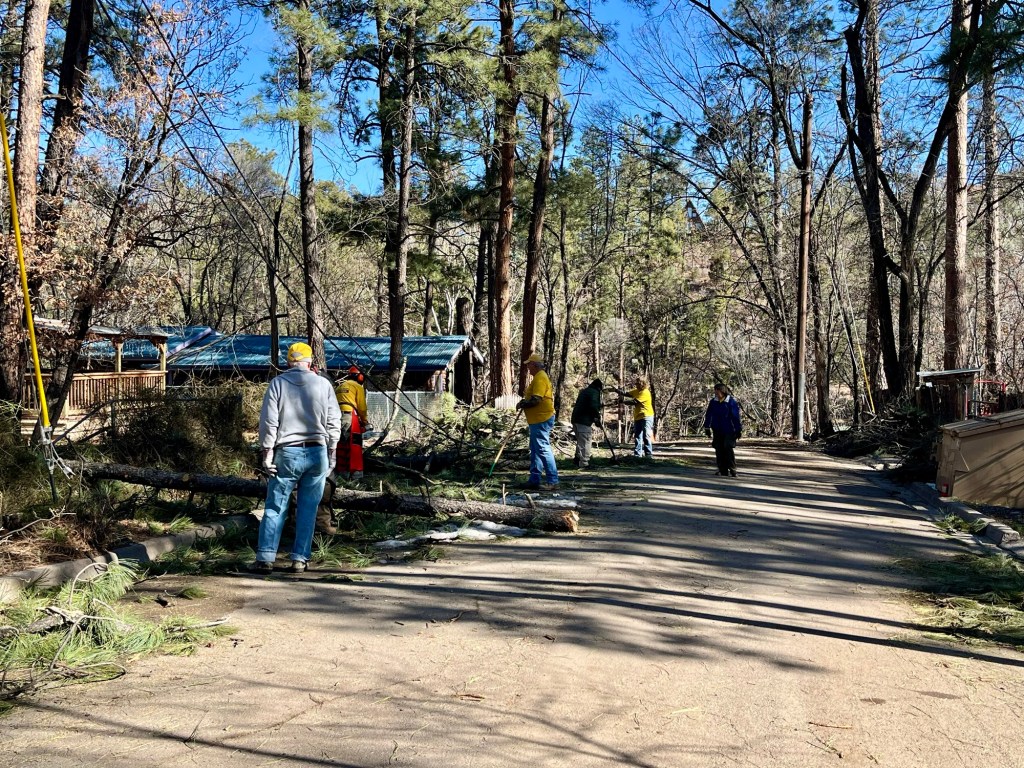
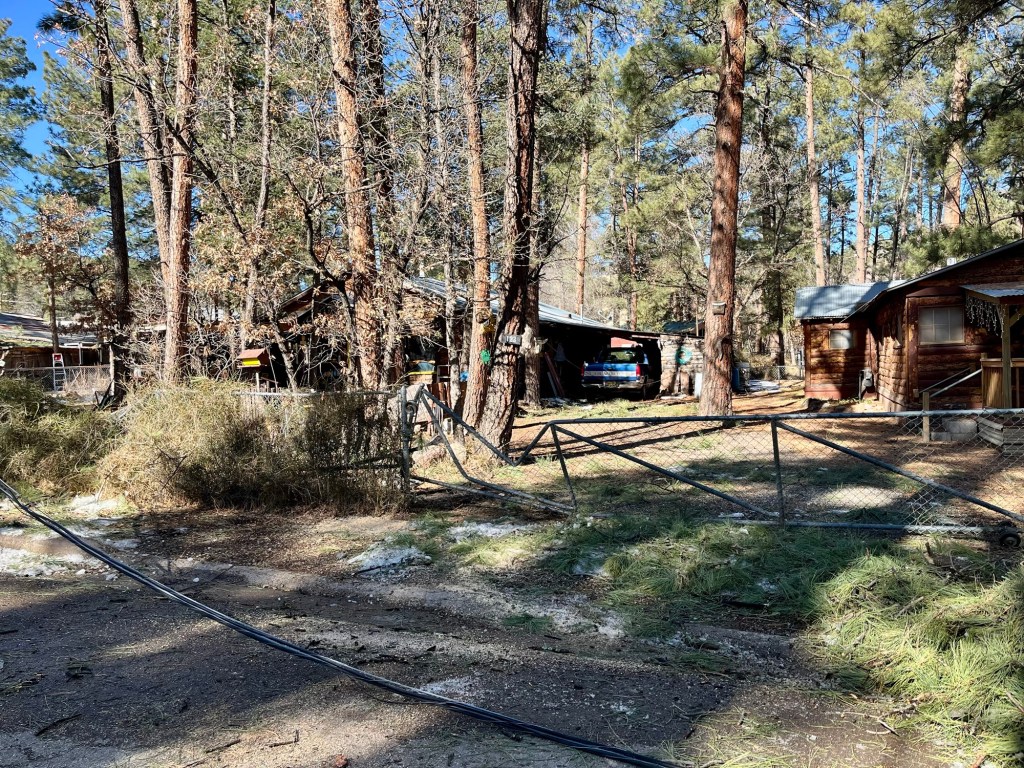
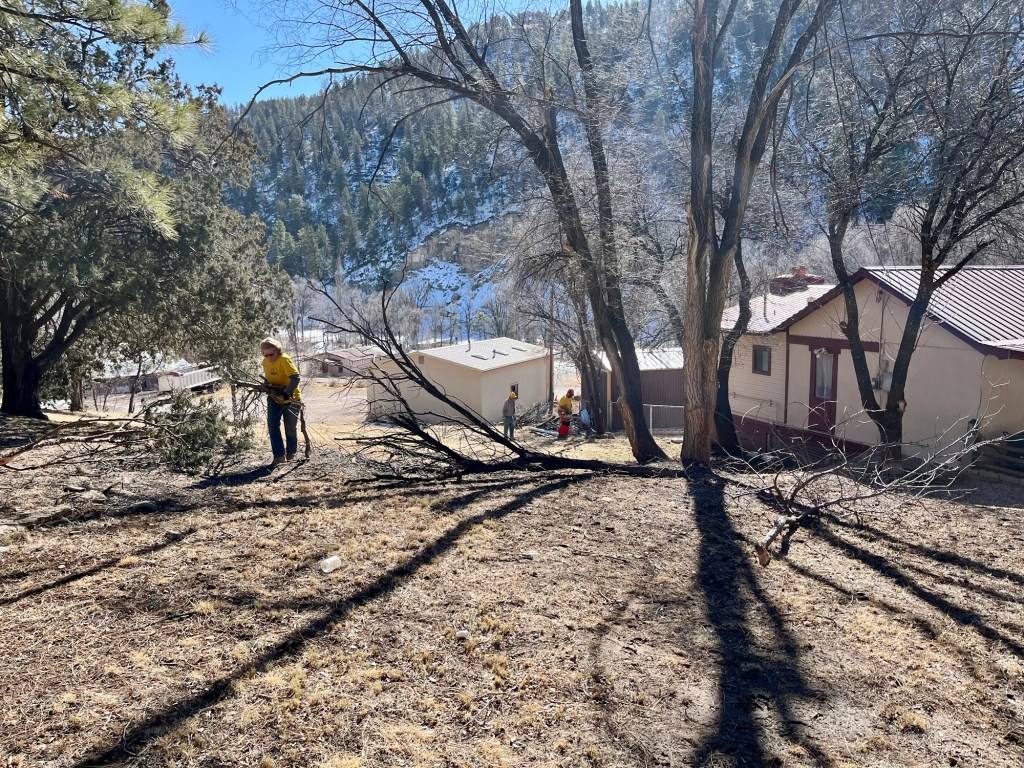
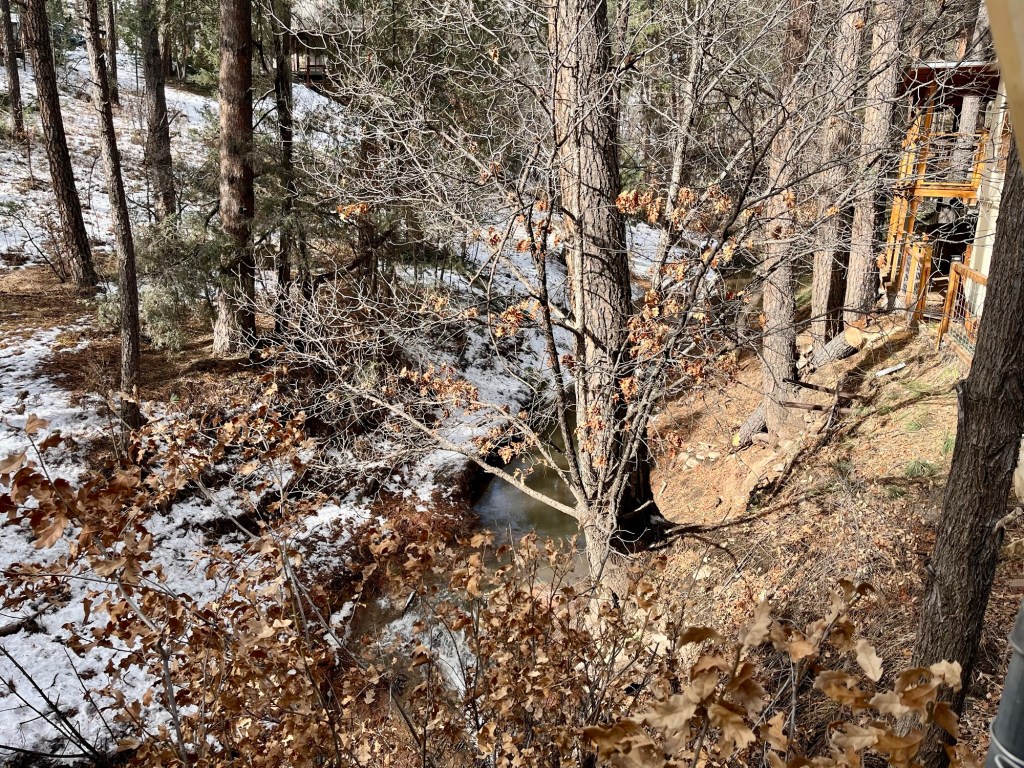
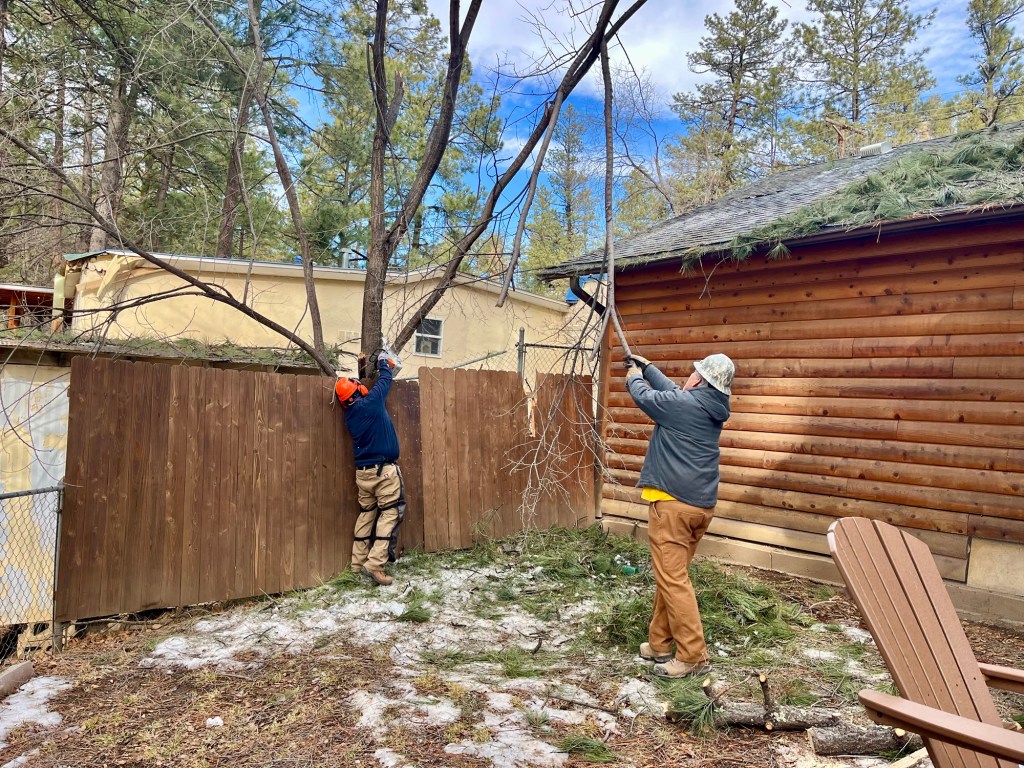
We whacked some trees today…We talked with the city grappler truck guy…We whacked more trees…We took a tree off of an old van…We stacked some firewood…
“Therefore, to him who knows to do good and does not do it, to him it is sin.” James 4:17 NKJV
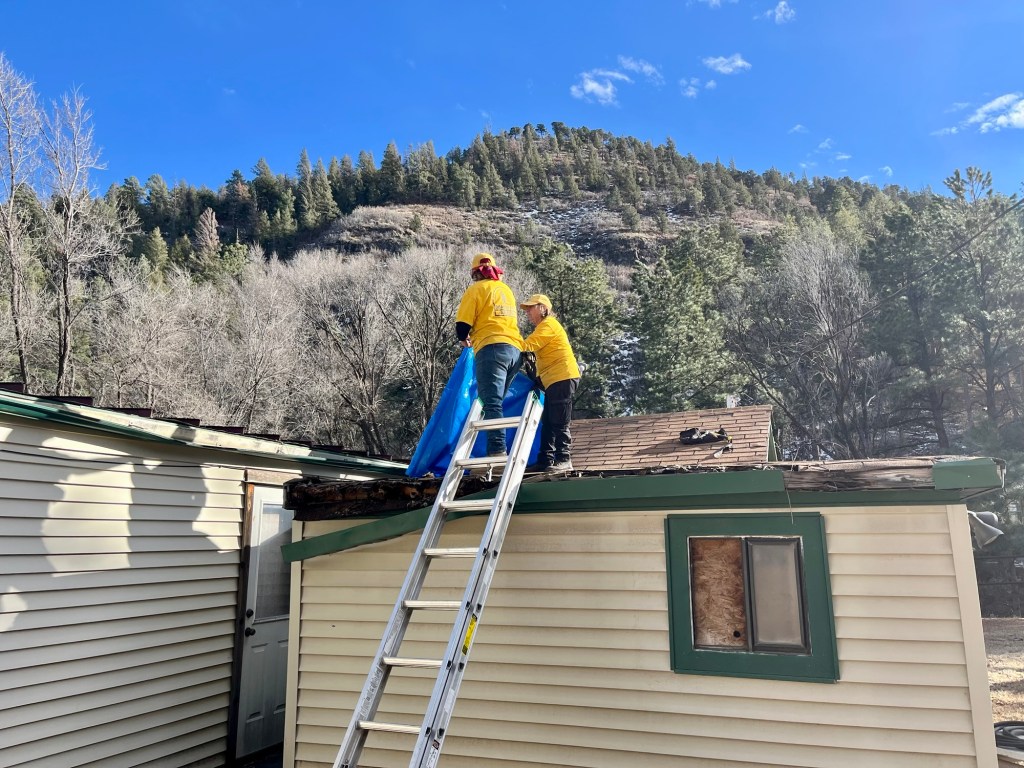
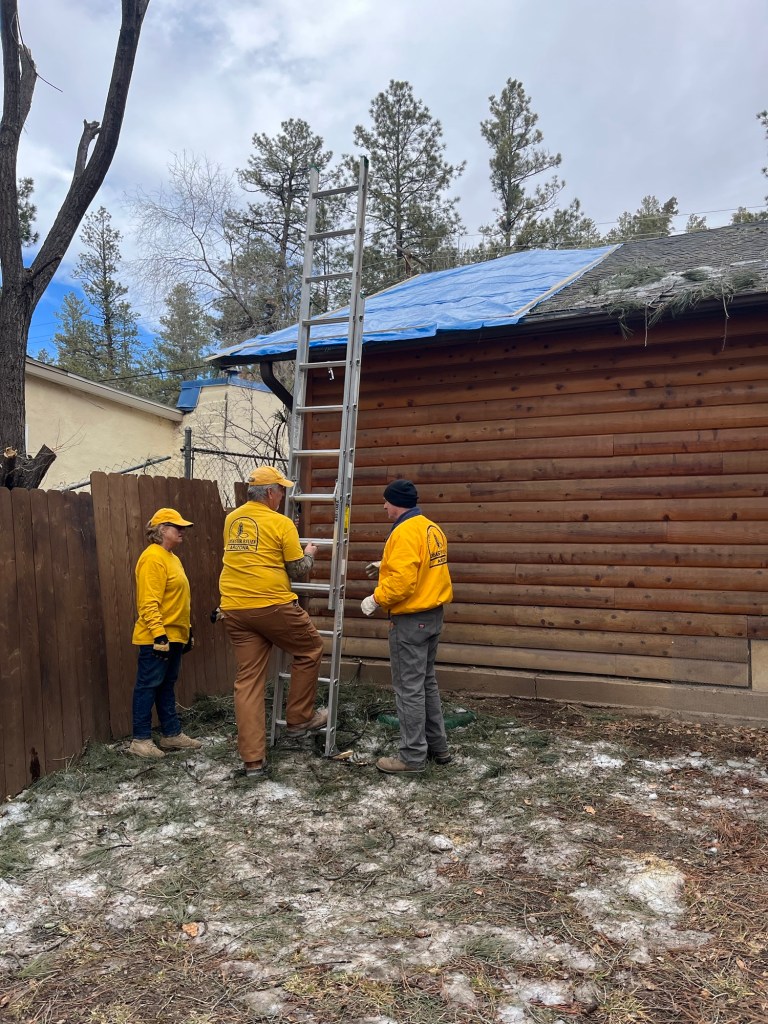
NMDR Karen needs a Go Fund Me, for a pair of shoes. I overheard her husband, Mark say someday he will get a real job and buy her shoes…Another great devotion by Team AZDR, thanks Diana…AZDR Mike is wrangling these branches…AZDR’s Diana and Michelle tarping Miss Kathy’s shed roof…
“And the fruit of righteousness is sown in peace of them that make peace.” James 3:18
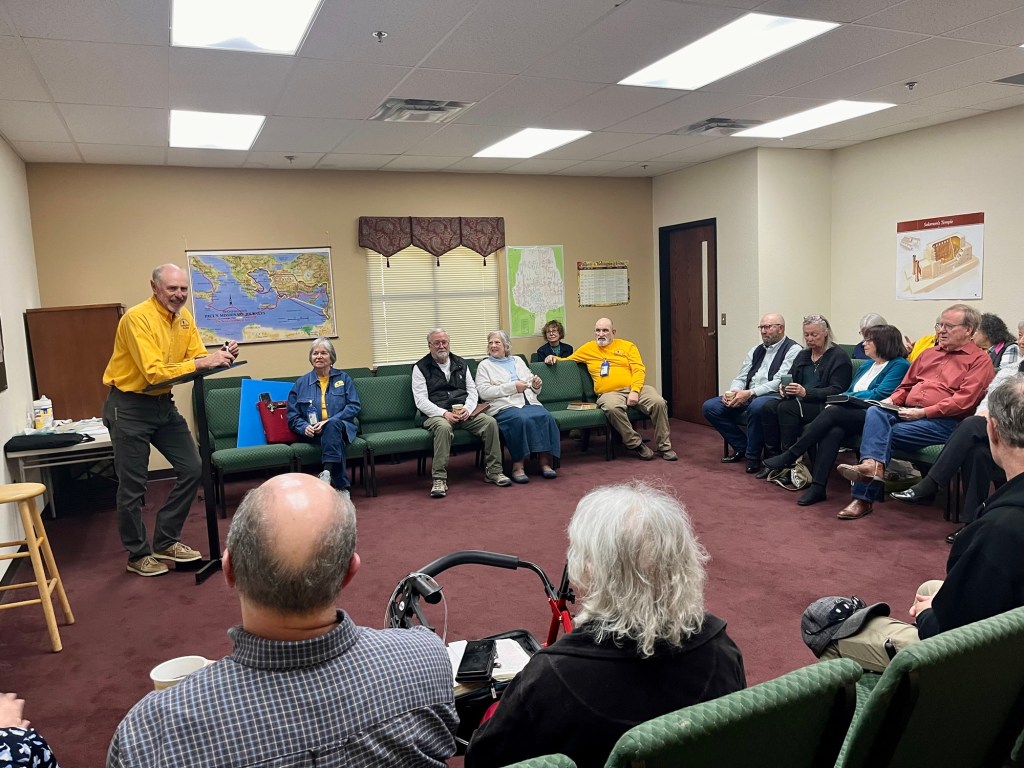
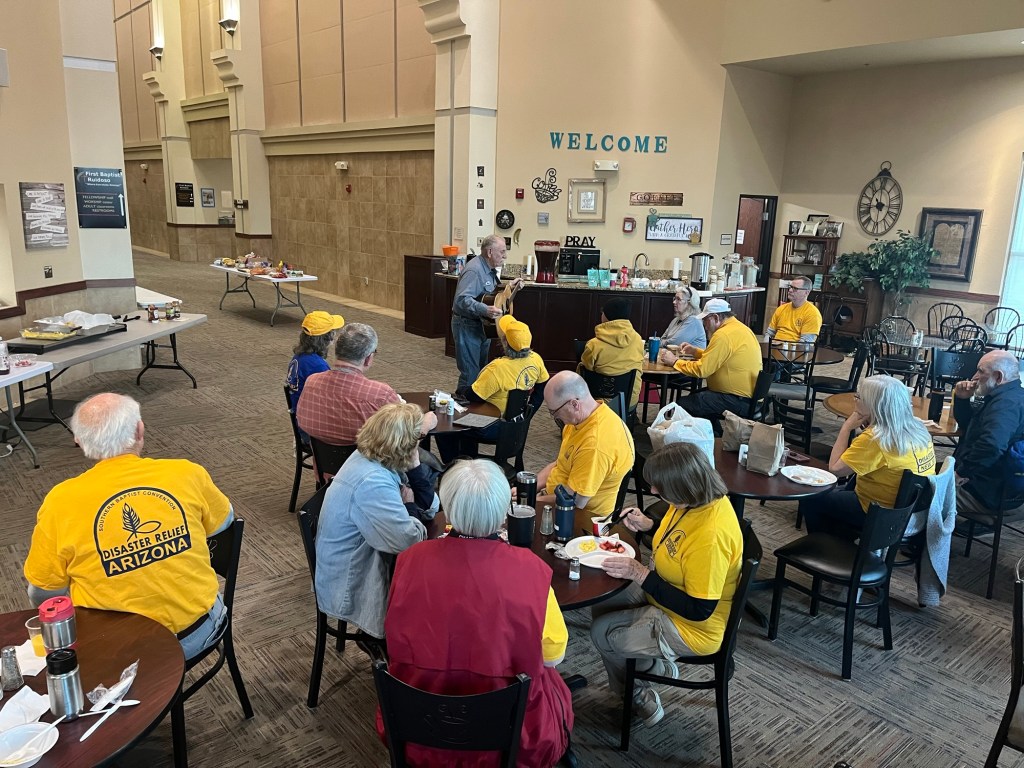
NMDR Clayton doubles as a Bible teacher. Great study this morning, and great worship. Thanks to FBC Ruidoso…
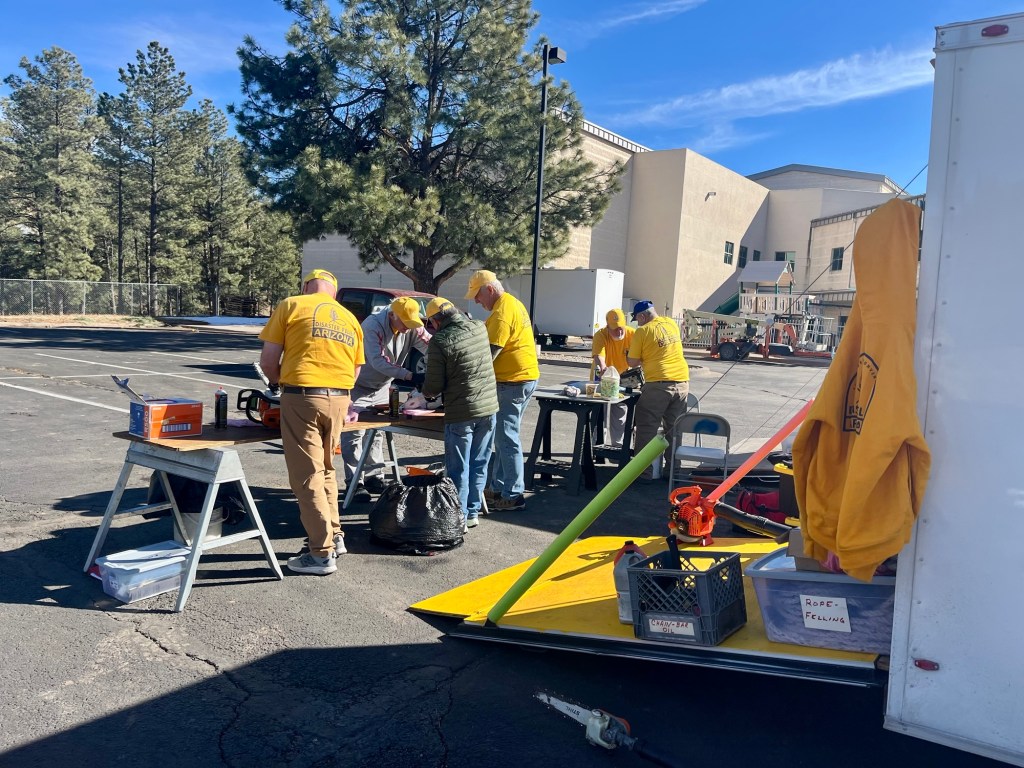
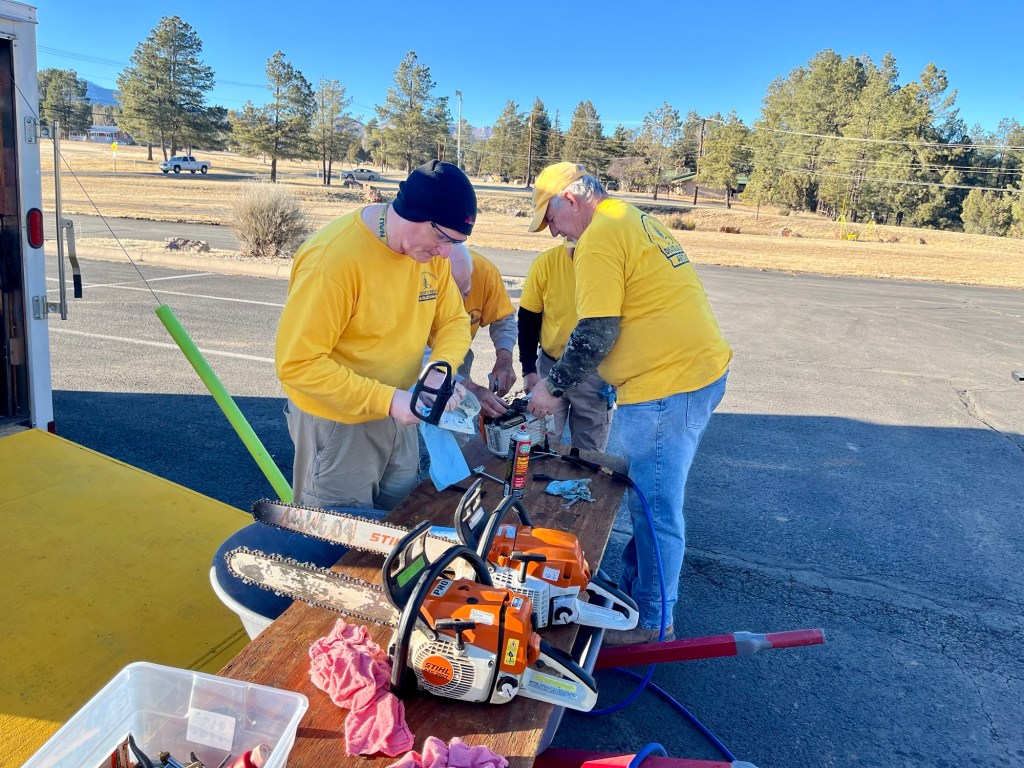
After a nice lunch we were blessed with nice weather to perform much needed maintenance on our equipment…
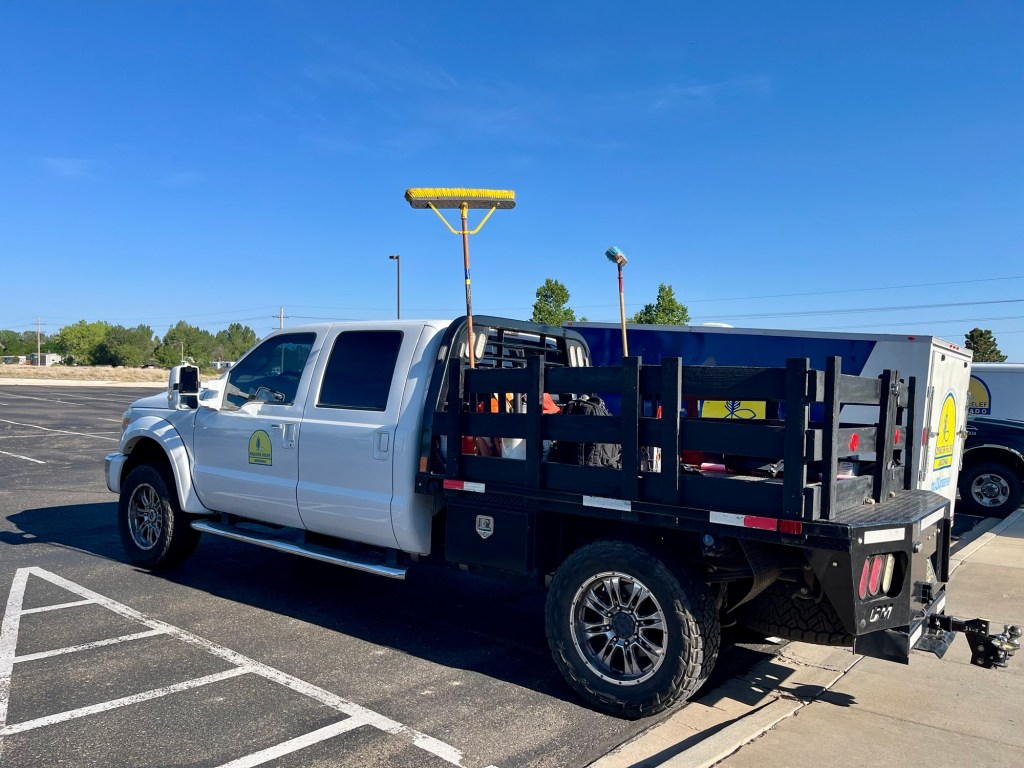
The Flatbed needed organized and now is much more functional…
“So when they had dined, Jesus saith to Simon Peter, Simon, son of Jonas, lovest thou me more than these? He saith unto him, Yea, Lord; thou knowest that I love thee. He saith unto him, Feed my lambs. He saith to him again the second time, Simon, son of Jonas, lovest thou me? He saith unto him, Yea, Lord; thou knowest that I love thee. He saith unto him, Feed my sheep. He saith unto him the third time, Simon, son of Jonas, lovest thou me? Peter was grieved because he said unto him the third time, Lovest thou me? And he said unto him, Lord, thou knowest all things; thou knowest that I love thee. Jesus saith unto him, Feed my sheep.” John 21:15-17 KJV
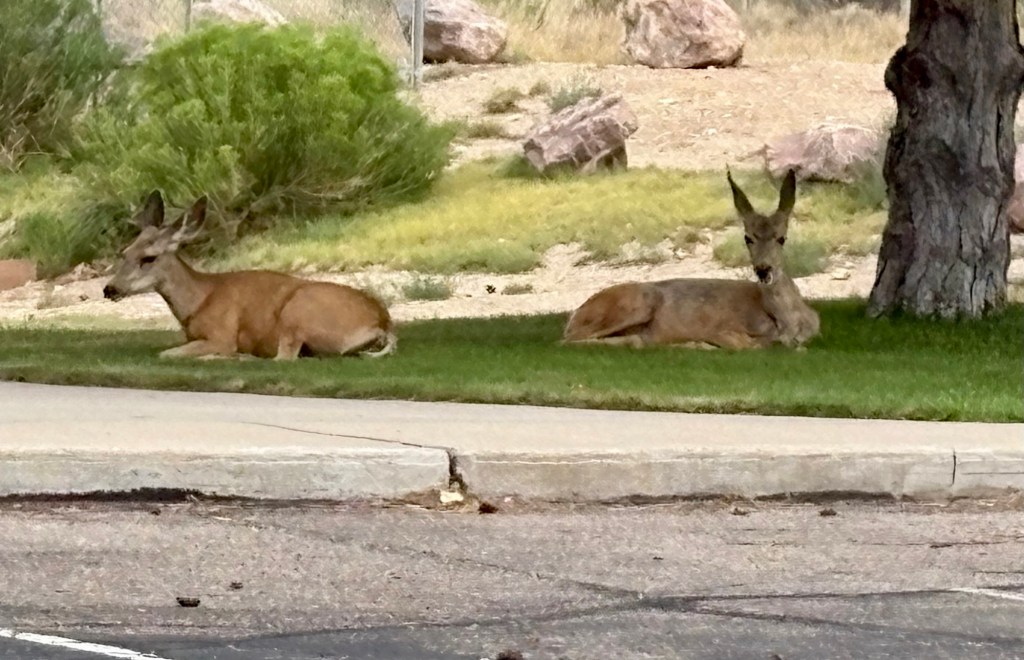
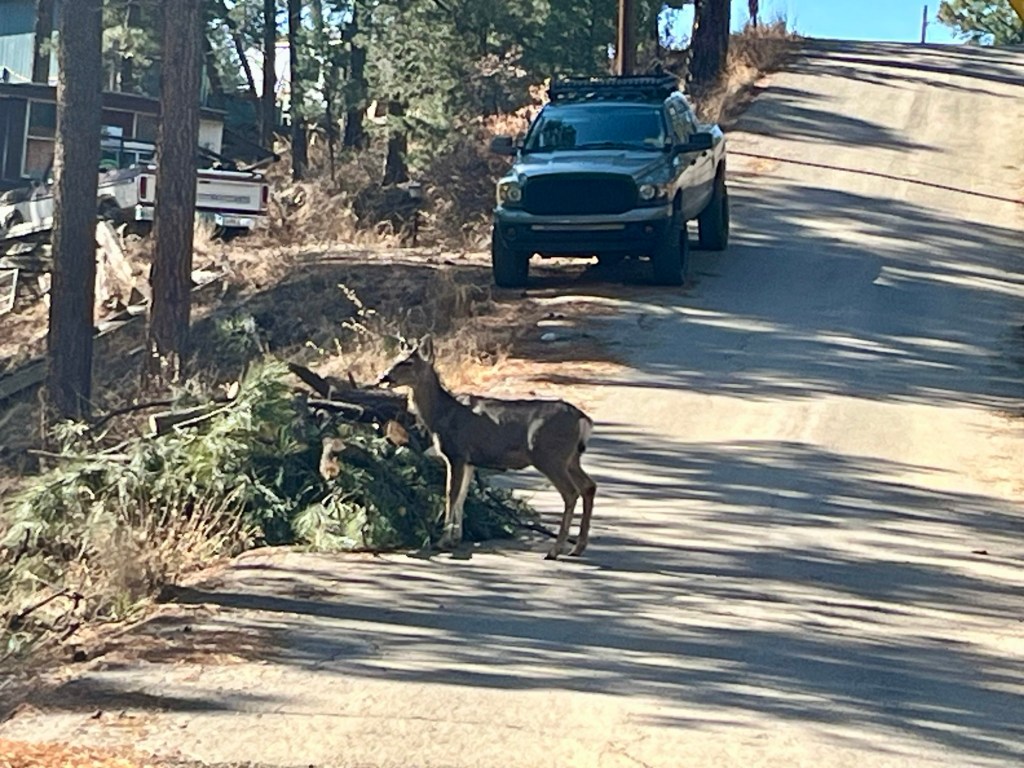
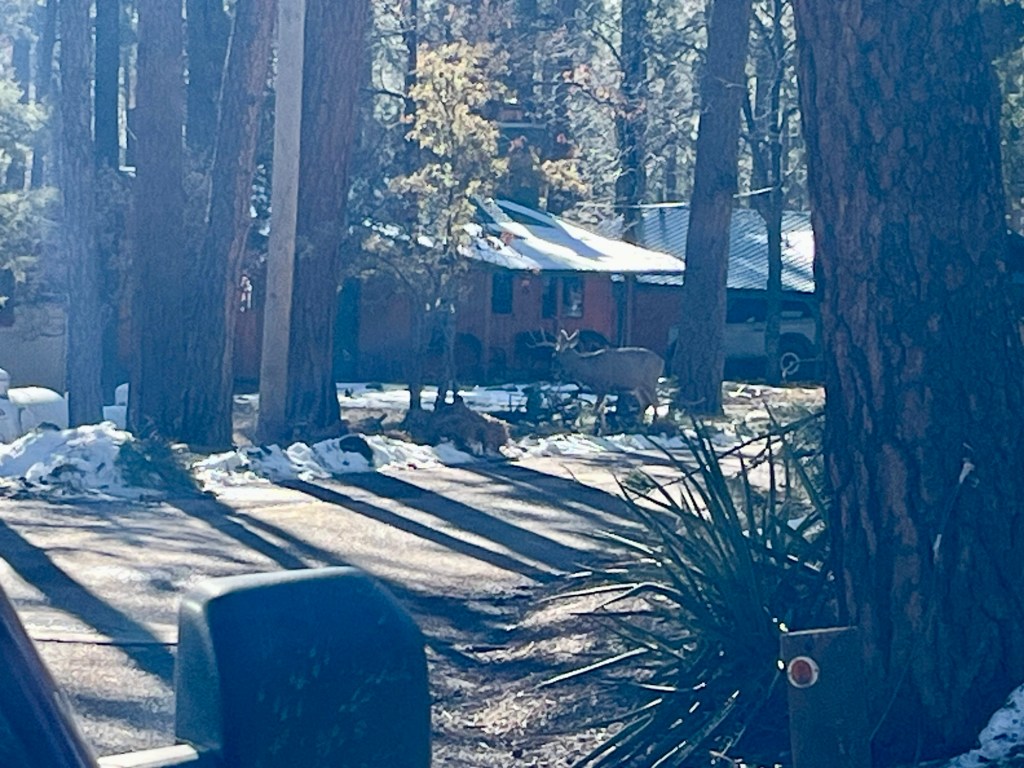
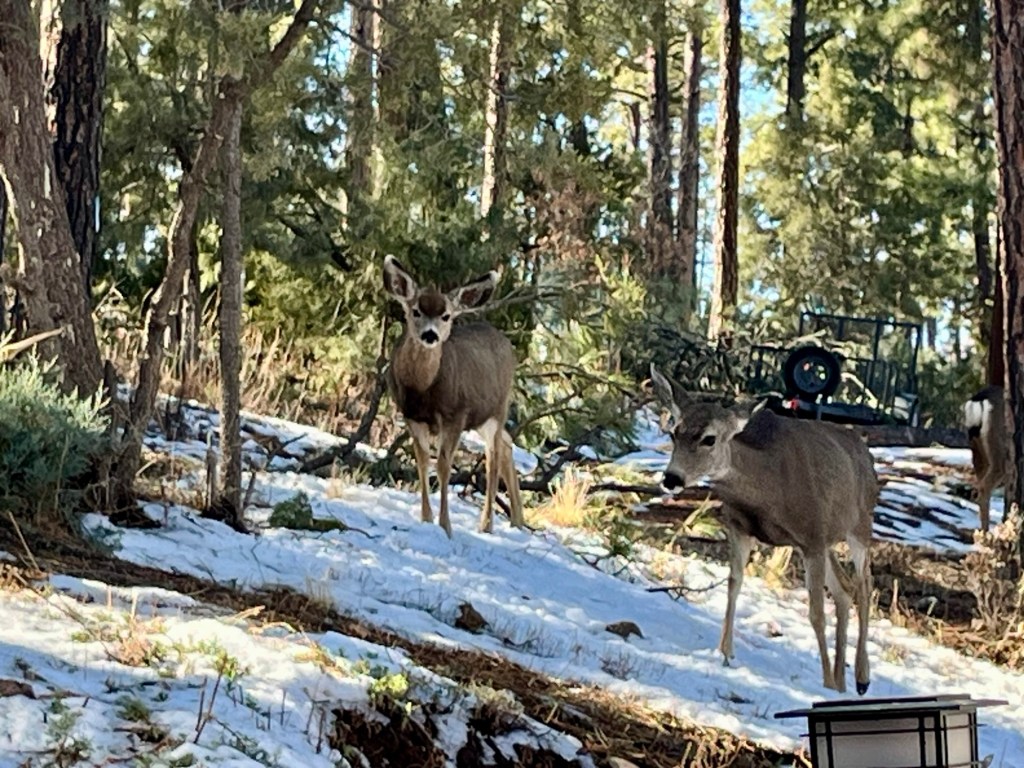
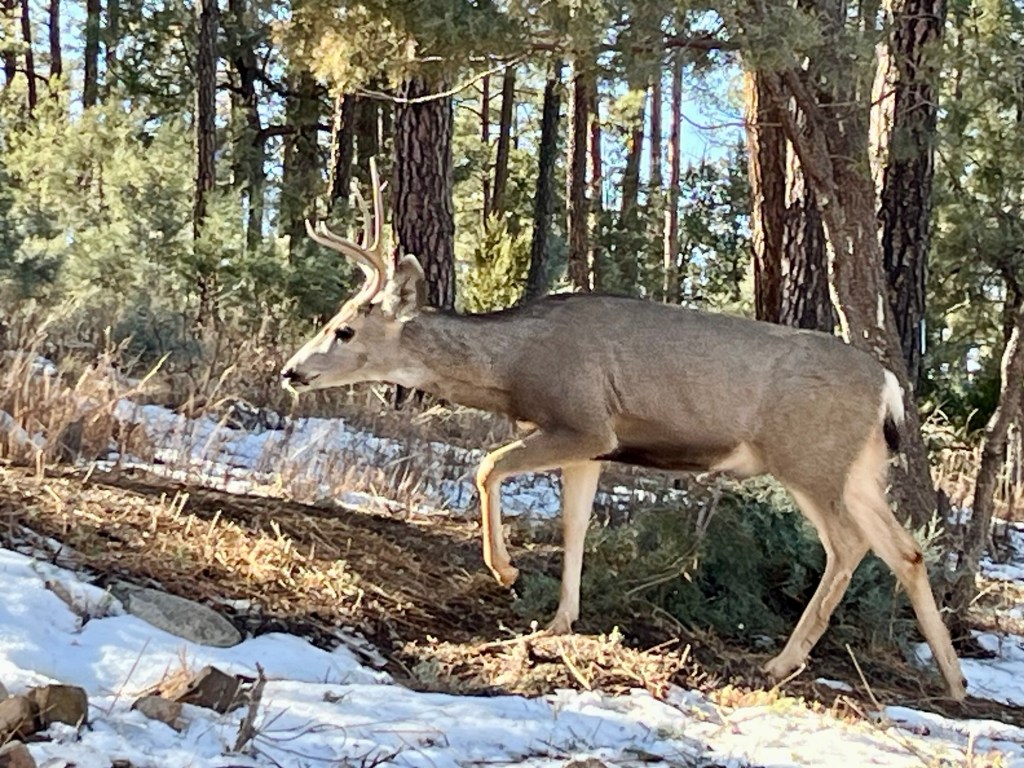
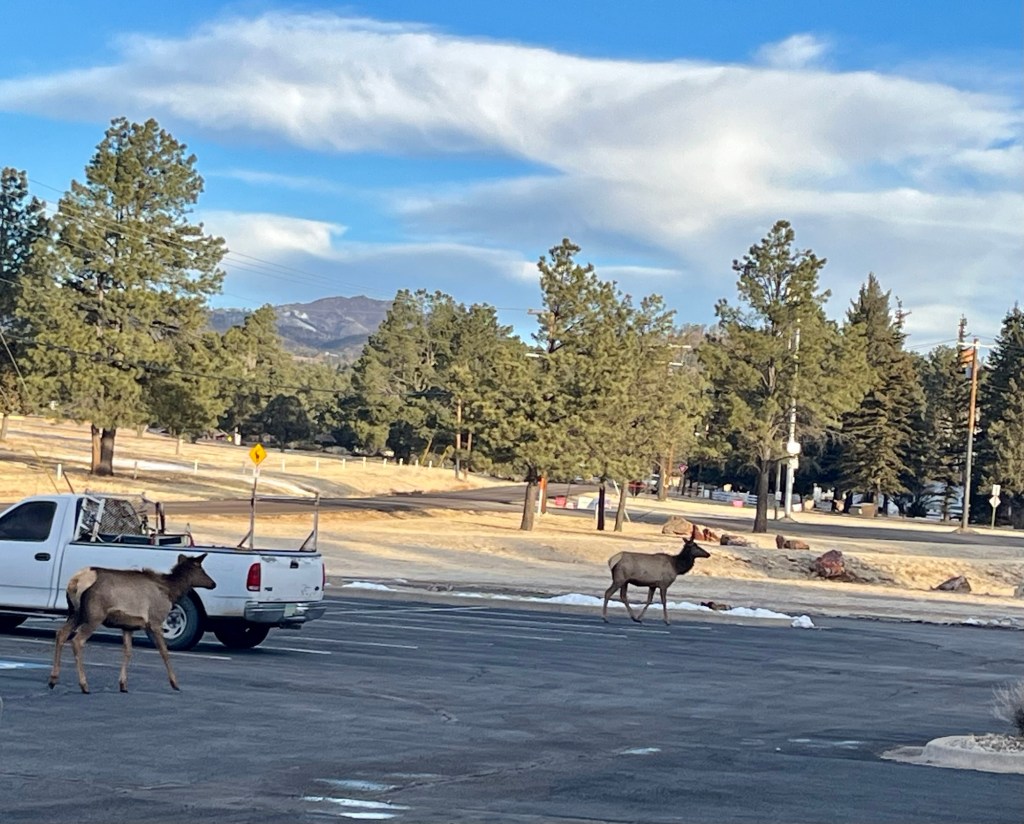
We spent most of the morning working with all of the NMDR teams on this property. Very steep terrain…This is very steep, the photo doesn’t really show it…AZDR Diana catches some air. Tough going at just over 7,000 foot elevation…Our brush piles are easy meals for the many mule deer that live full time in Ruidoso…
“For You formed my inward parts; You covered me in my mother’s womb. I will praise You, for I am fearfully and wonderfully made; Marvelous are Your works, And that my soul knows very well. My frame was not hidden from You, When I was made in secret, And skillfully wrought in the lowest parts of the earth. Your eyes saw my substance, being yet unformed. And in Your book they all were written, The days fashioned for me, When as yet there were none of them.” Psalms 139:13-16 NKJV
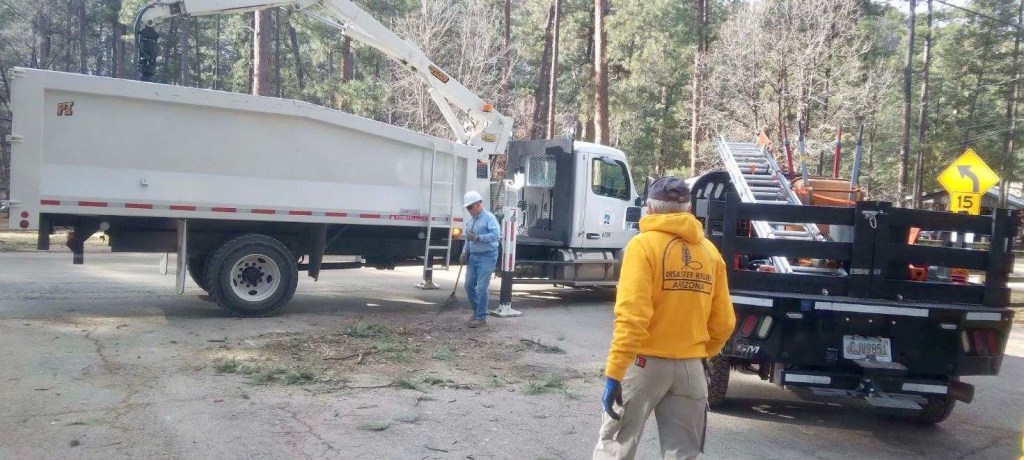
The city shut this busy road down so Team AZDR could drop a large limb hanging over the road. Good job AZDR Scott Here is Scott. Before donning his lumberjack gear, he gave us a great devotion…Our best day so far for weather…
“He has shown you, O man, what is good; And what does the Lord require of you But to do justly, To love mercy, And to walk humbly with your God?” Micah 6:8 NKJV
AZDR Michelle blessing us with our morning devotion
“Be anxious for nothing, but in everything by prayer and supplication, with thanksgiving, let your requests be made known to God; and the peace of God, which surpasses all understanding, will guard your hearts and minds through Christ Jesus.” Philippians 4:6-7 NKJV
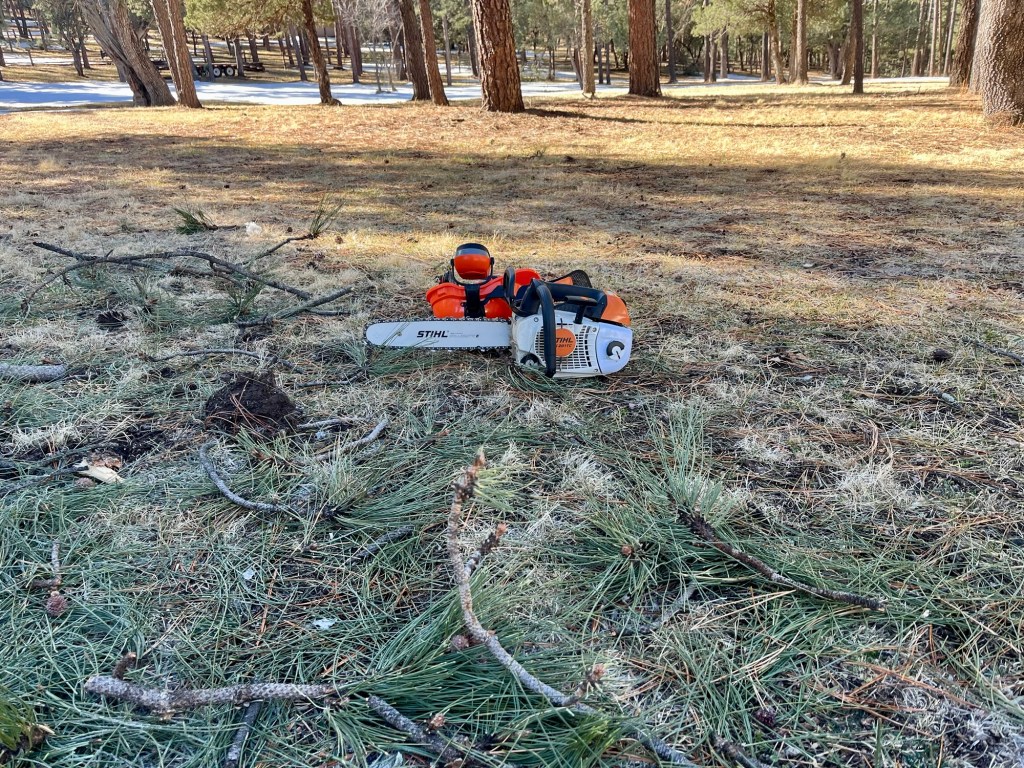
Tools of the trade…Our team made these debris piles…3 acres was a lot to cover, so we put our trucks to work…DR Brad tells me that every one in Yuma claims he just stands around, as you can see, not true…Our Chaplain, Michelle is a hard worker and a great Chaplain…Our newest AZDR worker, David from Sierra Vista. He is 85 years young and keeps up with us all…Homeowner Clark, a former NMDR member, was a real pleasure to help him out…Brad executed this tree felling to a tee. He used a protractor, slide rule and a compass…Brad at work-who knew???The jobs not done and the day is not over until the saws are cleaned and freshened up…
Always a good day when NMDR Wayne leads us in song and devotion
“For by grace you have been saved through faith, and that not of yourselves; it is the gift of God, not of works, lest anyone should boast. For we are His workmanship, created in Christ Jesus for good works, which God prepared beforehand that we should walk in them.” Ephesians 2:8-10 NKJV
Who knew…DR Diana and DR Michelle are getting their steps in by walking trees and brush to the curb…The chainsaw work just keeps coming…DR Mike from Tucson hauling brush to stay warm…Roof work Mike about to whack some trees…Our team with home owners David and Sonia…
Our first job was cold work Homeowner Robert is a great guy. It was our pleasure to help him with his broken trees…Made the work that much harder Our second job, homeowner was 95 years old. Staying in Texas…Our third job, lots of walking with sticks…These guys walked right past our last job site…
“Yea, though I walk through the valley of the shadow of death, I will fear no evil; For You are with me; Your rod and Your staff, they comfort me.” Psalms 23:4
“But sanctify the Lord God in your hearts, and always be ready to give a defense to everyone who asks you a reason for the hope that is in you, with meekness and fear;” I Peter 3:15 NKJV
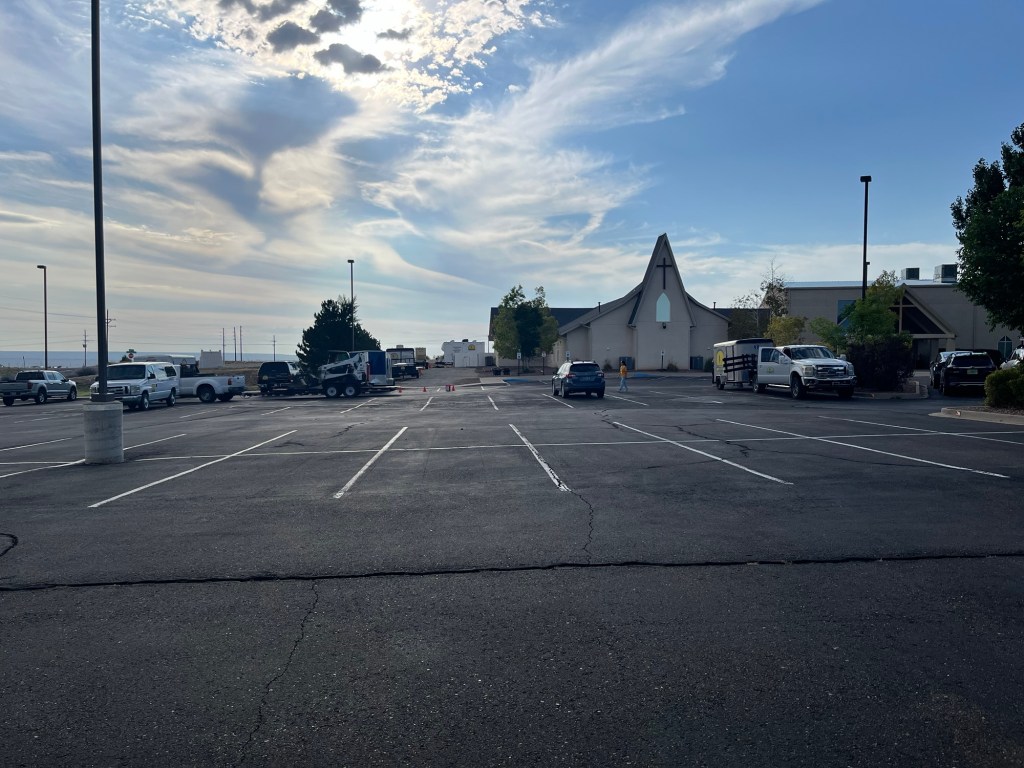
FBC Ruidoso parking lot…
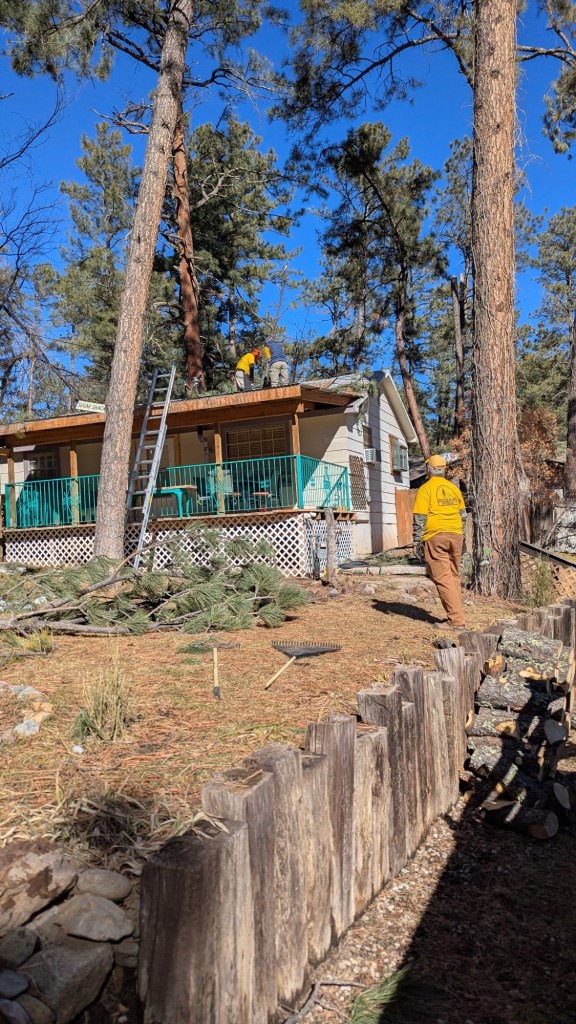
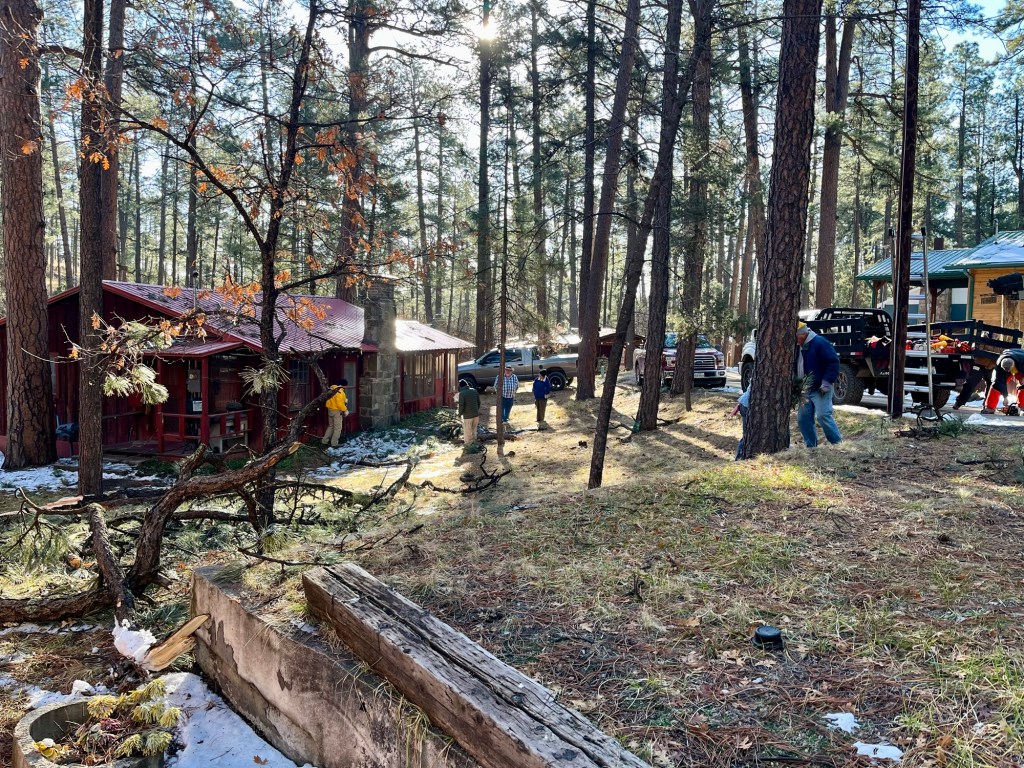
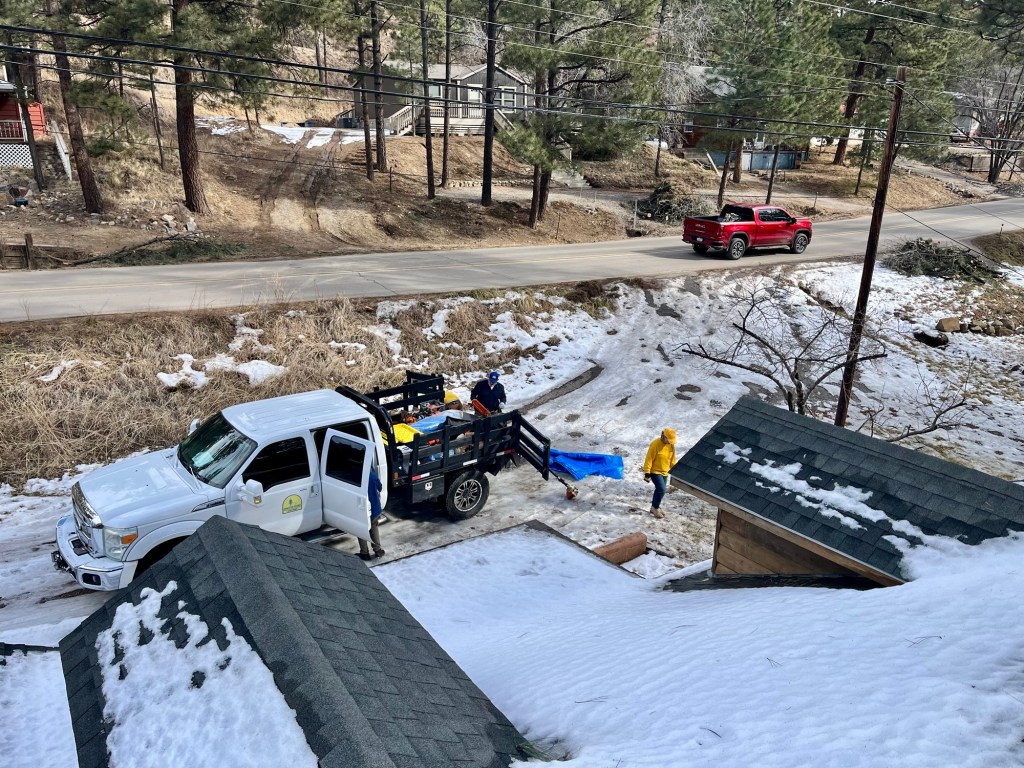
Morning prayers…Morning devotions…The back yard of our first home…The view from the roof top…Trees cut, temporary roof repair and we pack up and move to the next job…
“He will turn the hearts of the fathers to the children and the hearts of the children to their fathers; otherwise I will come and strike the land with complete destruction.” [Look, I will send to you Eliyahu the prophet before the coming of the great and terrible Day of Adonai.]” Mal’akhi (Mal) 3:24 CJB
“God stands in the shadows, keeping watch over His own.”
Esther’s Hebrew name was Hadassah, which means “star.”
PROVIDENCE, is the way God leads the man who will not be led…
God is behind the scenes, keeping watch over His own…
What a sad commentary on our present day that most Christians only know God from a distance. Most never learn to walk with the Lord, to be in close fellowship, to obey God’s word…
“He knows and loves and cares,
Nothing this truth can dim:
He gives the very best to those
Who leave the choice to Him.”
This Book is worth reading and studying over and over again…
“For if you remain completely silent at this time, relief and deliverance will arise for the Jews from another place, but you and your father’s house will perish. Yet who knows whether you have come to the kingdom for such a time as this?” Esther 4:14 NKJV
“For such a time as this,” look forward to serving God today as He provides you/us with divine appointments…
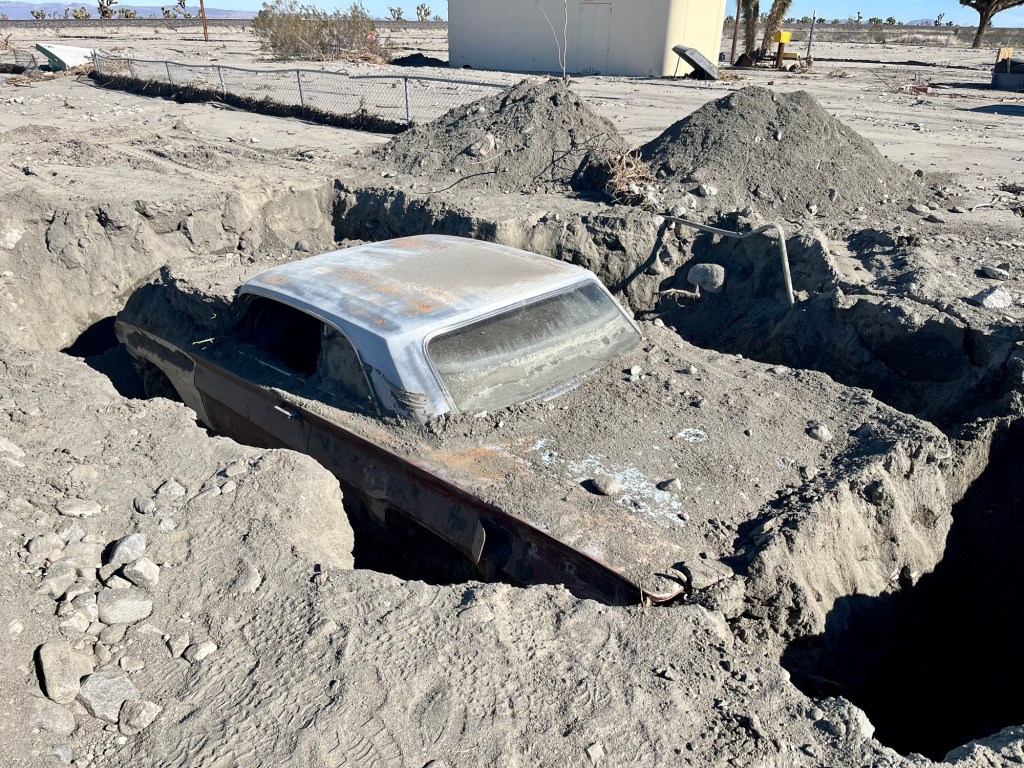
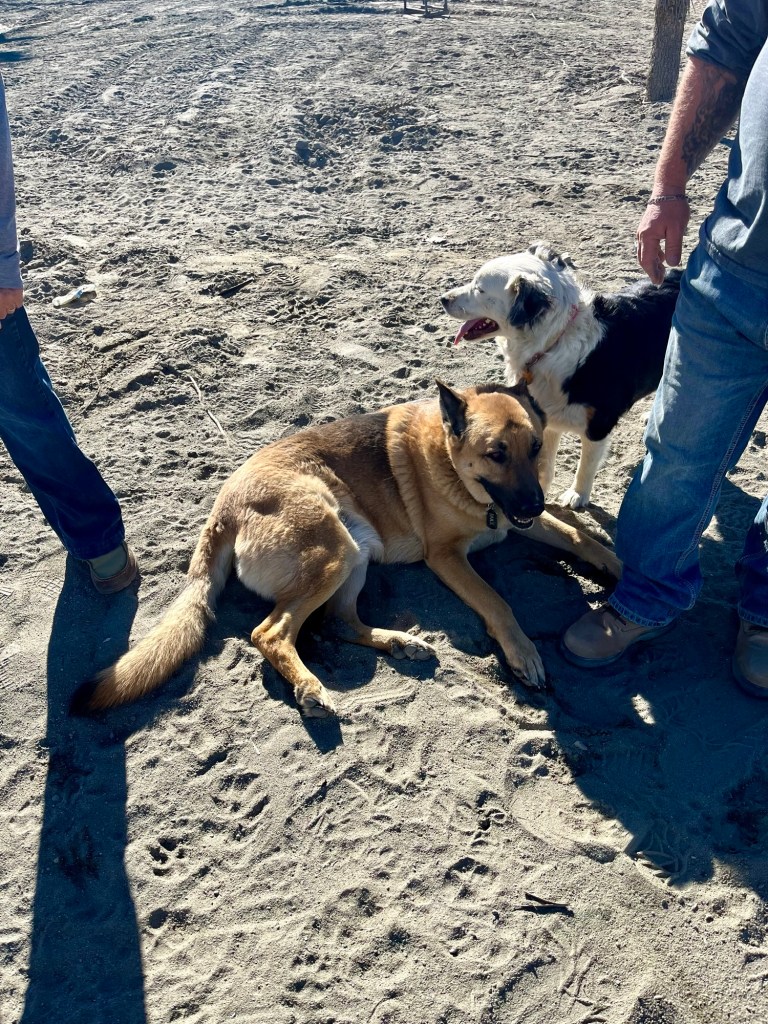
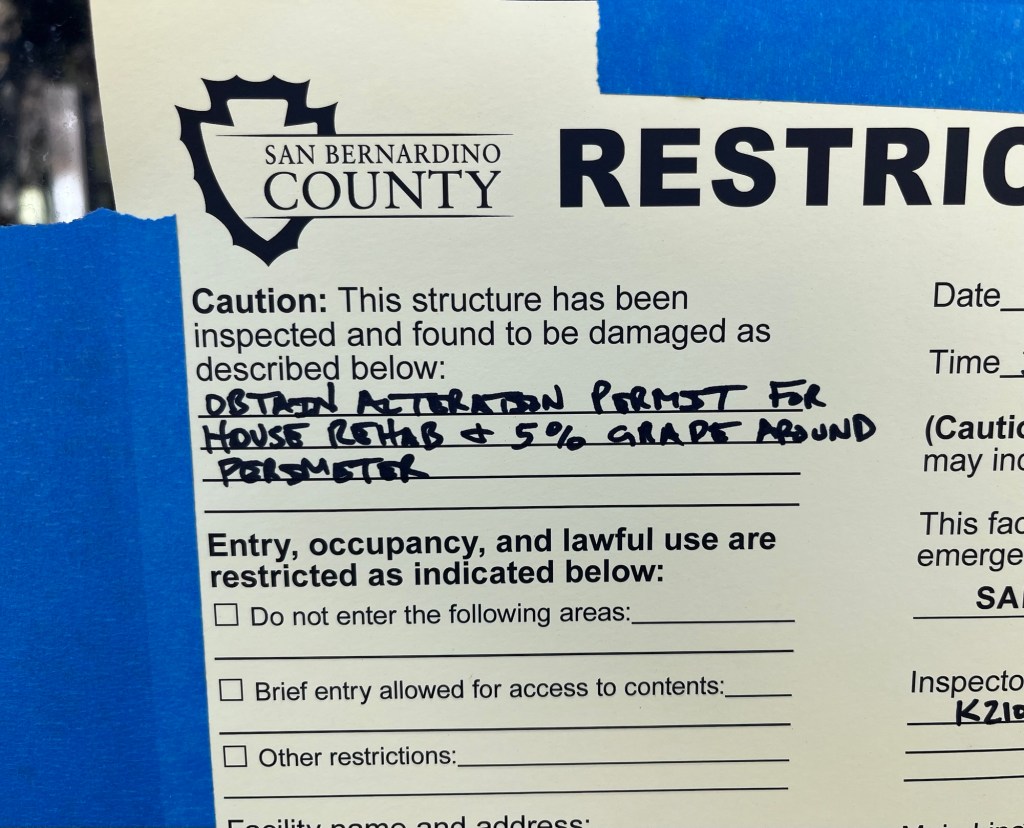
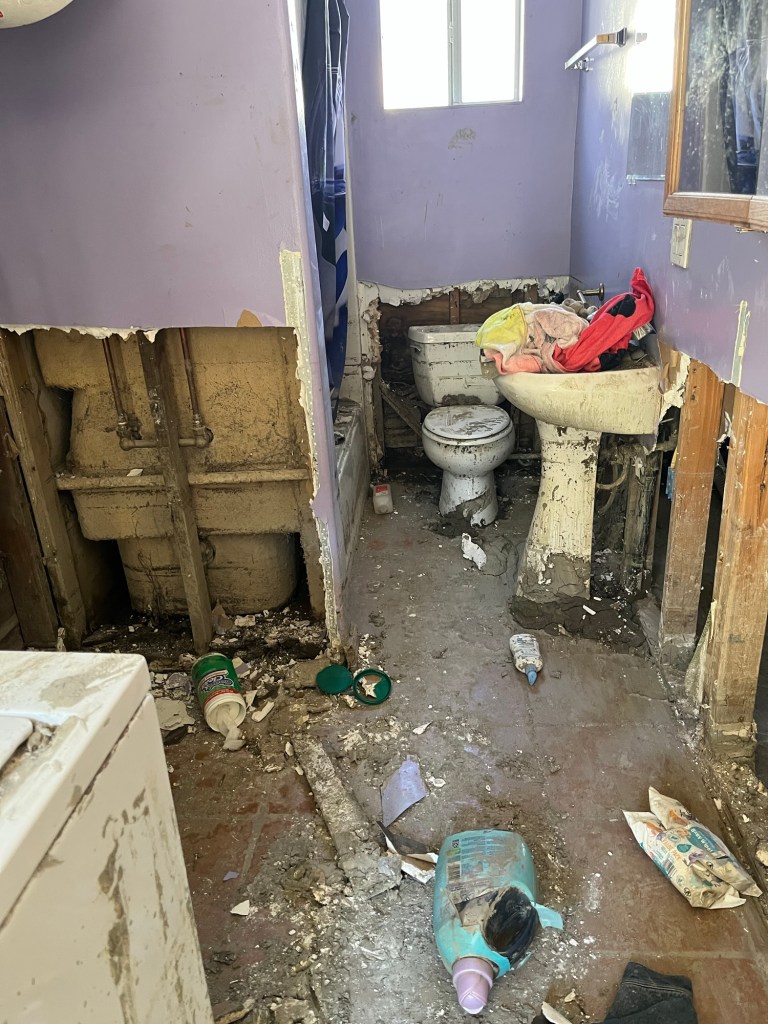
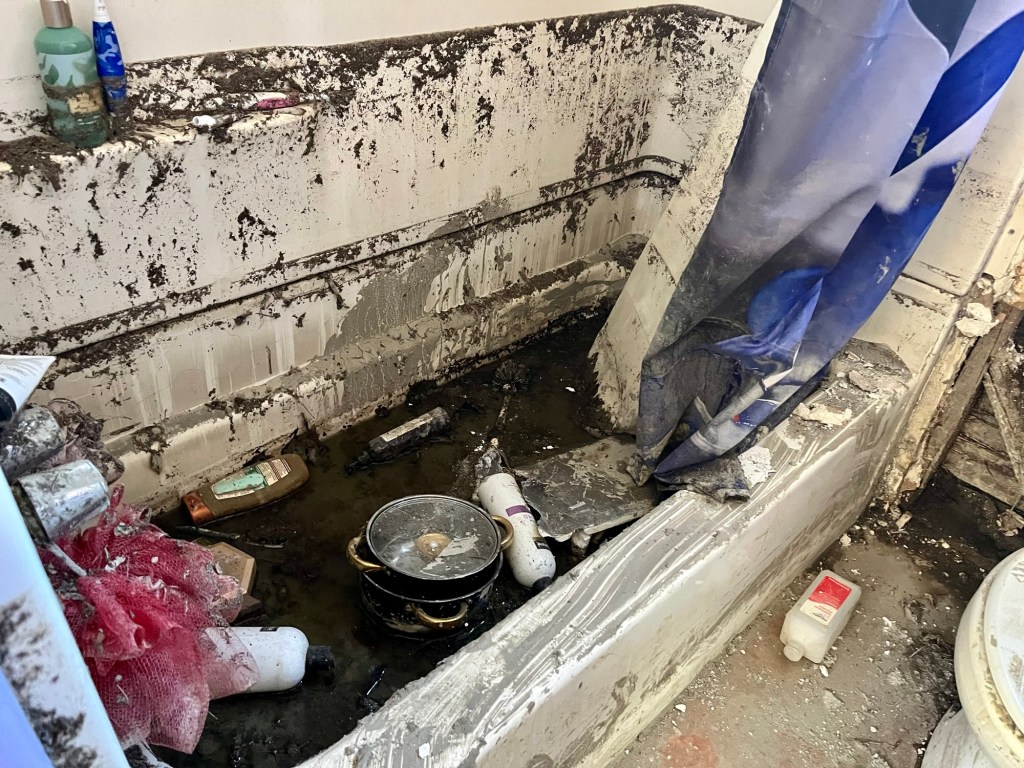
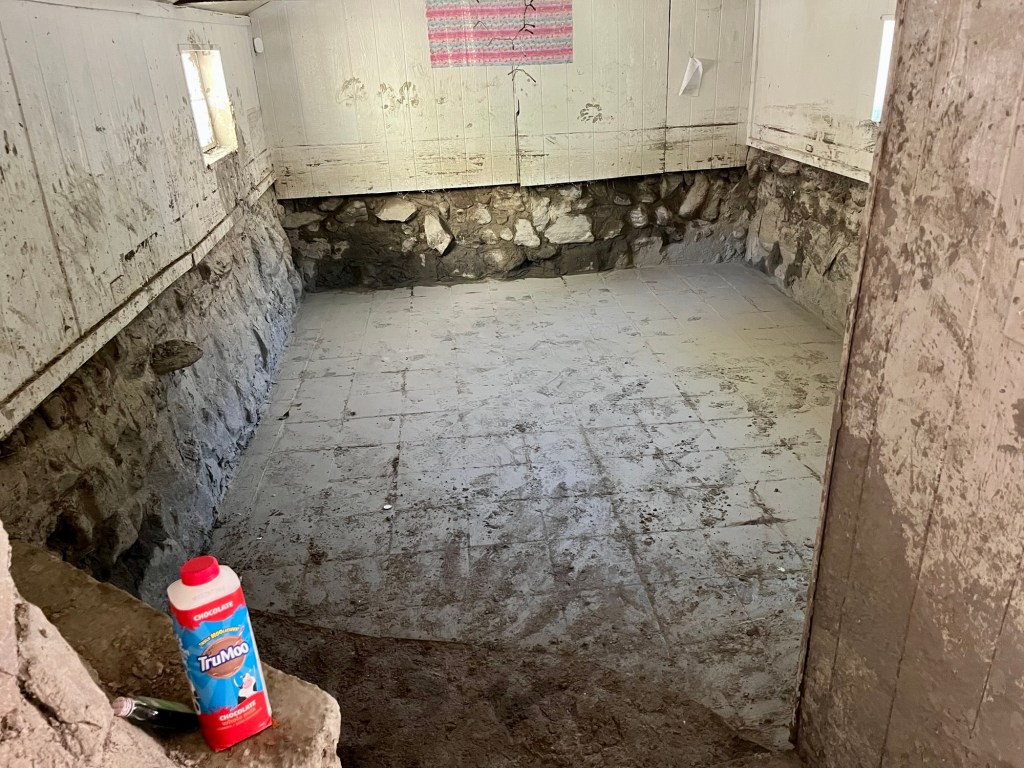
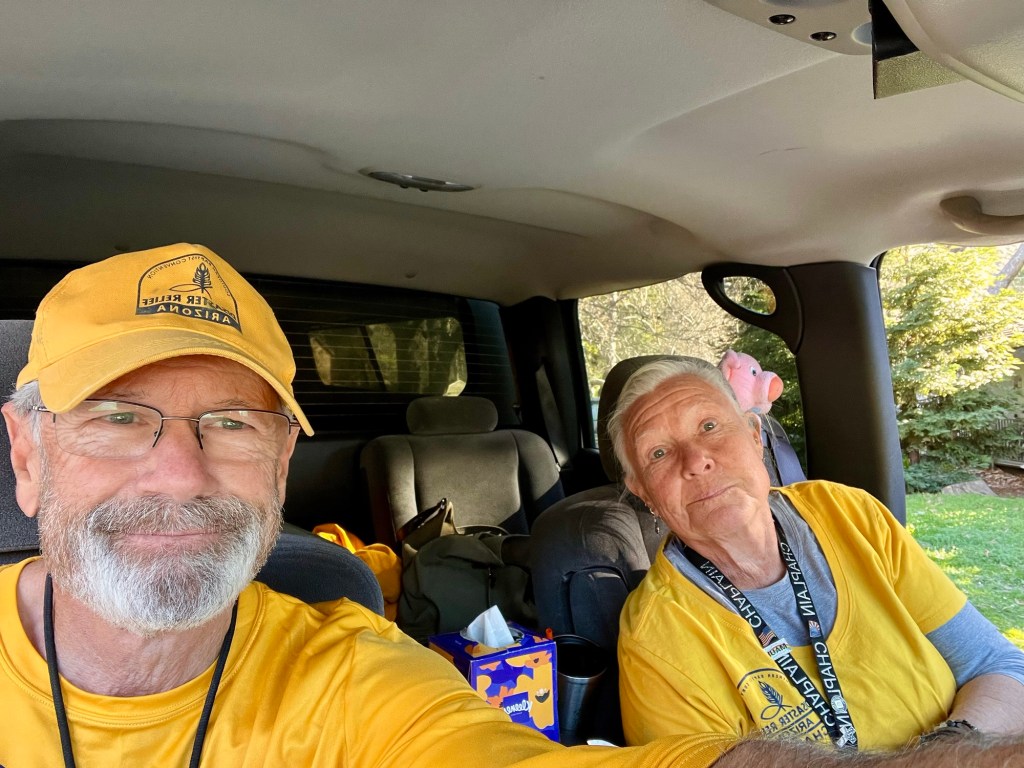
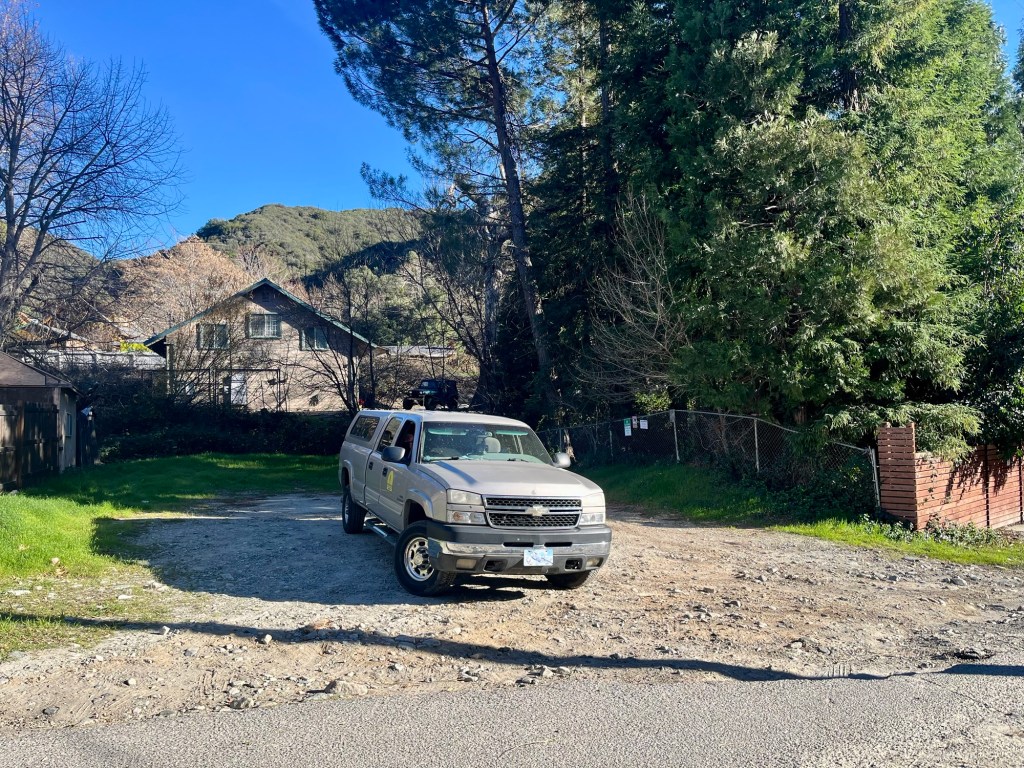
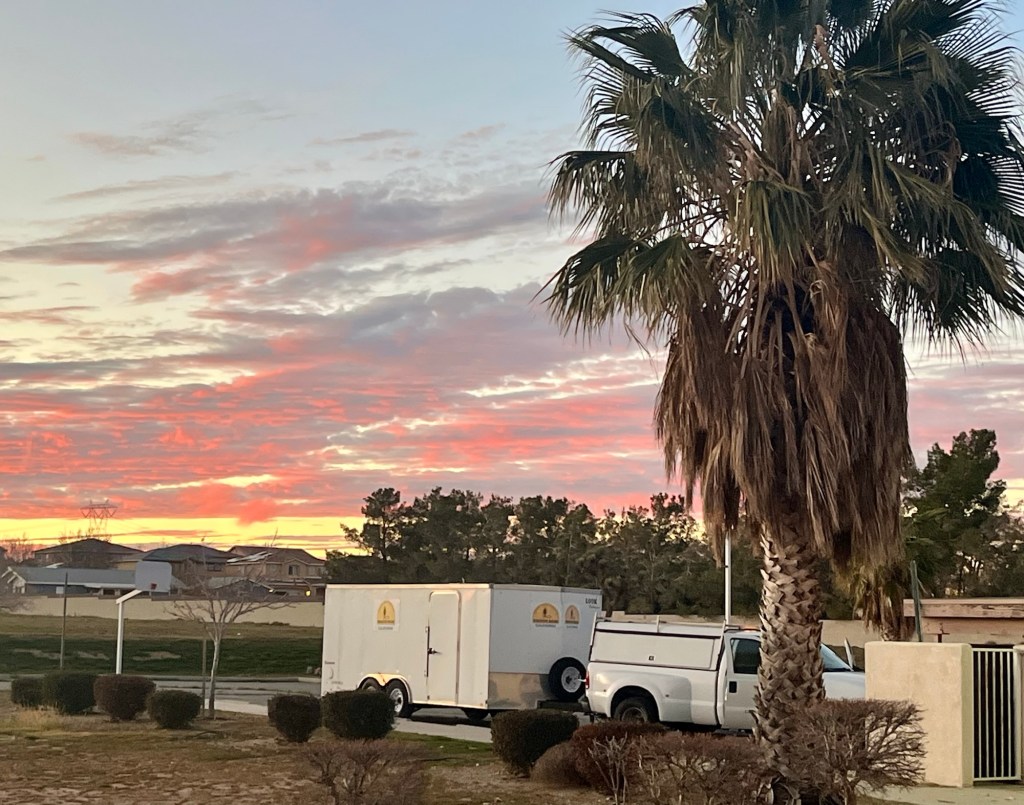
We are a magnet for dirt roads, no matter what state we are in…This car, a 1961 Buick, along with a truck next door was buried under from the flood. The owner has been trying to dig it out…This is Nash and Bella. Dogs love us…Who knew???Big brother. Not sure what this means…This is the job that the California DR team will start tomorrow…Mud in the tub…A home in Lytle Creek California…Lunch at 1500 in our favorite dining place…Thanks to the Living Hope Church in Hesperia California for hosting us…
“A song of ascents. By David: Oh, how good, how pleasant it is for brothers to live together in harmony.” Tehillim (Psa) 133:1 CJB
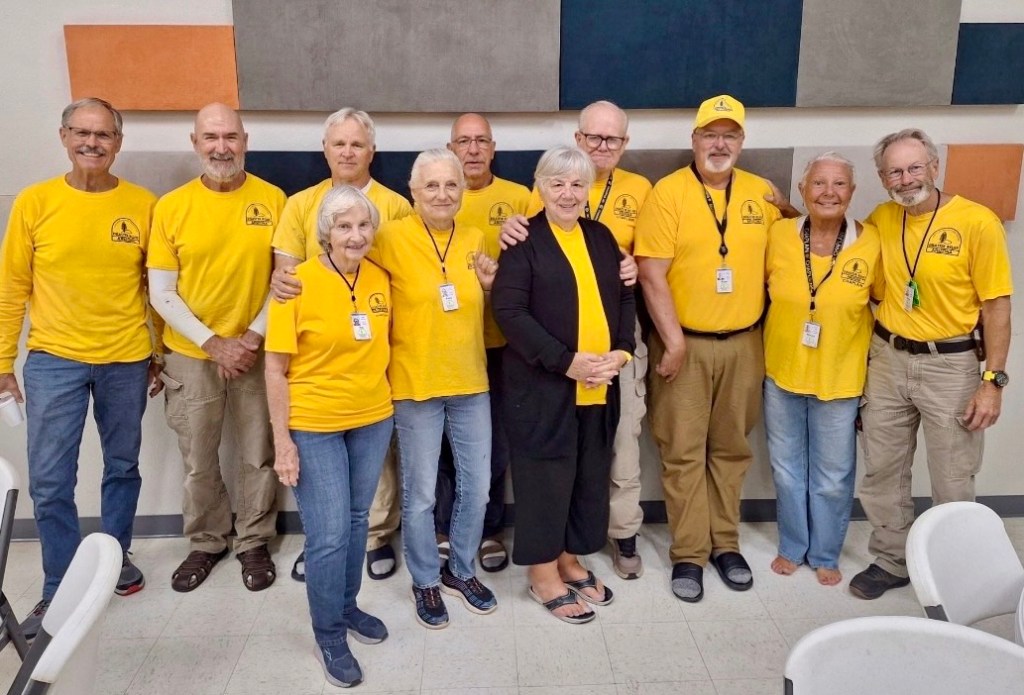
It is such a blessing to serve the Lord and work with our brothers and sisters from AZDR and California Disaster Relief…