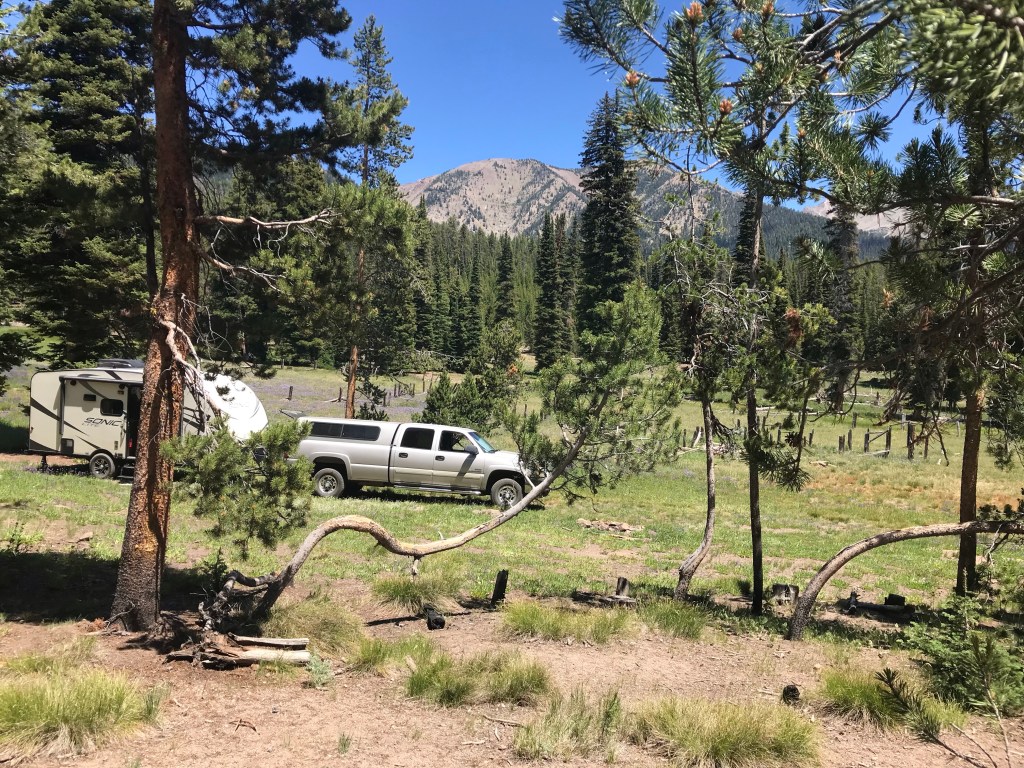

















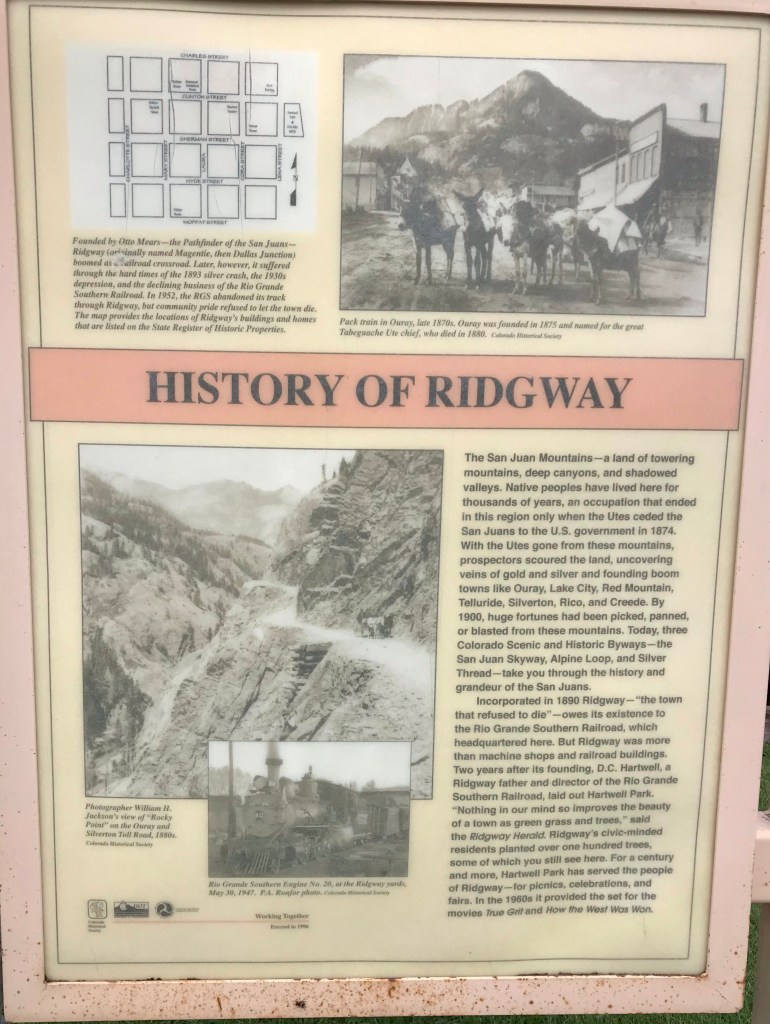

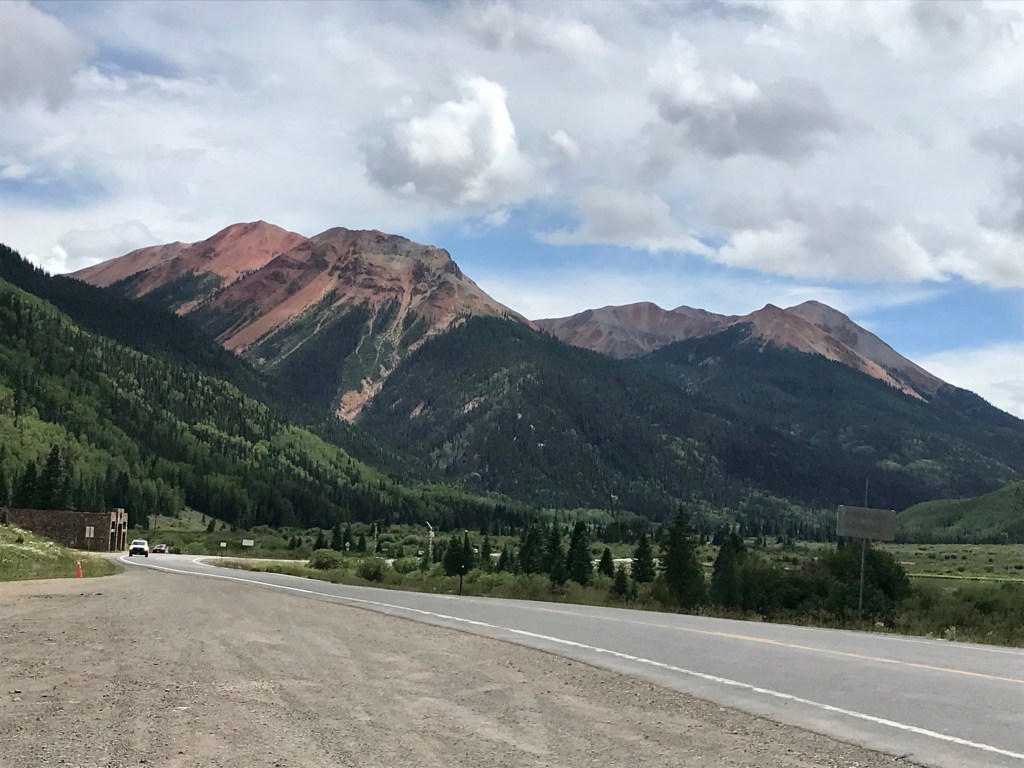







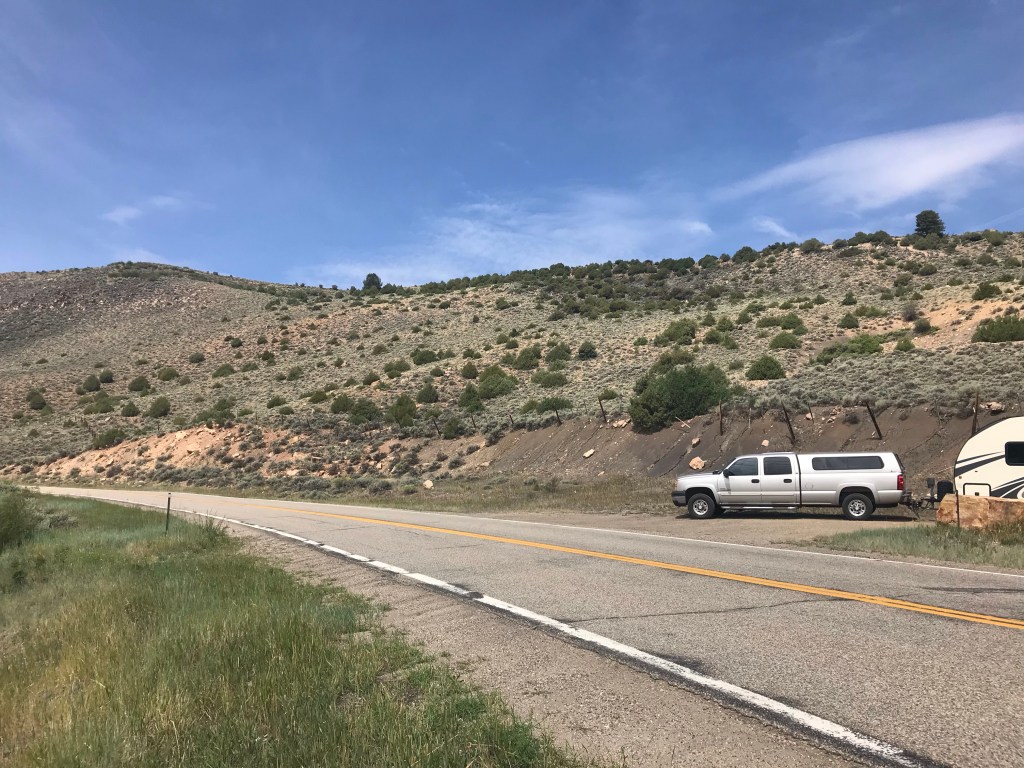






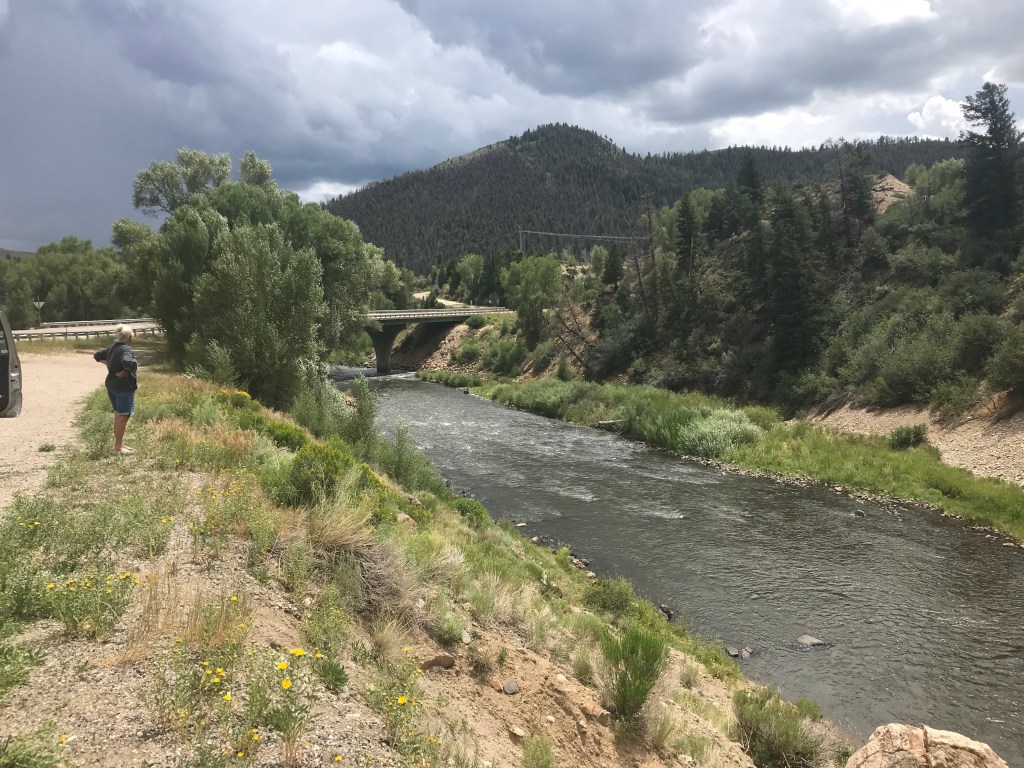

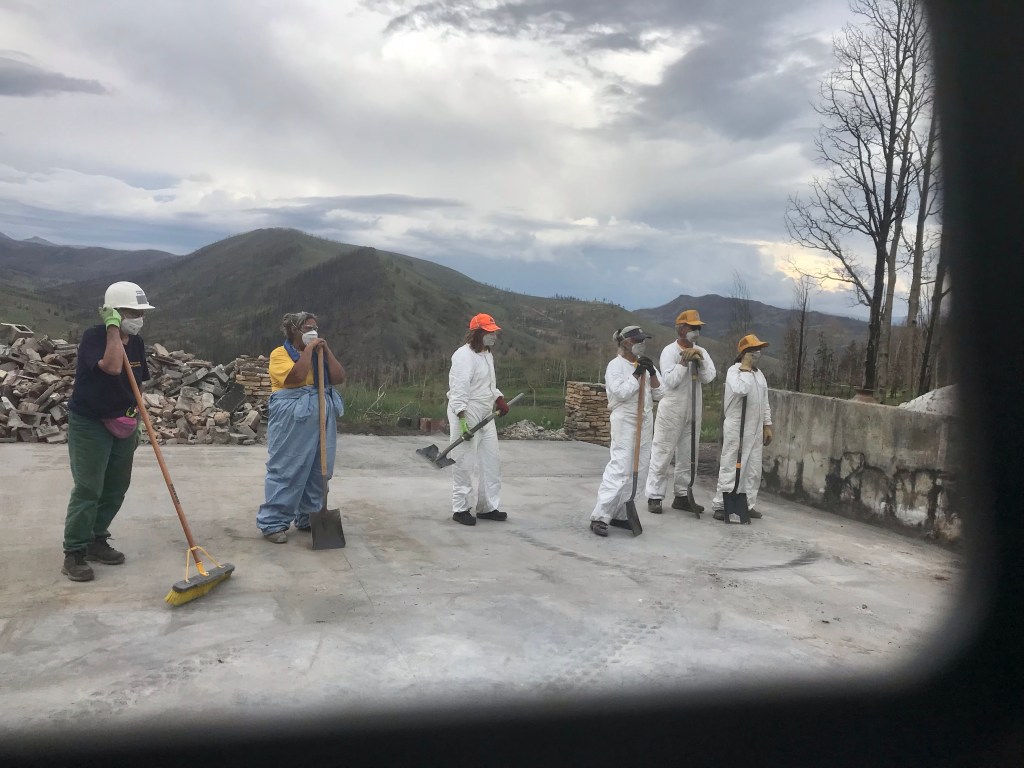
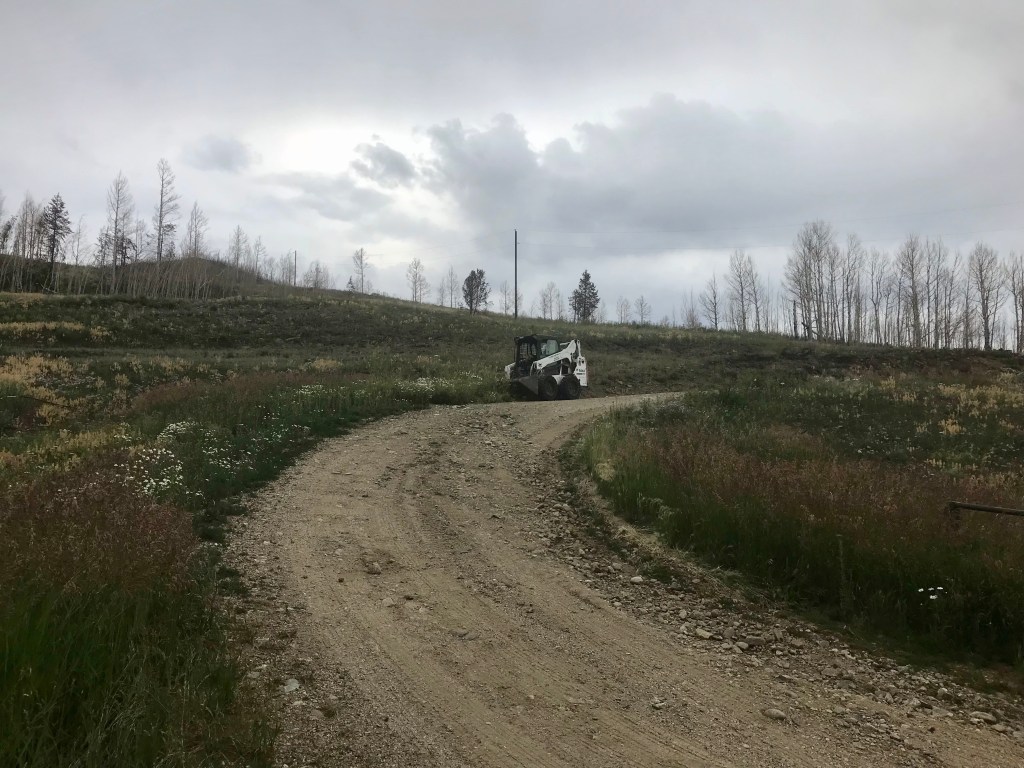








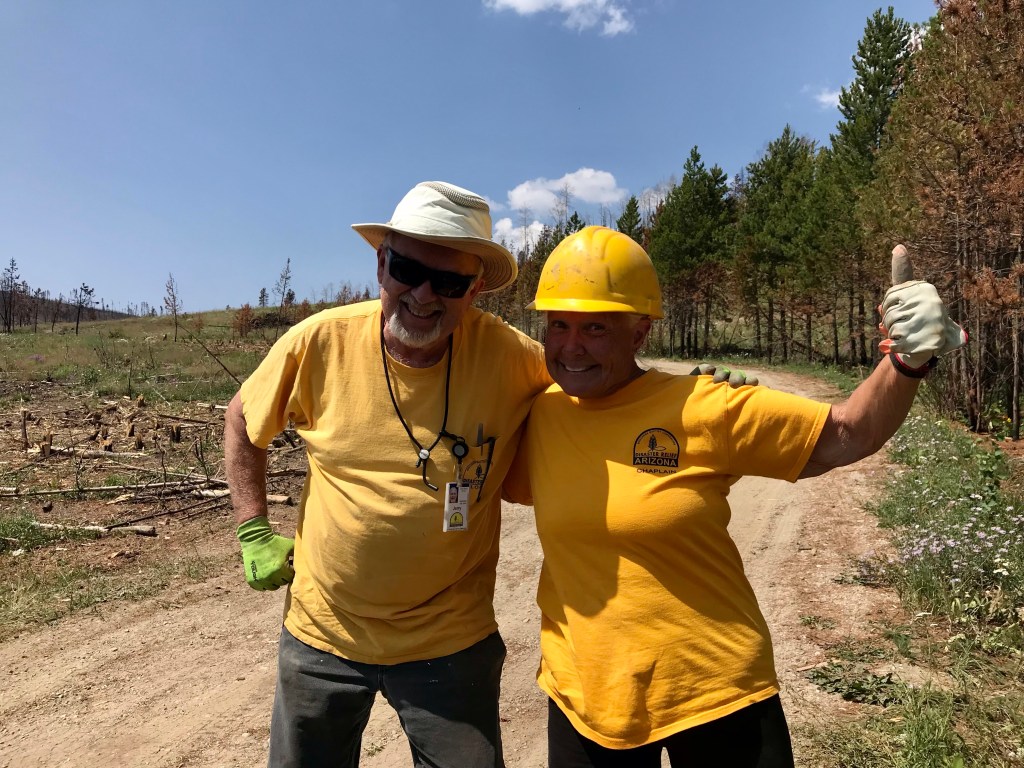



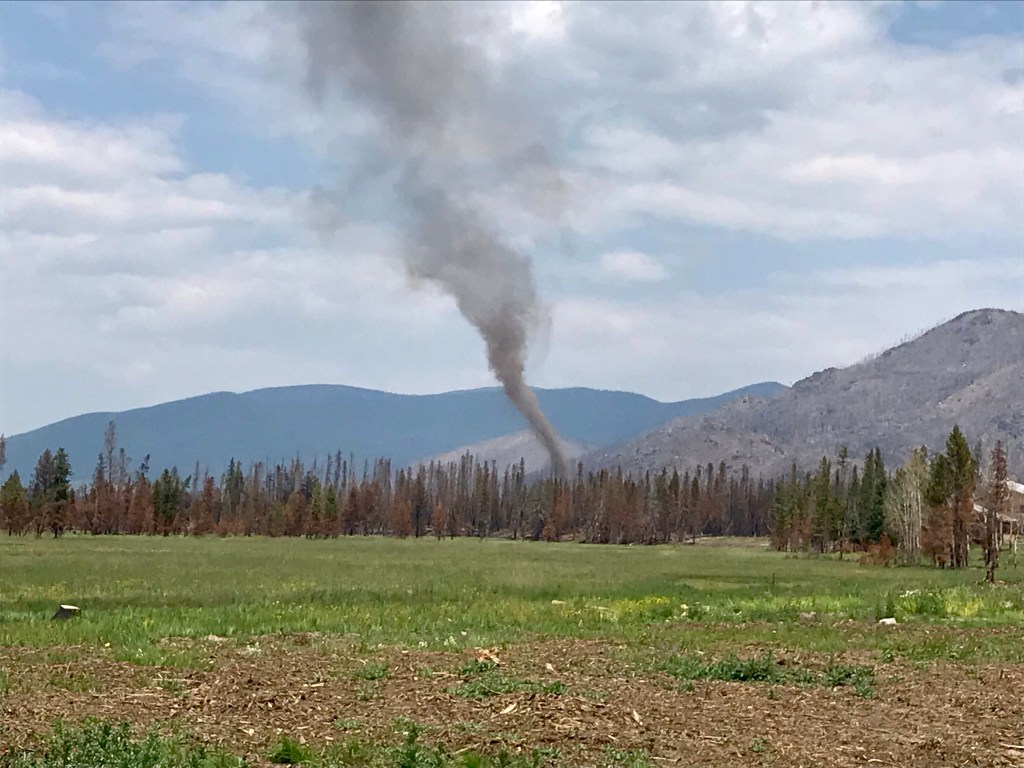


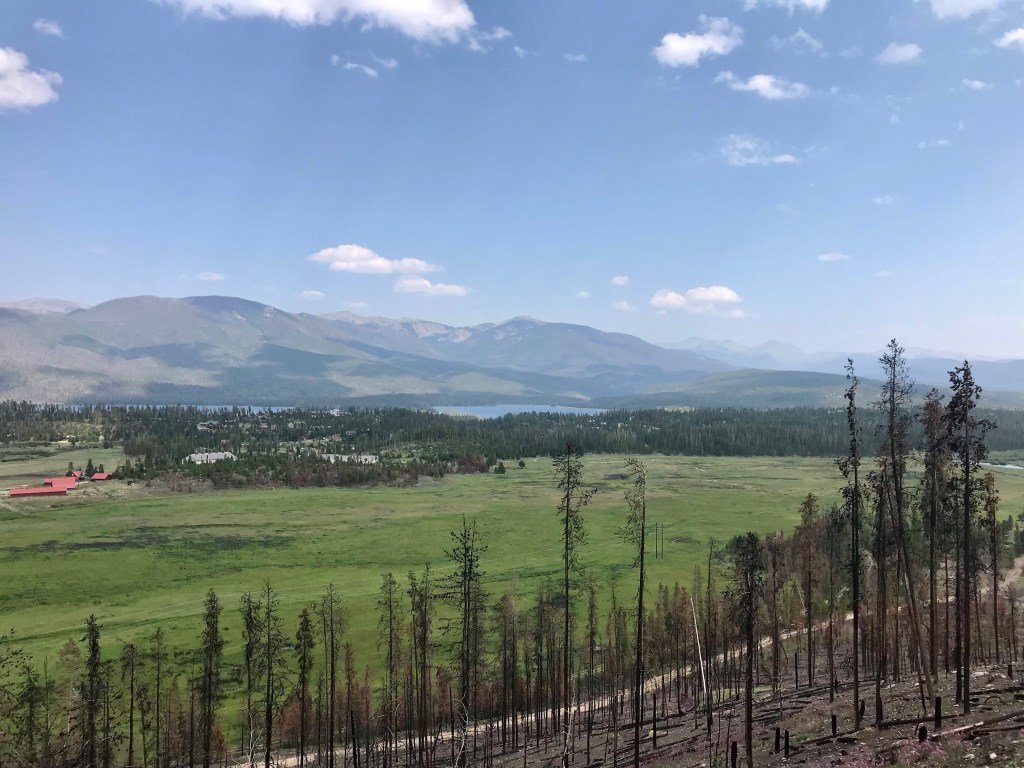







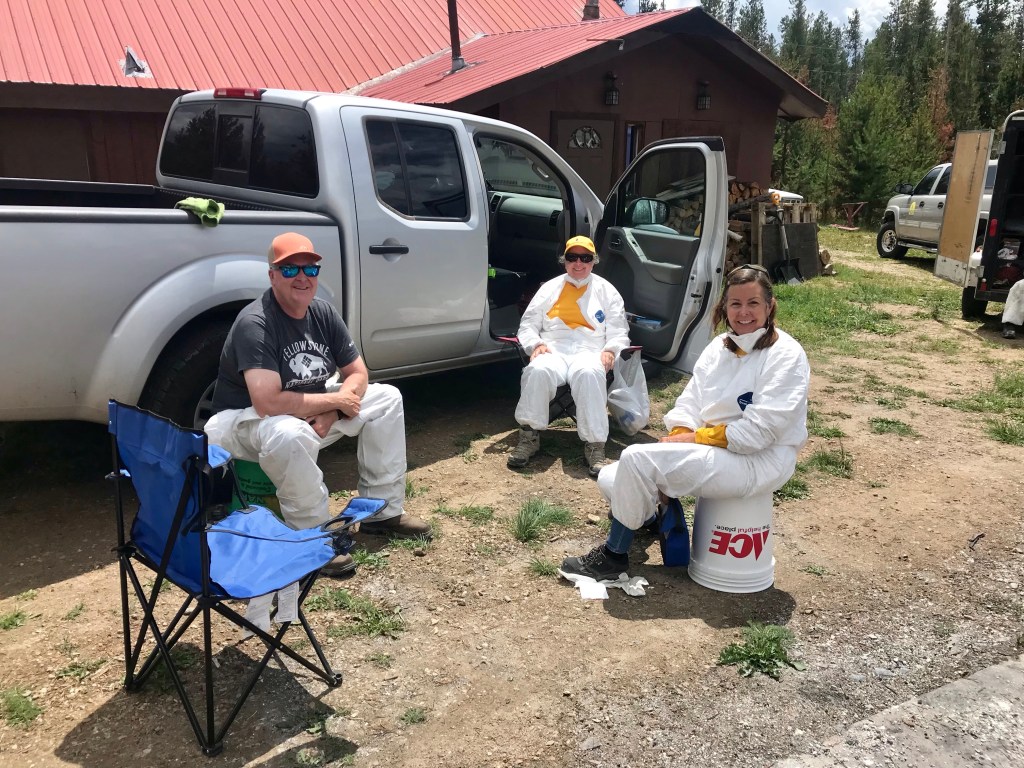
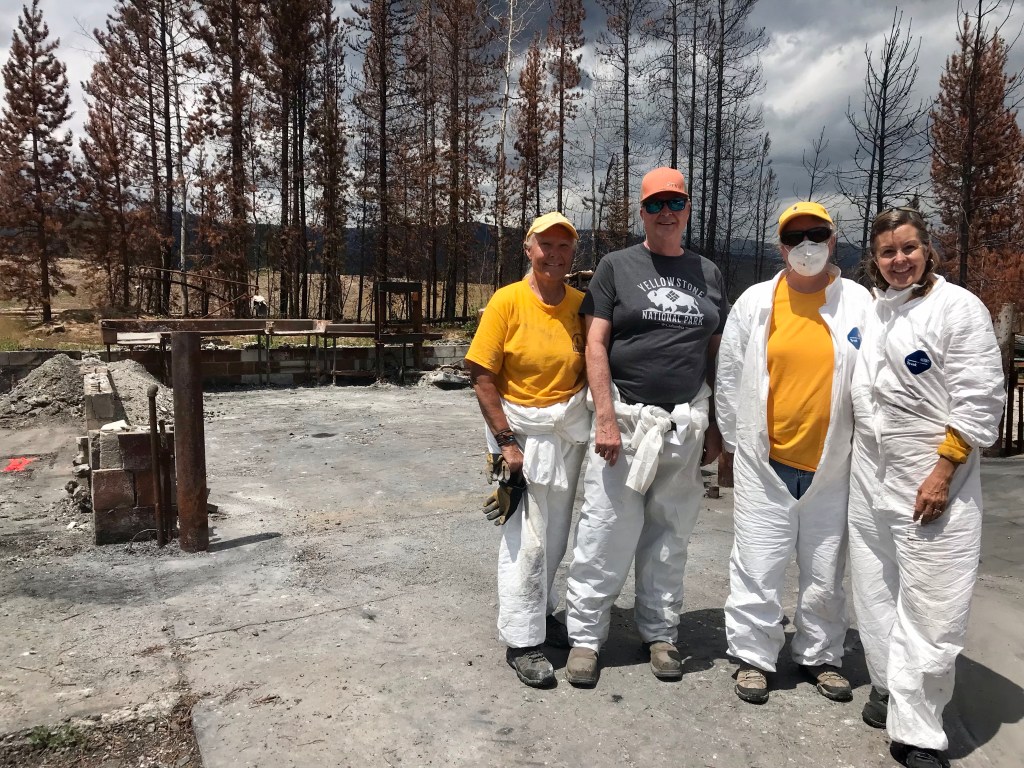

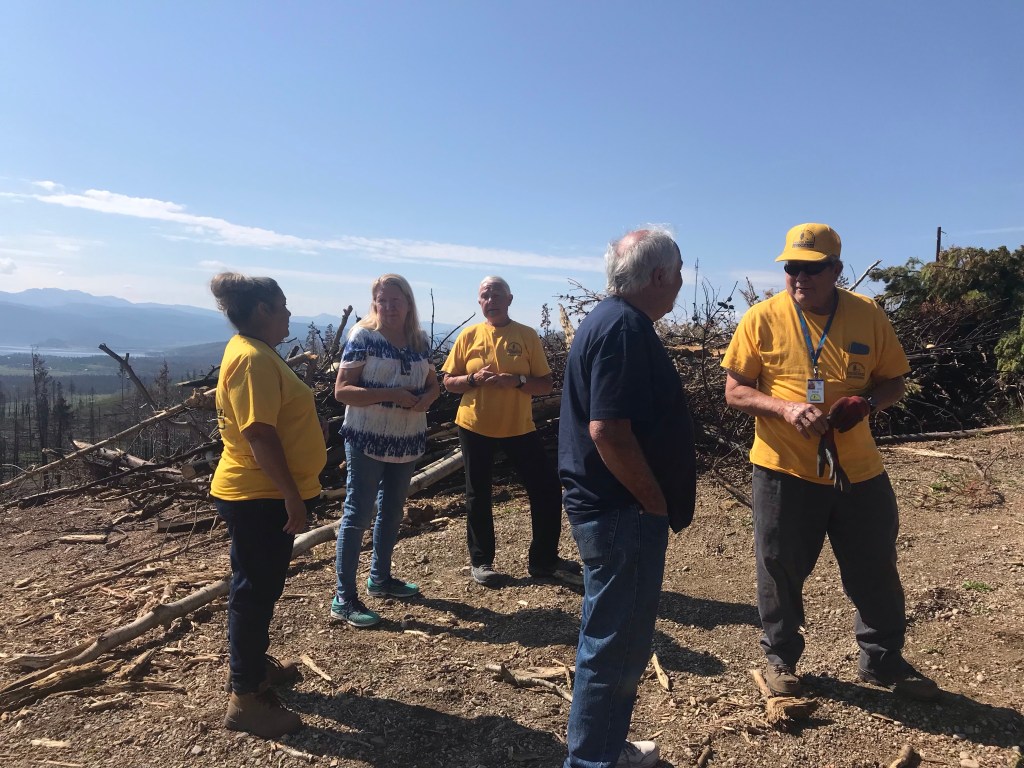




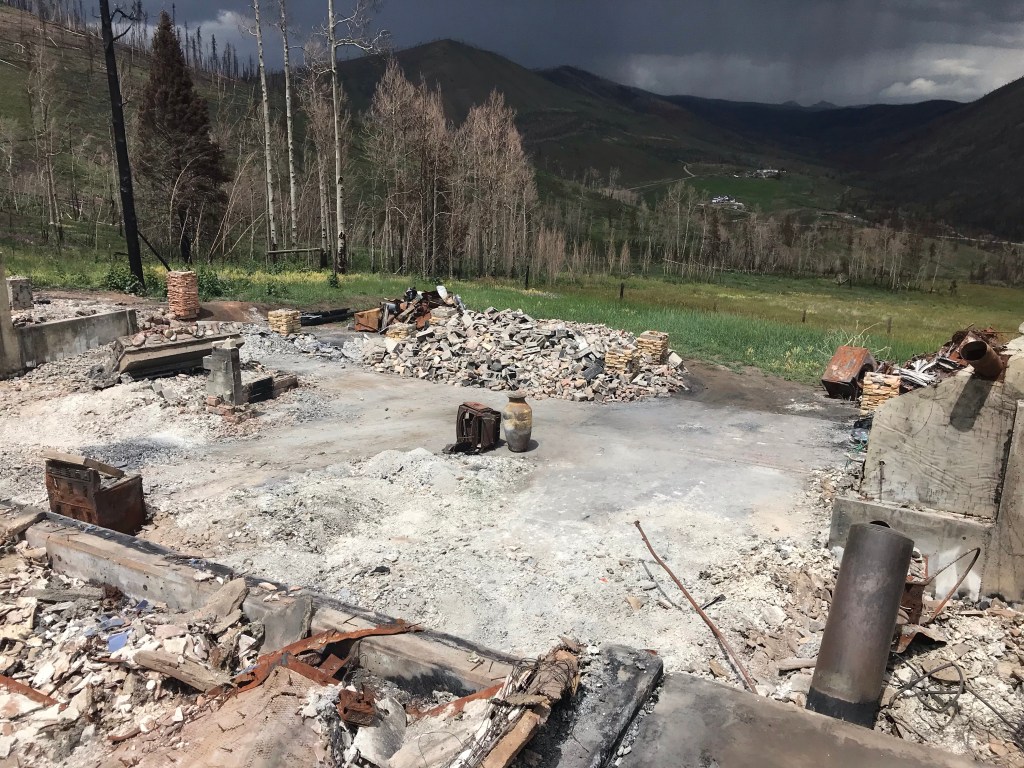
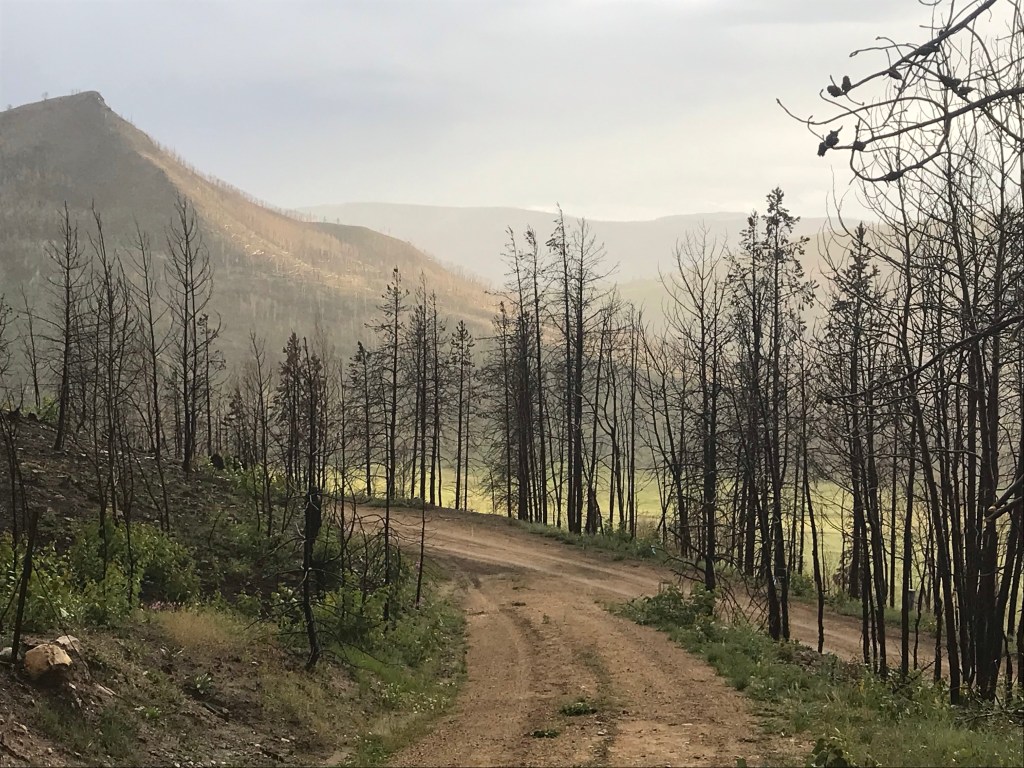
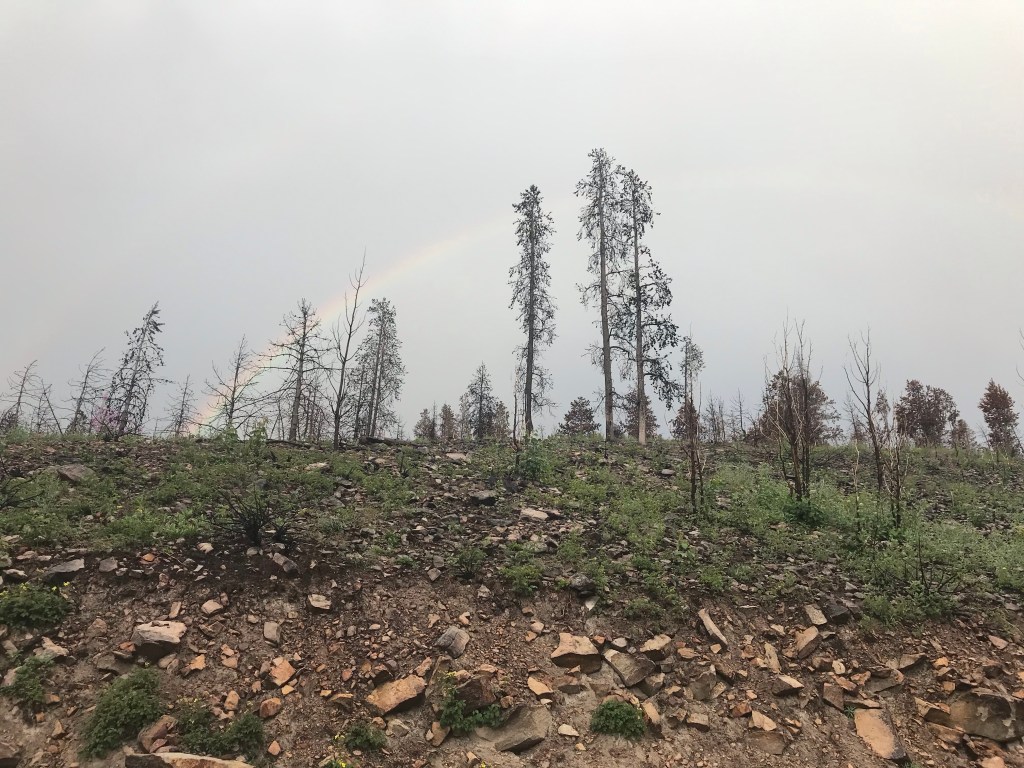


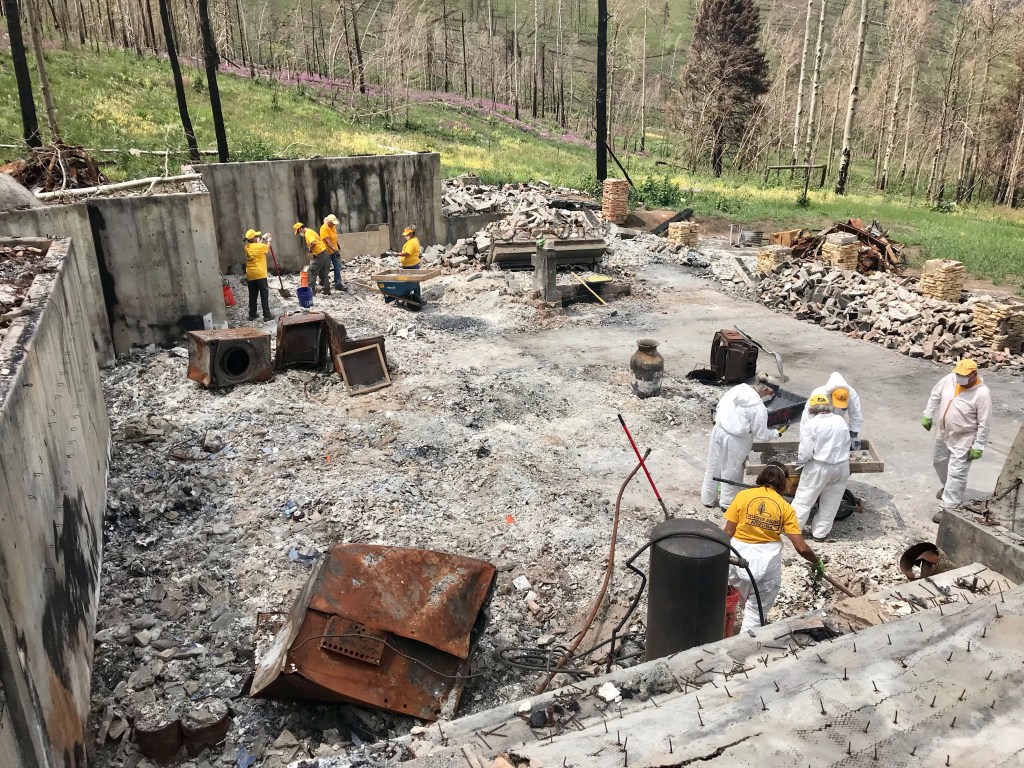



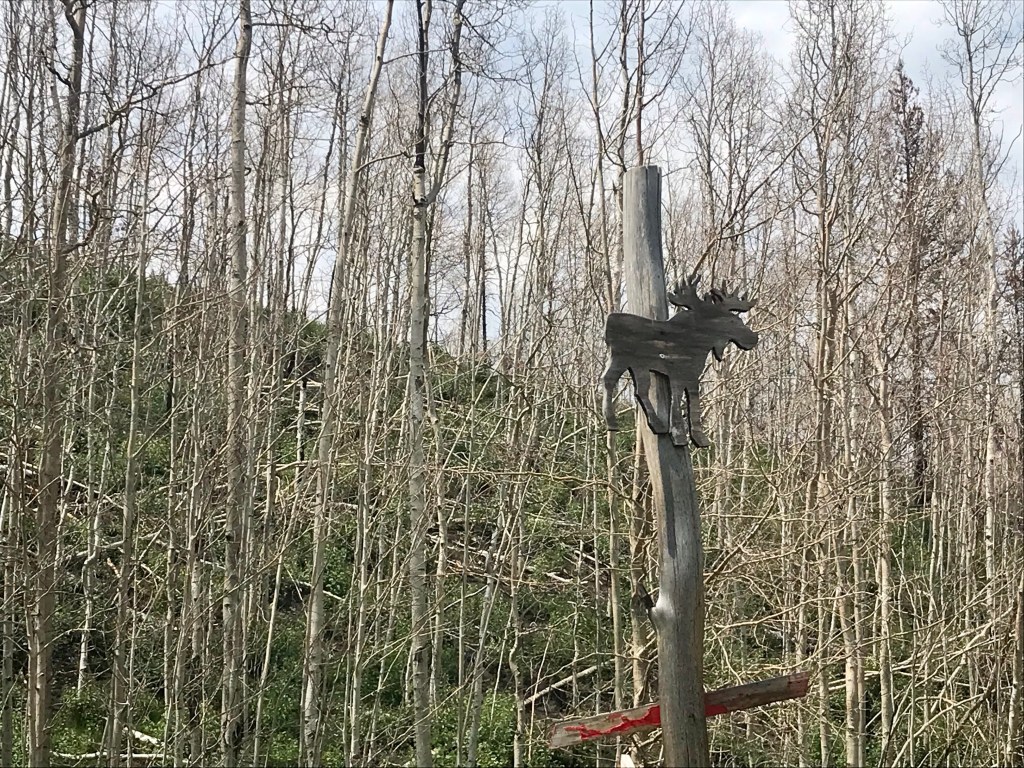

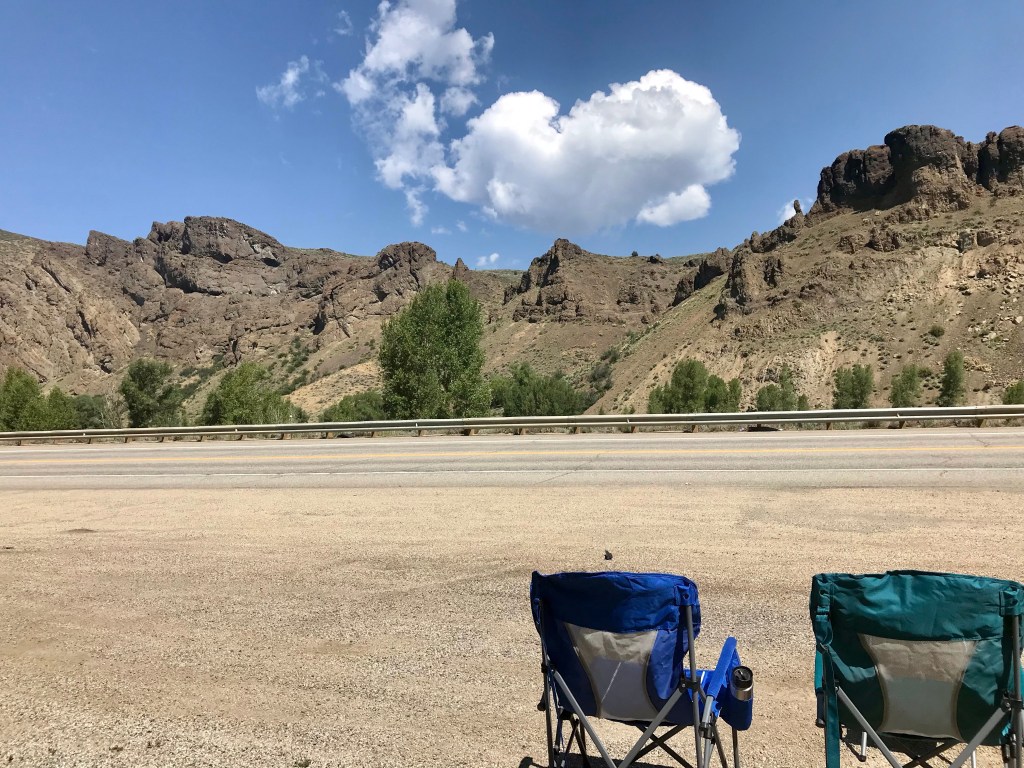
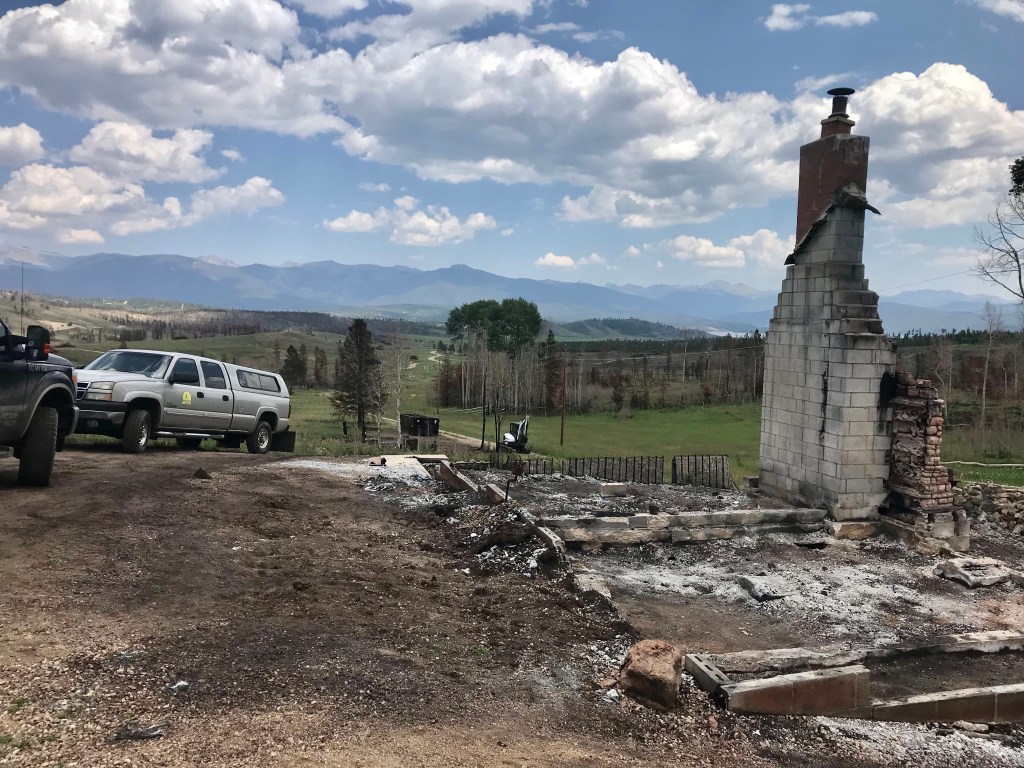
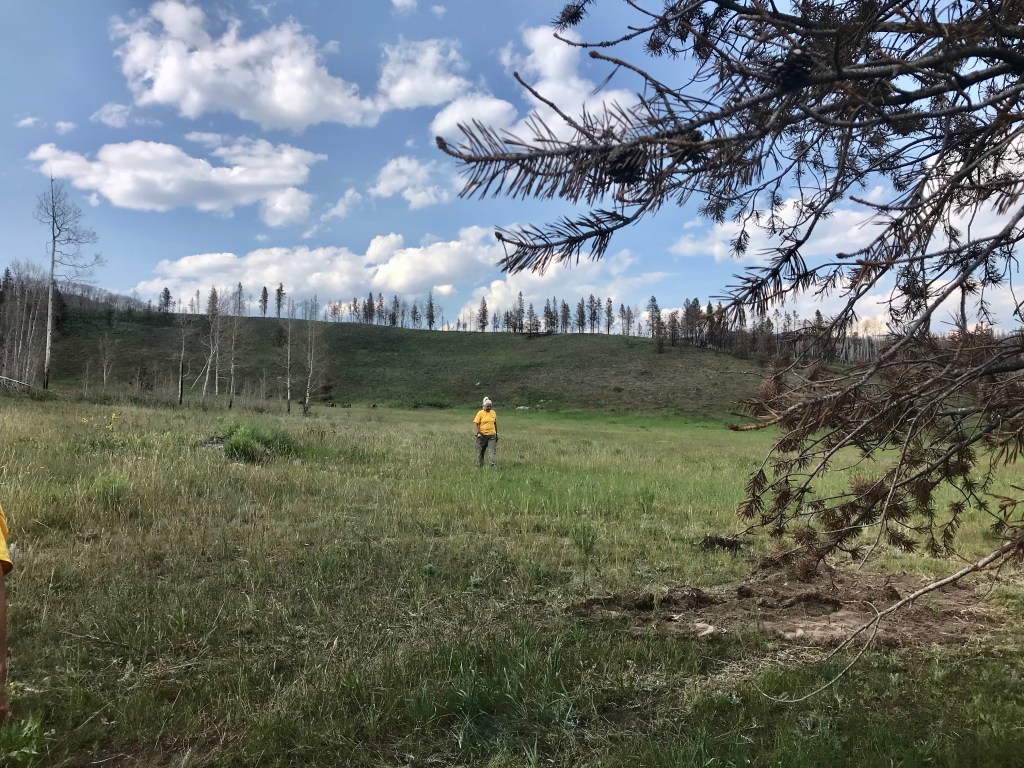







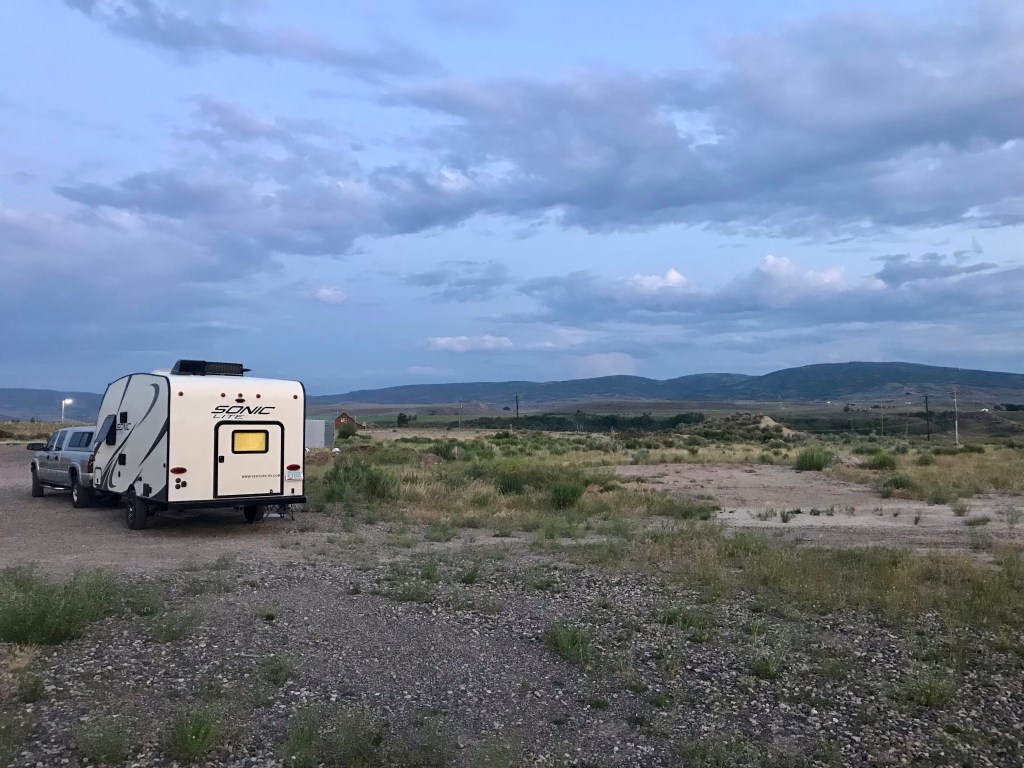
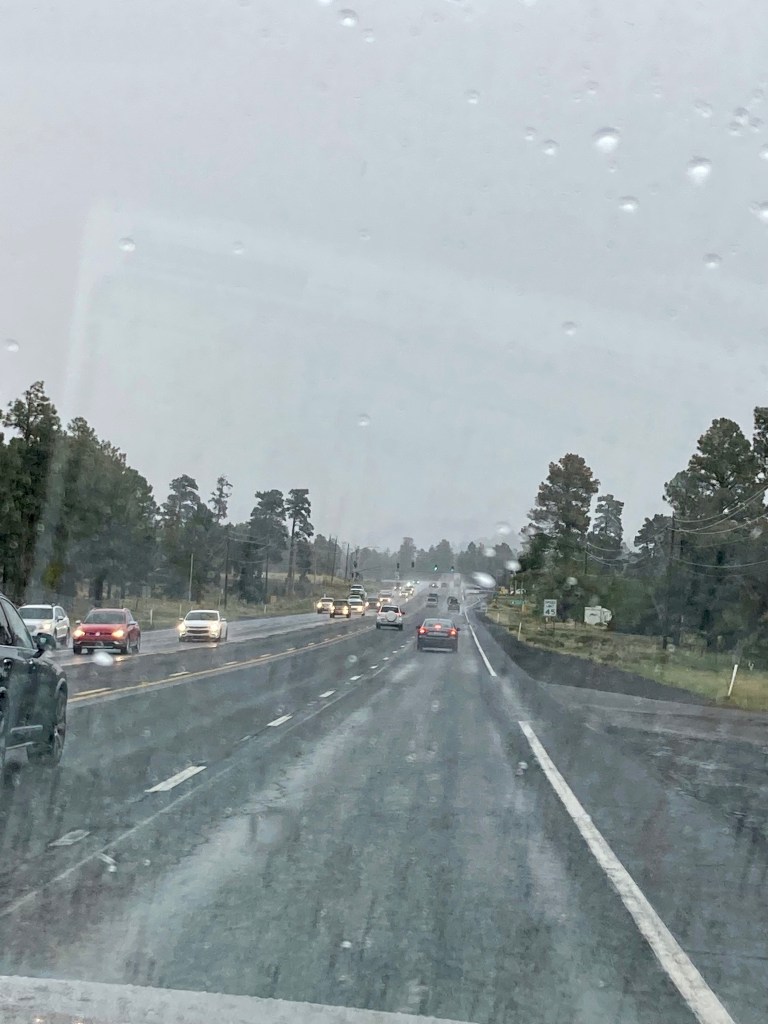


On our way to Granby Colorado to serve the Lord in disaster relief. Many homes from last years fire were not completed due to winter. This is Flagstaff Arizona driving north on highway 89.



1. O God, You are my God,
And I will seek You so earnestly,
My body and soul thirst after You,
In a land that is so dry and weary.
2. I have seen You in the sanctuary,
And beheld Your power and Your glory too.
3. Because Your love is better than life,
My lips will praise and glorify You.
4. I will praise You as long as I live,
I will lift up my hands unto Your name.
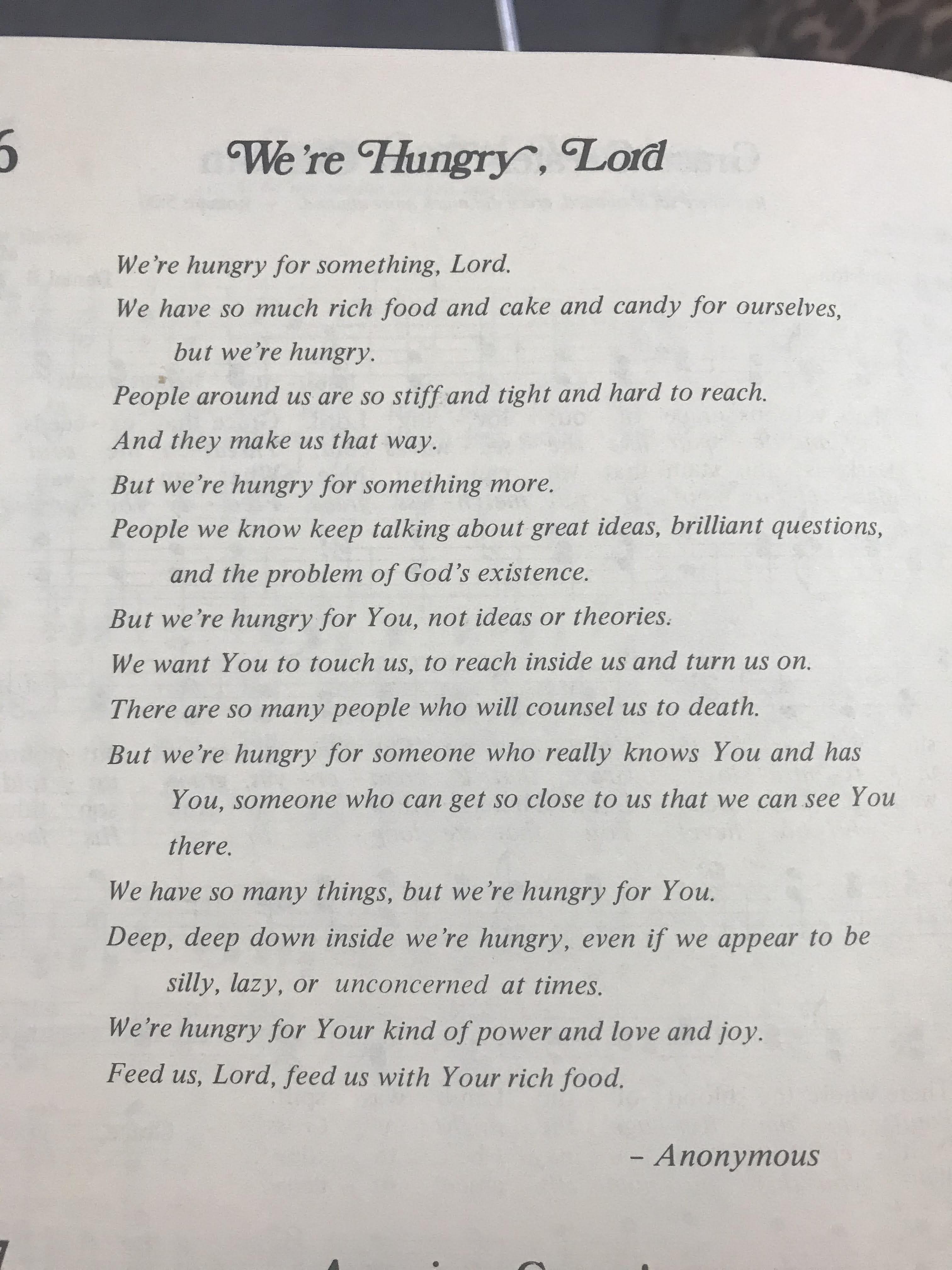
5. My soul satisfied as with rich food,
Praise to You, my singing lips, proclaim.
The complete Psalms in Meter, by Ryan Stewart.


Military Service…
On some air bases the Air Force is on one side of the field and civilian aircraft use the other side of the field, with the control tower in the middle.
One day the tower received a call from an aircraft asking, “What time is it?”
The tower responded, “Who is calling?”
The aircraft replied, “What difference does it make?”
The tower replied, “It makes a lot of difference.
If it is an American Airlines flight, it is 3 o’clock.
If it is an Air Force plane, it is 1500 hours.
If it is a Navy aircraft, it is 6 bells.
If it is an Army aircraft, the big hand is on the 12 and the little hand is on the 3.
If it is a Marine Corps aircraft, it’s Thursday afternoon.”
Someone asked the question “what would you do if you found a scorpion in your tent?” to members of different branches of the military, and these are the responses he got.
Army said, “I’d step on it.”
The Marine said, “I would crush it with the heel of my boot.”
The Ranger said, “I’d smash its head, cut off its tail and eat it.”
Then Air Force said, “I would call room service, tell them to take it away, then ask why there is a tent in my hotel room.”


Well, not us but our friend Bruce from Denver Colorado. Bruce is a legend in Colorado racing circles and a member of the Colorado Motorsports Hall of Fame. Any form of two wheels you can think of, Bruce has raced it, and some four wheeled vehicles also. He is a great Christian Brother. Bruce can also fix and or repair anything with a motor, build houses, do detail work and make it all look easy. We had so much fun, vintage racing is so cool. Like senior rodeo, guys that can hardly move, limp, groan, look old, or otherwise look bad physically. They are transformed when the bikes come off the starting gate. They joke around, care for each other, fix each other’s machine, congratulate each other. We followed Bruce to his home, watched the sun set over the Rocky Mountains, had a very quiet night and good fellowship over morning coffee…


I found this a while back and liked it…Thought I might share it…
“I am a Christian and I don’t drink. I am also a pastor and ex-alcoholic. I need to make that disclaimer right up front. Although it makes me biased, it also makes me an expert on this hotly debated issue.
Some of the worst “shudder moments” of my life have been under the influence, and as a pastor, some of the worst “shudder moments” I have witnessed in the lives of others have been because of alcohol. You have come too late to tell me it’s God’s best for a Christian to drink.
We are living in a church age where drinking has become “hipster” for some. Christian young adults post pictures of their signature drink on Facebook. Middle-aged Christian women name drop their favorite brand of Pinot Grigio to impress their wine snob friends. Churches send direct-mail postcards that read, “Give our church a shot!” featuring an edgy shot glass graphic. Even some pastors drink. Not this one.
I stopped drinking when I became a Christian 26 years ago. No one told me to abstain. I just knew it would be contradictory and self-defeating to my relationship with Christ. I had given my life to follow Jesus and nothing was going to hinder my walk. For me, it was a no-brainer.
This article is not a theological defense on the topic of Christians and alcohol (another article for another time), but it is a heartfelt plea. I humbly ask you to table any knee jerk, pro-alcohol, fight-for-my-right-to-drink arguments that you have ever heard, or made, and prayerfully consider this list.”
50 reasons why I don’t drink:


I have been pondering these issues for some time now and thought I would write about it. Norm and I have been observing photos posted on social media sites, the dressing of some of the younger women in our own fellowship, our recent week spent at youth camp, and our visit to a local church in Edmond Oklahoma. Just this morning we read an article posting of the same subject on crosswalk.com regarding cleavage in church. We posted it to our FB site. At youth camp we explained and asked our girls to not dress inappropriately and they complied. But, they were also quick to point out the mega amount of girls that did not. We did not need the girls to show us what we could see for ourselves. I attended the morning briefing for all of our leaders every morning along with leaders from 21 other church’s. On day two, the camp leader said, “Dress code! Do I need to say more?” At which I replied firmly, “Yes, you do!” None of our adult leaders liked the fact that we had to point out the obvious to other church’s kids. After years of attending camp, the problem is getting worse, not better.
At church service this past Sunday, probably a couple thousand (?) in the service we attended. I mentioned to Norm, if I took a photo of some of the outfits that ladies wore and showed them around, and asked where do you think these were taken, I’m thinking church would not be on the short list. A lot of the men seem to have the opposite attitude. Making a minimal effort to dress at all. I have a theory that this is a road that Christians (?) have been travelling down for quite a while. The Bible no longer holds a special place in our hearts or our homes. We no longer have a reverence for God inwardly and it shows with our dress and our attitudes outwardly. Worship is also in question. Loud music, light shows, songs that are hard for older generations to sing. Our worship service yesterday was very much like the week at youth camp, loud, lights, and a Gospel message. I have no idea if this kind of service is honoring God. It seems that lots of professions of Faith are made, I wonder how many of those new believers go on to serve the Lord? I also ponder the thought of youth camps (lights, loud) services (called Worship) are the reason the college age kids leave the church. I know our service cannot compete with camp (lights and loud).
Just some rambling thoughts, and lots of pondering…


Little girls are the nicest things that happen to people. They are born with a little bit of angel–shine about them and though it wears thin sometimes, there is always enough left to lasso your heart—even when they are sitting in the mud, or crying temperamental tears, or parading up the street in mother’s best clothes.
A little girl can be sweeter (and badder) oftener than anyone else in the world. She can jitter around, and stomp, and make funny noises and frazzle your nerves, yet just when you open your mouth, she stands there demure with that special look in her eyes. A girl is Innocence playing in the mud, Beauty standing on its head, and Motherhood dragging a doll by the foot.
God borrows from many creatures to make a little girl. He uses the song of a bird, the squeal of a pig, the stubbornness of a mule, the antics of a monkey, the spryness of a grasshopper, the curiosity of a cat, the slyness of a fox, the softness of a kitten. And to top it off, He adds the mysterious mind of a woman.
A little girl likes new shoes, party dresses, small animals, dolls, make–believe, ice cream, make–up, going visiting, tea parties, and one boy. She doesn’t care so much for visitors, boys in general, large dogs, hand–me–downs, straight chairs, vegetables, snow suits, or staying in the front yard. She is loudest when you are thinking, prettiest when she has provoked you, busiest at bedtime, quietest when you want to show her off, and most flirtatious when she absolutely must not get the best of you again.
She can muss up your home, your hair, and your dignity—spend your money, your time, and your temper—then just when your patience is ready to crack, her sunshine peeks through and you’re lost again.
Yes, she is a nerve–racking nuisance, just a noisy bundle of mischief. But when your dreams tumble down and the world is a mess, when it seems you are pretty much of a fool after all, she can make you a king when she climbs on your knee and whispers, “I love you best of all!”
This is an interesting article. I would love some feed back. What do you think about the “Done’s?”
John is every pastor’s dream member. He’s a life-long believer, well-studied in the Bible, gives generously and leads others passionately.
But last year he dropped out of church. He didn’t switch to the other church down the road. He dropped out completely. His departure wasn’t the result of an ugly encounter with a staff person or another member. It wasn’t triggered by any single event.
John had come to a long-considered, thoughtful decision. He said, “I’m just done. I’m done with church.”
John is one in a growing multitude of ex-members. They’re sometimes called the de-churched. They have not abandoned their faith. They have not joined the also-growing legion of those with no religious affiliation—often called the Nones. Rather, John has joined the Dones.
At Group’s recent Future of the Church conference, sociologist Josh Packard shared some of his groundbreaking research on the Dones. He explained these de-churched were among the most dedicated and active people in their congregations. To an increasing degree, the church is losing its best.
For the church, this phenomenon sets up a growing danger. The very people on whom a church relies for lay leadership, service and financial support are going away. And the problem is compounded by the fact that younger people in the next generation, the Millennials, are not lining up to refill the emptying pews.
Why are the Dones done? Packard describes several factors in his upcoming bookChurch Refugees (Group). Among the reasons: After sitting through countless sermons and Bible studies, they feel they’ve heard it all. One of Packard’s interviewees said, “I’m tired of being lectured to. I’m just done with having some guy tell me what to do.”
The Dones are fatigued with the Sunday routine of plop, pray and pay. They want to play. They want to participate. But they feel spurned at every turn.
Will the Dones return? Not likely, according to the research. They’re done. Packard says it would be more fruitful if churches would focus on not losing these people in the first place. Preventing an exodus is far easier than attempting to convince refugees to return.
Pastors and other ministry leaders would benefit from asking and listening to these long-time members before they flee. This will require a change of habit. When it comes to listening, church leaders are too often in the habit of fawning over celebrity pastors for answers. It would be far more fruitful to take that time and spend it with real people nearby—existing members. Ask them some good questions, such as:
1. Why are you a part of this church?
2. What keeps you here?
3. Have you ever contemplated stepping away from church? Why or why not?
4. How would you describe your relationship with God right now?
5. How has your relationship with God changed over the past few years?
6. What effect, if any, has our church had on your relationship with God?
7. What would need to change here to help you grow more toward Jesus’ call to love God and love others?
It’s time to listen. Even as I’m writing this today, another high-capacity lay leader emailed me with his decision to leave his church. He’s done. Like many others I know, he’s also a nationally known Christian leader. But he’s done.
Your church, even if it’s one of the rare growing ones, is sitting on a ticking time bomb. The exodus of the Dones, the rise of the Nones and the disappearance of the Millennials do not look good for a church afraid to listen.
It’s not too late to start.

by John MacArthur
“If the world hates you, you know that it has hated Me before it hated you” (John 15:18).
With those words Jesus comforted His disciples. His followers would not be alone in their suffering; they would partake in what He had already endured. It’s a comfort that points to the certainty of persecution for everyone who follows Christ. The Lord acknowledged that inevitability just a few verses later:
These things I have spoken to you so that you may be kept from stumbling. They will make you outcasts from the synagogue, but an hour is coming for everyone who kills you to think that he is offering service to God. These things they will do because they have not known the Father or Me. But these things I have spoken to you, so that when their hour comes, you may remember that I told you of them. (John 16:1-4)
All believers know, to at least some degree, what it is to suffer for the sake of the Lord. At times we’ve all been alienated or ostracized for our faith. Some have lost relationships, forfeiting friends and even family members for the sake of Christ. Many believers feel the pressure to keep silent about the Lord and His Word, often with the threat of losing their position in an organization or some other social structure. All Christians face those kinds of persecution at one time or another.
But that is mild persecution compared to what we see in Scripture, and what many believers still suffer around the world. Current statistics indicate that today as many as 100 million Christians live under the constant threat of bodily harm and even death because of their faith. By God’s grace, many of us don’t face that fierce level of persecution at our doorstep—yet. However, it is on the rise as the world becomes increasingly hostile to God’s Word and His people.
Whatever the degree of persecution you might face, how you respond is dictated by your perspective. If you can’t see beyond your own suffering and fear, persecution will be a hindrance to your spiritual growth and usefulness. But if you view persecution from heaven’s perspective, you’ll be able to endure, an even thrive in the midst of it.
So what is heaven’s perspective? Like any other hardship we encounter, persecution is a trial permitted by God for our growth. And as James writes, we need to
Consider it all joy, my brethren, when you encounter various trials, knowing that the testing of your faith produces endurance. And let endurance have its perfect result, so that you may be perfect and complete, lacking in nothing. (James 1:2-4)
God is not caught off guard by our suffering. Persecution isn’t an indication that He lost control, or that we’ve fallen out of favor with Him. It’s a trial that serves a purpose in His divine plan. And if we react the right way, we can expect to benefit from it in the end.
That’s the promise James makes just a few verses later: “Blessed is a man who perseveres under trial; for once he has been approved, he will receive the crown of life which the Lord has promised to those who love Him” (James 1:12).
Peter made that same point to his readers in 1 Peter 4:12-14.
Beloved, do not be surprised at the fiery ordeal among you, which comes upon you for your testing, as though some strange thing were happening to you; but to the degree that you share the sufferings of Christ, keep on rejoicing, so that also at the revelation of His glory you may rejoice with exultation. If you are reviled for the name of Christ, you are blessed, because the Spirit of glory and of God rests on you.
Peter’s readers were indeed facing a “fiery ordeal.” Scattered across the Roman Empire, they lived as aliens amid a pagan society. On top of that, they endured the constant threat of violent persecution, as the Romans excelled at devising excruciating tortures and horrific deaths for their enemies. And in spite of that, Peter called them to rejoice.
In this you greatly rejoice, even though now for a little while, if necessary, you have been distressed by various trials, so that the proof of your faith, being more precious than gold which is perishable, even though tested by fire, may be found to result in praise and glory and honor at the revelation of Jesus Christ. (1 Peter 1:6-7)
The fruit of believers’ suffering is a proven faith. Enduring persecution proves the quality of their love for the Lord, and nothing is more valuable than tested faith. It not only affirms your status as a child of God (Romans 8:17), it also empowers you to conquer sin (1 Peter 4:1).
Because of that immense value of having confidence in your salvation, you’re willing to suffer the pains and hardships of persecution. You don’t try to escape it; you accept it as the Lord’s preordained proving ground for your faith. That is why Peter writes that we can rejoice in trials.
In other words, there’s nothing—not health, comfort, or security—more valuable than the confidence that your faith is real. Believers can gladly sacrifice those things because they know their suffering builds up their spiritual strength, the assurance of their faith, and their anticipation of future glory in heaven with Christ.
John records these words from Jesus, which He said hours before His salvation-securing death: “These things I have spoken to you, so that in Me you may have peace. In the world you have tribulation, but take courage; I have overcome the world” (John 16:33). The worst thing the world can do is kill us, which sends us directly into the arms of Christ and our ultimate triumph.

We should expect to face various forms of persecution in this life. And in the coming days, we’ll consider some biblical principles for responding to that persecution. But we’ll never be able to bear up under the weight of the suffering if we don’t first have heaven’s perspective on it—that God is allowing it for our good.