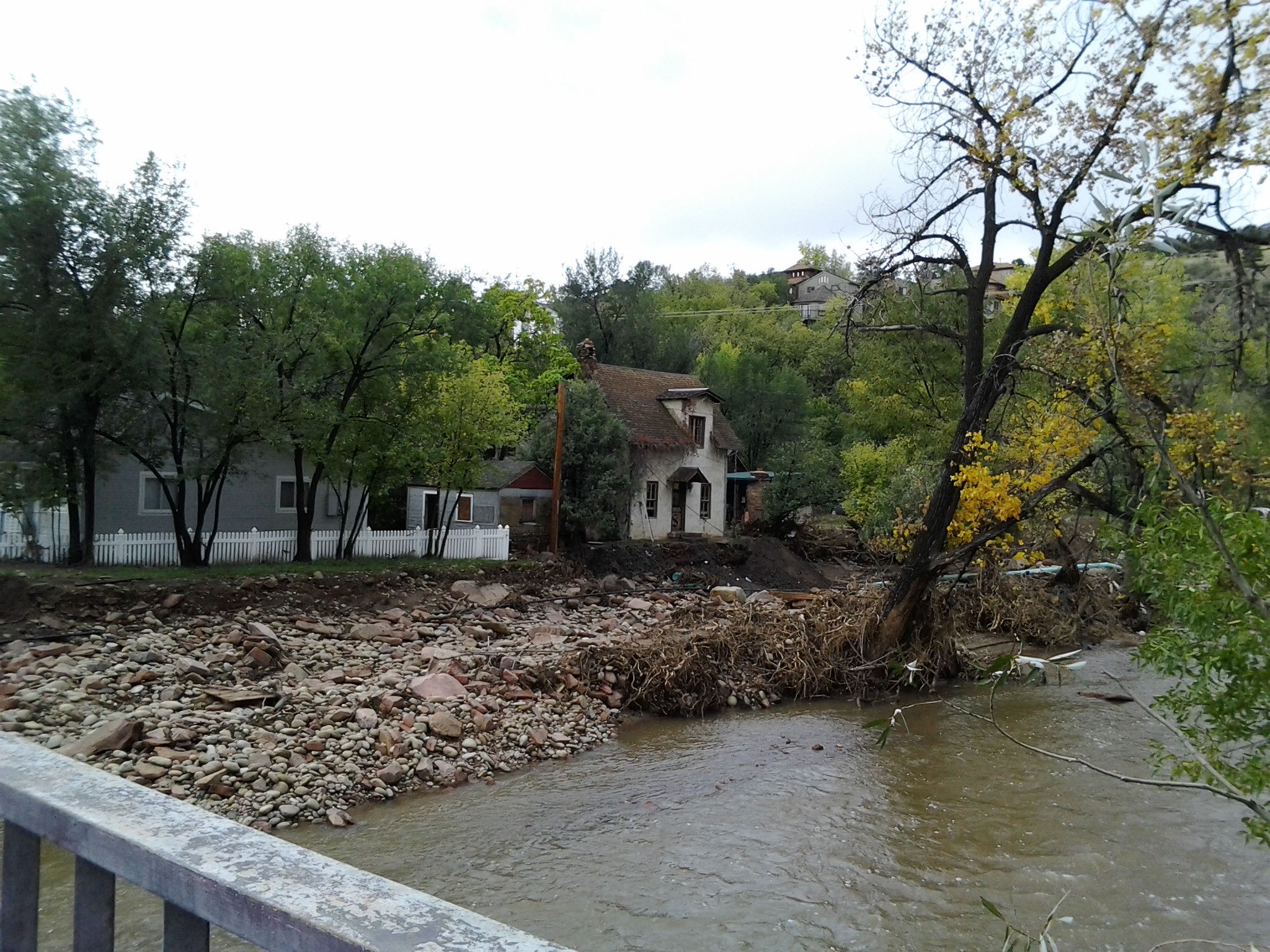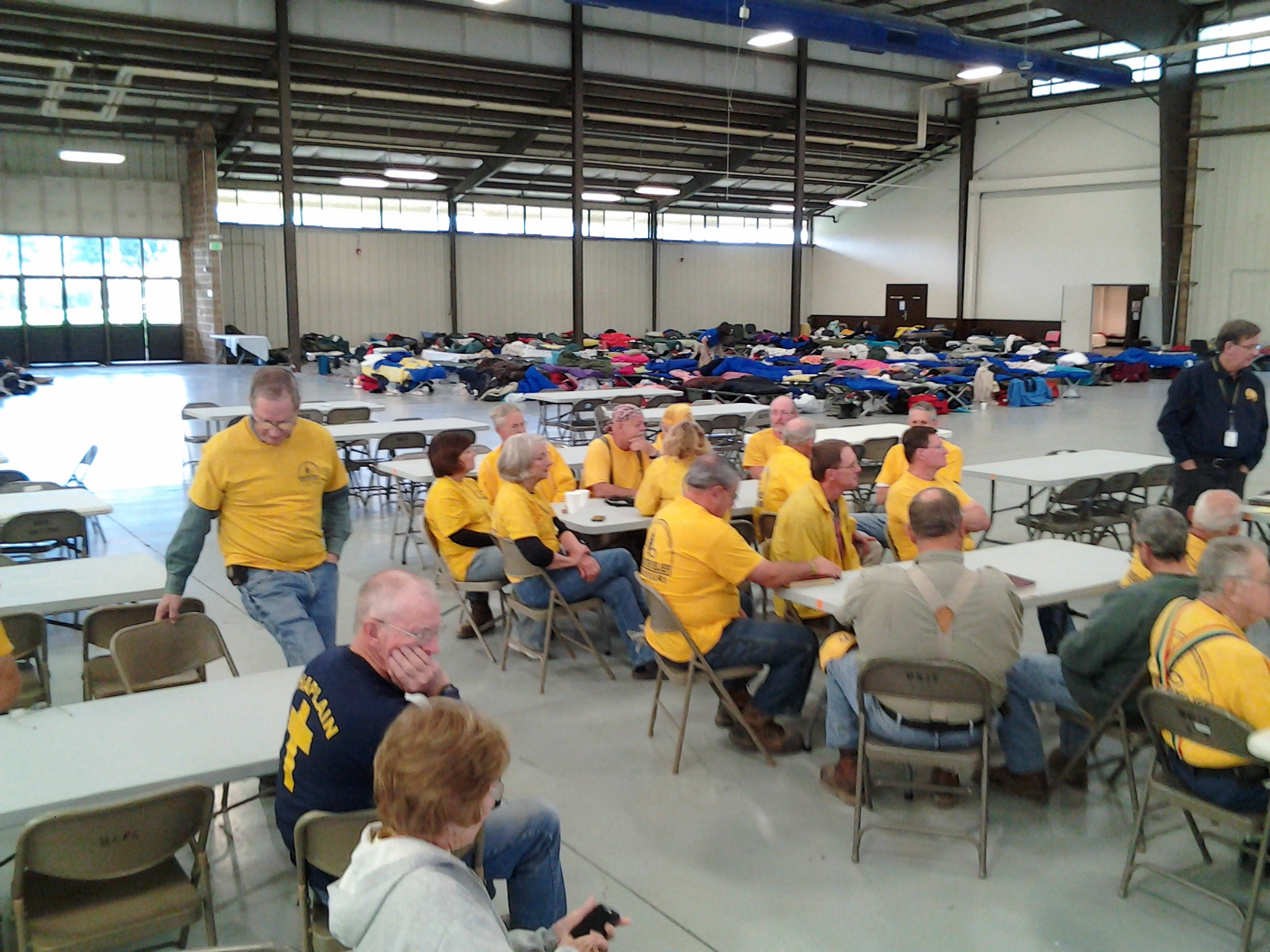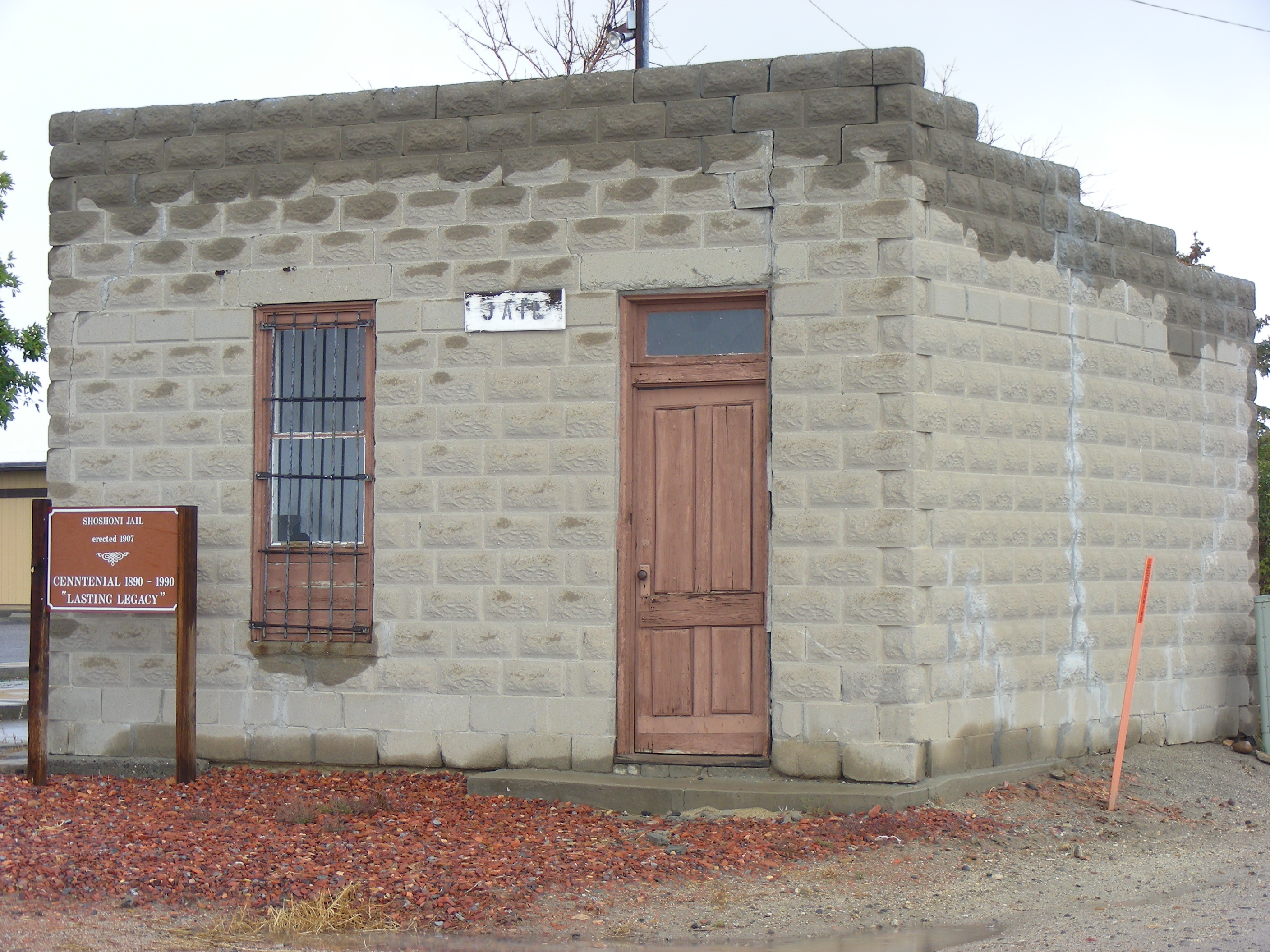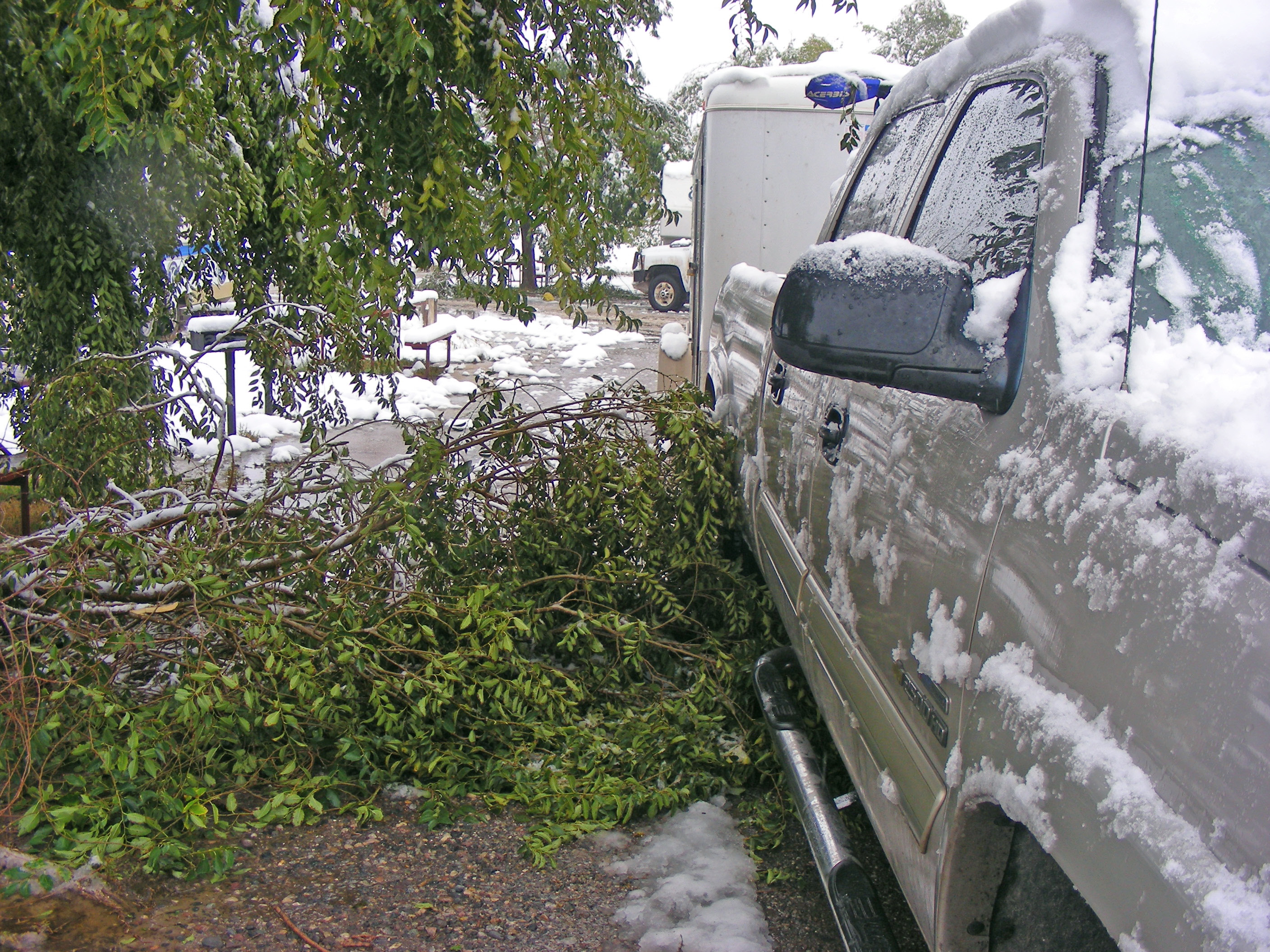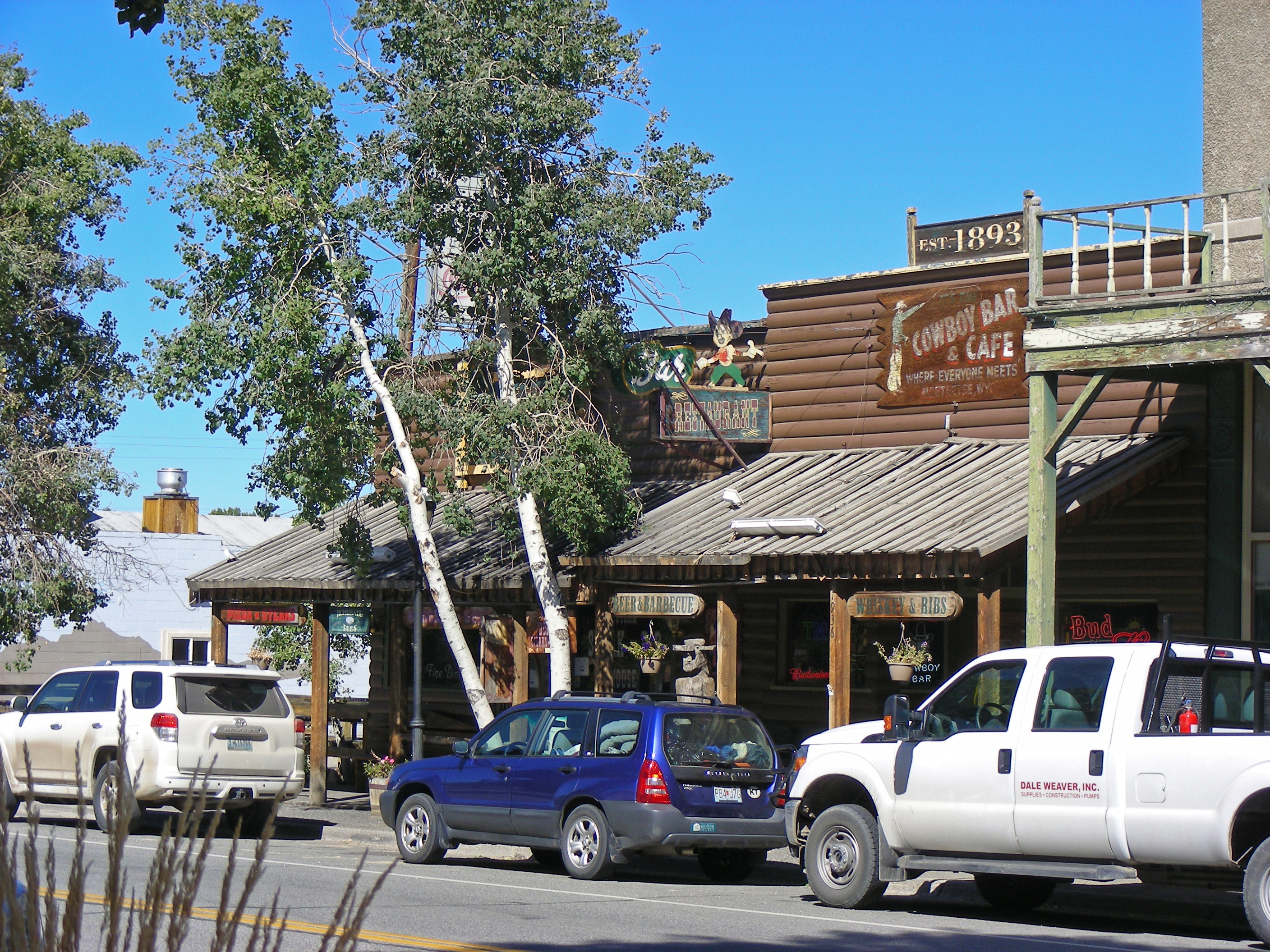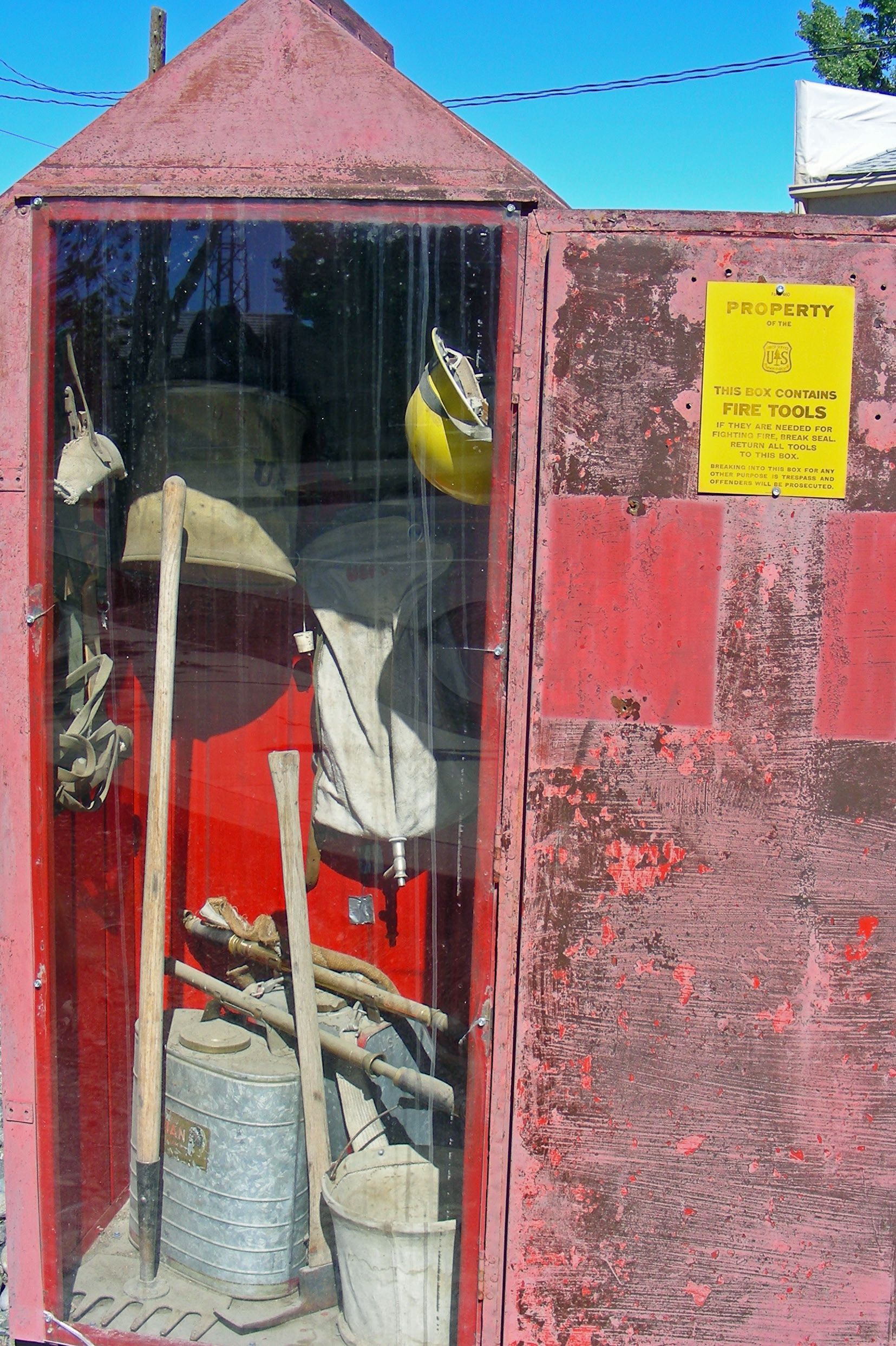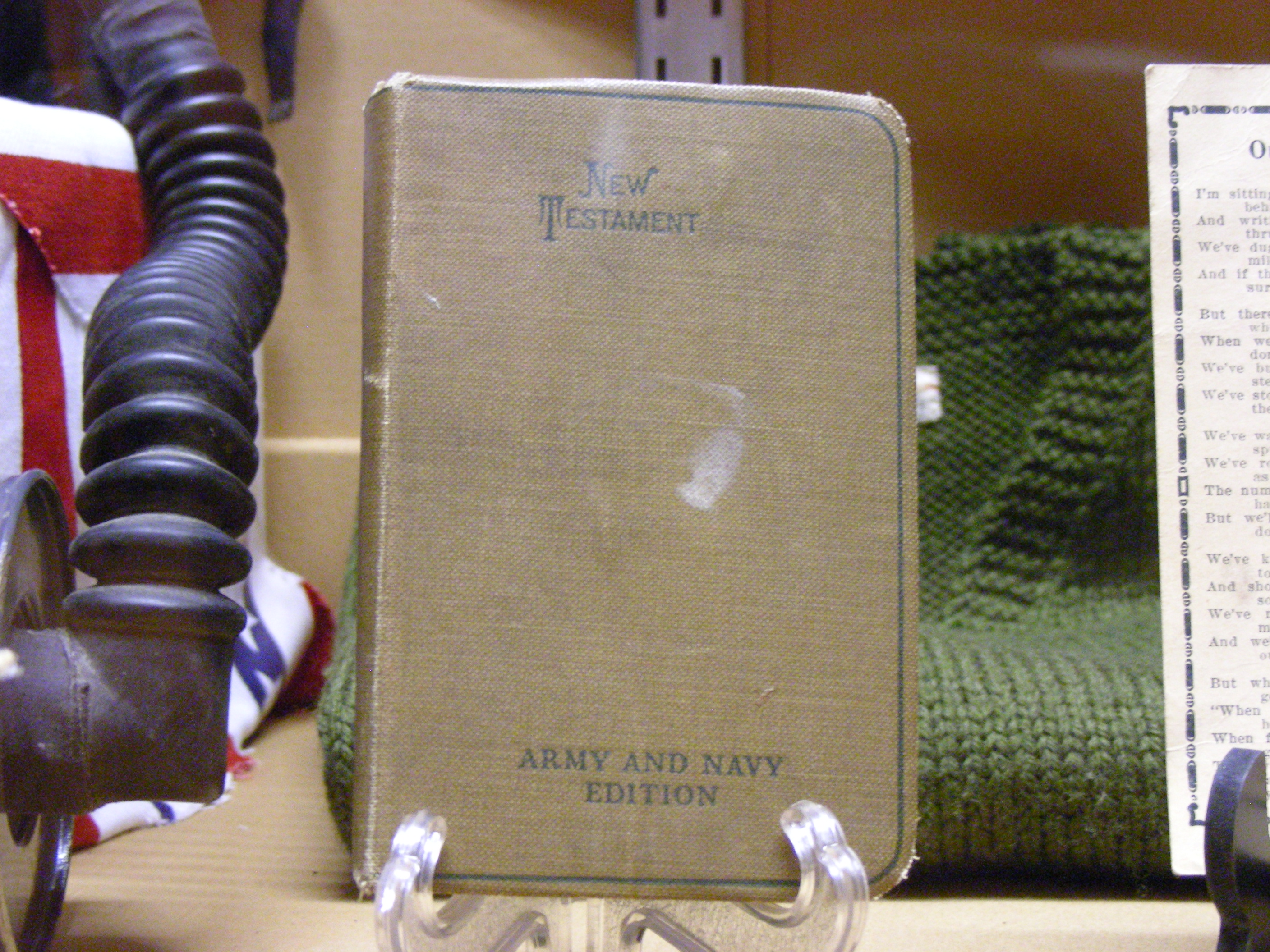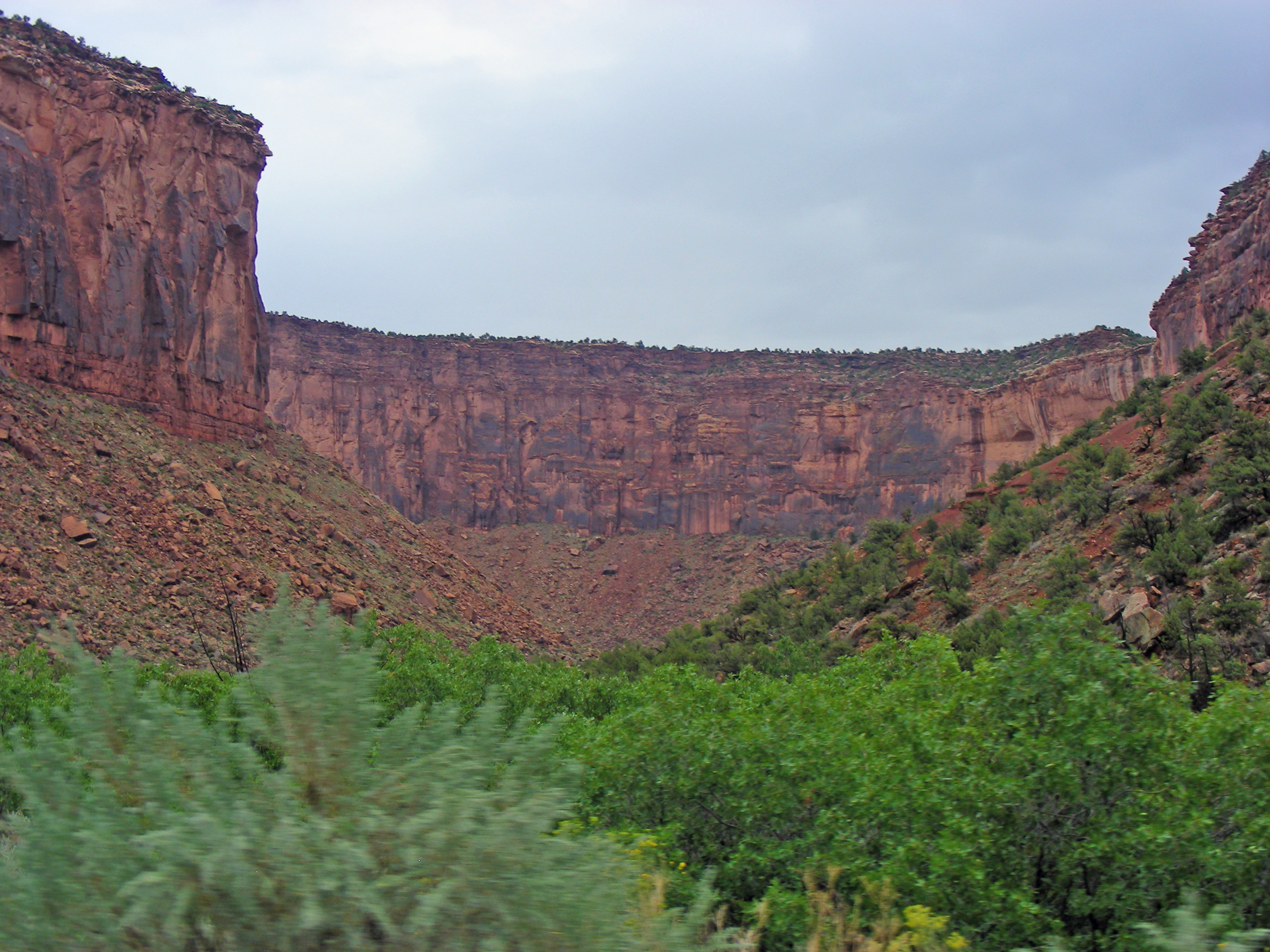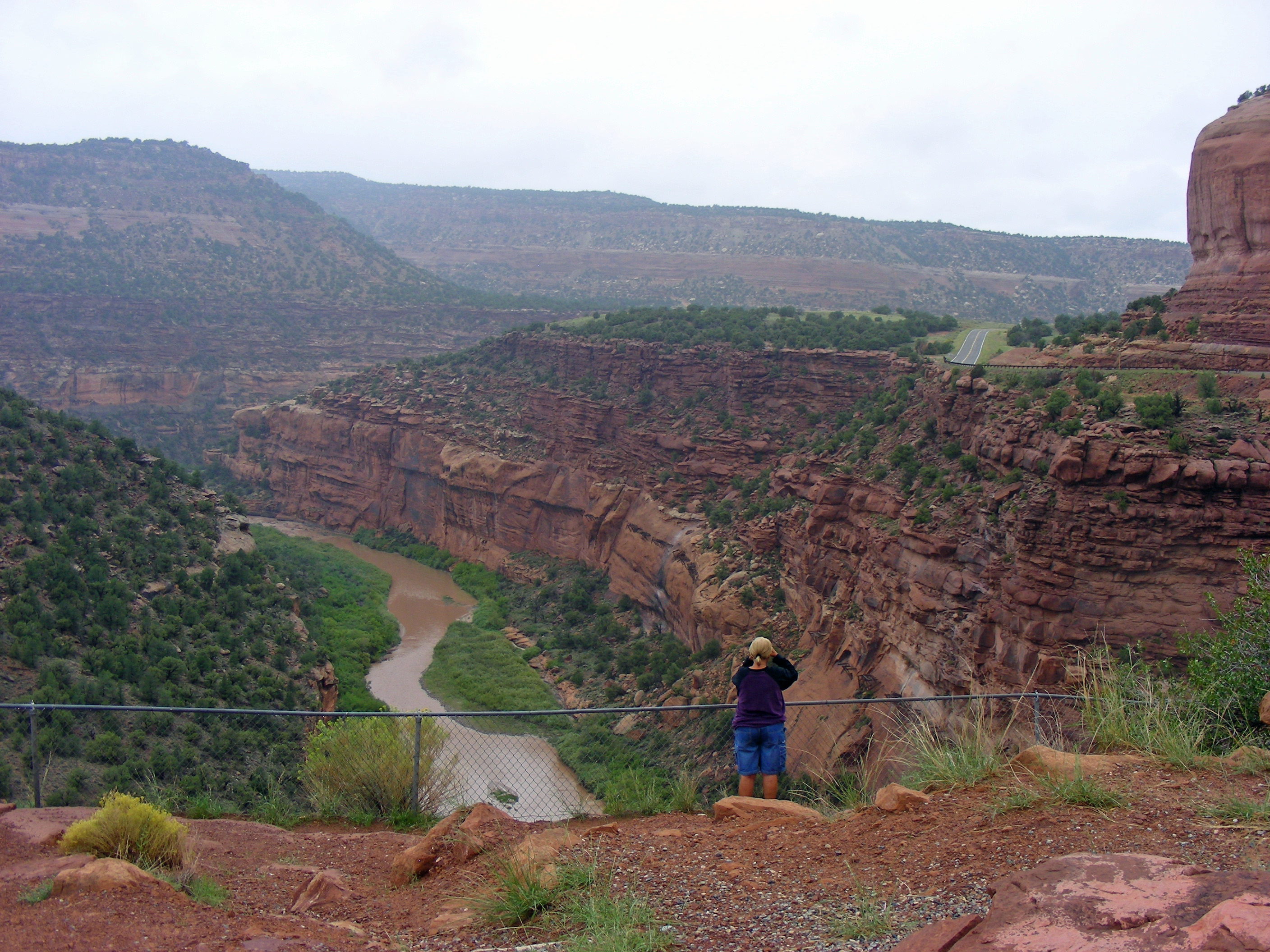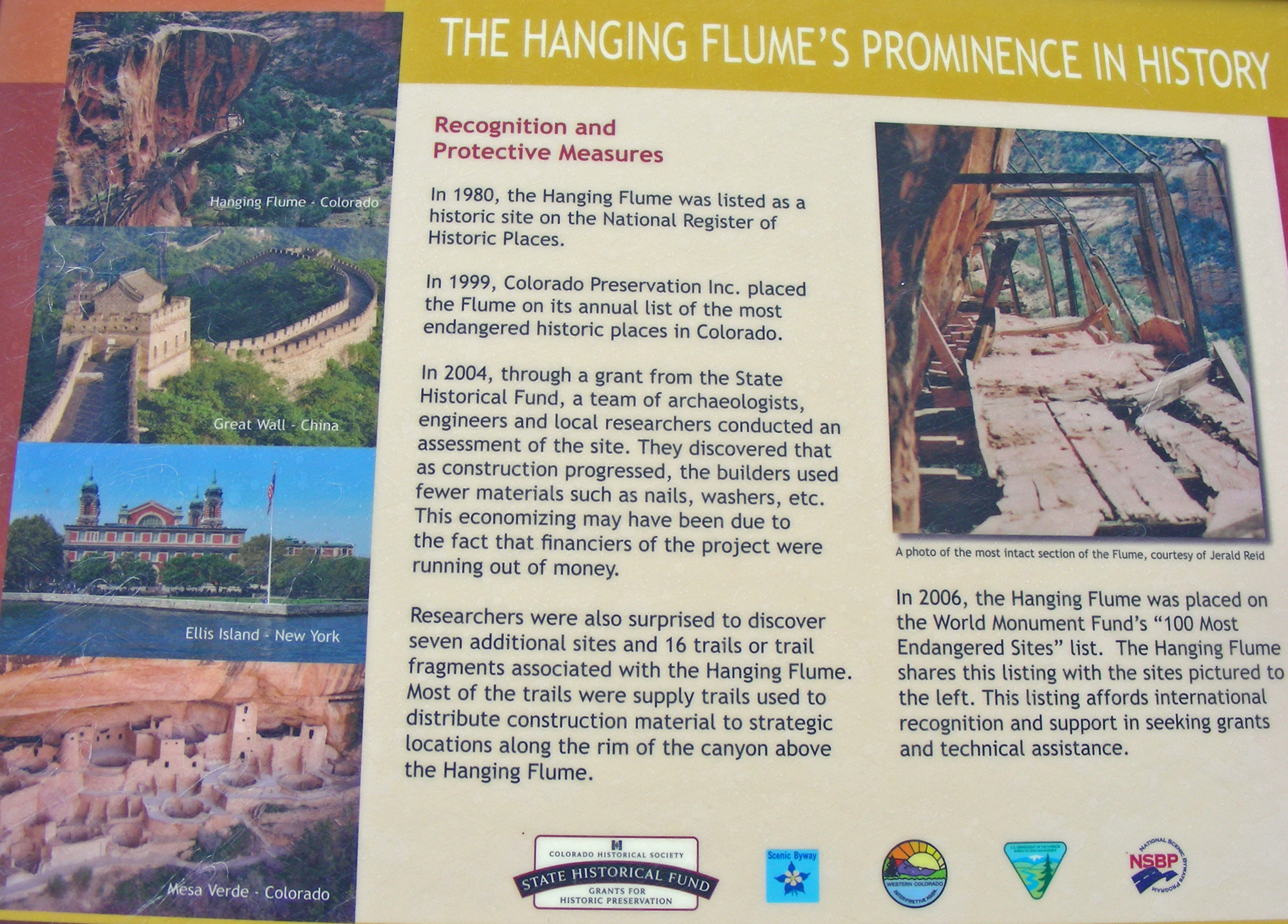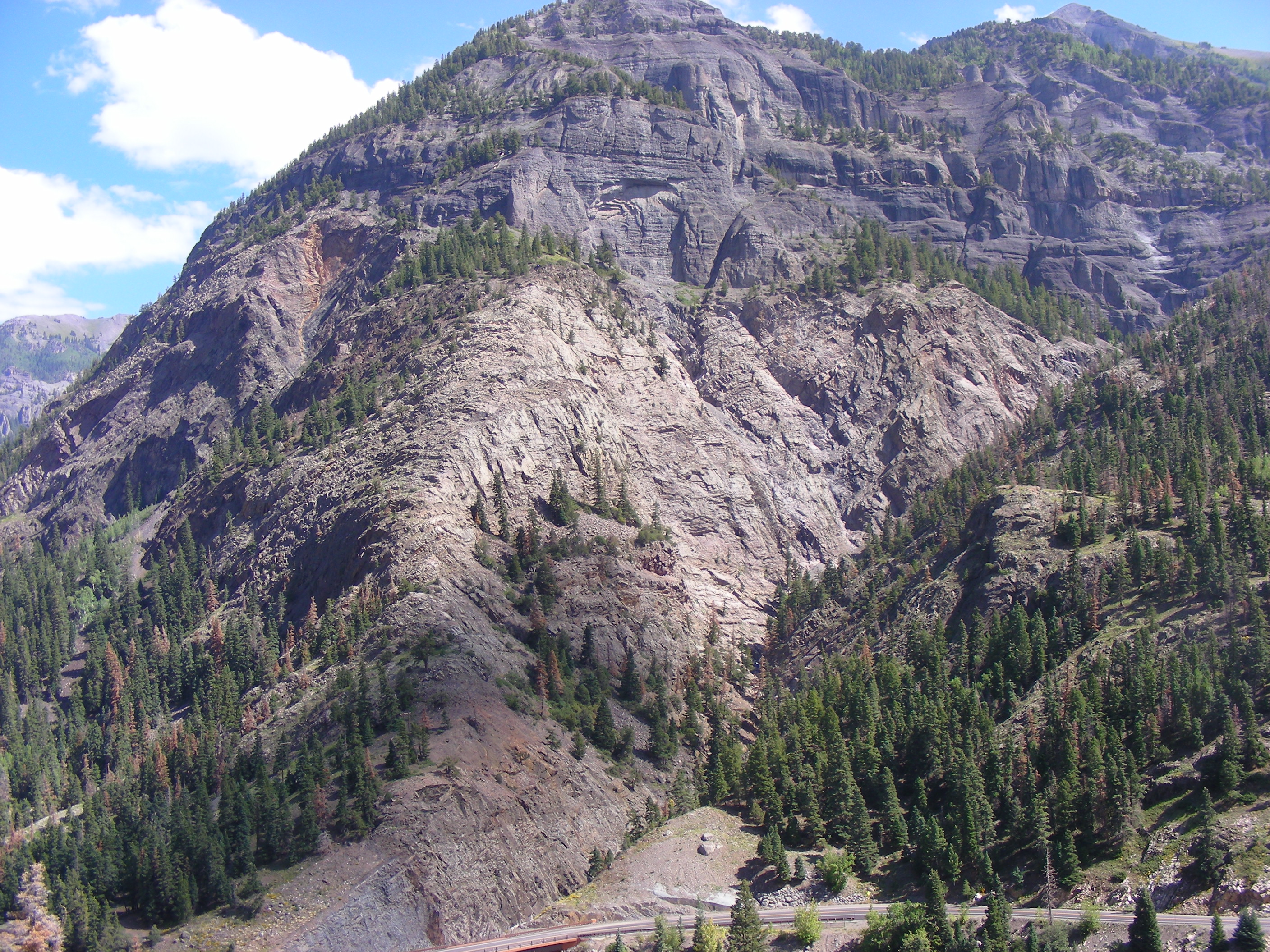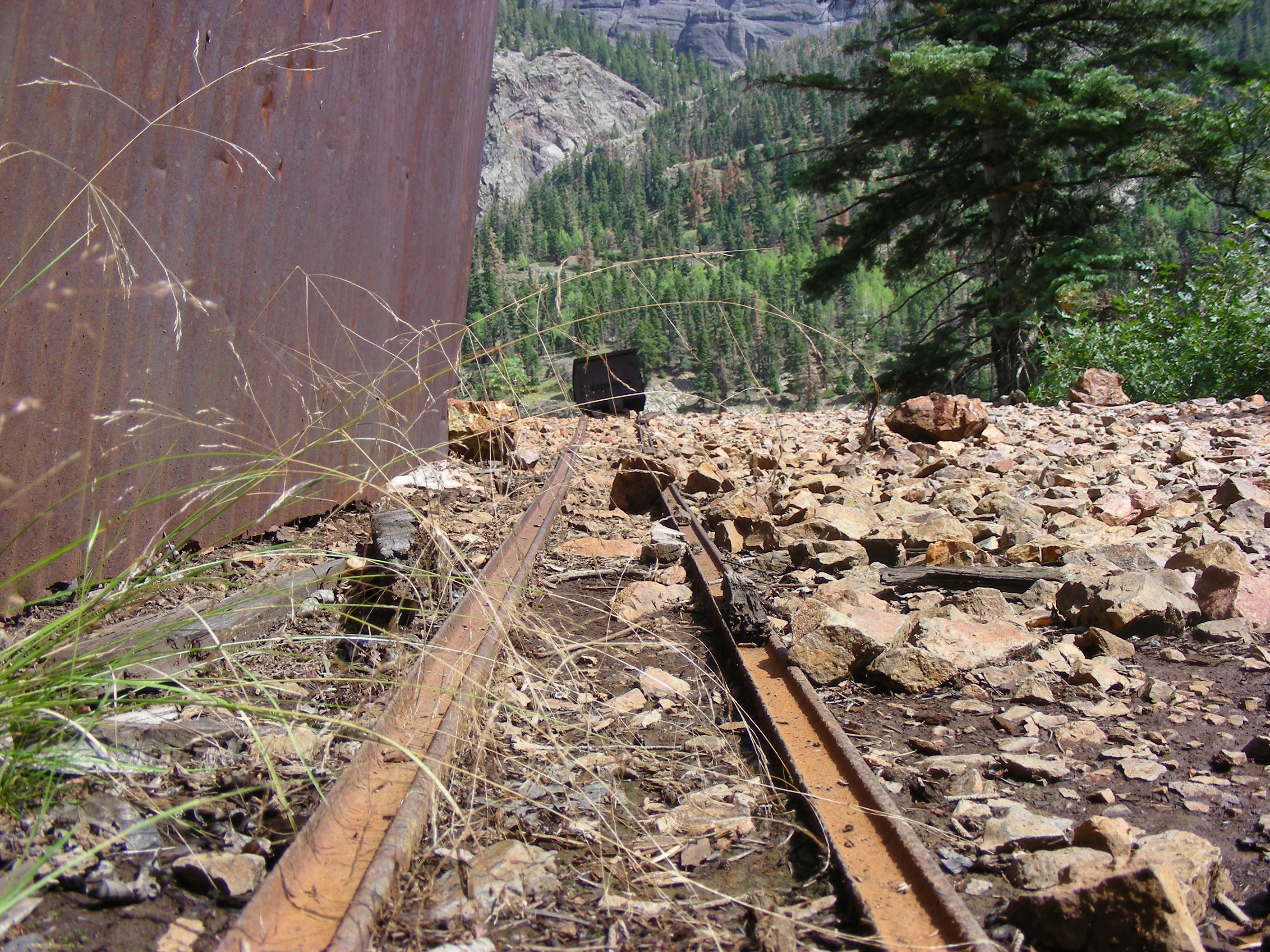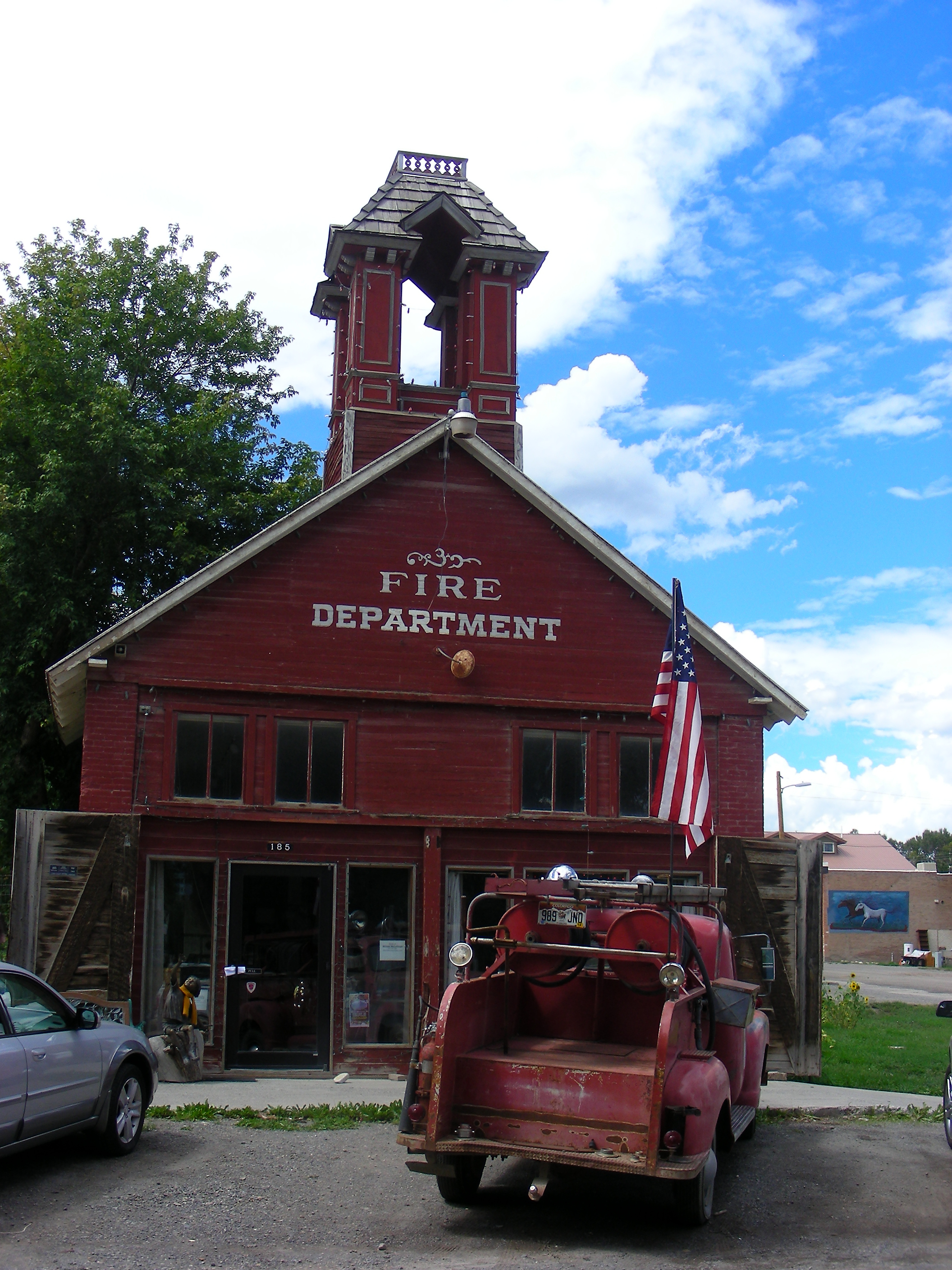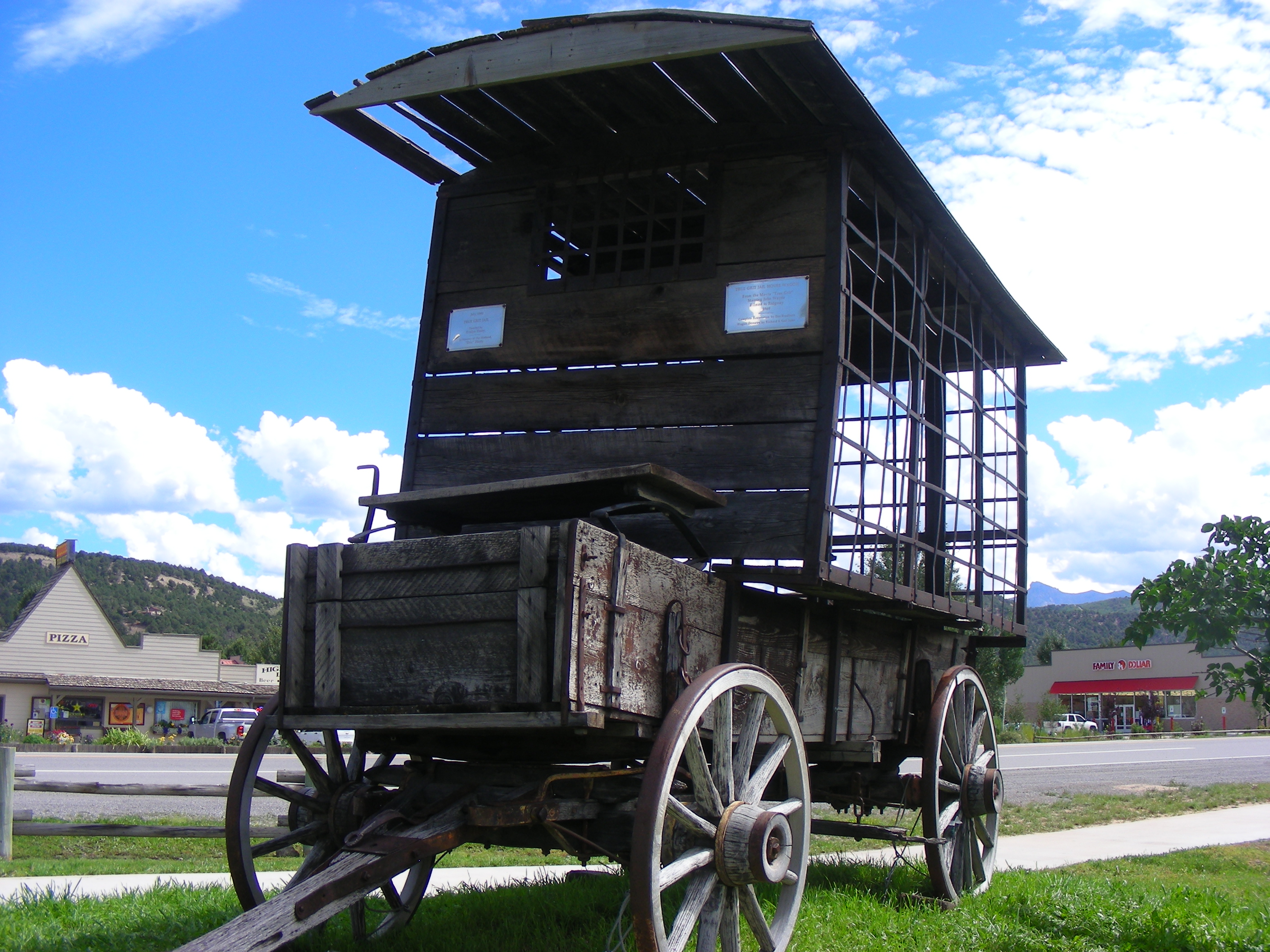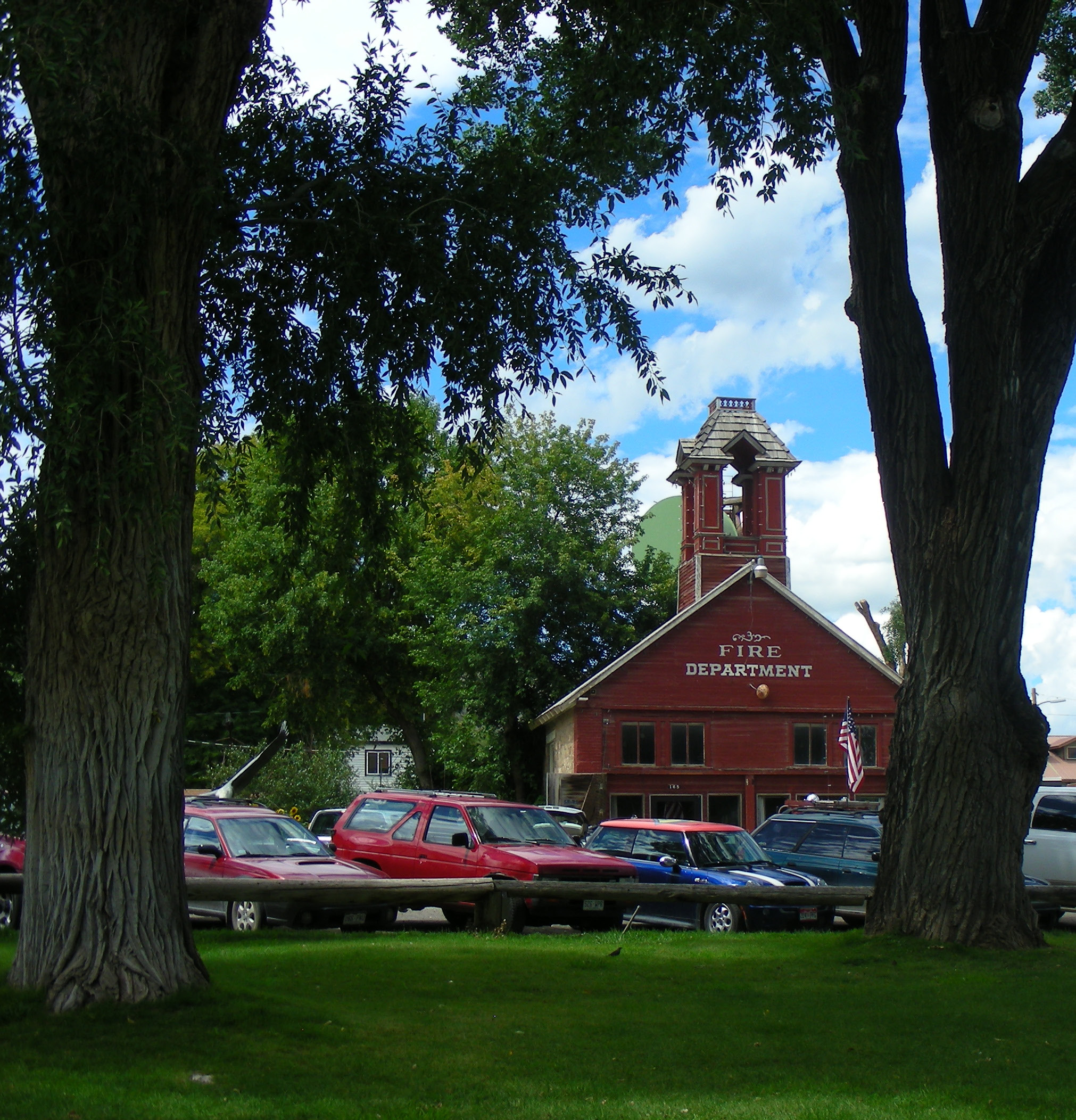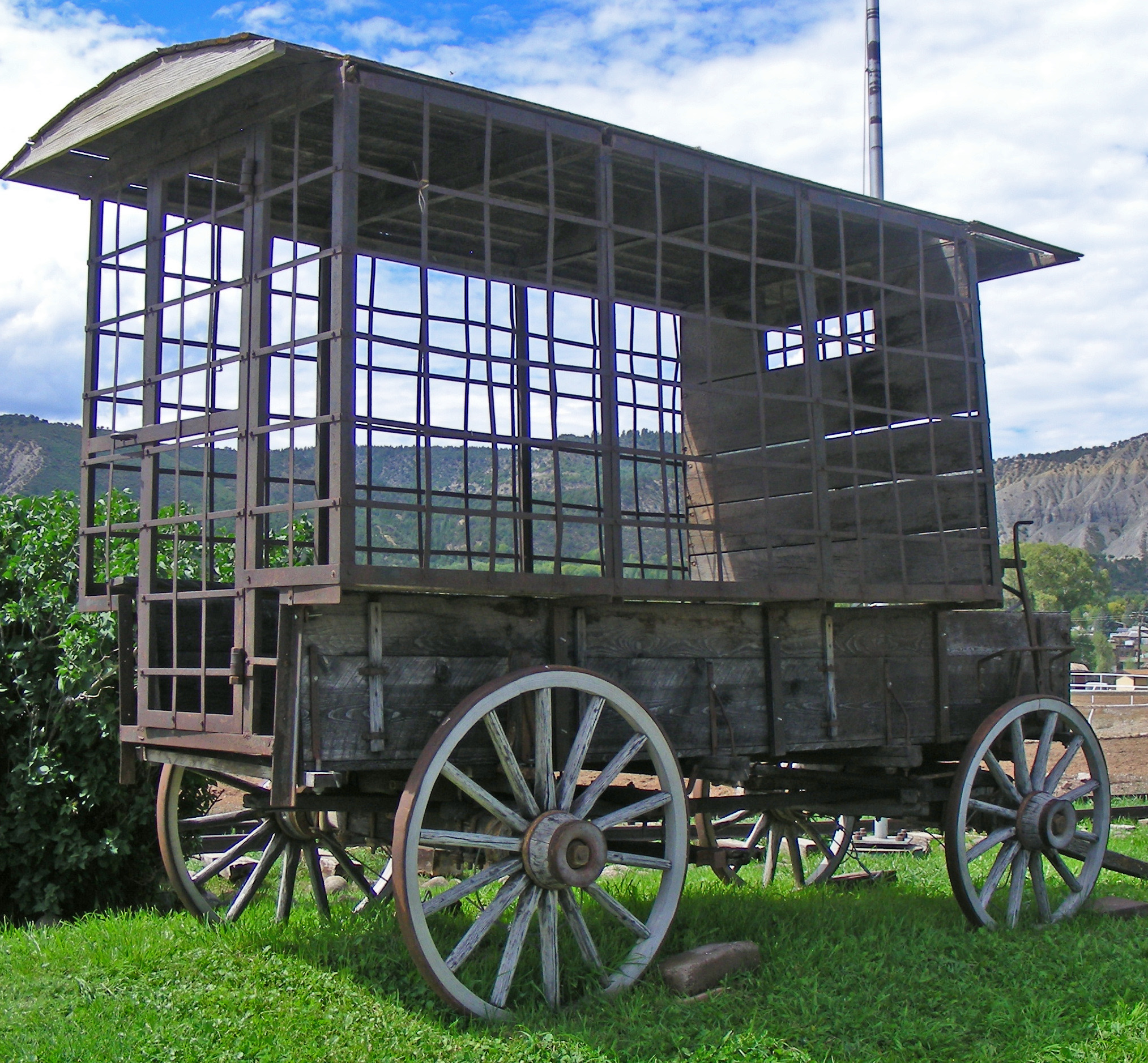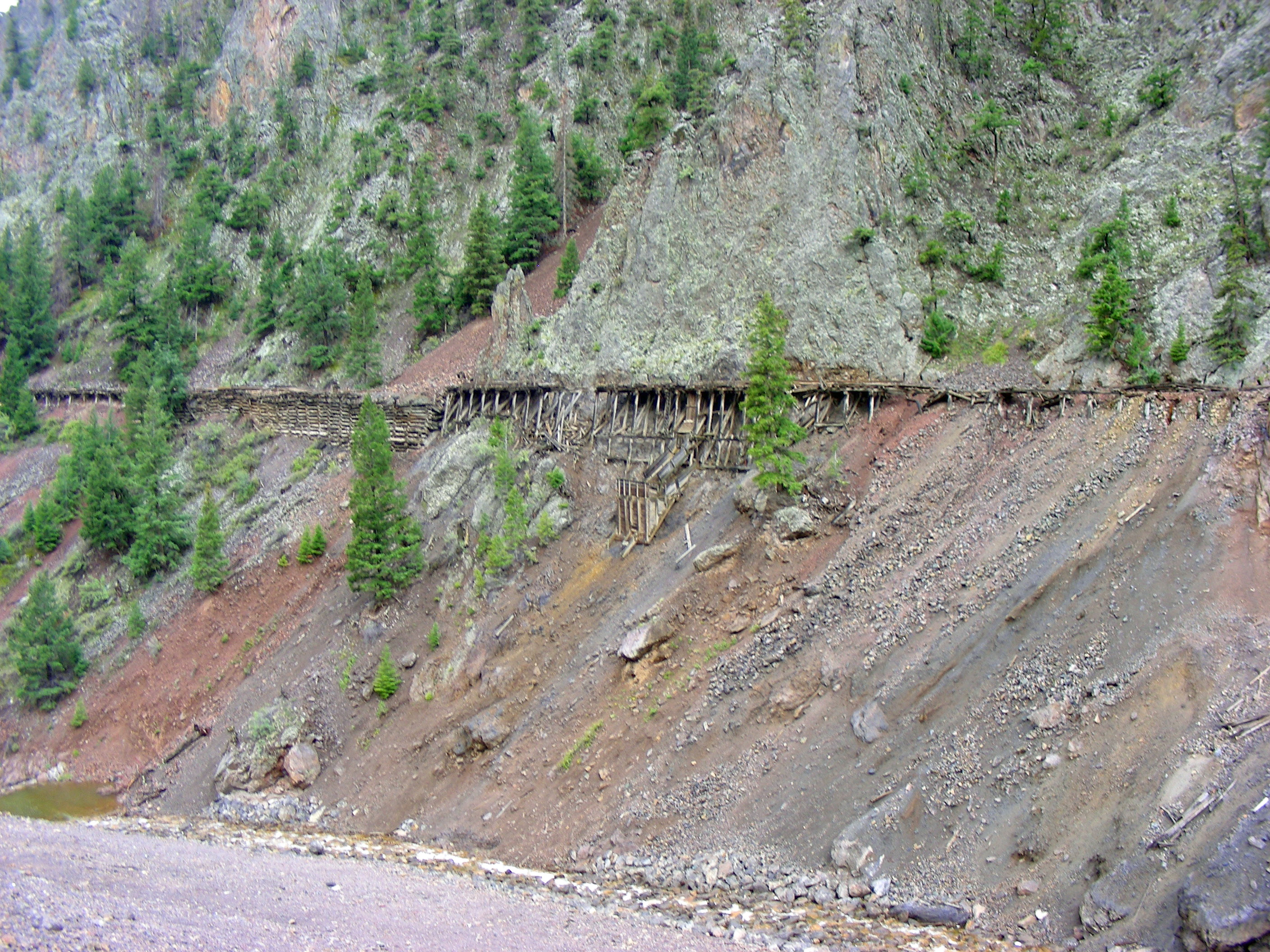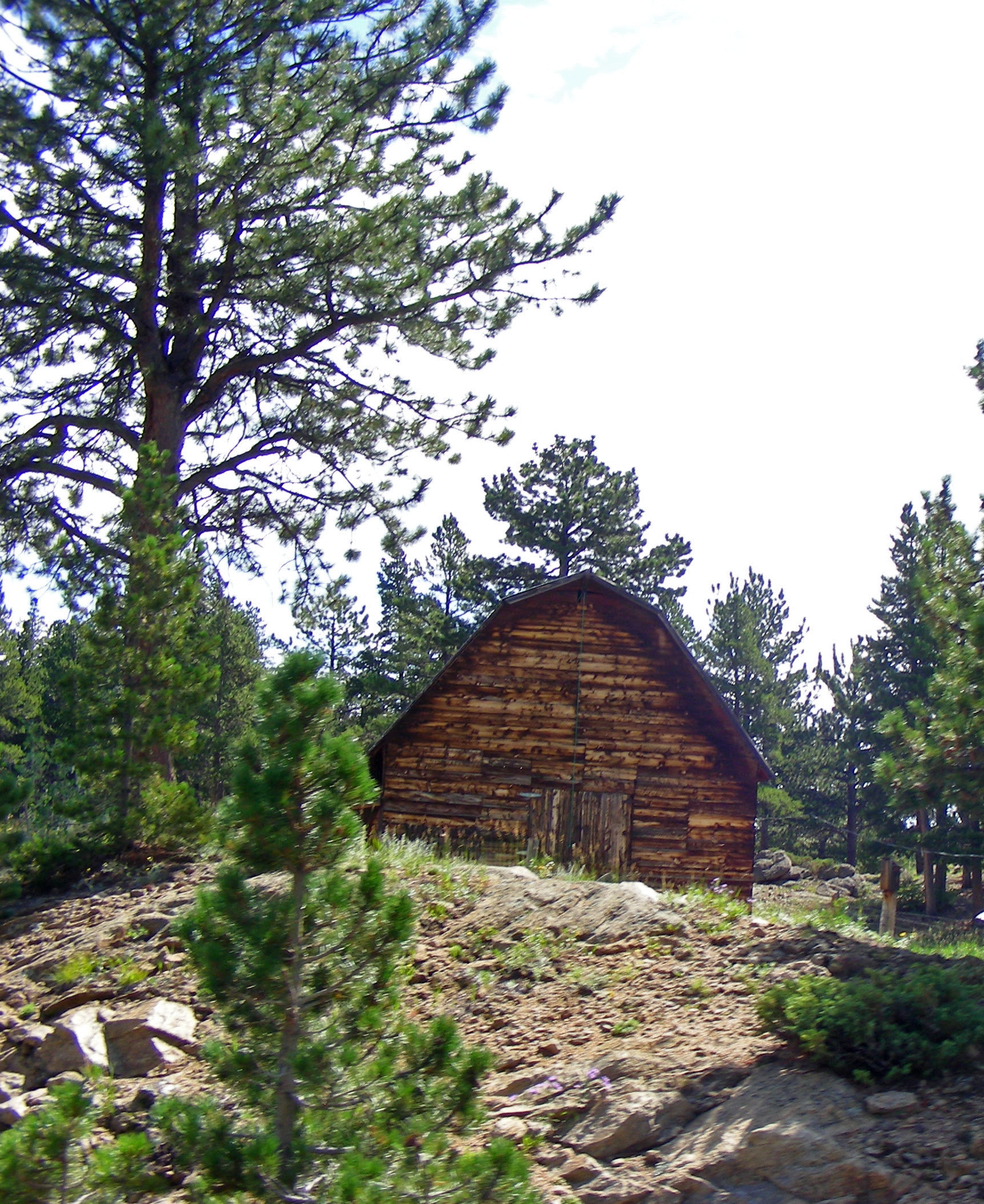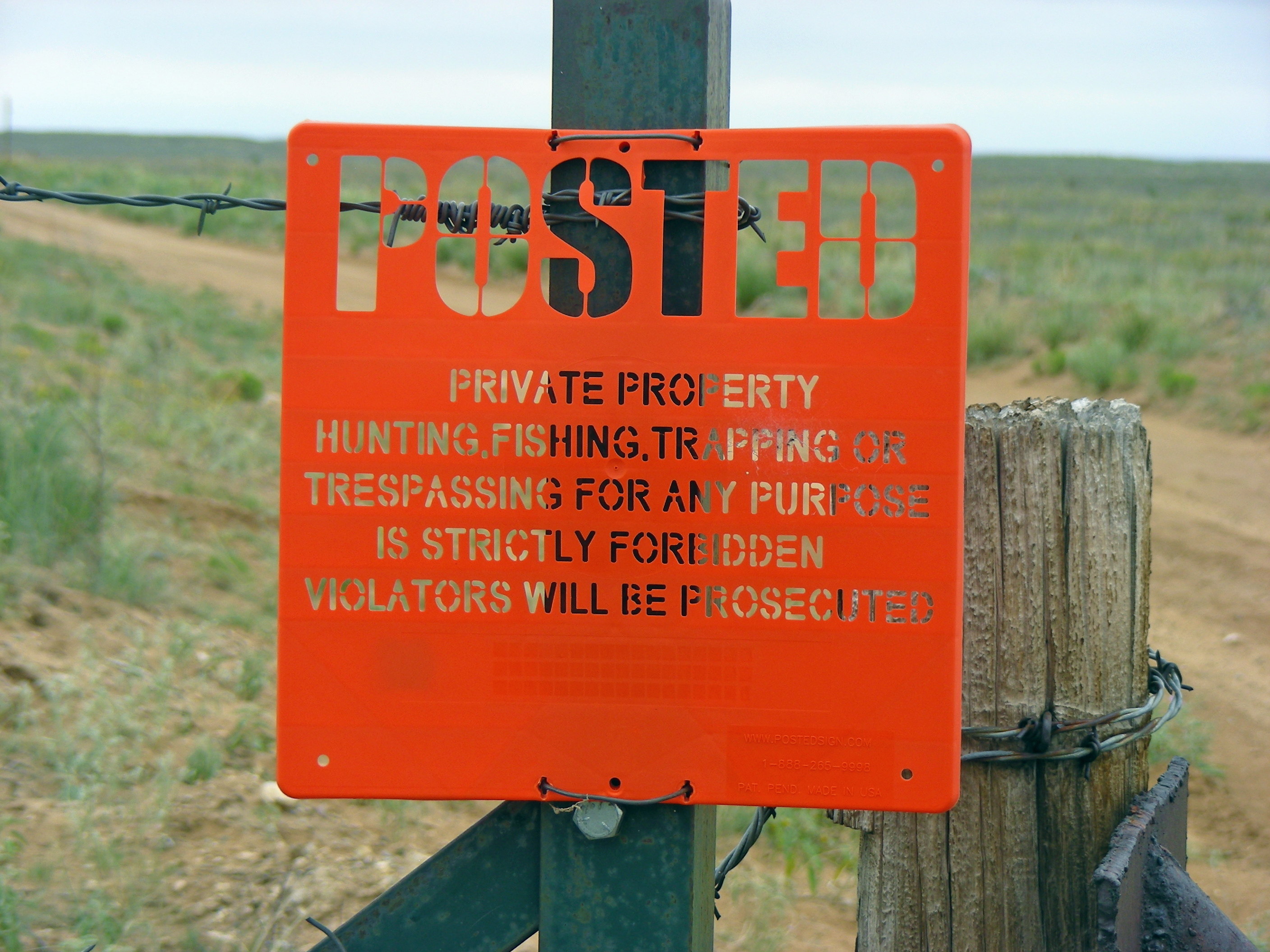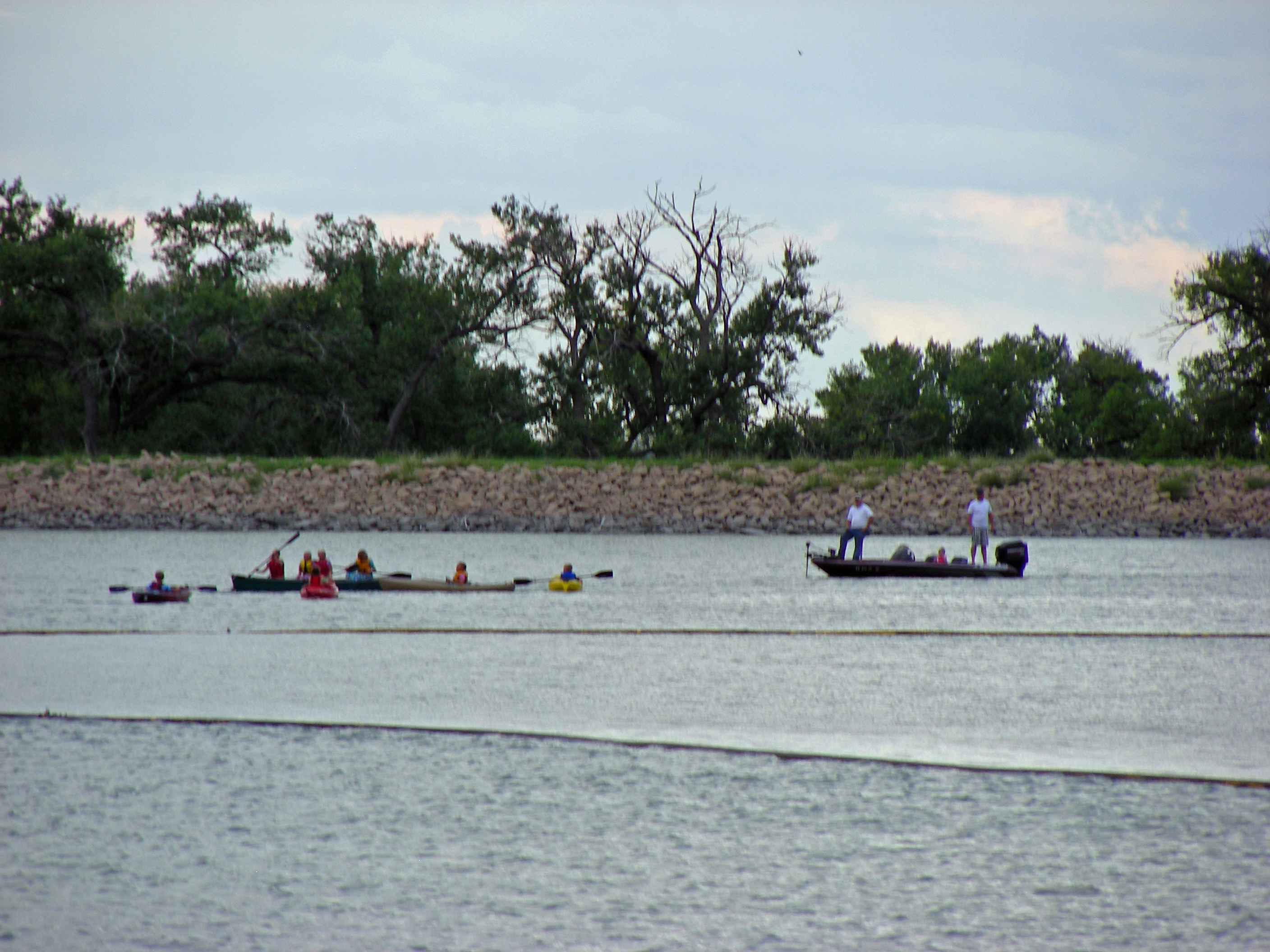






This is the bunkhouse. You could go into most of these buildings and some had old items that were very nice. It is good to see that people left things alone, as they were, not handling delicate or sensitive things from the past…


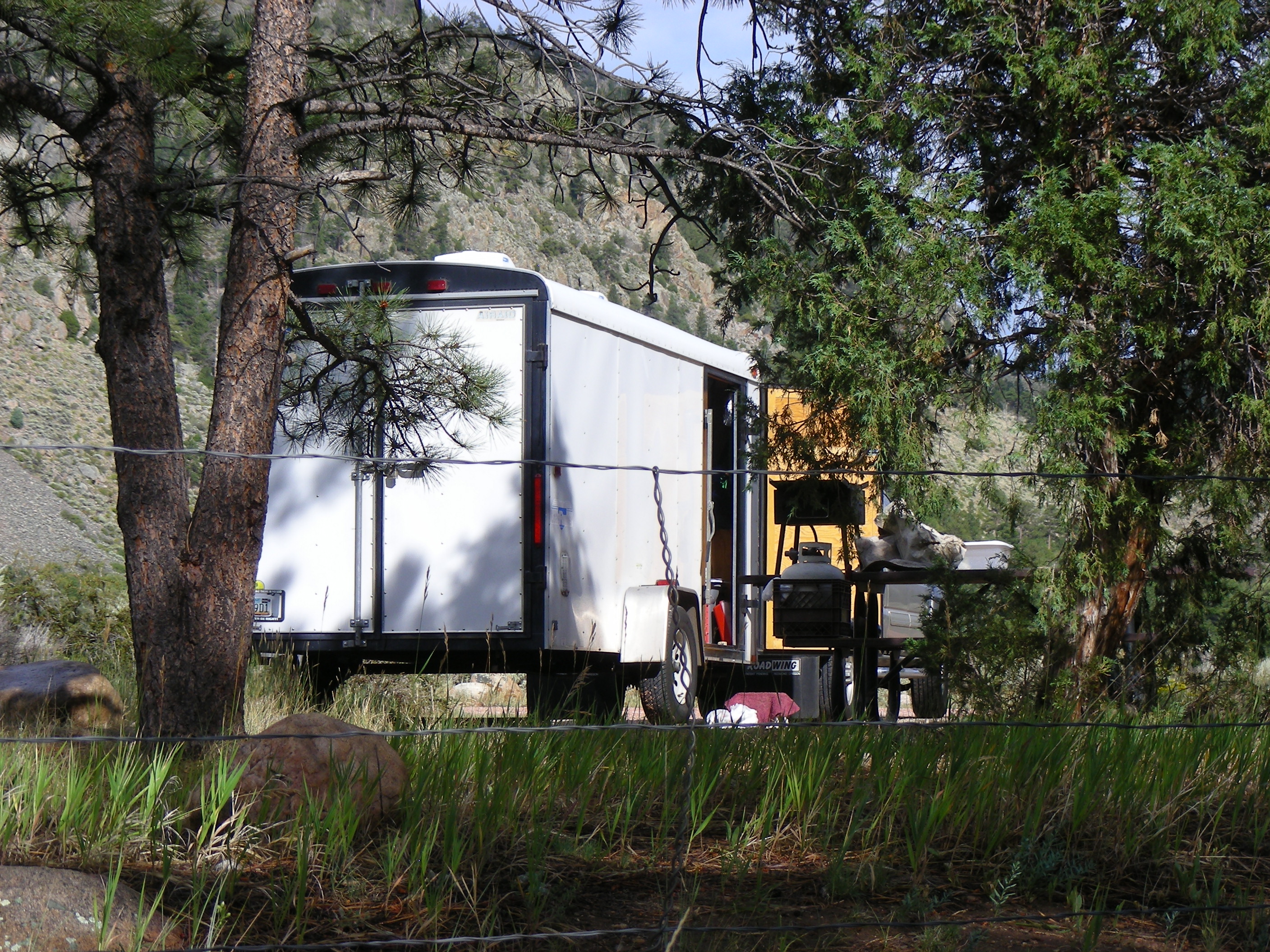
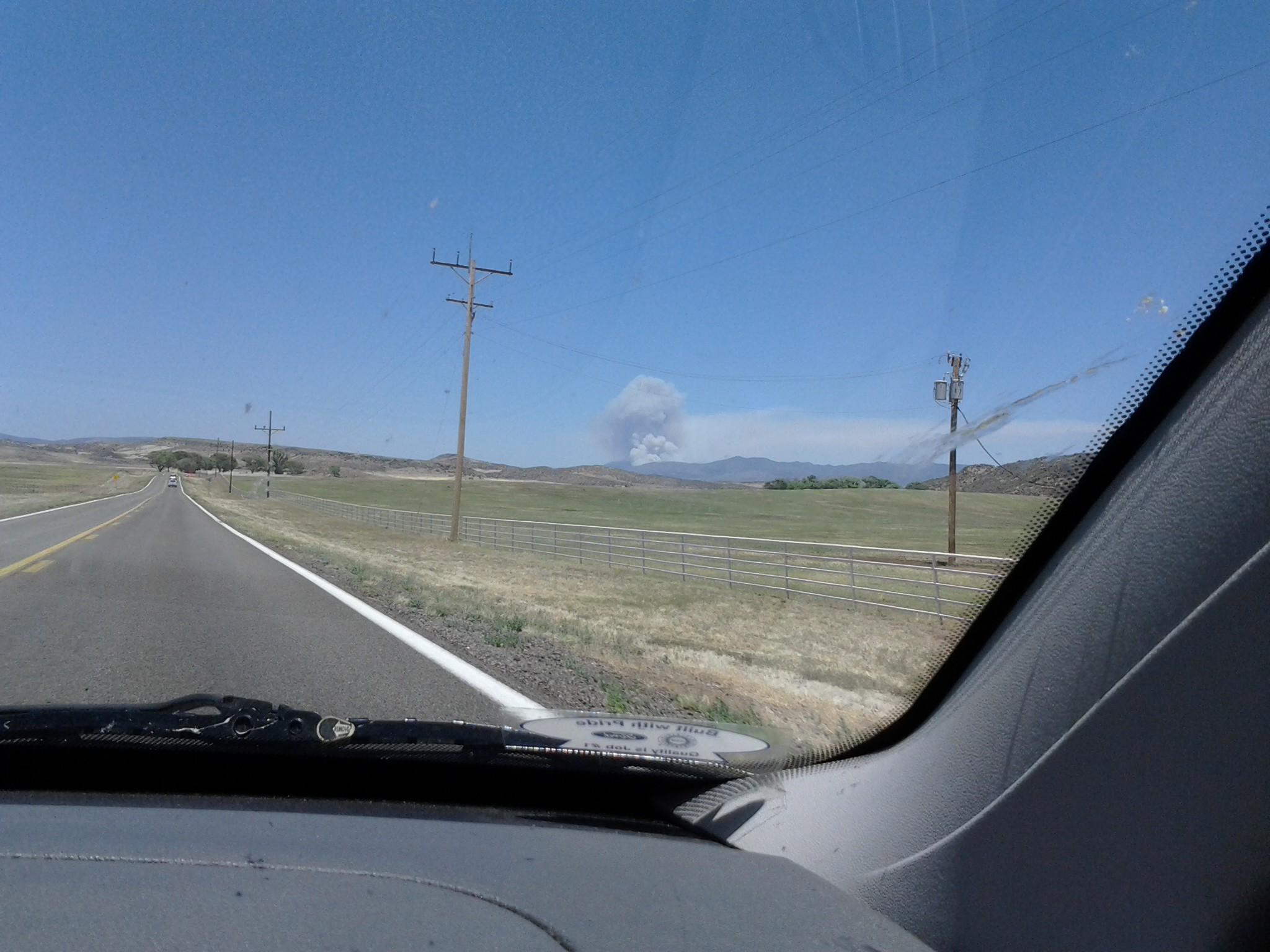
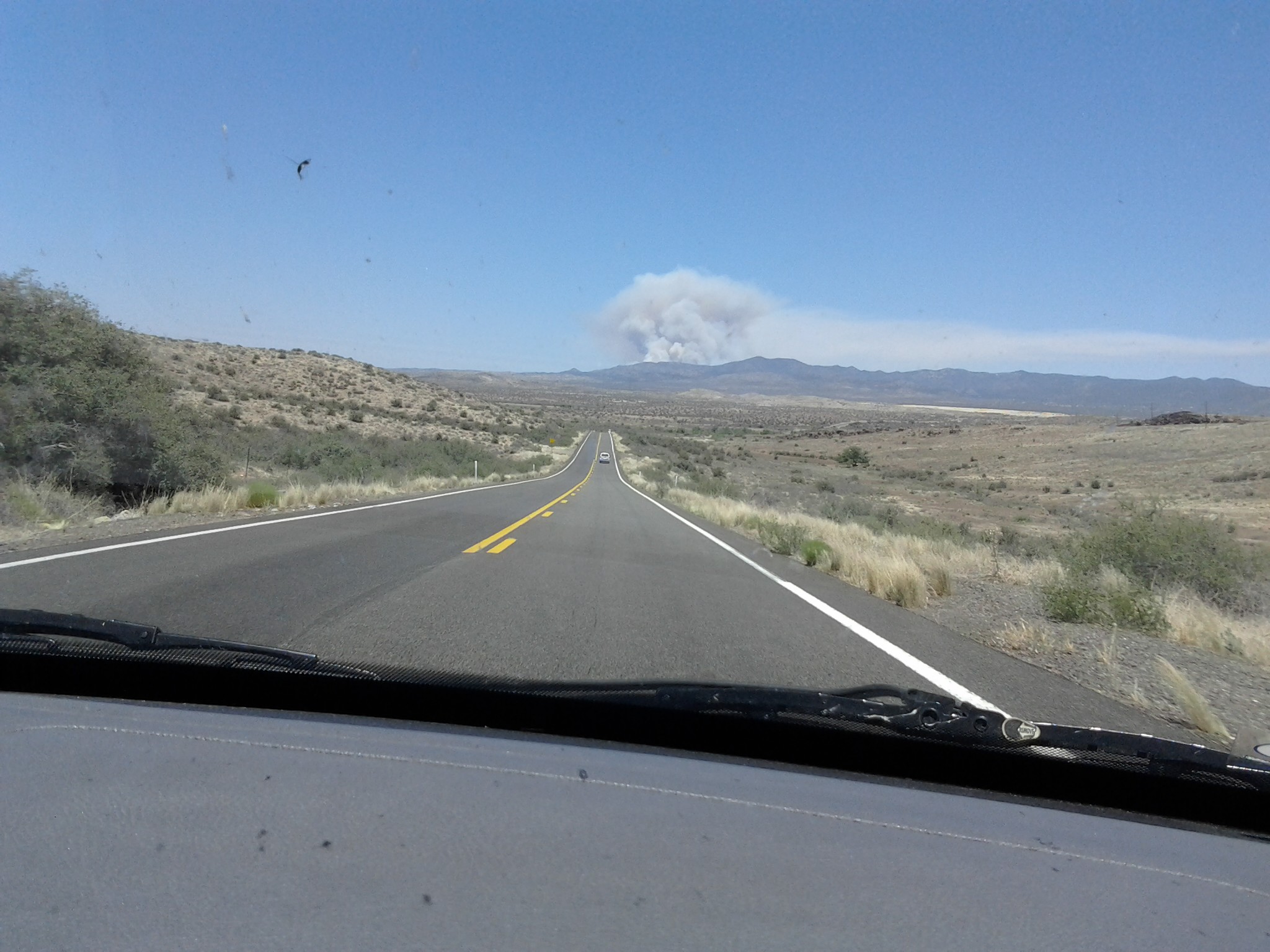
The first leg of our long-awaited travel time has finally arrived. The Lord provided unusual weather as it was sunny till we passed through Camp Verde and then rain on and off till reaching New Mexico and then, rain like heavy rain, like covering highways with water and mud rain. We just made it into our no-fee camp site, thank you Uncle Sam. Food and drink always taste better consumed away from home and in the wilderness. We had fish, which we normally eat grudgingly


, but not that meal. It was great, the best fish we have ever eaten!
That’s right, by me. I told our daughter that she should start a blog as a food critic. She knows the business well and eats out often. But she has refused so I have some photos and will do my very first and probably my last.


Famous last words from my buddy Bruce on changing the rear tire on my dirt bike. He talked me through the whole thing in less then 3 minutes. Then left for Colorado. Months went by and many rides on a semi bald tire. One day after failing to climb a steep hill we call round mountain, I thought enough is enough, time to man-up and put new rubber on the rear. The tire looked so good sitting in shed, I looked at it with admiration every time I set foot in my shed. By this time I could not remember a thing that Bruce had told me except, “No problem, you can do it.” So I did what every guy would do, no, not duct tape the tire on, but , youtube. I watched several different versions ranging from two and half minutes to seven minutes to change a rear wheel. I felt confident, it was a hot day and I now had my Dunlap rubber basking in the bright sunlight without sun screen. Well, many of the details have slipped from my mind now except for the four and half hours it took me to change it. The one bright note is that the tire has held air for two months now. I can really roost now….


Riding a dirt bike is a lot of fun, but it is not without planing and much detail. At least for me. First, I have to line up a riding partner. You do not want to go far from home by yourself. A solo ride takes much more planning as Norm needs to know exactly where I will ride or I have to stay close enough to walk, or worse case, crawl home. Fortunately I have a reliable fella (Tucker Nixon) that is eager to ride. My scheming begins usually the night before. Questions need answers. Where will we ride (usually always my decision)? Mental list of gear to not forget. A written checklist would be useful, but that seems beyond my capabilities at this time. The items- water, with ice, mulititool, two knives, cell phone (Mostly there is no reception, but it does give a guy a warm and fuzzy feeling if you have it with you), glasses (for reading and close up repairs), tool bag, with minimal tools and extra fuel, (my bike is fuel challenged), and a GPS, not for finding our way, but to keep track of how many miles we traveled, how much actual moving time (for me to keep track of the hours that have been added to my engine for maintenance purposes), the average speed (moving) for the ride, and the highest speed attained in the dirt (fun factor, no real purpose). The next thought is what to wear. I have two new pieces of gear, thanks to my buddy, Bruce. I usually wear a hodge-podge of old and new, green or blue or white, or some combination of colors. The day of the ride begins early, I need extra time to put all my gear on and check the bike out for trail worthiness. After fuel and tire checks, the what to wear begins, a twenty minute affair. First to go on are what my son Paul and I affectionately refer to as monkey-butts. These are a must wear item that are a pair of biker shorts that have a padded butt. Enough said about that. Next are my boot socks that go all the way to the knee. Usually have some company logo at the top. I have not purchased new socks for over ten years. It is a good thing they last a long time and that my feet don’t grow anymore (same for boots). Next are my foam knee pads/supports. I never had bad knees and I don’t know why I ever started wearing them, but they make my knees feel good. Now comes knee/shin guards. A plastic hard type of material that has been very useful as I find myself on my knees often, and not for the right reason either. Now I am ready to pull my riding pants on. They are a thick, padded, colorful piece of gear that make me look really fast. Now comes the biggest challenge, putting my boots on. This pair I have now are very comfortable, once I get them on correctly. I used to have a pair that really hurt to walk in and made me look like the Frankenstein monster, staggering around like I was intoxicated. The nice boots have a Velcro connection at the top and 4 long buckles strategically located along the two foot of its length. I have found that the Velcro has to be just right for the buckles to connect. I have a good friend (Bruce Sass, master dirt biker) that has boots that are so comfortable and the price of new boots with that thought be frightening, uses duct tape to keep them going. I am so glad that they now make duct tape that is in color. I have some on my car and it looks good. When my boots get old, I plan to use duct tape to make them last. The rest of the gear goes on quickly.



Chapter 4. vs. 1. Jonah was just not a little mad, he was a lot mad. He really did not want salvation and God’s grace to come to the Gentiles. The reason for his running from God in the first place. Jonah becomes like the elder son from Luke 15: 25-31.
vs. 2. Jonah is angry and bitter. He is not a happy camper at all.
vs. 3. People die for a lot of reasons, but wishing you were dead is not one of them. Jonah has been through the ringer, emotionally and physically, and now he is at his very rock bottom. Two prophets in scripture wanted to die. Do you know who the second one was? Elijah, following a physical and emotionally demanding experience, fleeing from Jezebel, crawled under a tree and asked God to let him die (1 Kings 19:4). A lot of us can relate to these two great men of God.
vs. 4. Dr. G. Douglas Young has given us what I believe is a much better translation here. He has translated it like this: “Is doing good displeasing to you?”—that’s what God meant. God says, “Jonah, I have saved Nineveh because I’m in the saving business and I save sinners. I wanted you to bring them the message of judgment to see whether or not they would turn to Me. If they turned to Me, I would save them. They did turn to Me, and I have saved them.” My friend, if there is joy in heaven over one sinner turning to God, they must have had a real big time up there when all the folk in Nineveh turned to God. God asks Jonah, “Is this displeasing to you that I have saved these Ninevites?”
McGee, J. Vernon.
vs. 5. Jonah still did not trust the Ninevites, so he took the high ground to the east so he could keep his eye on them. He thought they would go back to sinning and he wanted to be there to see the firestorm that the Lord would deliver to the Ninevites. Jonah made a shack to sit in the shade and wait out the forty days. Do you have to love people before bringing the Word of God to them? God is now going to move in the life of Jonah.
vs. 6. “The Lord prepared a plant.” Miracle number 8 of 10. God prepared the gourd or plant just as He prepared the great fish. Same thing, God prepared. At long last, Jonah is happy, he has a gourd. We all do the same thing. We can get attached and love something that is other than human. Jonah probably talked to his gourd. He had no one else, or nothing else.
vs. 7. God prepared a worm. Miracle number 9 of 10. Worms love gourds too, just not in the way Jonah did. Worms love to eat gourds.
vs. 8. Miracle number 10. “God prepared a vehement east wind. This would be a hot scorching wind, called a ‘sirocco.’ Again Jonah goes to ‘wishing ‘ something.
vs. 9. The only thing Jonah cared about was the gourd and now it is gone, and he wants to give up again.
vs. 10. God tells Jonah that the gourd is nothing. Jonah did not create the gourd or sustain it to life. Plants and animals are nice, but not as nice or as important as human beings that need to be told about the judgement and love of God. If they are our loved ones or they are ones we hate, we need to speak the Gospel. Catherine Booth, the wife of William Booth, founders of the Salvation Army, quote, “You are not here in the world for yourself. You have been sent here for others. The world is waiting for you!”
vs. 11. What does it mean 120,000 persons cannot discern their right hand from their left? Children. With that many kids Nineveh could have had a population of more than 600,000 people. God is saying to a great many people today, “I want you to go and take the Word of God to those who are lost.” And they say, “But I don’t love them.” God says, “I never asked you to love them; I asked you to go.” I cannot find anywhere that God ever asked Jonah to go because he loved the Ninevites. He said, “Jonah, I want you to go because I love them. I love Ninevites. I want to save Ninevites. And I want you to take the message to them.”
McGee, J. Vernon. “No answer being returned, it may be reasonably supposed Jonah, was convinced of his sin and folly; and, to show his repentance for it, penned this, narrative, which records his infirmities and weaknesses, for the good of the church, and the instruction of saints in succeeding ages.” John Gill.
Jonah, a lesson in service.
1. Disobedient, chapter 1. 1-11.
2. Afflicted, chapter 1. 12-17.
3. Praying. chapter 2. 1-9.
4. Delivered. chapter 2. 10.
5. Recommissioned. chapter 3. 1-3.
6. Powerful. chapter 3. 4-9.
Resources: Dr. J. Vernon McGee
John MacArthur
Matthew Henry
John Gill
John Wesley
The Evidence Bible
Halley’s Bible Handbook

Chapter 3. This chapter could be titled, “The God of the second chance.” Our God is the God of the second chance!
vs. 1. “The word of the Lord came a second time.” Not too many companies, businesses, or any one of us would give anyone a second chance, but God will and He will give us more than one. Thank You, Lord! This book will teach us how God will treat us when we slip into sin. God’s grace!
Now we are going to see how God is gracious to a sinful city. This is a record of perhaps the greatest revival in the history of the world; that is, what we call a revival—people turning to God. What happened in Nineveh makes the Day of Pentecost look very small. A few thousand turned to God on the Day of Pentecost, but there were several hundred thousand in the city of Nineveh who turned to God. There has never been anything quite like it—an entire city turned to God! No one else has ever seen that happen. The apostle Paul never stayed in a city until everyone was converted; he just preached the Word and moved on to the next town. No one from that day down to the present has seen such a moving of the Spirit of God as took place in Nineveh so long ago.
It is interesting to note that all this happened in Nineveh before the church arrived on the scene, and the greatest revival of all time will take place after the church leaves the earth. You see, God is simply not dependent upon the church. If you have the notion that the church or your church or your group are the only ones God has ever had in mind, I say to you very candidly that it is a false notion. God has something even bigger in mind than the church. Now the church is to be the bride of Christ and will, I think, occupy the very closest place to the Son of God throughout eternity, but God had a purpose in mind before the church got here and even before man appeared on this earth. God was not sitting around, twiddling His thumbs and waiting for man to come along, my friend!
Today His purpose is to call out a people from every tribe, tongue, and nation. We believe that we are coming to the end of the age and that God wants the Word to go out so that everyone might hear. However, the greatest revival, the greatest turning to God, is yet in the future, and the story of Nineveh is just a small adumbration of that.
McGee, J. Vernon.
vs. 2. Jonah is the only prophet actually sent by God to preach repentance in a foreign land.
vs. 3. Notice that now Jonah is following God’s instructions, he is in obedience. “An exceedingly great city, a three day journey.” Exceeding great – Nineveh was the greatest city of the then known world, it was greater than Babylon, whose distance was three hundred eighty – five furlongs, but Nineveh was, four hundred and eighty. It is said, Nineveh’s walls were an hundred foot in height, the walls broad enough for three coaches to meet, and safely pass by each other; that it had fifteen hundred towers on its walls, each two hundred foot high, and one million, four hundred thousand men employed for eight years to build it. Of three days journey – To walk round the walls, allowing twenty miles to each day’s journey.
vs. 4. How did Jonah draw a crowd to get his message across to the Ninevites? What do you think? Maybe it was his appearance after being in the belly for three days and nights. It might have been that his walk around the city. Why forty days? Might come from Moses’s forty days in the Sinai. Though a short message, it was sufficient for God’s work.
vs. 5. This is a real good example of no matter how weak or reluctant the servant, God can still use that servant effectively to get His message out. The repentance of this huge city and large amount of people could have only been a miracle from God. Simply put, this is all God has ever asked of any of us, all people, to just believe in Him. The Ninevites by faith, produce works, they fast and put on sackcloth. Notice it says from the greatest to the least, from the rich to the poor.
vs. 6. When someone starts doing these sorts of things (Sackcloth and ashes), they are not committing sins any longer. If we ask God for mercy, we will find that He is a God of mercy. Reports of the miracle of Jonah may have been circulating throughout the city, or it was his appearance (skin color) from being in the great fish.
vs. 7. It was a Persian custom that the animals mourned as well as the people.
vs. 8. The strangest thing happened—the whole city turned to God! Now that was remarkable; in fact, it was quite amazing. From the king on the throne to the peasant in the hovel, they all turned to the Lord. They cried mightily to God, and they believed God. What a glorious, wonderful time this was!
McGee, J. Vernon.
vs. 9-10. God repents. To repent means to change your mind; that is what it means when it applies to me. When I repent, I change my mind. I did something wrong, and I now see that it was wrong. I turn from it, and I go to God and ask forgiveness for it—I come over on God’s side. To confess your sin is to come over and agree with God about your sin.
But does God repent like that? Does He change His mind? Does He say, “My, I made a mistake there; I shouldn’t destroy Nineveh”? No. We need to see that the city of Nineveh had two options when this man Jonah entered it with his message of judgment. They could reject God’s message, they could ignore it, they could pay no attention to it, and if they did, they would be destroyed—God’s never changed that. Or they could accept God’s message, they could turn to Him, and God would deliver and save them. God is immutable—He never changes. When His Word is rejected, when people turn from Him, they are lost. But when they turn to Him, He will always save them, regardless of who they are.
Therefore, who changed? Did God change? No, but it looked as if He did. Jonah had said, “Yet forty days, and this city is going to be destroyed. God is going to destroy it.” But God did not destroy Nineveh. Did God break His Word? No. God is the same yesterday, today, and forever. The city had two options. If they had not accepted His Word, they would have been destroyed. But they did accept God’s message, they believed God, and they turned from their wickedness. God didn’t change; He will always save people when they turn to Him. Although it looked as if God changed, it was really the city of Nineveh that changed, and that makes all the difference in the world.
McGee, J. Vernon.
vs. 10. Is miracle number 7, “God saw their works…they turned from their evil way.”
Chap. 2 vs. 1. Some put a great deal of emphasis upon the word then—“Then Jonah prayed unto the Lord his God out of the fish’s belly.” The assumption is that this means after he had been in the fish three days and three nights, then he prayed. This is not what it means. It is characteristic of the Hebrew language to give the full account of something and then to go back and emphasize that which is important. This same technique is used in Genesis concerning the creation. We are given the six days of creation, and then God goes back and gives a detailed account of the creation of man, adding a great deal. It means that now Jonah is going to tell us the story in detail; he is going to tell us what really happened inside the fish.
In verses 2-6 we could have insight into the suffering of our Savior. The waters of the wrath of God surrounded Him as His soul was offered for sin. The crown of thorn He put on because of the Genesis curse. Jesus told us that He went into the heart of the earth, the pit of death, (Matt. 12:40).
vs. 2. What stands out most to you from this verse? God heard Jonah’s prayer! His affliction was two sided, the whale or great fish on one side and fleeing from God on the other.
vs. 3-4. As Jonah describes what is happening to him, he acknowledges that it has come as judgement from God. In Jonah chapter 1:3, we learned that Jonah ran from God, here he realizes that the Lord has expelled him temporarily. “Then I said, I am cast out of thy sight”—Jonah is speaking of death. “Yet I will look again toward thy holy temple.” Jonah believed that he would be raised from the dead. He had been brought up on the Old Testament, and I think that Jonah was one of the many in the northern kingdom who faithfully went down to Jerusalem to worship in the temple. The Israelites knew that Solomon’s temple was the place to worship the living and true God. Jonah says, “I’m going to look again toward thy holy temple. God will raise me up again.”
vs. 5. My soul describes Jonah’s total person, spiritually and physically.
vs. 6. “I went down to the bottoms of the mountains; the earth with her bars was about me for ever.” In the old English, this is the way that death was spoken of. “The earth with her bars was about me for ever”—Jonah is speaking of the bars of death, and that is the meaning of this translation.
“Yet hast thou brought up my life from corruption, O Lord my God.” “Corruption” is death. The apostle Peter so used this word on the Day of Pentecost when he said that the Lord Jesus did not see corruption (see Acts 2:25–31). The miracle about the Christ is that when He died He did not see corruption—His body did not corrupt. That is the difference between Jonah’s experience and our Lord’s experience. Jonah did see corruption. Apparently his body began to decay in those three days and three nights. “Yet hast thou brought up my life from corruption.” What we have here, in my judgment, is a definite statement by Jonah that he died. The miracle here is resurrection, and that is a much greater miracle than for a man to live for three days inside a fish. It is very important that we have a book in the Old Testament which teaches the resurrection of Jesus Christ. The Resurrection and the death of Jesus are the two pillars that the church stands on.
vs. 7. Jonah’s soul got wet and his soul fainted with him.
vs. 8. Vanity means emptiness, that which is empty or vain, really just a dream that will never come to pass.
vs. 9. What would be in your heart if you were dead for three days and then were vomited onto dry land? Jonah’s vow was probably that he would go to Ninevah and follow God’s instruction. Does God deal with us this way today? Does God judge us and chastise us for things we should have done or learned? “Salvation is of the Lord.” The most important statement in the book of Jonah. Salvation is always God’s work for us and never our work! God had to do it because all we have is imperfection. Salvation can be thought of in three parts. The past, present, and future. 1. “I have been saved.” John 5:24. 2. “I am being saved.” Eph. 2:8-10. We are His workmanship. We need to continue to grow in the knowledge and grace of our Lord Jesus Christ. 3. “I will be…” 1 John 3:2. “The world has yet to see what God can do with a man that has fully yielded to Him.” Henry Varley. We should not get discouraged with one another, God will continue to work with us until the end.
vs. 10. “It’s hard to keep a good man down.” “Even a fish couldn’t digest Jonah, the back sliding prophet.” Just as God calls the stars, He speaks to the animal world. Numbers 22:28-30.
Chap.1 vs 1. Jonah here is identified as a prophet. His name means “dove” and his Dad’s name means truthful or loyal.
vs. 2. Jonah receives his orders directly from the Lord. Nineveh, the capital city of the Assyrian empire. Note that God identifies it by its wickedness. A great city filled with a great wickedness. (Read note Nah. 1:1).
vs. 3. What has just been recorded here? This is the first time that a prophet did not listen and obey God’s commission. Jonah actually heads 180 degrees from the way God instructed him to go. God said go east and tell, so Jonah heads west and says nothing. Why would Jonah do such a thing? 1. Jonah hated the Ninevites and there was no way he wanted them to be saved. 2. The message was one of judgement, but Jonah knew God so if the Ninevites repented He would save them (refer to #1). 3. Jonah is a prophet in rebellion. He is much like the prodigal son in the N.T. He is running from God and God will deal with him in the fourth chapter. 4. Final reason, this was not God’s method in the Old Testament. Sending missionaries to other countries is not what God wanted. God located Israel in the middle of the then known world. All other people had to pass through the location of the temple built to the living God. The Jewish people were to witness to all. (For example, the Queen of Sheba came from the ends of the earth to Israel. Why did she come? She had heard how they worshiped and, when she got there, she found that there was an altar there for sinners. That was the thing which brought her to a saving knowledge of God. If you read the historical record, you will find that not only did she come but also the kings of the earth came to hear the wisdom of Solomon. During that brief period, Israel did witness to the world; they witnessed not by going out as missionaries but by the world coming in to them.
We are given only the one example of the Queen of Sheba in the Old Testament. In the New Testament we have the examples of one son of Ham, one son of Japheth, and one son of Shem who were converted—the Ethiopian eunuch, Saul of Tarsus, and Cornelius, the Roman centurion. Although we are given only these examples, there were literally thousands and, later, millions who were led to Christ.
vs. 4. Notice that God sent this wind, a miracle. No ordinary storm, but a ‘hurled’, ‘a mighty wind’ from the Lord. A supernatural storm very similar to the storm from Mark 4:38. In Psalms 137:7 it says, “He brings the wind out of His treasuries.” Miracle #1 of 10 found in this book, “the Lord sent out a great wind on the sea.”
vs. 5. These sailors were experienced and they knew they were facing an unusual sized and intense storm. Some believe that when a man is in sin that he will be a miserable dude. Does Jonah seem miserable? Jonah is out of the will of God and trying to get as far away as possible, but he seems quite content. These sailors are going through their “god” list and Jonah is sleeping!
vs. 6. The captain orders Jonah to do two things. 1. “Get your slag-butt up, 2. pray to your God for us to have favor, I want to cover all my bases, just in case your God is the One.” Jonah comes up on deck and sees the storm first hand.
vs. 7. When all else fails, they cast lots to determine who is responsible for this storm. Do you remember Proverbs 16:33? “The lot is cast into the lap; but the WHOLE disposing thereof is of the Lord.” Miracle #2 of 10, “the lot fell on Jonah.”
vs. 8. If Jonah talked with the crew before this, he did not say much about himself. Now, Jonah is under the interrogation spotlight and is getting grilled. Jonah is no witness for the Lord, God’s prophet, out of the will of God.
vs. 9. Jonah, under the spotlight, spills his guts and comes clean. “II am an Hebrew.” This is the name that Gentiles would know, Hebrew. The Israelites were known for worshipping one God, being monotheistic. Jonah goes on to tell them that God was the Creator of the sea and the dry land. “I fear the Lord.” What does the “fear of the Lord” mean? Psalm 19:9 tells us. It means to have a reverential trust, with a hatred of evil.

vs. 10. As a result of Jonah telling his story, the men ask, “Why hast thou done this?” Is this a question that an unsaved person could ask of us on judgement day? Or, someone that has known you for some length of time, and you never witnessed to them, of let them know that you are a Christian. This is a very big question and parallel of the story of Jonah with our individual story. Did God tell us to do something and we made a 180 the other way? This has the potential to be very embarrassing. Jonah probably was.
vs. 11. This is a difficult decision for the men and they want Jonah to make it.
vs. 12. It seems hard to understand for us, that Jonah would rather die then do what God wants him or told him what to do. He would rather die than go to Nineveh!
vs. 13.The answer to saving their lives has been given by Jonah, but just like sinful men who are presented with the Gospel, to be saved by simple faith, they try to save themselves. By guilt and pride they are driven to works of righteousness that cannot save them. So what happens? The storm continues to grow. Form a human perspective, these sailors look good, even better than Jonah. They want to save all on board and work hard to do so.
vs. 14. the hope of saving themselves is gone, when all hope is gone, they will now turn to the mercy of God. To trust in the sinless Saviour, they cry out, “Not my will, but Yours be done.” Matt. 26:39.
vs. 15. This shows the sailors who is in control of this world! Miracle #3 of 10, “the sea ceased from its raging.”
vs. 16. The”fear of the Lord” is the beginning of wisdom. What god did these men fear? The one true God of the Hebrews. The Creator of the sea. The sacrifice points to one thing, the Christ the Son of the Living God! Here is some good news from this, vows are made to the Lord. In a strange way Jonah has witnessed to these men and they believe in the one true God.
vs. 17. The type of fish is not known. The Hebrew word for whale is not used here, the Greek word for whale used in Matthew 12:40 means ‘great fish.’ The important thing to remember is that God prepared a great fish to rescue Jonah. Miracles #4 and 5 of 10 “the Lord had prepared a great fish”, “to swallow Jonah.” There is some debate as to whether Jonah was alive three days or dead for those three days.
Jonah is the book of the Bible which perhaps has been criticized more than any other. Unfortunately, many Christians thoughtlessly cast aspersions upon this important book in the canon of Scripture without realizing that they are playing into the hands of the critics and innocently becoming the dupes of the skeptics. You hear even Christians say, when they hear a tall story, “My, that’s a Jonah!” What they really mean is that it is something that is hard, or maybe even impossible, to believe.
In warfare the tactic of the enemy is always to feel out the weak spot in the line of the opposition and to center his attack at that vantage point. Judging by this criterion, many critics have evidently come to the conclusion that the Book of Jonah is the vulnerable part of the divine record. This book is the spot where the enemy has leveled his heaviest artillery. As a result, the average Christian today feels that this is the weakest of the sixty–six links in the chain of the Scriptures. If this link gives away, then the chain is broken.
Is the Book of Jonah “the Achilles’ heel” of the Bible? It is if we are to accept the ridiculous explanations of the critics. The translators of the Septuagint were the first to question the reasonableness of this book. They set the pattern for the avalanche of criticism which has come down to the present day. The ancient method of modernism is to allegorize the book and to classify it with Robinson Crusoe and Gulliver’s Travels. Today liberalism uses the same tactics. They make of it an allegory, saying that actually it never took place at all.
Some of the extravagant theories of the critics are so farfetched and fantastic that they are almost ridiculous. It is much easier to believe the Book of Jonah as given than to believe their explanations of it. I would like to pass on to you some of these outlandish explanations of the Book of Jonah:
1. Some critics, without a scrap of evidence to support their claim, say that Jonah was the son of the widow of Zarephath.
2. There are some who have put forth the theory that Jonah had a dream in the ship while he was asleep during the storm and that the Book of Jonah is the account of his dream.
3. Some relate the Book of Jonah to the Phoenician myth of Hercules and the sea monster. There is no similarity at all and, again, they are reaching for an explanation.
4. Another group holds that, although Jonah was a real character and did take a ship to Tarshish, a storm wrecked the ship. Then after the storm and shipwreck, Jonah was picked up by another ship on which there was a fish for its figurehead, and that gives support for the record in the Book of Jonah. I can well understand that if Jonah had been picked up after the storm, he might have been unconscious for awhile. I can also imagine that he might have felt like he was in a fish at that time. But I’m of the opinion that after recovering, on about the second day, Jonah would have come to the conclusion that he was on a ship and not inside a fish!
5. Still others resort to the wild claim that there was a dead fish floating around and that Jonah took refuge in it during the storm. This group has a dead fish and a live Jonah. Before we are through with this book, I am going to turn it around and say that what we have is a live fish and a dead Jonah.
Therefore, liberalism largely takes the position that the Book of Jonah is nothing in the world but an allegory, that it is merely a fairy story to be put in the same category as Aesop’s Fables. The producers of these speculations claim that the Book of Jonah is unreasonable, and they bring forth these theories to give credence to their story. It would be very interesting indeed to get Jonah’s reactions to their “very reasonable” explanations.
We must dismiss all of these speculations as having no basis in fact, no vestige of proof from a historical standpoint, and as having existence only in the imaginations of the critics. It can be established that Jonah was an historical person, not a character from mythology. It can be ascertained on good authority that the account is accurate. And it can be shown that the message of the book is of utmost significance even for this crucial time in which we live.
Jonah is an historical character and the author of this book. I want to turn to an historical book, 2 Kings, where we read: “In the fifteenth year of Amaziah the son of Joash king of Judah Jeroboam the son of Joash king of Israel began to reign in Samaria, and reigned forty and one years” (2 Kings 14:23). As far as I know, no one has ever questioned that Jeroboam II lived, that he was a king in the northern kingdom of Israel, and that he reigned forty–one years. This is an historical record. We read further: “And he did that which was evil in the sight of the Lord: he departed not from all the sins of Jeroboam the son of Nebat, who made Israel to sin. He restored the coast of Israel from the entering of Hamath unto the sea of the plain, according to the word of the Lord God of Israel, which he spake by the hand of his servant, Jonah, the son of Amittai, the prophet, which was of Gath–hepher” (2 Kings 14:24–25, italics mine). Jeroboam was a real person, Israel was a real nation, Hamath was a real place, and it is quite unlikely that this man Jonah is a figment of the imagination. This is an historical record, and it is reasonable to conclude that Jonah is an historical character.
It is begging the point to say that this is another Jonah. It is not reasonable to believe that there were two Jonahs whose fathers were named Amittai and who were both prophets. This is especially evident when it is observed that the name of Jonah was not a common name; after all, Jonah is not like our American surname of Jones! The only times that the name occurs in the Bible are in this reference in 2 Kings, in the Book of Jonah itself, and in the New Testament references to that book. There is only one Jonah in the Bible, and he is an historical person.
It is quite interesting in this regard to compare the case of Jonah with another of the prophets, Obadiah. As far as I know, no critic has ever questioned the existence of a man by the name of Obadiah who wrote the Book of Obadiah; yet there is not one historical record in either the Old or New Testament concerning Obadiah. The liberals accept Obadiah, but they reject Jonah. Why? Because they want to deny the miracle that is recorded here.
We have an historical record of Jonah in the Old Testament, and we also have one in the New Testament given by the greatest authority who has ever lived on this earth, the Lord Jesus Christ. He personally gave authenticity to the historical character of Jonah and to his experience in the fish. We read in Luke 11:30, “For as Jonas was a sign unto the Ninevites, so shall also the Son of man be to this generation.” Then in Matthew 12:39–41 we read: “But he answered and said unto them, An evil and adulterous generation seeketh after a sign; and there shall no sign be given to it, but the sign of the prophet Jonas: for as Jonas was three days and three nights in the whale’s belly; so shall the Son of man be three days and three nights in the heart of the earth. The men of Nineveh shall rise in judgment with this generation, and shall condemn it: because they repented at the preaching of Jonas; and, behold, a greater than Jonas is here.”
The moment you question the historical record of the Book of Jonah, you question the credibility of the Lord Jesus Christ. It is very strange to hear the liberal say, “Jesus was the greatest teacher that ever lived,” since one of the marks of a great teacher is that what he teaches is accurate and truthful. If Jesus is a great teacher, my friend, then His authentication of the Book of Jonah has to stand.
I want to conclude this section in which I have attempted to meet the objections of the critics by quoting the late Sir Winston Churchill on the subject of the inspiration of the Scriptures:
We reject with scorn all those learned and laboured myths that Moses was but a legendary figure upon whom the priesthood and the people hung their essential social, moral and religious ordinances. We believe that the most scientific view, the most up–to–date and rationalistic conception, will find its fullest satisfaction in taking the Bible story literally, and in identifying one of the greatest human beings with the most decisive leap forward ever discernible in the human story. We remain unmoved by the tomes of Professor Gradgrind and Dr. Dryasdust. We may be sure that all these things happened just as they are set out according to Holy Writ.
Jonah was a prophet, but his little book is not a prophecy—that is, there is no prophecy of the future recorded in it. It is, instead, a personal account of a major event in the life of Jonah; as the narrator, he tells us his experience.
This narrative carries two great messages. We have here in miniature a picture of the nation Israel in the Great Tribulation period, a picture of how God will preserve His people, the 144,000 who are sealed in the Book of Revelation. We also have here a marvelous teaching concerning the resurrection of Jesus Christ. This book is actually prophetic of the Resurrection. The Lord Jesus Himself said that just as Jonah was a sign to the Ninevites, He also would be a sign to His generation in His resurrection from the dead.
The Book of Jonah is not a fish story, and that is something which really disturbs the gainsaying world which makes a great deal of how impossible it is to believe it. This book is a picture of a man who was raised from the dead, and of a throne in the midst of which “stood a Lamb as it had been slain.” This Lamb is a resurrected Lamb, and a Christ–rejecting world will some day cry out, “… hide us from the face of him that sitteth on the throne, and from the wrath of the Lamb” (Rev. 6:16).
Sometimes the literary excellence of this brief brochure is lost in the din made by the carping critics. It is well to recall the tribute paid by Charles Reade, the English literary critic and author, who wrote, “Jonah is the most beautiful story ever written in so small a compass.” It is well to keep in mind that we have before us a literary gem, not a fish story.
Another salient point that I want to make is that the fish is neither the hero of the story nor the villain of the story. This book is not even about a fish, although the fish does become very important. The chief difficulty is in keeping a correct perspective. The fish is merely window dressing and cake trimming. In every play there are certain props and settings. It does not really matter whether Hamlet is played against a black, red, blue or white backdrop—that is not the important thing. In the story of Jonah, the fish is among the props and does not occupy the star’s dressing room.
In dealing with any book of the Bible, we need to distinguish between what Dr. G. Campbell Morgan calls the essentials and the incidentals. The incidentals in the Book of Jonah are the fish, the gourd, the east wind, the boat, and even the city of Nineveh. The essentials here are Jehovah and Jonah—God and man—that is what the book is all about.
Conservative scholars place the writing of the Book of Jonah before 745 b.c. The incidents took place about that time. Some even place it as early as 860 b.c. In my judgment, it seems best to place it between 800 and 750 b.c. Students of history will recognize this as the period when Nineveh, founded by Nimrod, was in its heyday, when the Assyrian nation was the great world power of the day. That nation was destroyed about 606 b.c. By the time of Herodotus, the Greek historian, the city of Nimrod had ceased to exist. When Xenophon passed the city, it was deserted, but he testified that the walls still stood and were 150 feet high. Historians now estimate they were 100 feet high and 40 feet thick. Nineveh, as we are going to see, was a great city, and we are told as much here in the record.
The brevity of the Book of Jonah is apt to lead the casual reader to the conclusion that there is nothing of particular significance here except the diatribe about the whale that swallowed Jonah. (The Greek word for whale is kêtos, meaning “a great sea monster.” Although it could have been a whale, I do not think it was—for the Scripture tells us that a special fish was prepared.) But the Book of Jonah has four very brief chapters, and it is only a little more than twice as long as the Book of Obadiah, which is the shortest book in the Old Testament. Because it is very brief, we are apt to pass over it. However, we should not call any of these books “minor” prophets, for each is like a little atom bomb, just loaded with power and with a program of God.
There are six significant subjects which are suggested and developed in the Book of Jonah which make it very relevant for us today:
1. This is the one book of the Old Testament which sets forth the resurrection of Jesus Christ. All of the great doctrines of the Christian faith are set forth in certain books of the Old Testament. For instance, the Book of Exodus sets forth redemption. The deliverance from sin for the sinner who comes to Christ is illustrated in that book. In the Book of Ruth you have the romance of redemption, the love side of redemption. In the Book of Esther, you have the romance of providence. The book of Job, I believe, teaches repentance. You can go through the Scriptures and find that the great doctrines of our faith are illustrated in various books of the Old Testament. The little Book of Jonah illustrates and teaches the resurrection of the Lord Jesus. If this book does not teach the great doctrine of resurrection, then this most important doctrine of the Christian faith is not illustrated by a book in the Old Testament. For this reason alone, I would say this is a significant book.
2. The Book of Jonah teaches that salvation is not by works, but by faith which leads to repentance. This little book is read by orthodox Jews on the great Day of Atonement, Yom Kippur. The way to God is not by works of righteousness which we have done, but by the blood of a substitutionary sacrifice provided by the Lord. The most significant statement in the Book of Jonah is in the second chapter. “Salvation is of the Lord” (Jonah 2:9). He is the author of salvation; He erected the great building of our salvation; He is the architect.
3. The third great purpose of this book is to show that God’s purpose of grace cannot be frustrated. Jonah refused to go to Nineveh, but God was still going to get the message to Nineveh. The interesting thing in this particular case is that Jonah was going to be the witness for God in Nineveh—he didn’t know he was going there, but he did go.
4. The fourth great truth in this book is that God will not cast us aside for faithlessness. He may not use you, but He will not cast you aside. There are a lot of football players sitting on the bench; in fact, more sit on the bench than play in the game. A player is called out to play only when it is believed that he can make a contribution to the game. If you and I are faithless, God may bench us; but we are still wearing our uniform, and He will not cast us aside. Anytime we want to get back in the game of life and do His will, He will permit us to do it.
5. The fifth great truth is that God is good and gracious. Read Jonah 4:2 for the most penetrating picture of God in the entire Bible. It is wrong to say that the Old Testament reveals a God of wrath and the New Testament reveals a God of love. He is no vengeful deity in the Book of Jonah.
6. The sixth and last great teaching is that God is the God of Gentiles. When God chose Abraham, in effect He said to the Gentiles, “I’m going to have to leave you for awhile because of the sin that has come into the human family. I’m going to prepare salvation for you through a man and a nation, and I’ll bring the Redeemer, the Savior, into the world through them.” Now God has a salvation for all mankind. I have written Romans 3:29 over the Book of Jonah in my Bible. Paul writes, “Is he the God of the Jews only? is he not also of the Gentiles? Yes, of the Gentiles also.” The Book of Jonah reveals that even in the Old Testament God did not forget the Gentiles. If He was willing to save a woman like Rahab the harlot, and a brutal, cruel nation like the Assyrians, including inhabitants of Nineveh, its capital, then I want to say to you that God is in the business of saving sinners.
McGee, J. Vernon: Thru the Bible Commentary: The Prophets (Jonah/Micah). electronic ed. Nashville : Thomas Nelson, 1991 (Thru the Bible Commentary 29), ix
Ten Miracles in Jonah
1. 1:4 “the Lord sent out a great wind on the sea”
2. 1:7 “the lot fell on Jonah”
3. 1:15 “the sea ceased from its raging”
4. 1:17 “the Lord has prepared a great fish”
5. 1:17 “to swallow Jonah (alive)”
6. 2:10 “the Lord spoke to the fish…it vomited Jonah onto dry land”
7. 3:10 “God saw their works…they turned from their evil way”
8. 4:6 “The Lord prepared a plant”
9. 4:7 “God prepared a worm”
10. 4:8 “God prepared a vehement east wind”


“Again may I say that I am afraid there are a great many people in the church who are caterpillars. Church members are either pillars or caterpillars; the pillars hold up the church, and the caterpillars just crawl in and out. There are a lot of people just crawling in and out of the church, waiting for some great wave of emotion, waiting for some feeling to take hold of them—and they have never done anything yet. God says that we are to get busy for Him.” Dr. J. Vernon McGee.
Chapter 2:1. “How hath the Lord.” Most of chapter 2 depicts God’s Judgement in vivid pictures. God covered the Judeans with a cloud (verse 1), withdrew His hand of protection (verse 3), bent His bow and had slain with His arrows (verse 4), and marked a line to destroy the walls that He designated (verse 8). God will work a rebuilding of Jerusalem in the future kingdom (Zech. 2:1-13). “The beauty of Israel.” Probably refers to Mt. Zion and the temple. “His footstool.” This refers to the ark of the covenant.
vs. 2. “He has thrown down.” God has done away with Judah’s defenses. This is what He told Jeremiah He would do at the beginning of Jeremiah’s ministry (Jer. 1:10).
vs. 3. “All the horn.” An emblem of power, as in animals.
vs. 5. God took full responsibility for what Nebuchadnezzar did. God allowed him to destroy the city of Jerusalem. God used him as a rod, just as He had used the Assyrians against Israel for their punishment.
Have you ever stopped to think in your own personal life why God permits certain people to cross your path? Do you wish that you had never met certain people? Are there people whom you would call your enemies? Someone may have caused you sorrow, but it is all for His purpose. God has permitted all that for a definite purpose. Learn to recognize the hand of God in your life.
vs. 6-11. Tragedy comes to everyone and everything through sin! The account of these verses mention the temple, worship, feasts and the Sabbaths, kings and priests, God’s altar and holy places, city walls, the law, and children and family.
vs. 7. The very temple which God had blessed—He had given the instructions for building it, His very presence had been there at one time—now He says, “The day came that I abhorred that temple.”
Churchgoing folk need to investigate their own lives. If you go to church, is that something that God takes delight in? Or is it actually something that hurts His cause? Is your frame of mind right when you go, or are you critical? Can the Spirit of God use you? I think that it can even be sinful to go to church. Do you know where the most dangerous place was the night Jesus was arrested? Was it down with that bunch of rascals who were plotting His death? No, my friend, the most dangerous place that night was in the Upper Room where Jesus was! Do you know why? Satan was there. He put it into the heart of Judas Iscariot to betray Him, and he also got into the heart of Simon Peter to deny Him. Just because you are going to church doesn’t mean you are pleasing God.
vs. 8. The wall is the security and strength for the Jews. A line made like unto building and also destruction, something showing what to cut off.
vs. 9. Being among the Gentiles was miserable for the Jews. The Law was not read, observed or heard of. They had just a few prophets from this time till the time of the gospels.
vs. 10. All the people went through the outward appearance of grief.
vs. 11. Look at what happened to Jeremiah! He cried so much he could not see. His insides were all torn up. It broke his heart.
vs. 12. This is where the children died, in their mother’s arms.
vs. 13. No other people at this time could be compared to what was happening to the Jewish peoples. There was no cure for their affliction. The breach or ruin is like trying to hold the sea back from rushing forward.
vs. 14. Back in Jeremiah chapter 23:16-17, and chapter 23:30-40 describes the lies and visions that the false prophets used to deceive the Jews. All this lying led to destruction.
vs. 15-16. The enemy is delighted with what has happened to the children of God.
vs. 17. God fulfills His Word, God does what He says He will. Those that were gloating should know that God will work His sovereign Will. This verse is the focal point of this chapter.
vs. 18-19. Those on the wall cry out in anguish as the breach was made by the Babylonians.
vs. 20-22. “Behold, O Lord, and consider.” The remaining verses of chapter 2 place the issue before God. Women ate their offspring- hunger became so bad that during the 18 month siege women did the unthinkable. This sort of terrible thing is listed in chapter 4:10, Lev. 26:29, Deut. 28:53, Jer. 19:9.
Chapter 3. Each one of the chapters in this little Book of Lamentations forms an acrostic. That is, there are twenty–two letters in the Hebrew alphabet, and each of the twenty–two verses in each chapter begins with the succeeding letter. However, in this chapter there are sixty–six verses, which means that there are three verses that begin with each letter of the alphabet.
Verses 1-4. Jeremiah has seen and gone through great trouble. His health is wrecked because of his concern for Jerusalem. Jeremiah was not unmoved by the destruction he had seen come to the nation. He did not run around saying, “I told you so!” Actually, he was heartbroken. His response also shows us how God feels. God is not removed; He goes with those who are His own. The Lord Jesus said, “… I will never leave thee, nor forsake thee” (Heb. 13:5). Whatever we are going through, we can be sure He is there.

Verses 5-8. “He shuts out my prayer.” Look at verse 44 of this chapter, God did not respond because of Jeremiah’s sin, he was not the guilty one, Israel was. Isarel’s continuing sin without repentance. Jeremiah knew this, that God had to do this, punishment for sin, but he still wept, prayed and longed to see the Jews repent.
Verses 9-26. If you were to give a title to these last three chapters of Lamentations, it would be, “When Tomorrows Become Yesterdays.” Jeremiah is now looking back upon the past. He had predicted the judgment that came upon Jerusalem, and Jeremiah sits in the rubble and ruin of Jerusalem weeping as he writes this lamentation.
These verses (21-26) are the only bright spot in all of the five lamentations. “It is of the Lord’s mercies that we are not consumed, because his compassions fail not. They are new every morning: great is thy faithfulness.” In spite of the severe judgment of God—and many thought it was too severe—Jeremiah can see the hand of God’s mercy. They would have been utterly consumed had it not been for the mercy of God. If they had received their just deserts, they would have been utterly destroyed—they would have disappeared from the earth.
Was Judah’s deliverance from such a fate due to something in them? No, it was all due to the faithfulness of God. He had promised Abraham that He would make a nation come from him—and this was the nation. He had promised Moses that He would put them into the land. He had promised Joshua that He would establish them there. He promised David that there would come One in his line to reign on the throne forever. The prophets all said that God would not utterly destroy this people but that He would judge them for their sin. God is faithful. He has judged them, but He will not utterly destroy them. A faithful remnant has always remained, and ultimately they will become a great nation again.
Will God judge America?
Verse 27. “The yoke in his youth.” The prophet is speaking of the duty from God, including disciplinary training, that Jeremiah had received in his youth.
Verse 29. The picture here is of submission.
Verse 30. Is this not what Jesus did?
Verses 31-47. God had a just basis for judgment. In verses 40-41 it says “turn back to the Lord. This is the solution! Repent and look for God to give relief and to restore. Verse 42, they were judged righteously for their sin, by the Lord.
Verses 48-51. “My eyes.” The sum of Jeremiah’s sorrow.
Verses 52-63. This sounds a lot like Jeremiah’s time when his enemies at the palace tossed him into a cistern (vs. 53 and Jer. 38:4-6). In verse 57, God gave him comfort, and redeemed him in verse 58 (Jer. 38: 7-13). Verses 59-63, Jeremiah pleads that justice be delivered on these enemies. “You have redeemed my life.” Jeremiah said this to help all trust in God.
Verses 64-66. This imprecatory prayer (a prayer for evil to fall on a person or in this case, a nation) for divine vengeance would be answered in Babylon’s fall (Isa. 46, 47, Jer. 50,51, Dan. 5). The ultimate answer will be the Great White Throne in Rev. 20:11-15.
“There is nothing like the Lamentations of Jeremiah in the whole world. There has been plenty of sorrow in every age, and in every land, but such another preacher and author, with such a heart for sorrow, has never again been born. Dante comes next to Jeremiah, and we know that Jeremiah was the great exile’s favorite prophet.” Dr. Alexander Whyte.
Chapter 1 vs. 1. The great city of Jerusalem has fallen. “Like a widow,” a word picture of a grieving woman, desolate. God, representing the husband, is gone. This widow picture is also used Ezek. 16:23 and Mic. 4: 10, 13. “Become a tributary” or slave, Judah was taken captive to serve Babylon as slaves.
vs. 2. All of her so-called allies that Israel had been in idolatry with had abandoned her. Lovers and friends now become enemies.
vs. 3. Judah goes into captivity as a result of disobedience. They did not follow God’s instructions concerning the land or slave ownership.
vs. 4. Zion, the mount where God dwells, where the temple was built. No more Passover, Pentecost, and Tabernacles. Priests sigh or mourn, were probably some of the last to leave. Persons of all ages, rich or poor, were bitter.
vs. 5. Here is the cause of the judgment, ‘for the multitude of her transgressions.’ Jer. 30:14-15.
vs.6-8. In verse 8 note, ‘Jerusalem hath grievously sinned’ the first explanation for the fall of the city. This is a very vivid description of the sin they had committed.
vs. 9 A graphic picture of her sin that started at her head reaches all the way to the bottom of her skirt.
vs. 10 The things of the sanctuary were pleasant things. Nations entered and spoiled these items, they looted.
vs. 11 The description of the devastated widow ends, and a plea to the Lord is given.
vs. 12 This is a description of the fierce anger of God, that most people do not like to hear today. “Is it nothing to you, all ye that pass by?” Look at how many people are passing by our land today. Do they care what is going on? All of the sin in our land boils down to a rejection of God. People and some
Christians too, don’t care and just thumb their noses at God. They pass by the Cross where Christ gave His All for all, they pass by the sin and the the abominations. Sin, God has an answer for sin. God has a remedy for what makes us all sick. The thief on the cross was saved. Paul, who probably murdered Stephen by being responsible for it, got saved. Moses was a murderer. God has a remedy for all except those that reject Him. Rejecting Jesus Christ, the greatest of all sins.
vs 13. Jerusalem looks for compassion from strangers. “If there be any sorrow like unto my sorrow.” Read Dan. 9:12
vs 14 God controls His people much like a farmer once the yoke is put on the animal. Deut. 28:14 speaks of God allowing the enemy to put a yoke of iron on His people.
vs 15 “Assembly” not just a group of people, but an army. In a winepress, picture the juice bursting from the grape by the pressing motion. Yikes! This is strong language like that is used in Revelation speaking of God’s final wrath.
vs 16 Who is far from the writer? The Comforter, God.
vs 17 Like a woman during her time of the month. Israel is considered filthy and unclean.
vs 18 Jeremiah stands alone amid a pile of ashes and mourns the destruction of Jerusalem. Two things are going on here, 1. Jerusalem has sinned, yet God loves Jerusalem. 2. “The Lord is righteous.” Here is a statement from G. Campbell Morgan, “This is a supreme necessity in the interest of the universe. Prisons are in the interest of the free. Hell is the safeguard of heaven. A state that cannot punish crime is doomed; and a God Who tolerates evil is not good. Deny me my Biblical revelation of the anger of God, and I am insecure in the universe. But reveal to me this Throne established, occupied by One Whose heart is full of tenderness, Whose bowels yearn with love; then I am assured that He will not tolerate that which blights and blasts and damns; but will destroy it, and all its instruments, in the interest of that which is high and noble.” We have a living and loving God that yearns for us, but, if we turn our backs to Him, He will judge us. A God of love, a God of righteousness, and a God of Holiness. Jeremiah reveals God’s heart, the prophet weeps, God weeps, the prophet sorrows, God sorrows. We need to trust Him when we don’t understand, trust that He is righteous in all He does. Jerusalem has rejected God. An individual can reject God.
vs 19-22 Nothing wrong with praying for the ungodly as they are enemies of God also. (Ps. 109: 14-15.